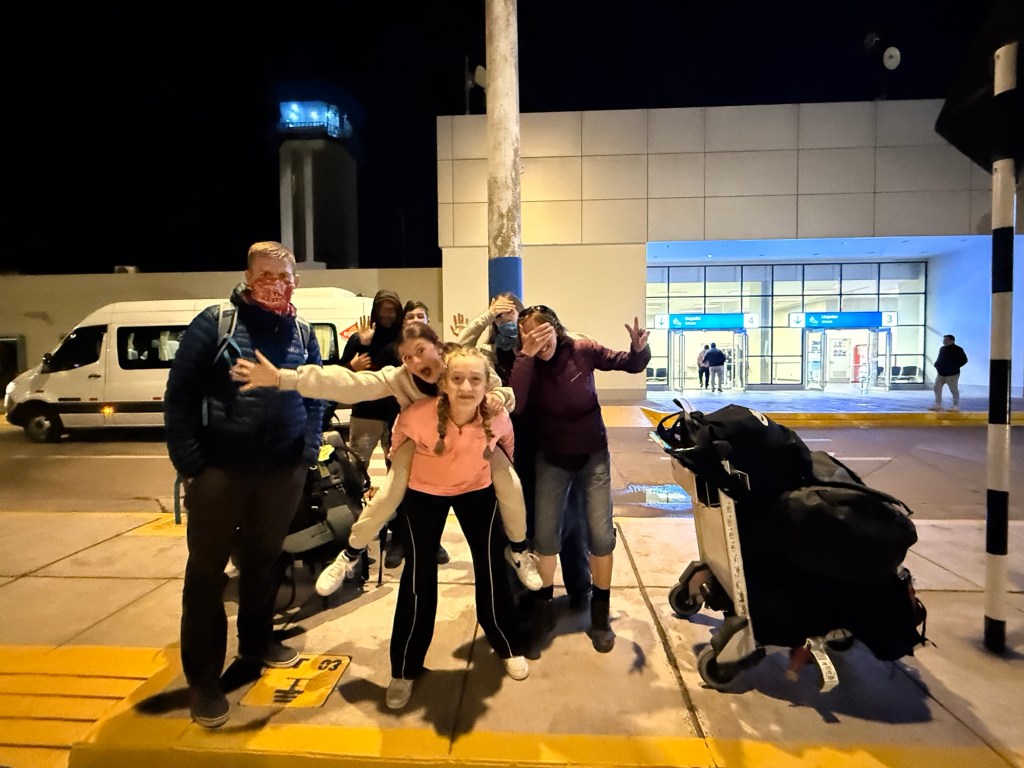
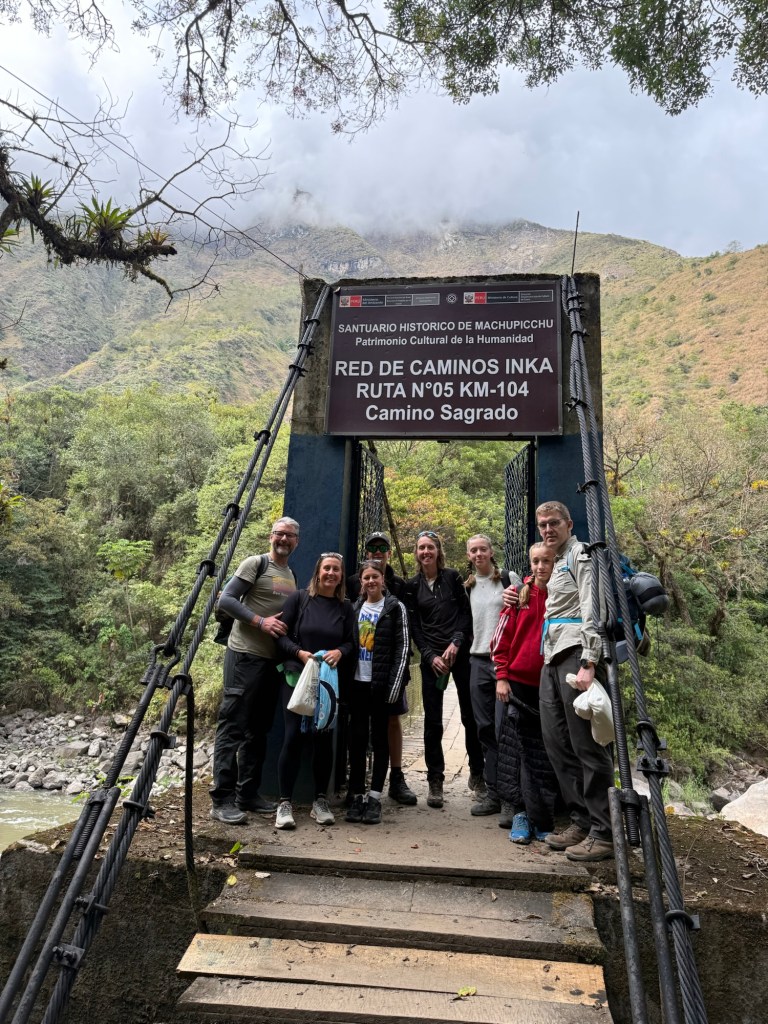
The Inca Trail


What a day!!

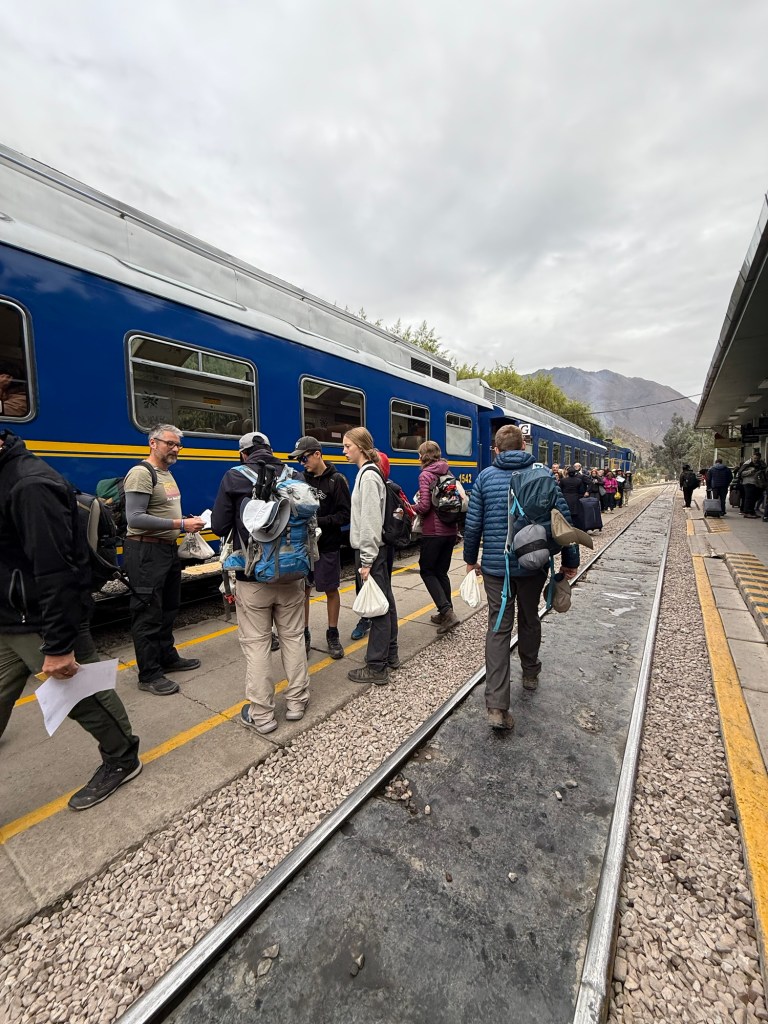
We began with breakfast at our hotel, met Raul and had a quick stomp down to the Ollantaytambo train station. It was heaving, full of tourists and Peruvians, most with guides like us. We collected our “lunch boxes” – material bags with various individually wrapped foods to keep us going throughout the day.

Then it was a quick passport and ticket check and on we got to Carriage F. The train route goes all the way to Machu Picchu, but for those hiking the last day of the Inca Trail, it stops on the tracks (about an hour and a half of bumpy train ride later) for you to climb off. There’s no station or platform – you just get off (or leap down!) and head straight into the jungle.

The track winds down until you come to a (very) wobbly bridge over the river . Crossing this you come to an area in the trees with some toilets and wooden benches arranged in groups, meaning you and your party can arrange your bags and get prepared for the hike. It’s very rustic and basic, but that’s all we needed.
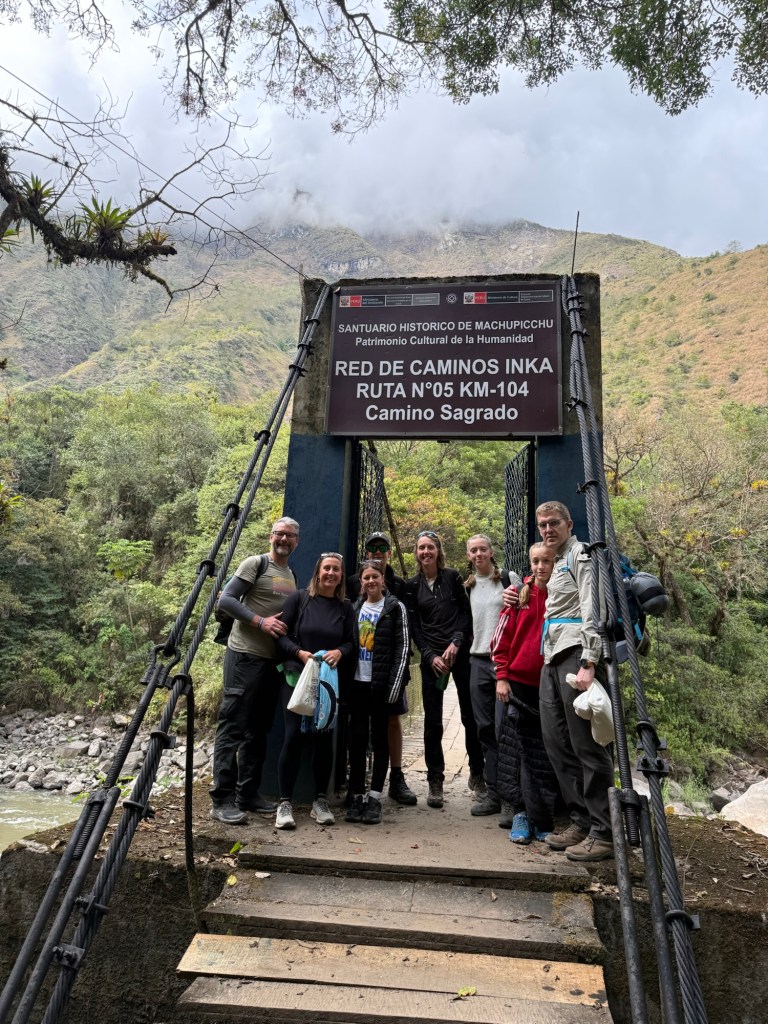


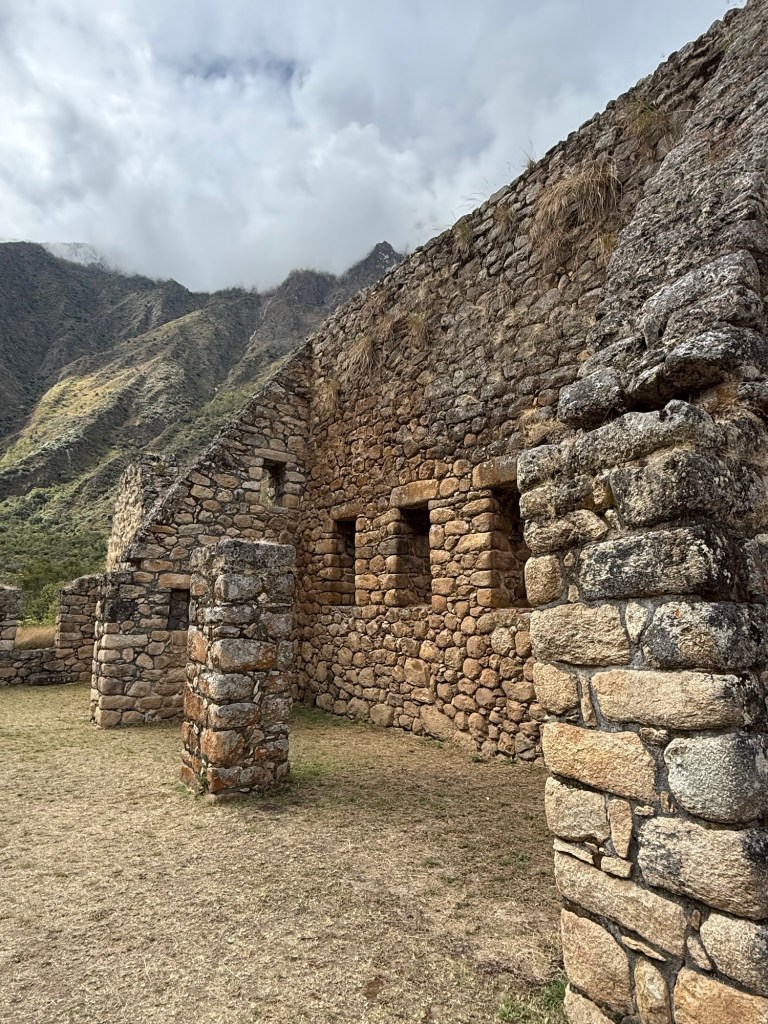
And soon we were ready to go… after a quick history lesson from Raul. The trail begins in the valley, where you navigate through some Incan ruins, and then you begin the ascent.
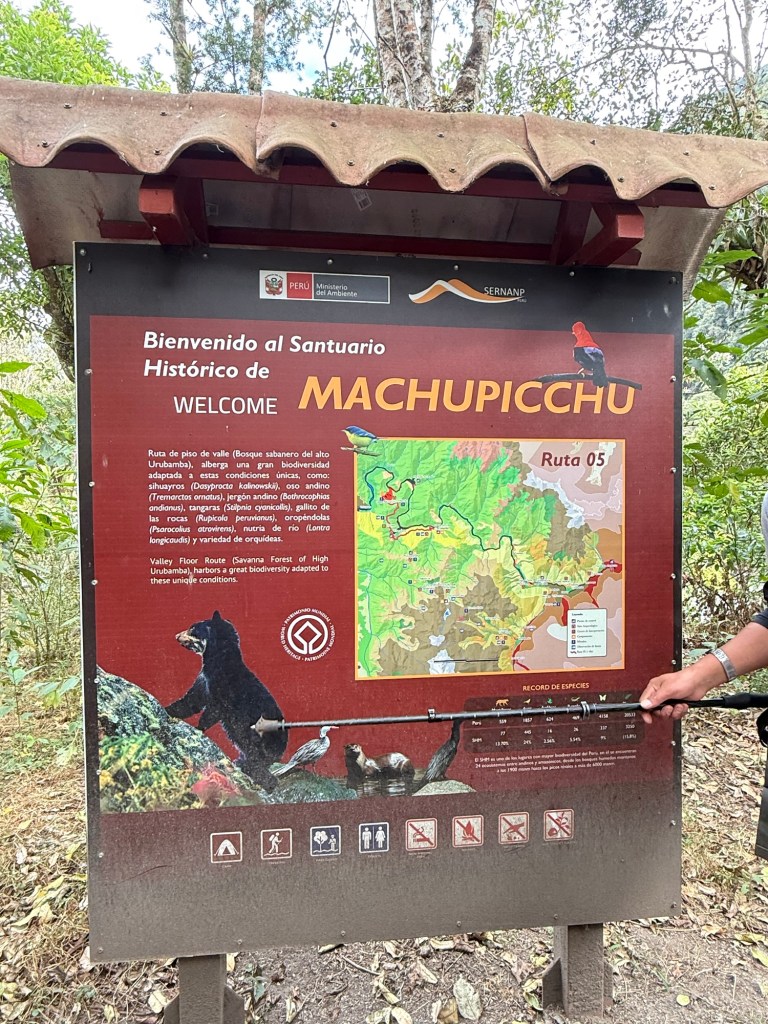
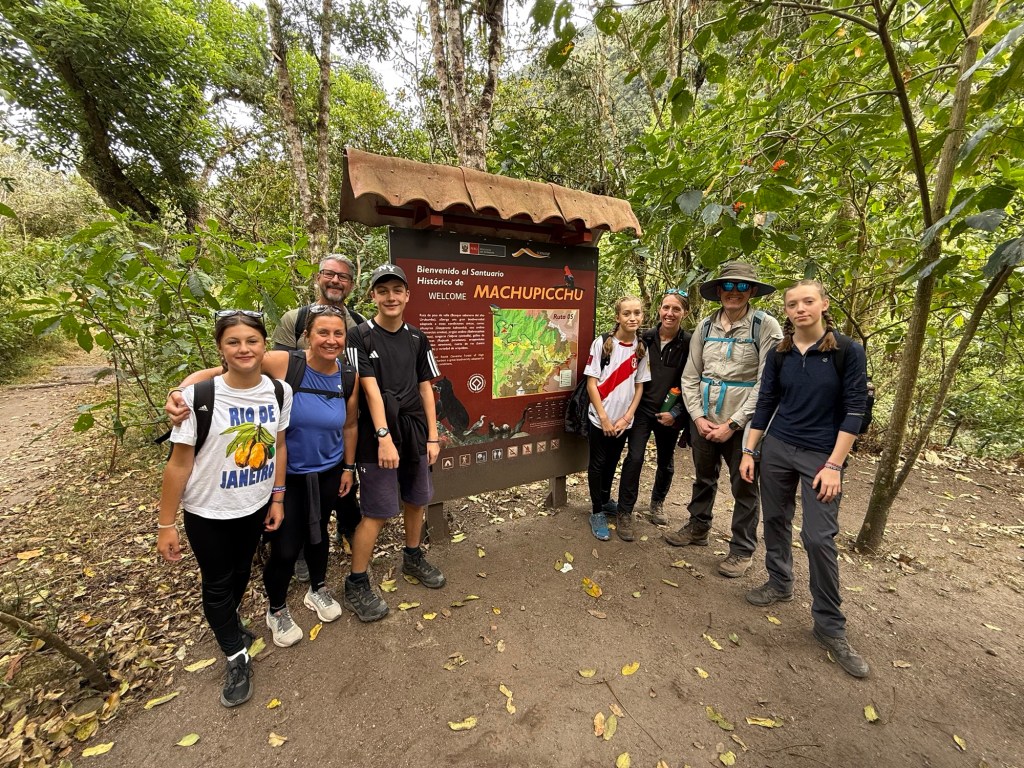
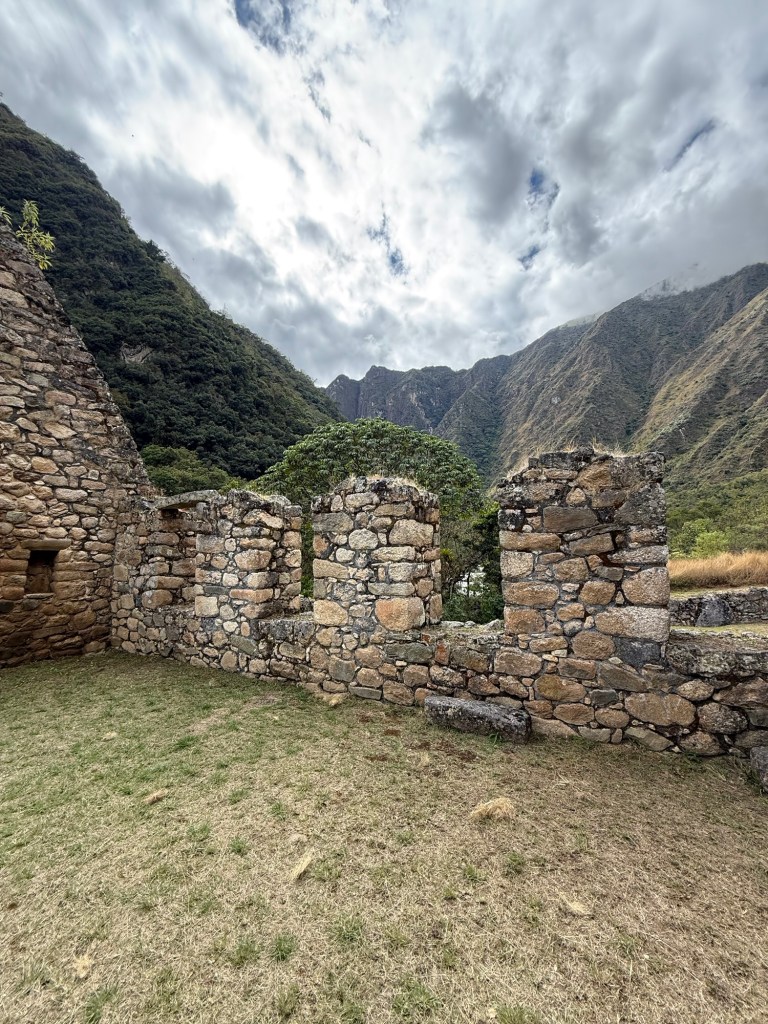
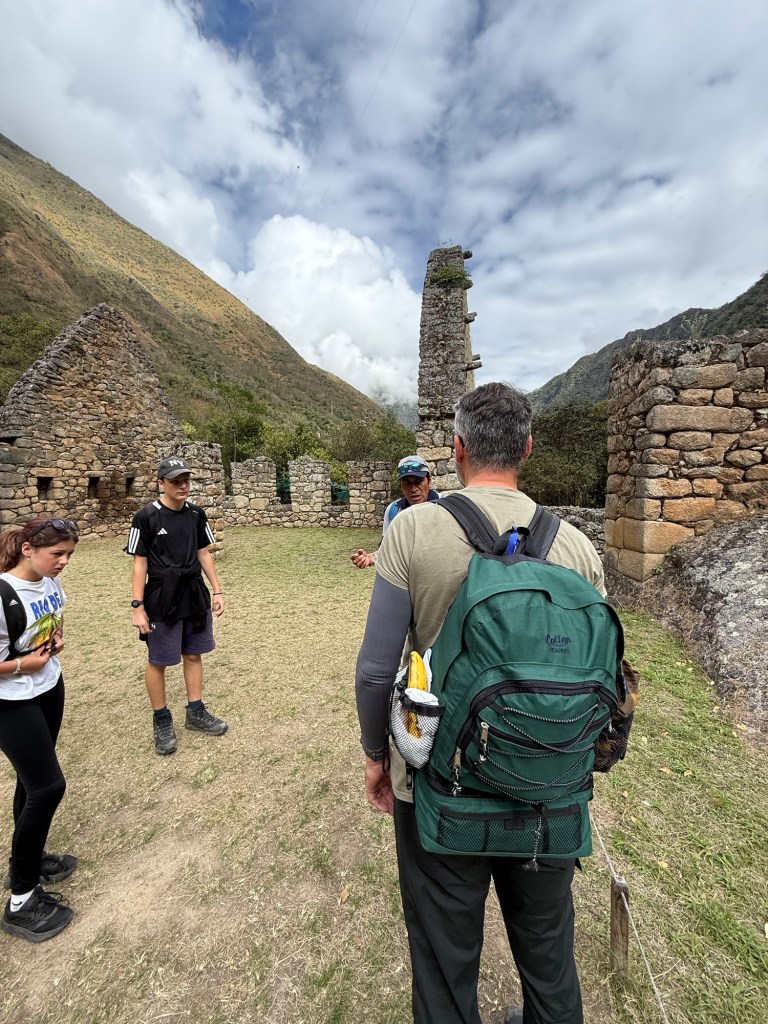
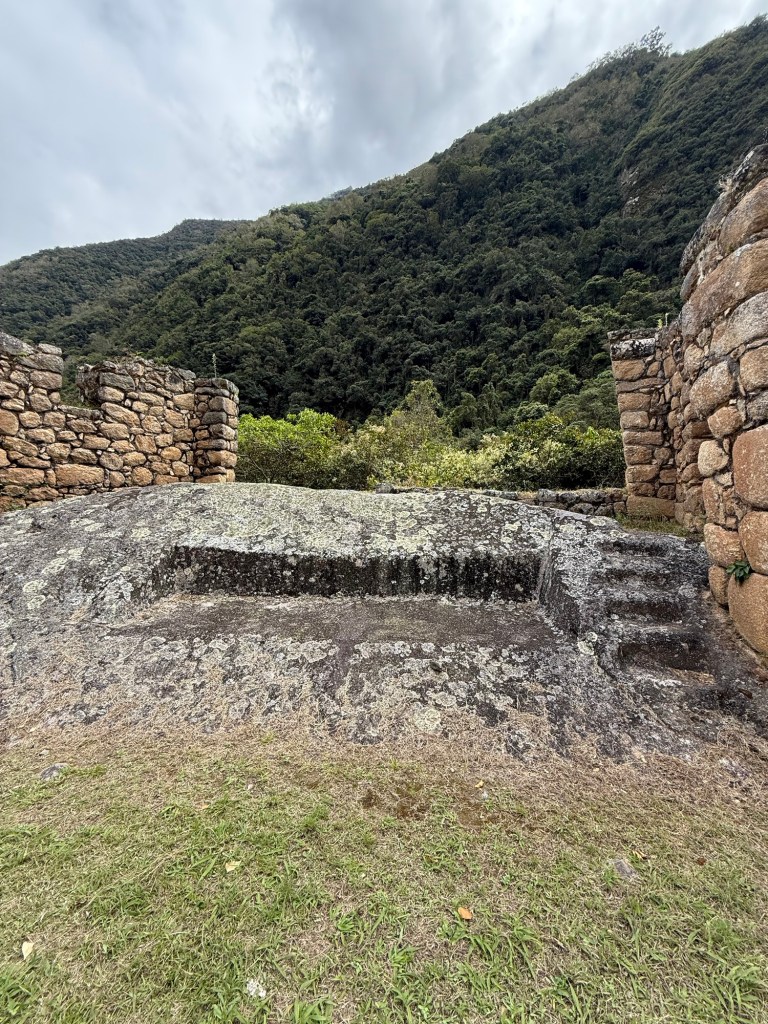
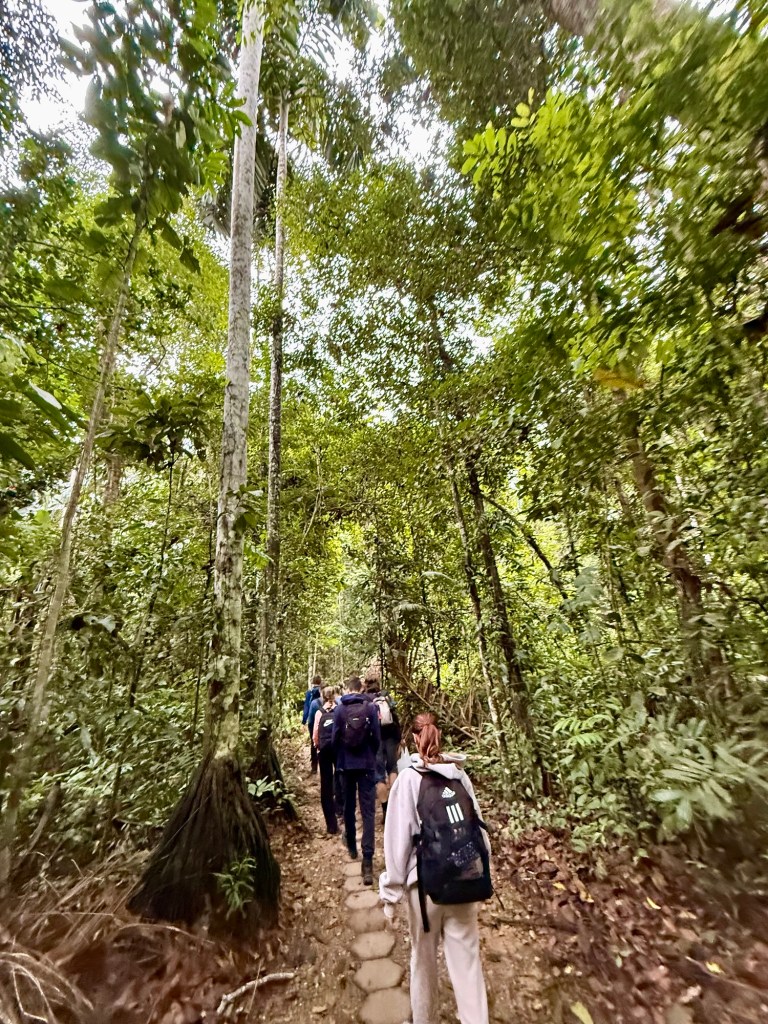
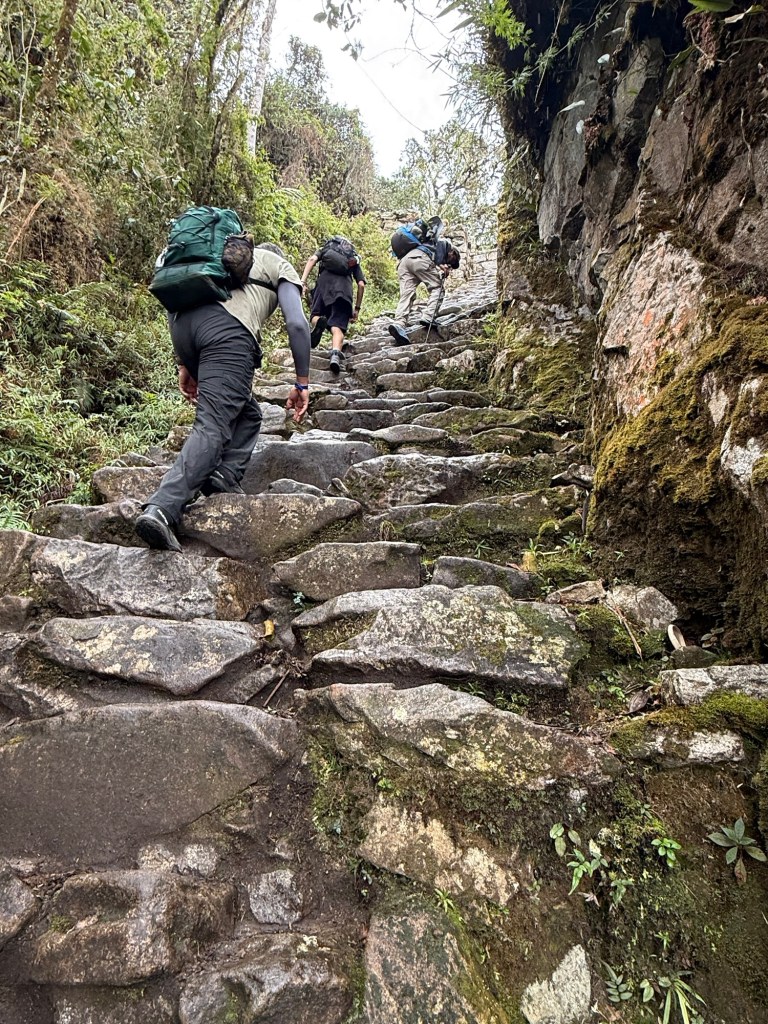
It was pretty hard going from the beginning, but absolutely stunning. Raul told us the first hour or so was flat, but Sylvie definitely decided he was delusional after hiking upwards for 30 minutes!

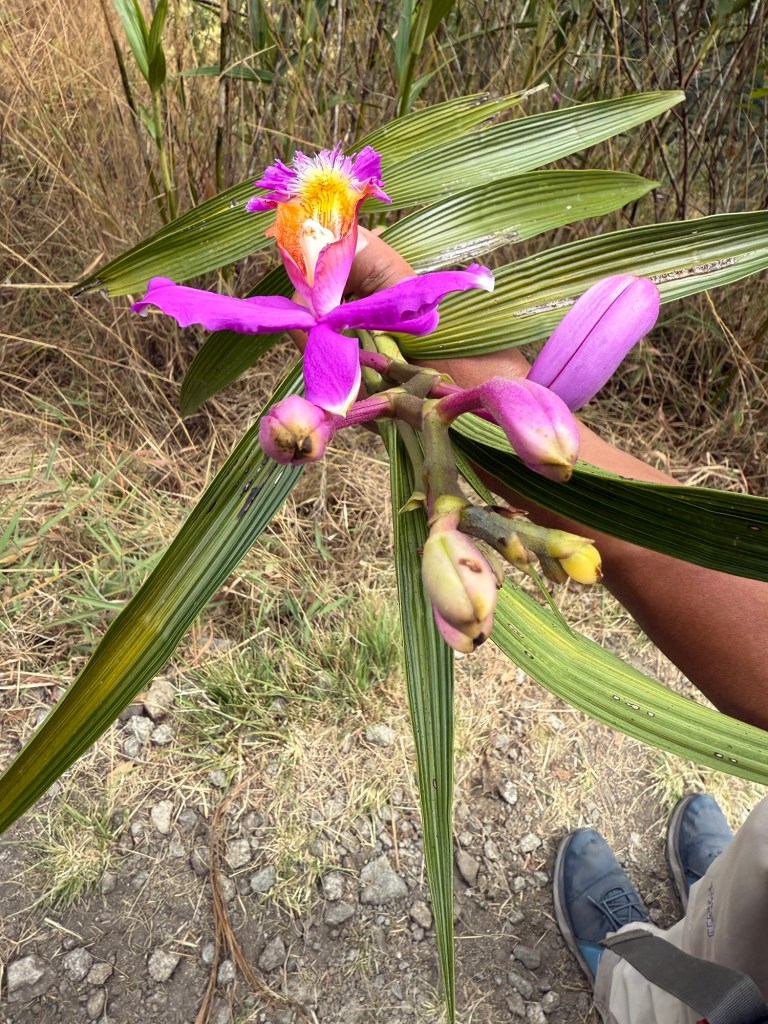
There are a couple of resting spots/huts along the way, but not many, and in parts the trail is quite treacherous. Raul pointed out various fauna and flora along the way – apparently there are 300 types of wild orchid growing in this jungle.
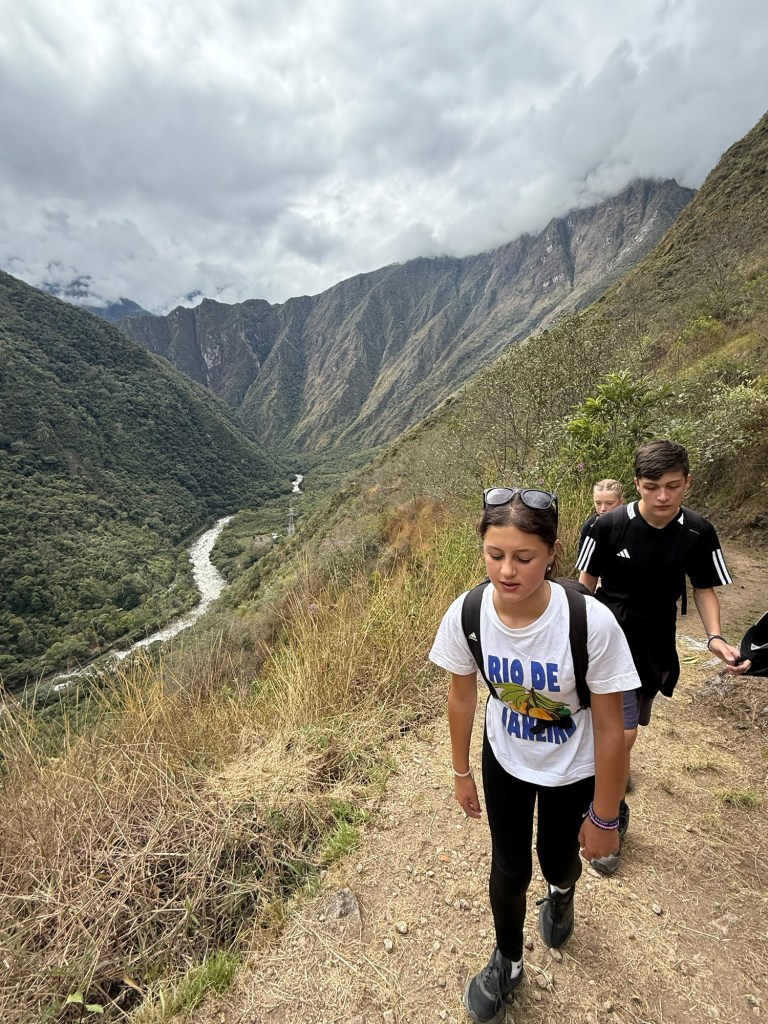
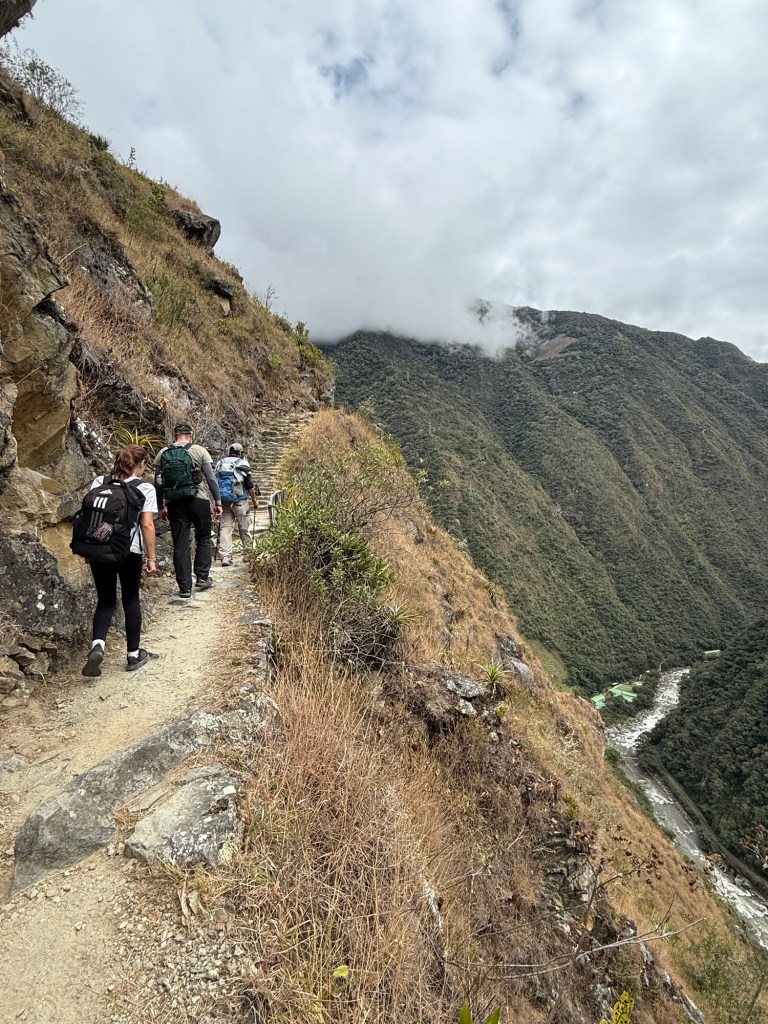
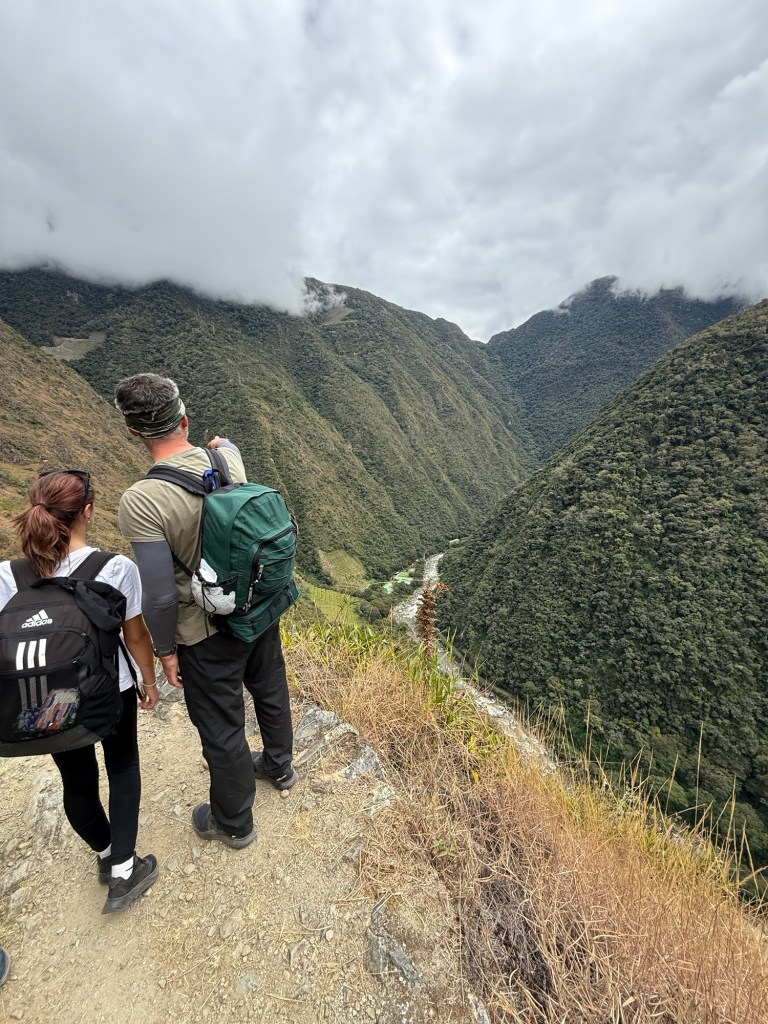
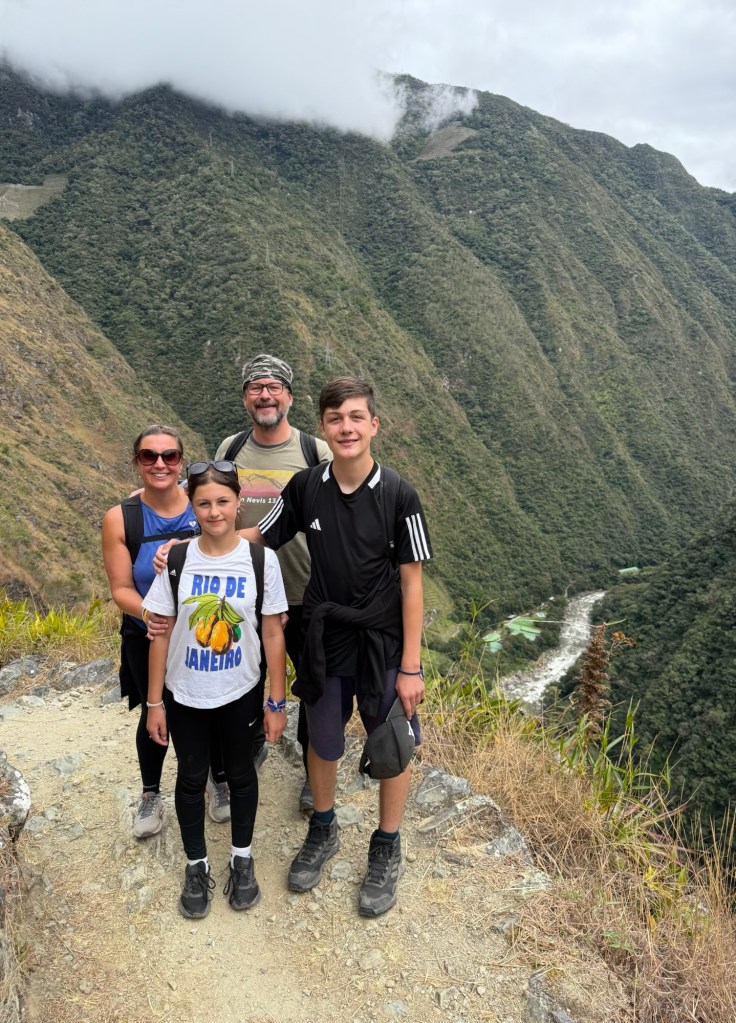
We were very grateful it wasn’t a blazing hot day, the uphill climb with full backpacks at altitude would’ve been even tougher! As it was, we were 2 men “down” with poor Dave struggling with feeling sick, and Ffion struggling with a sore back.

At one point, just as we reached the first resting spot, the worry that Ffion wouldn’t manage it at all was very real – the paracetamol she’d taken wasn’t helping and she was in a lot of pain. Luckily, with several people doing a double-backpack stint she didn’t have to carry anything, and even more painkillers on board, she rallied.

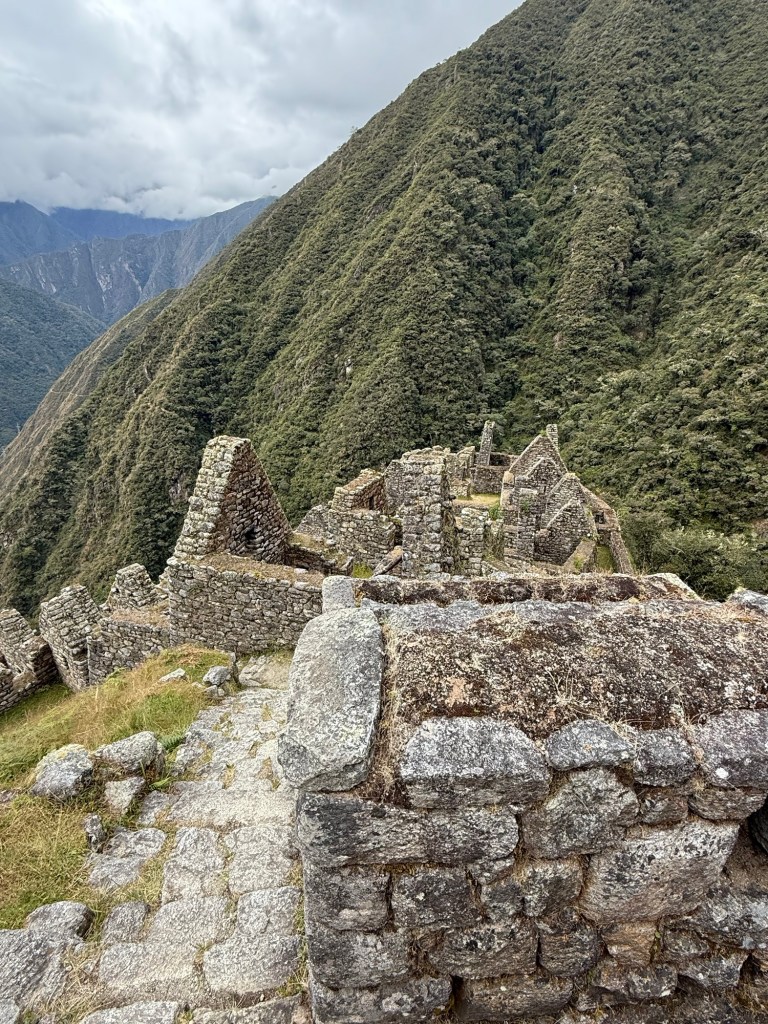
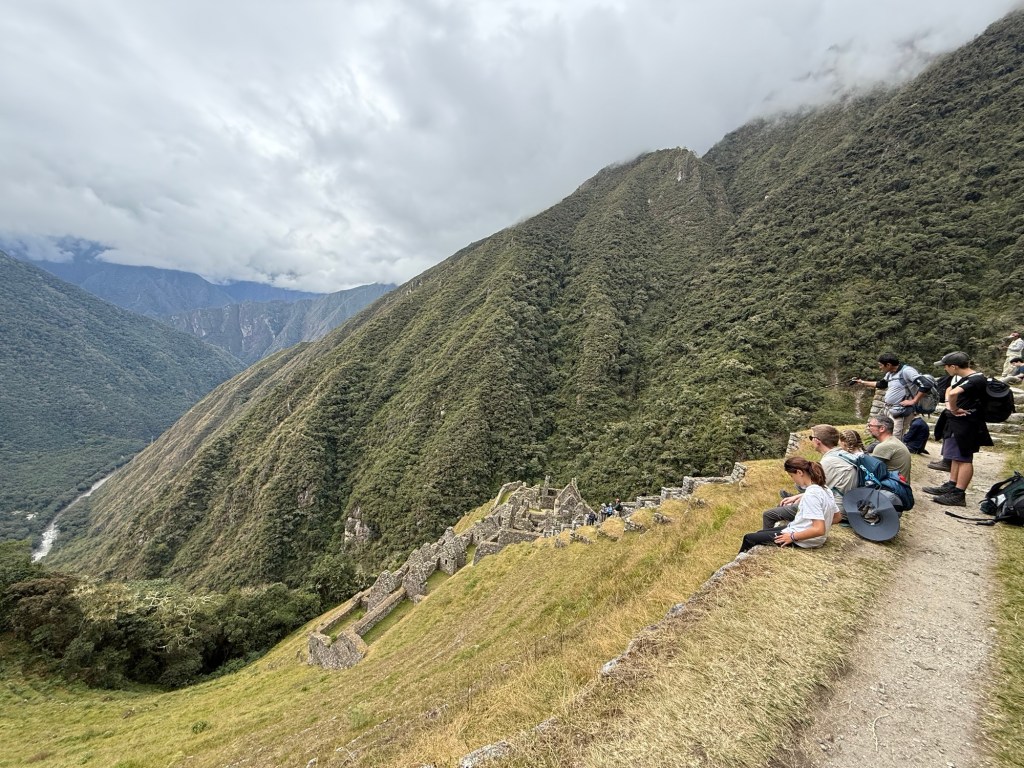
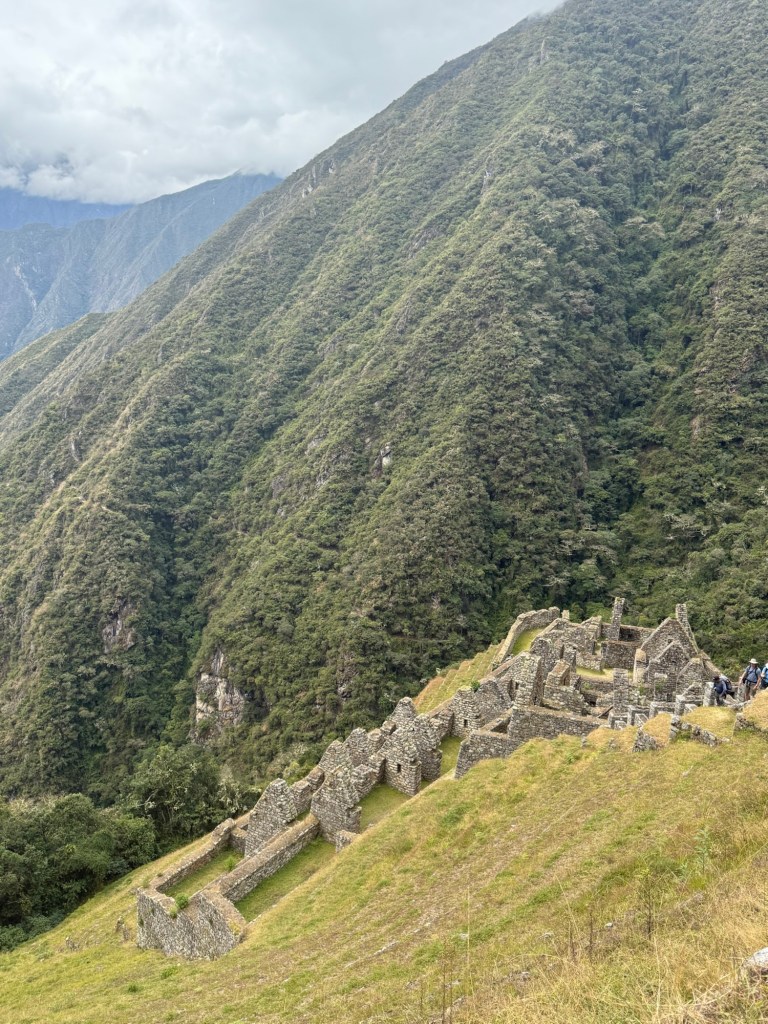
After a couple of hours hiking, we were rewarded with a view of some Incan ruins in the distance, as well as a waterfall. We are constantly amazed at how the Incan constructions are built on such steep mountainsides!
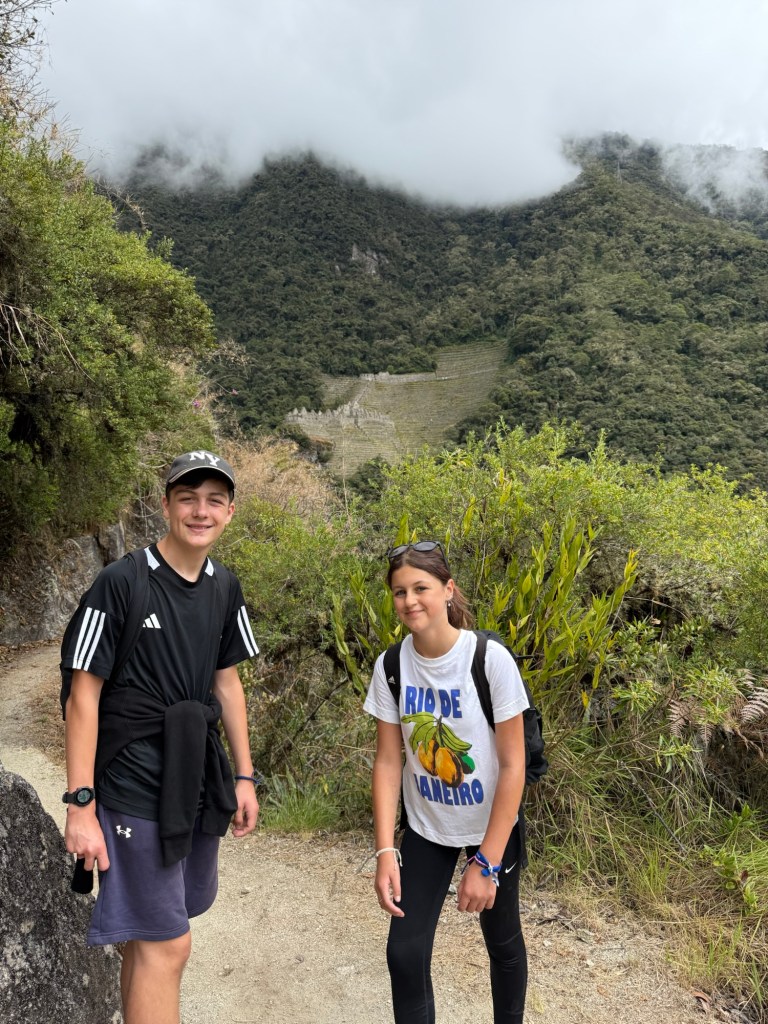
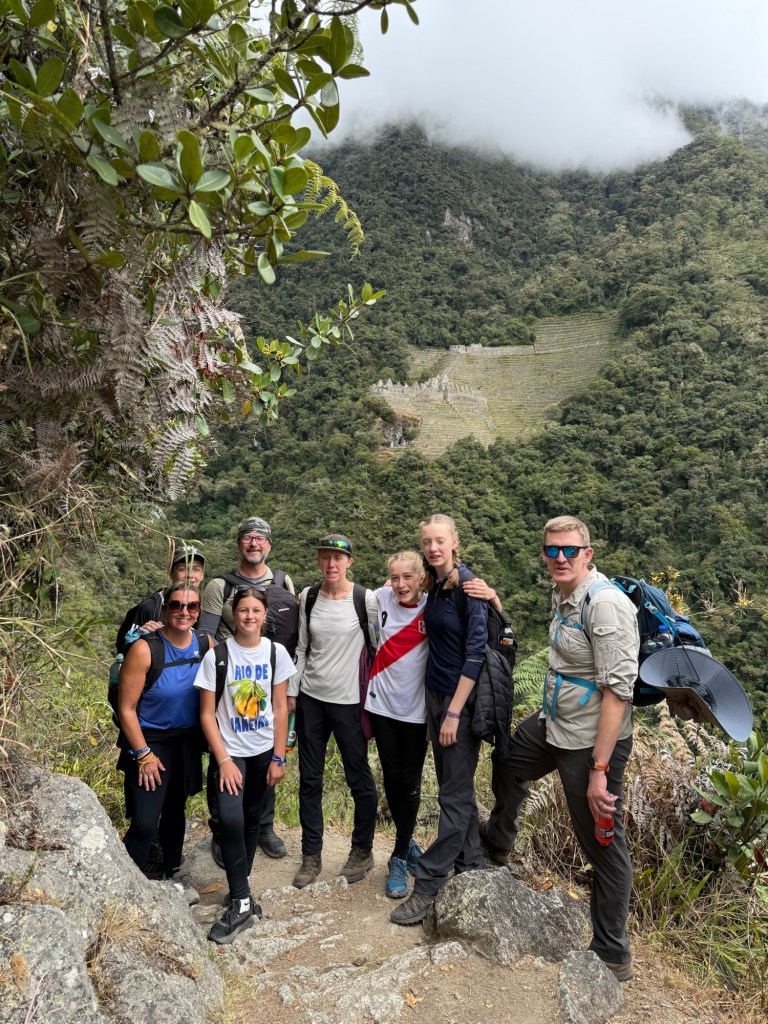

After a bit more jungle terrain, and a bit more rocky scrambling, we eventually reached the beautiful waterfall, which provided a much needed resting spot as well as water spray to cool us down.
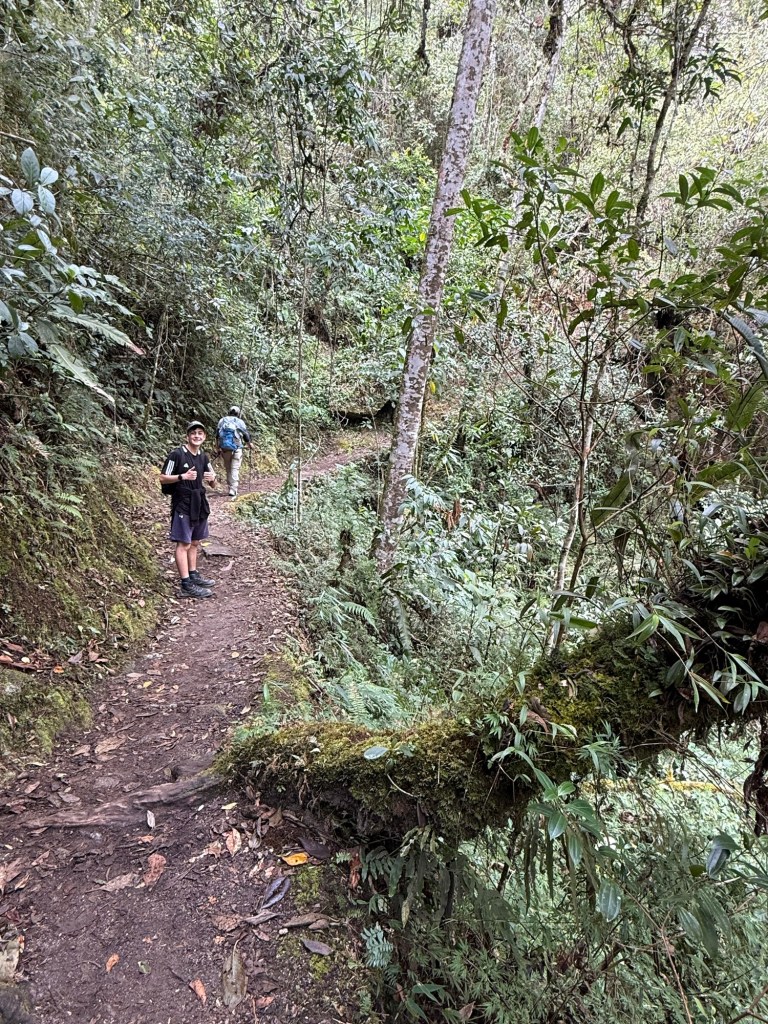
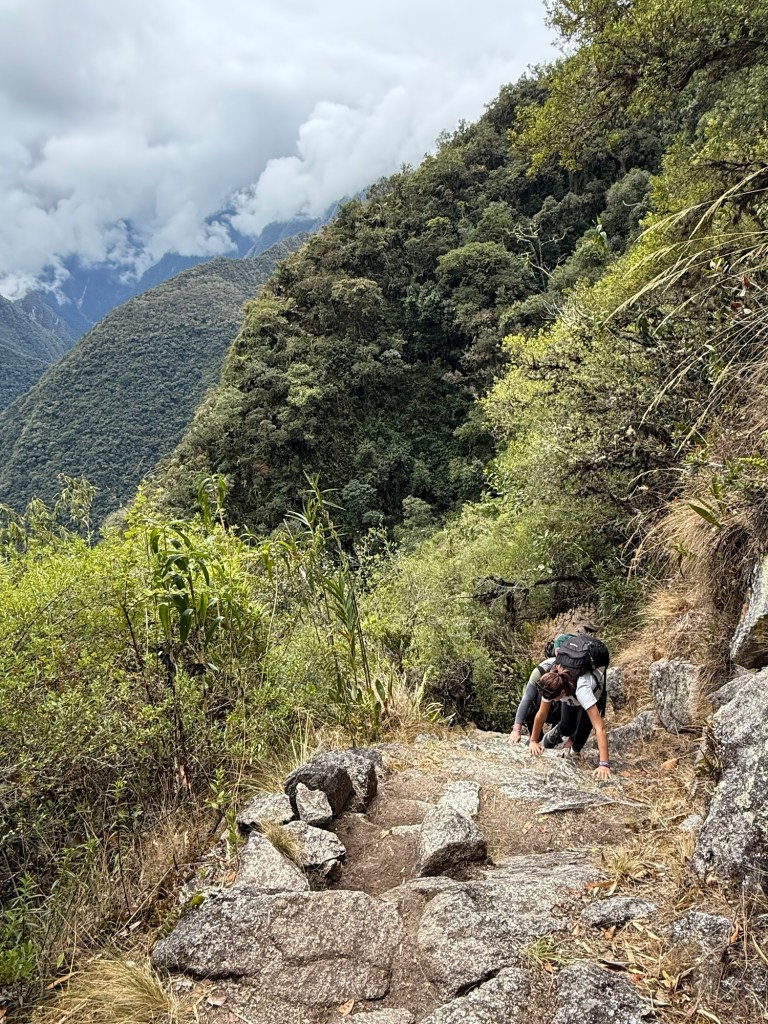
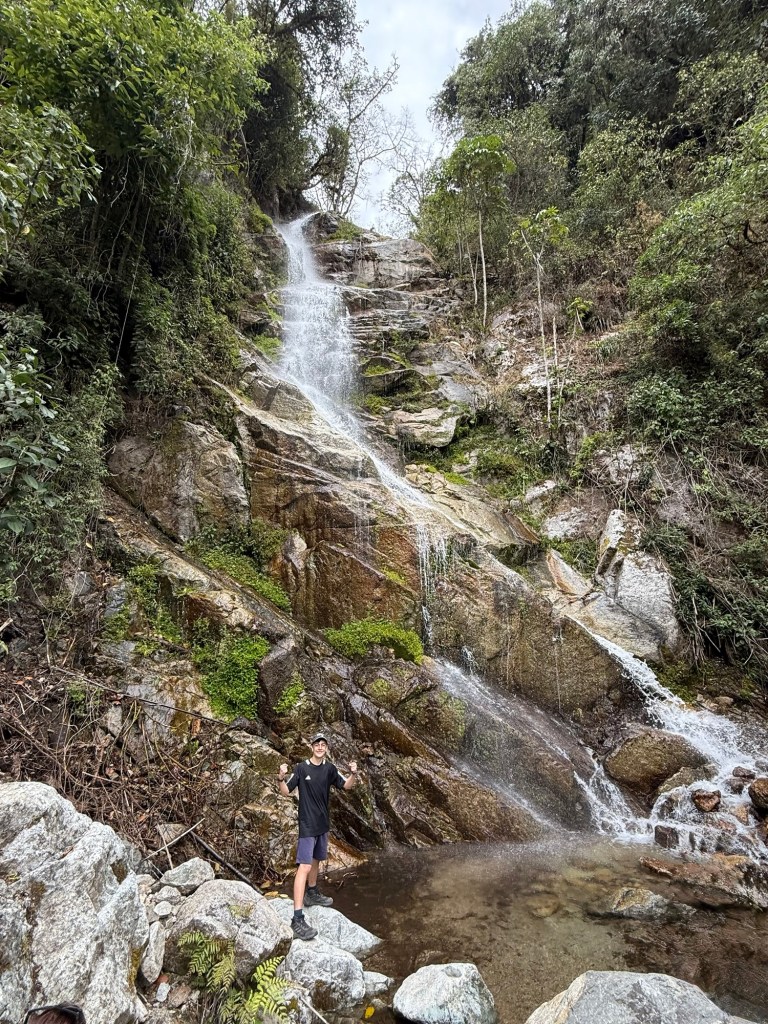
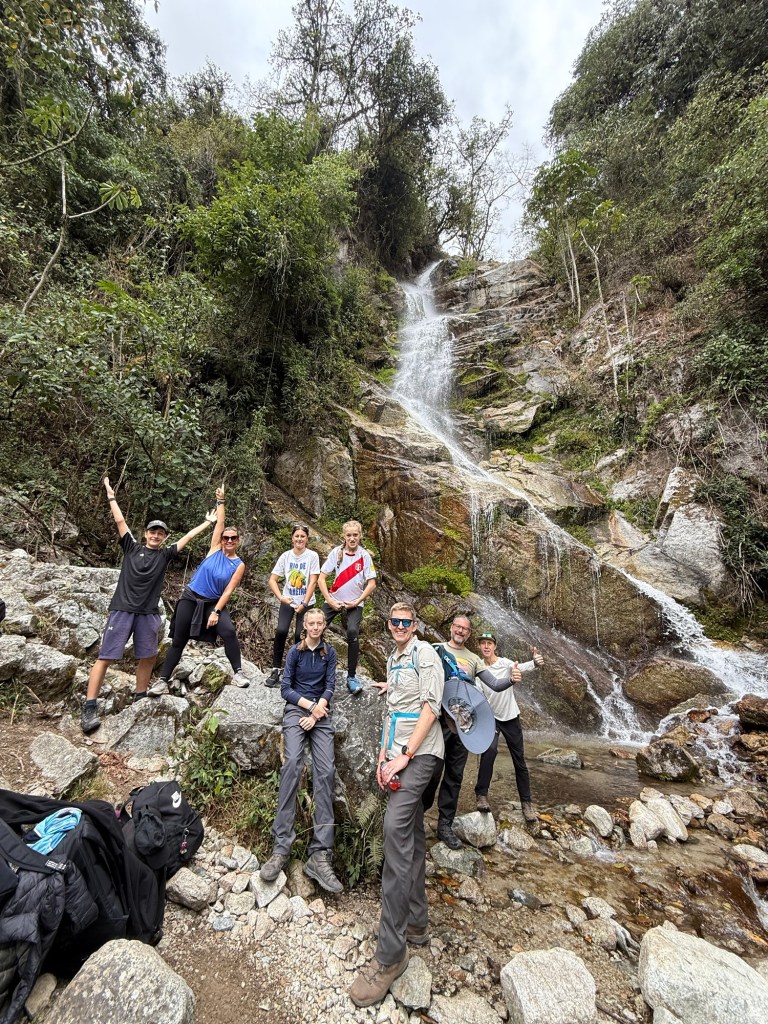
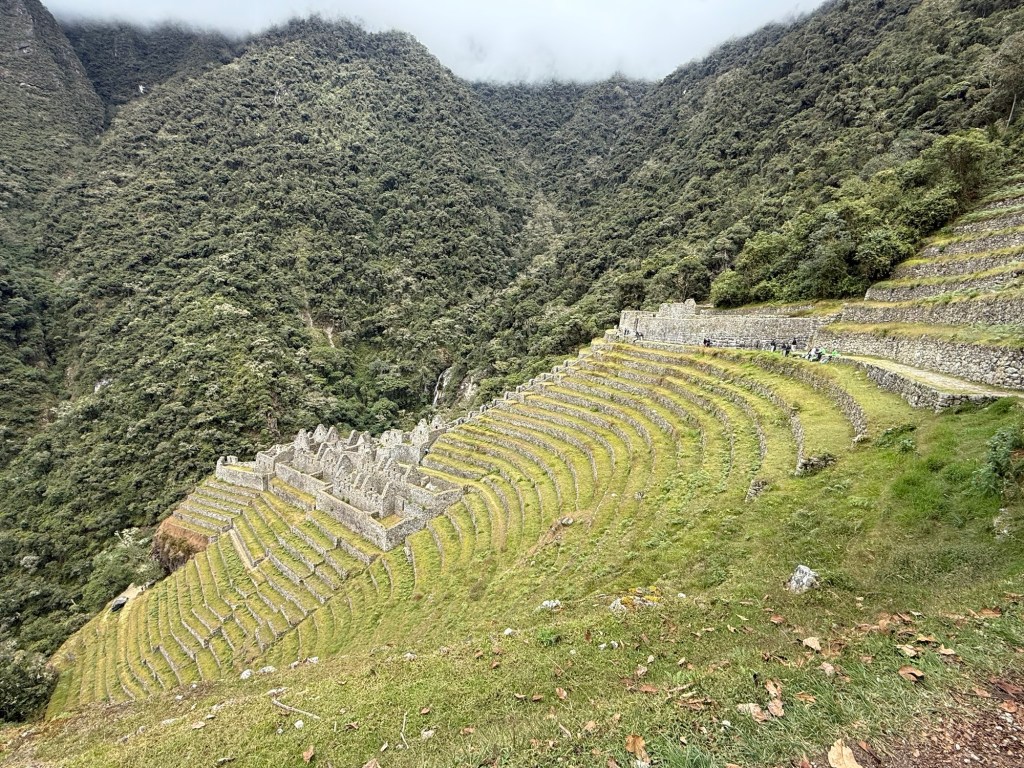
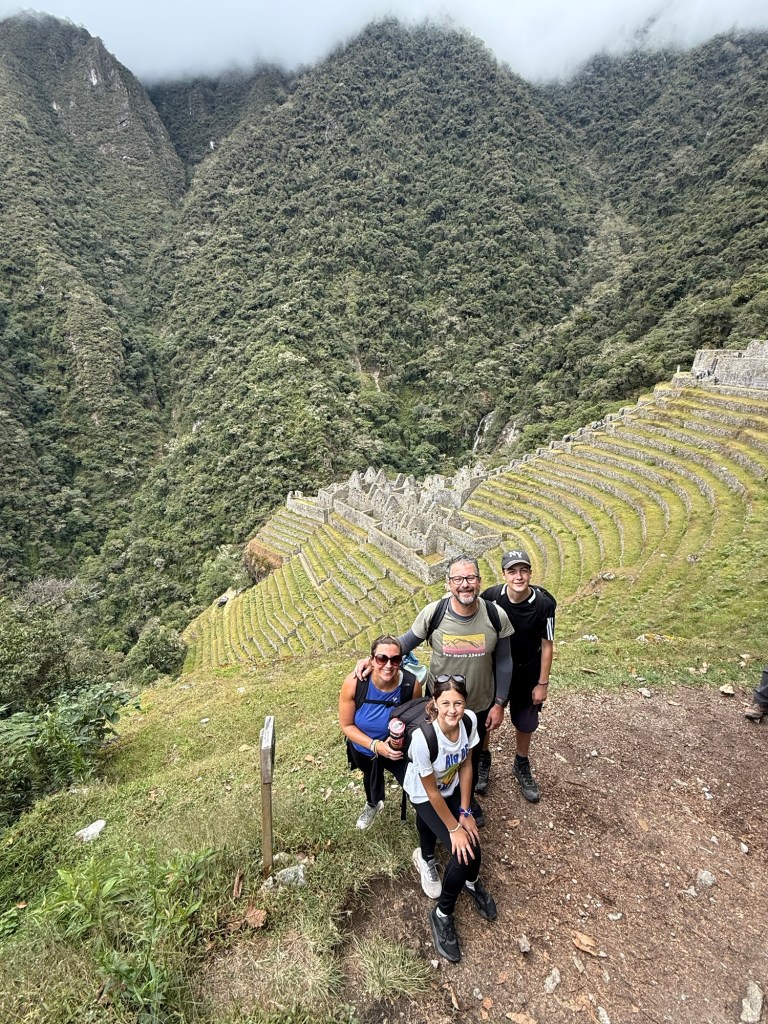
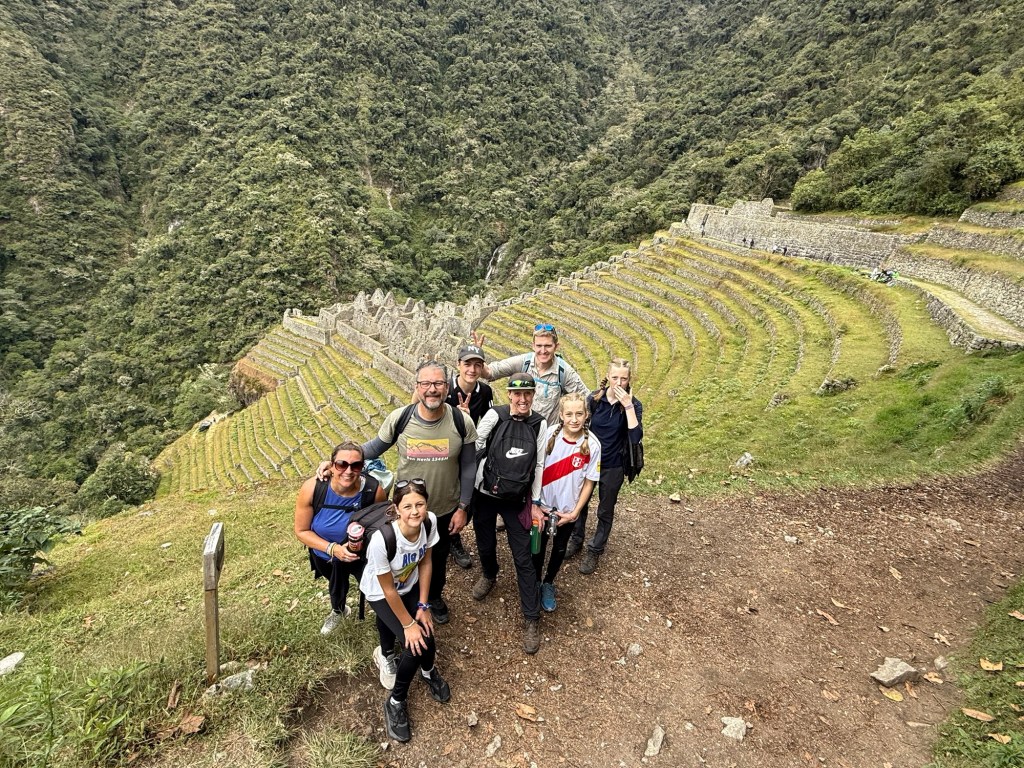
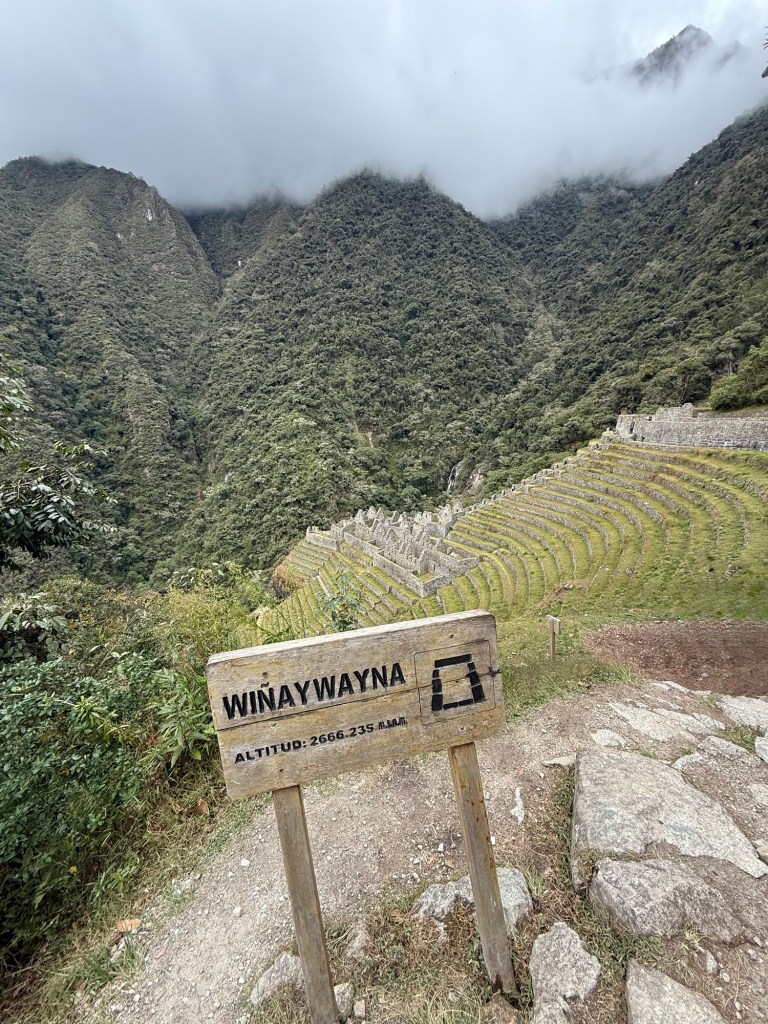
More gorgeous views, and more hard uphills followed… until we reached the Incan settlement (Winaywayna) we’d seen from the previous mountain.
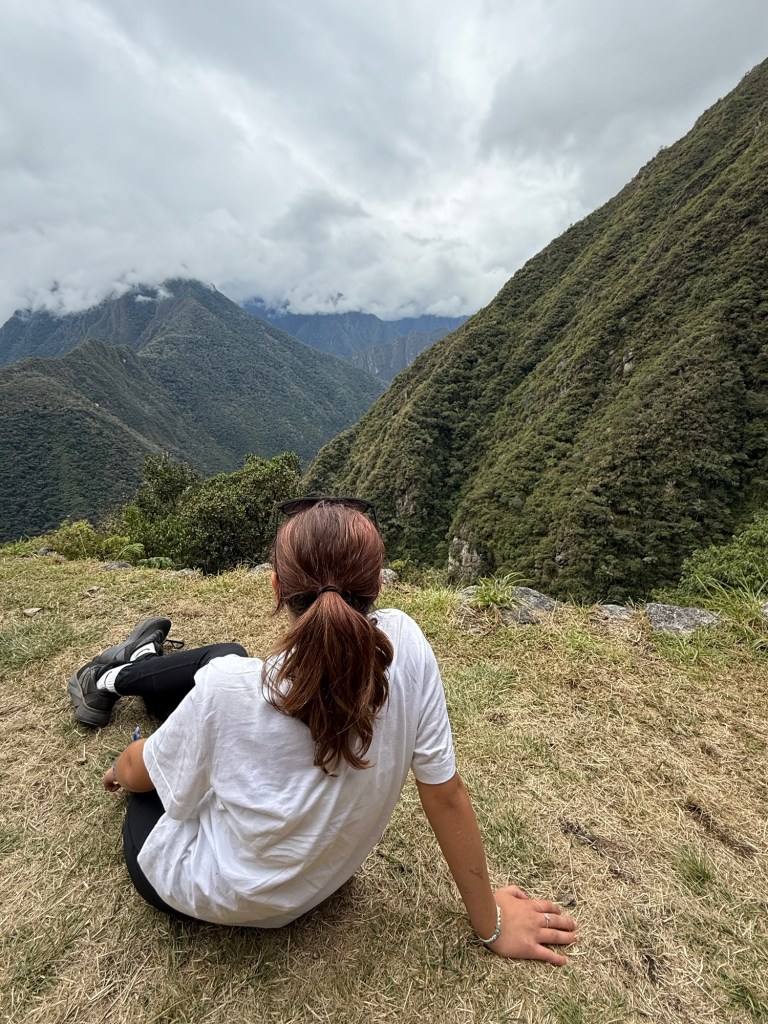
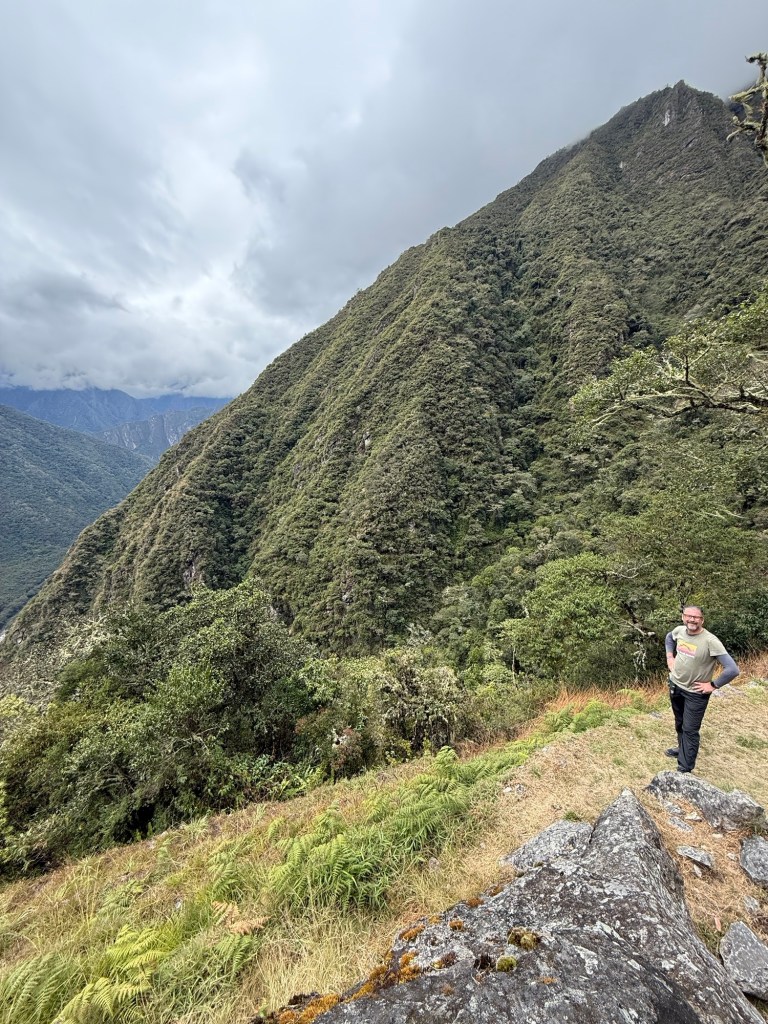
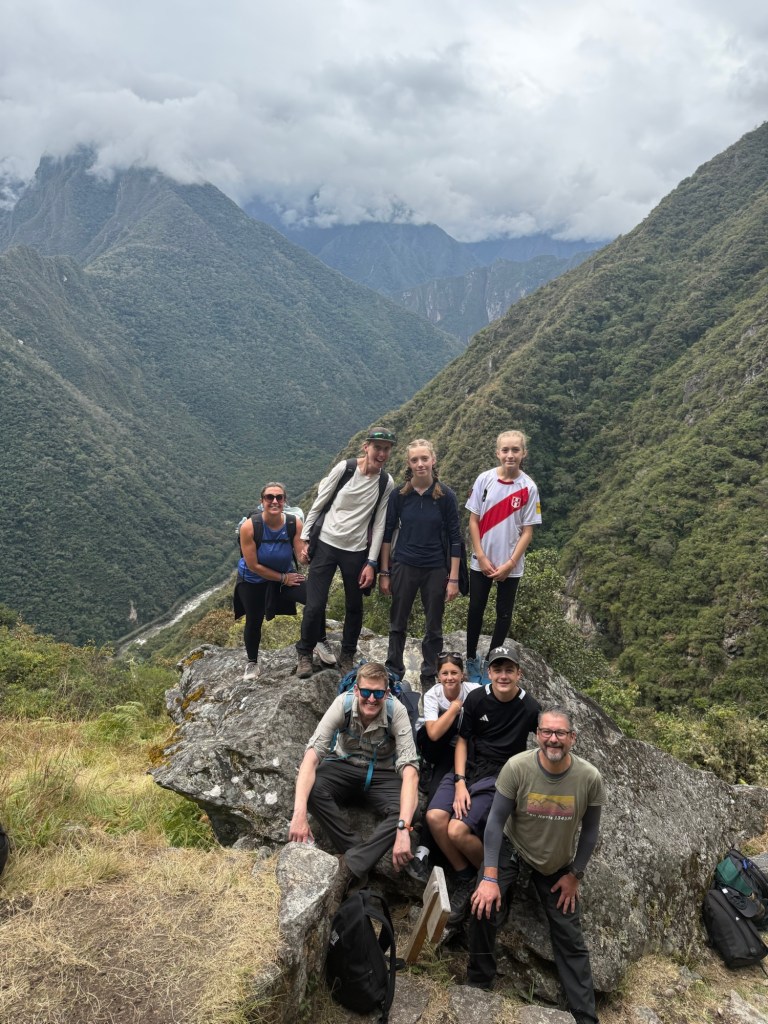
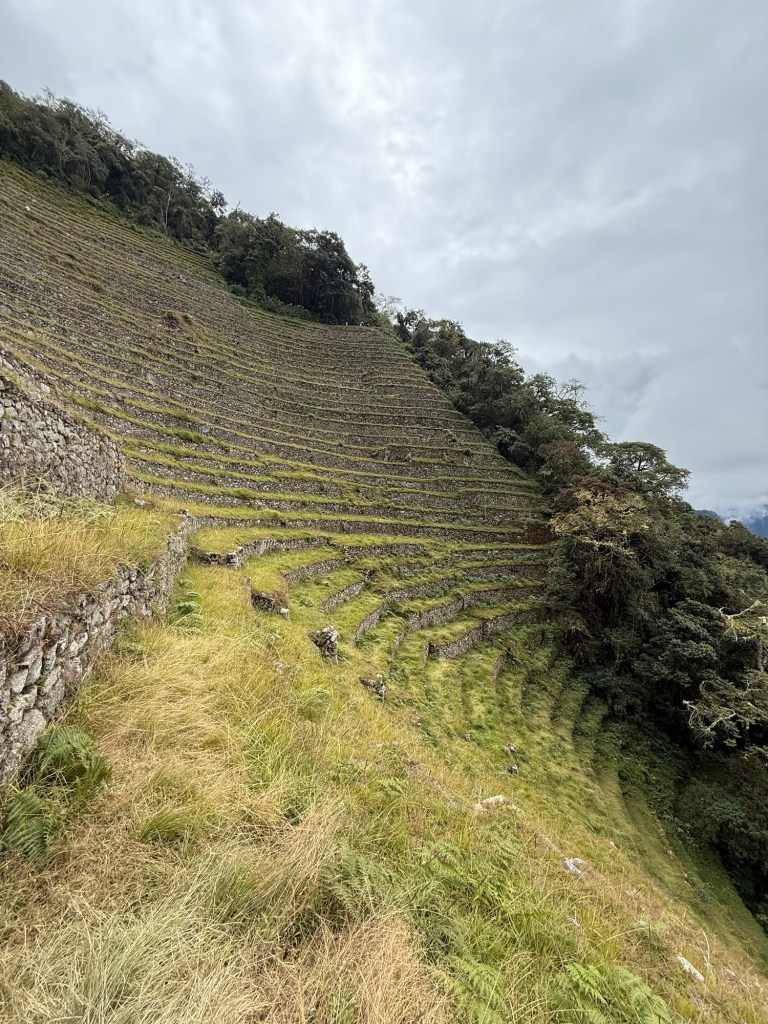
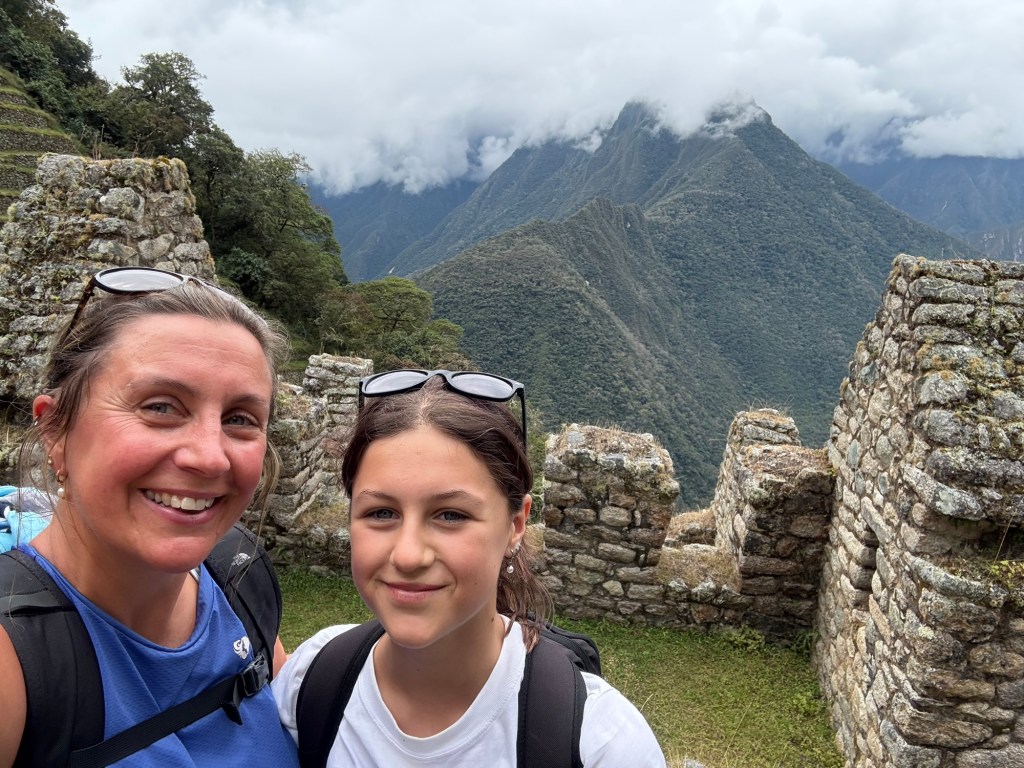
From here, we continued upwards and around the mountains – still aiming for the famous Sun Gate.

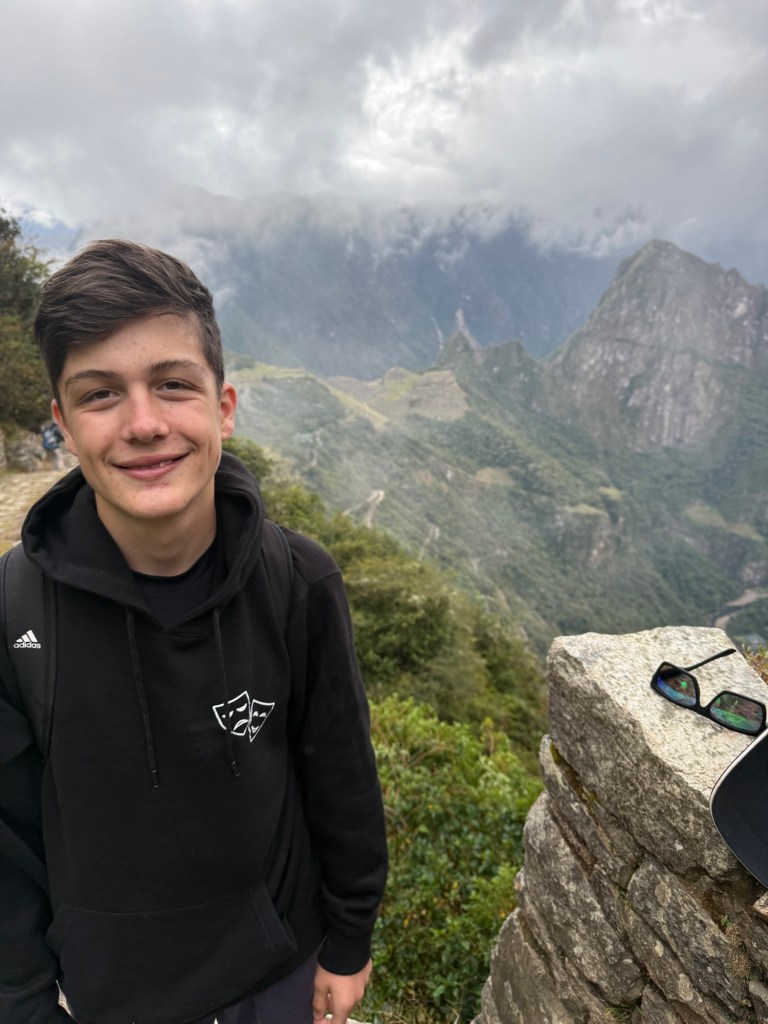
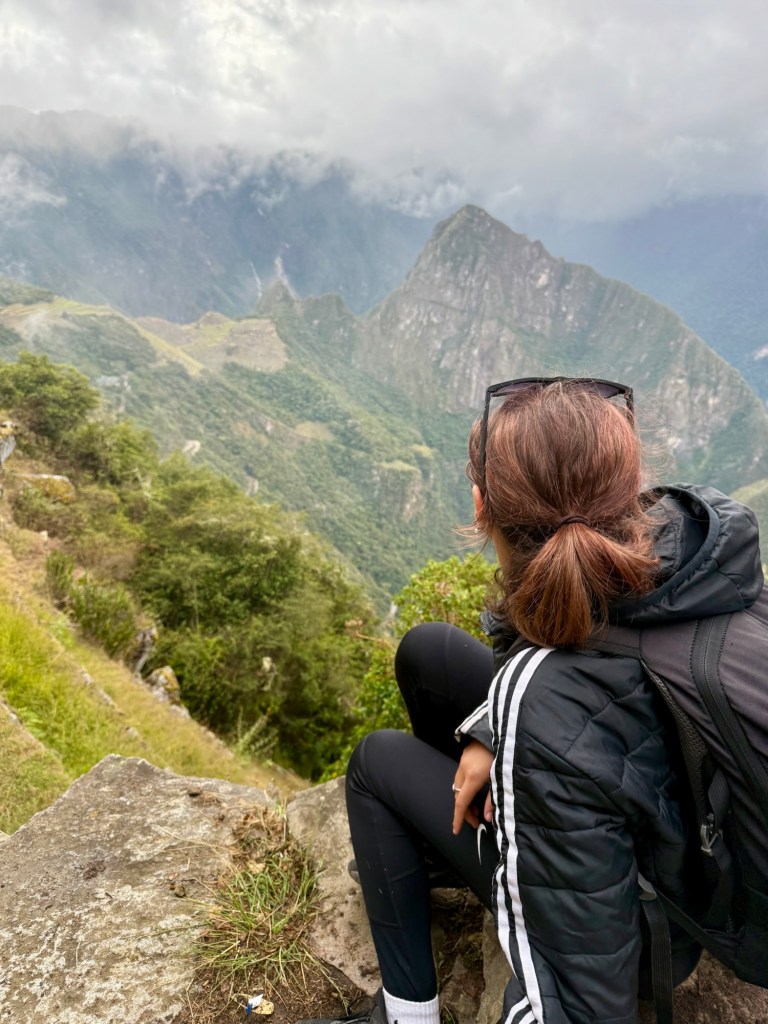
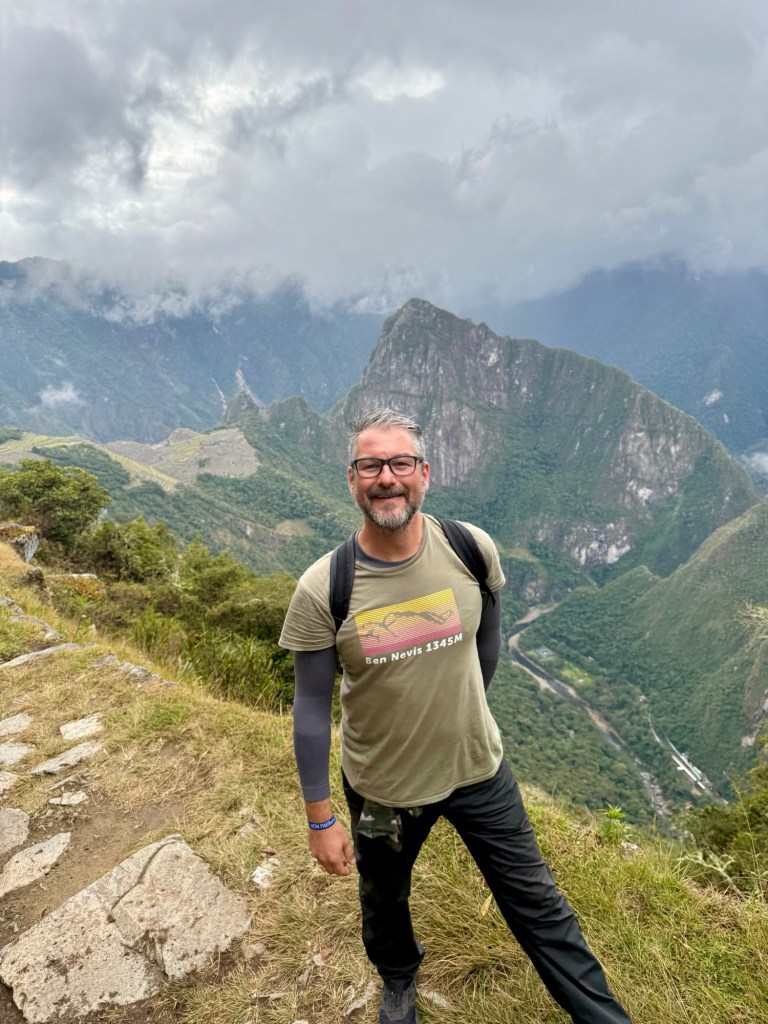
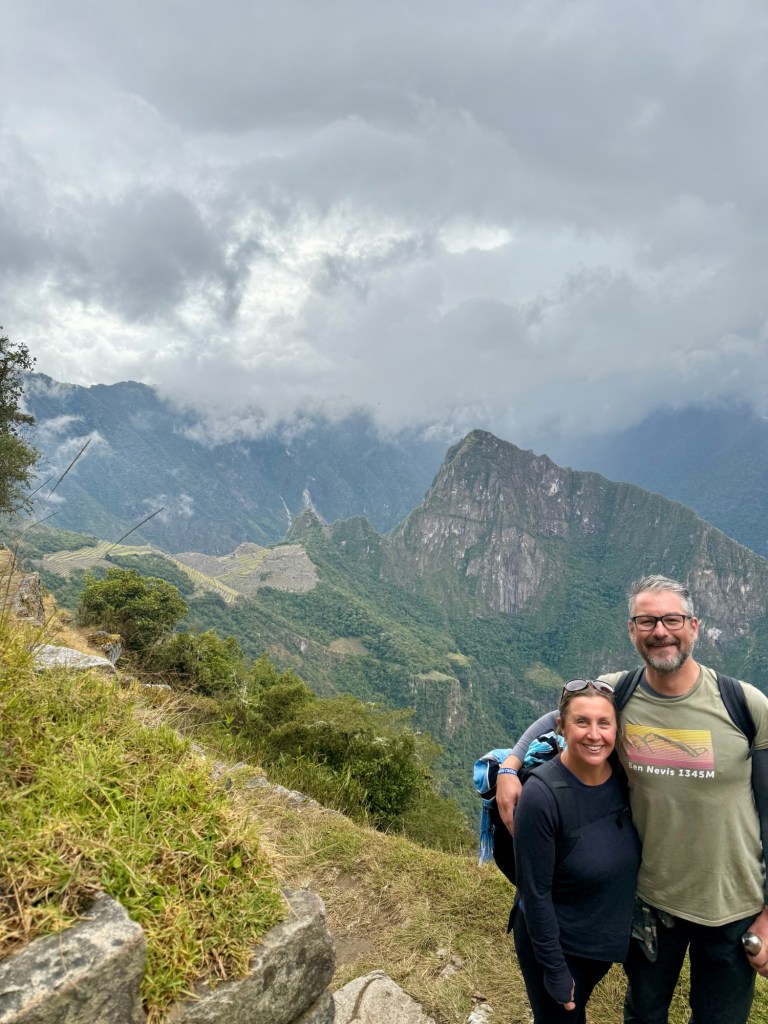
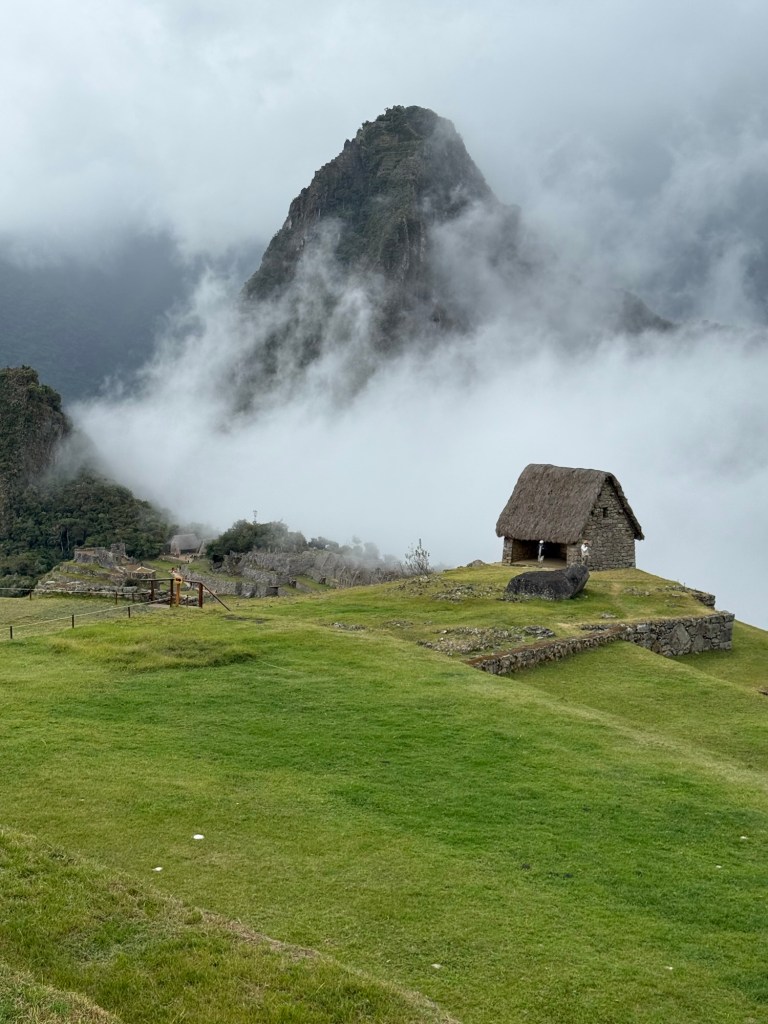
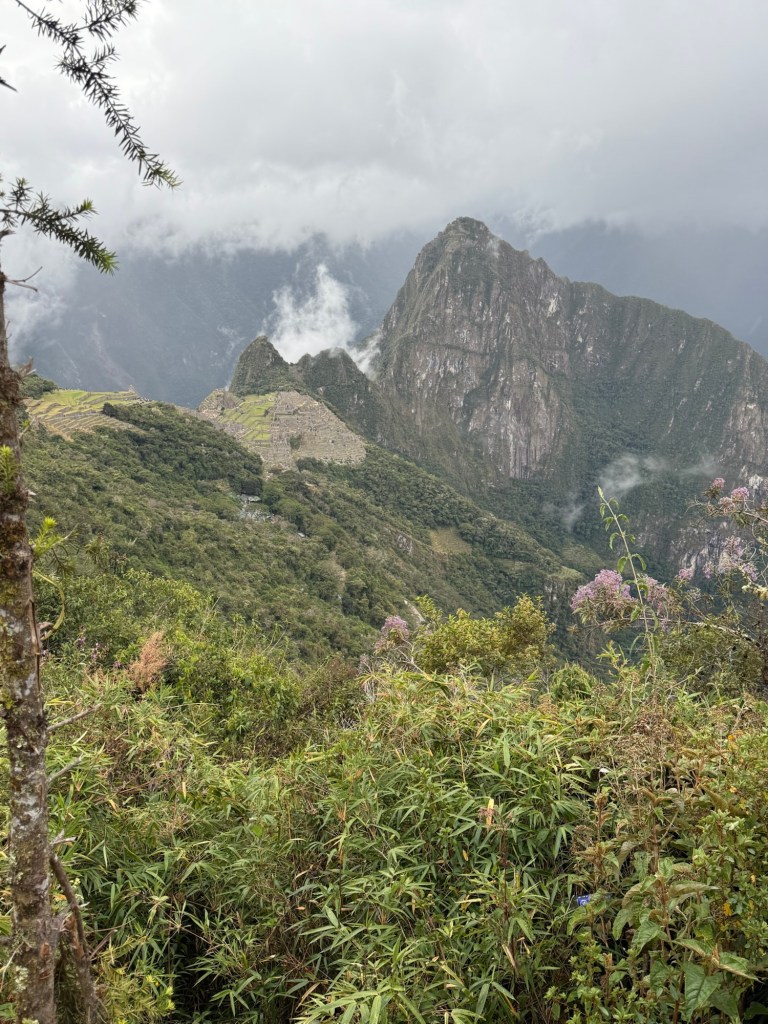
Finally, we only had a last scramble to get to the Sun Gate and get our first views of Machu Picchu itself!
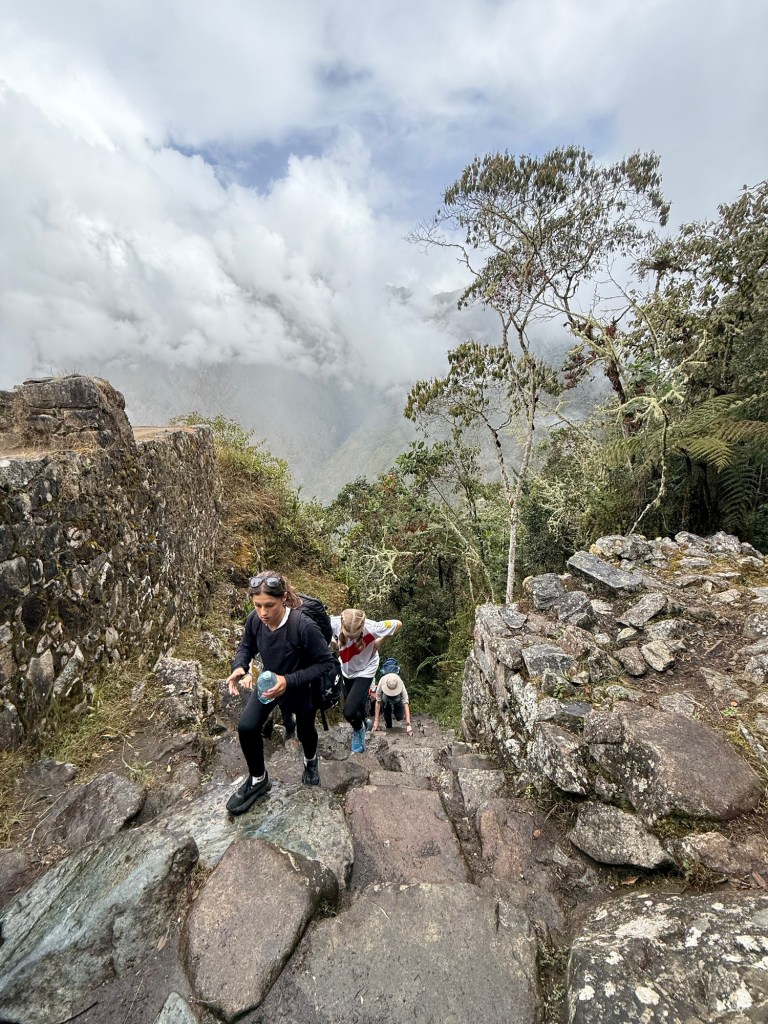
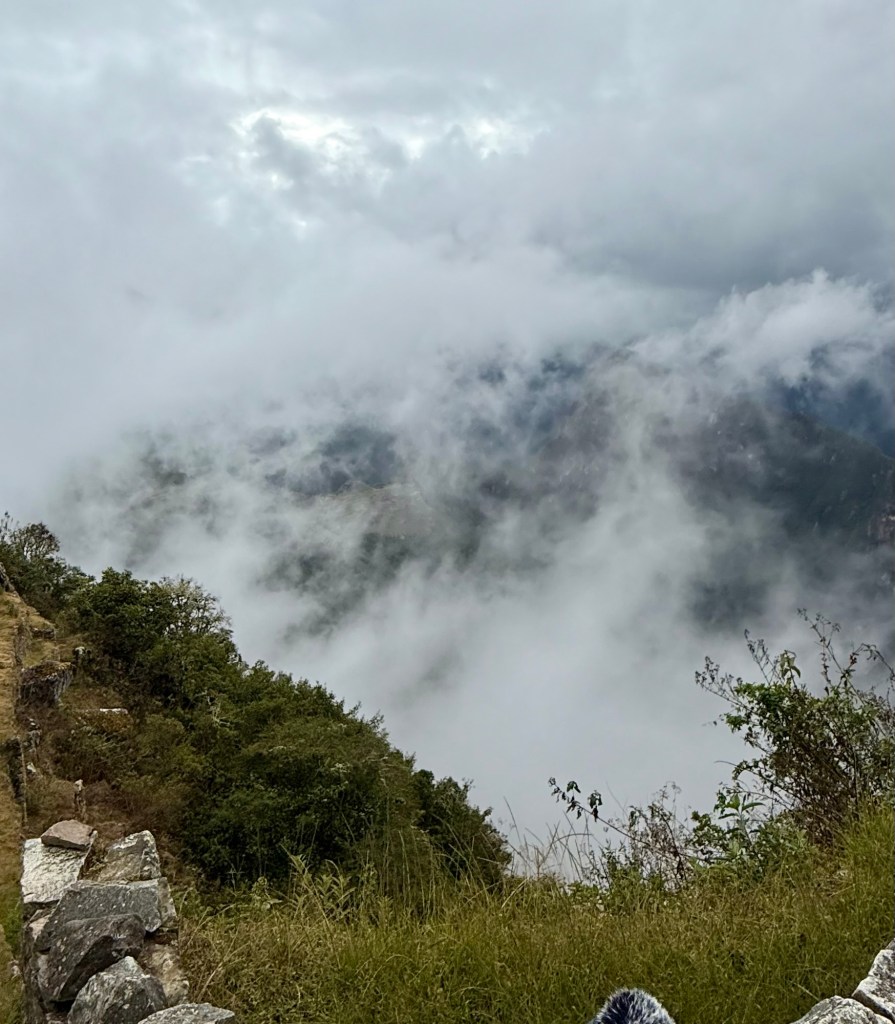
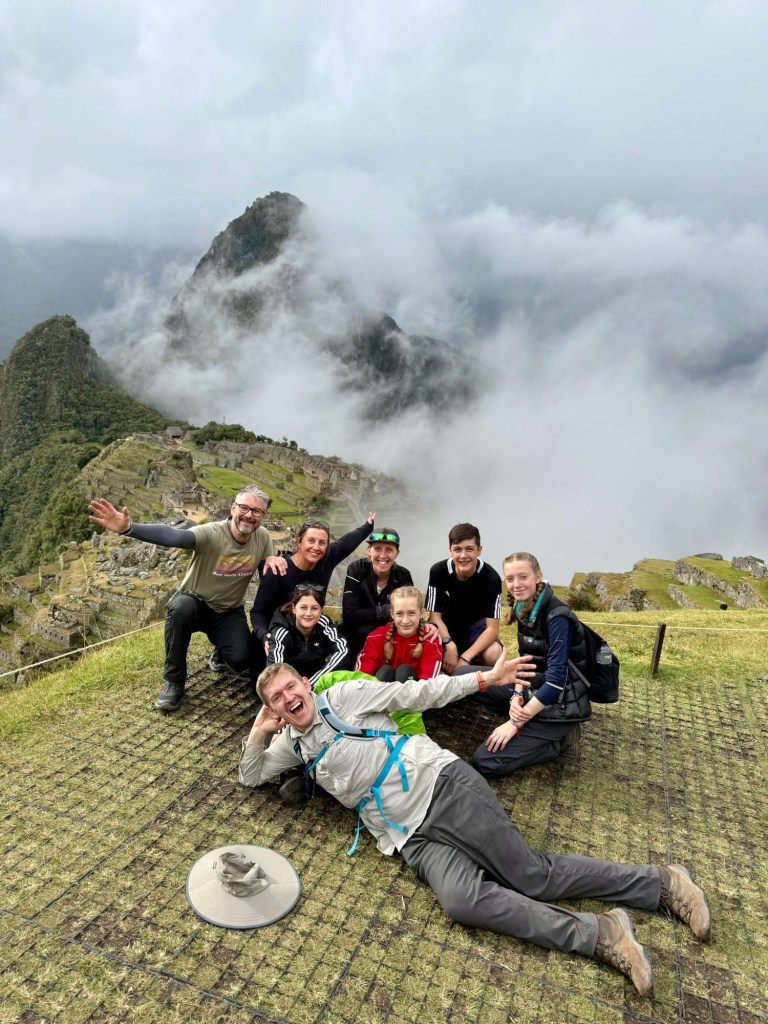
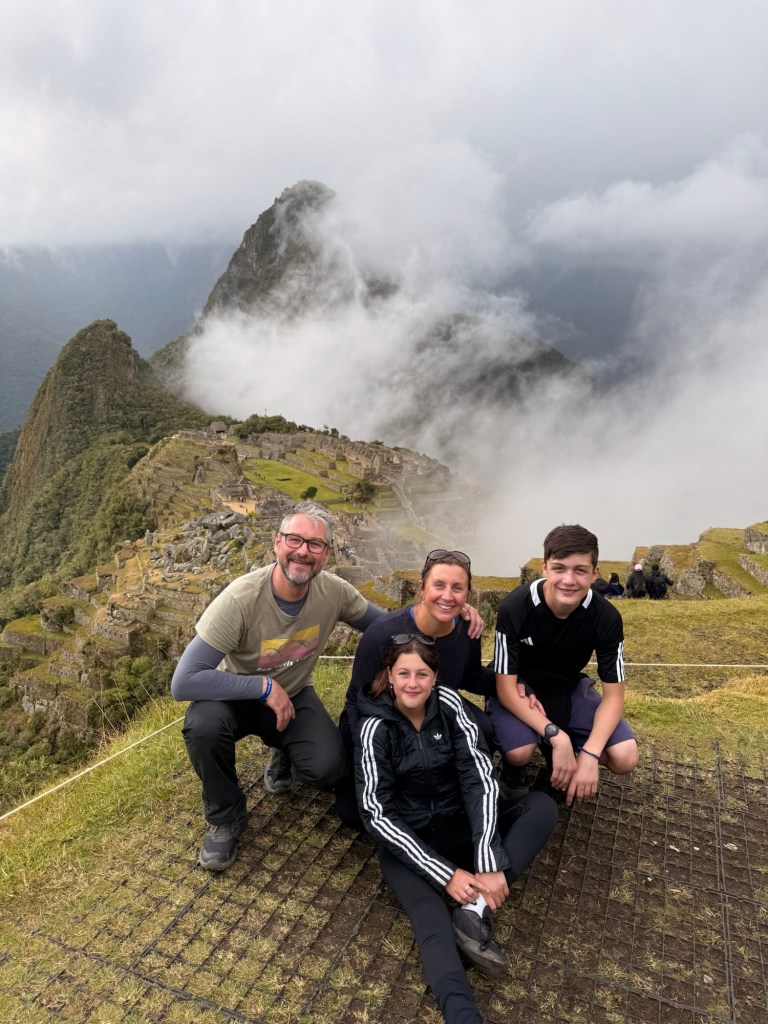
The clouds!! Elijah was first through the gate, and he got a beautiful first view, but the rest of us arrived to clouds. Thankfully, with a little patience, accompanied by some snacks, we were rewarded.
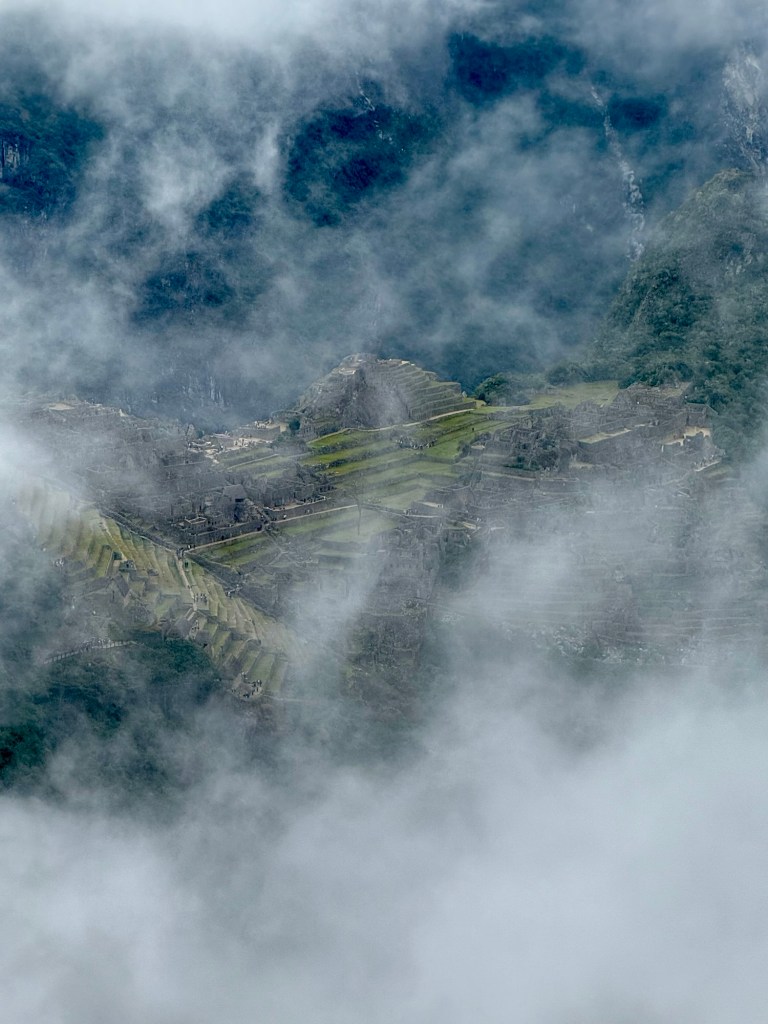
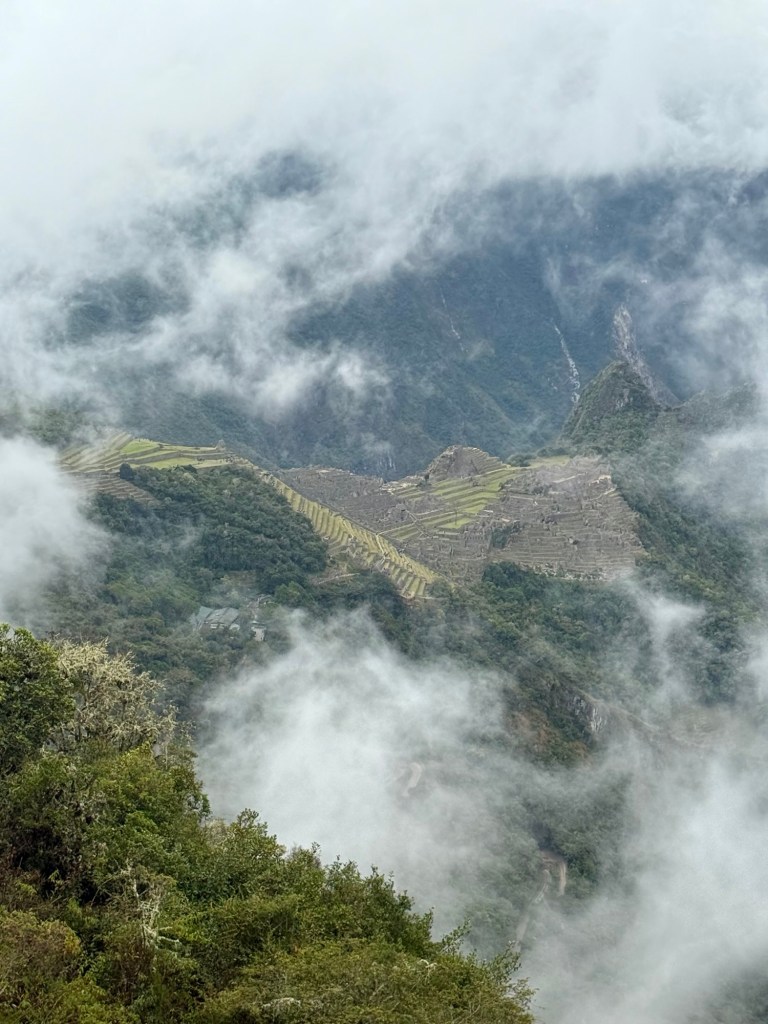
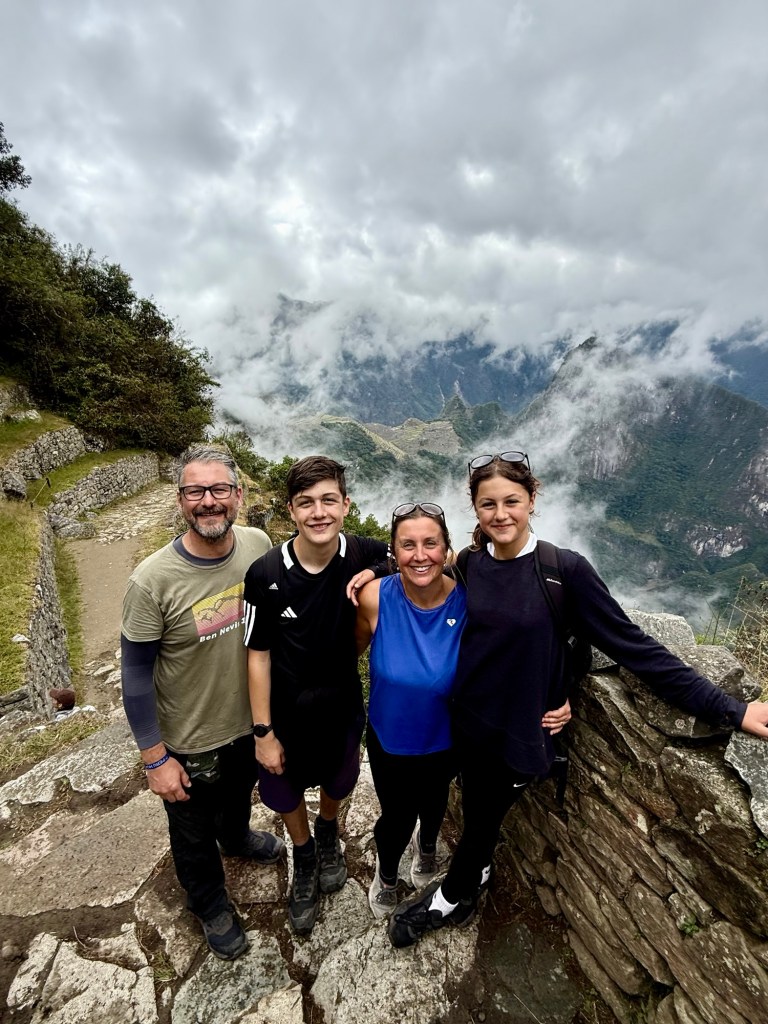
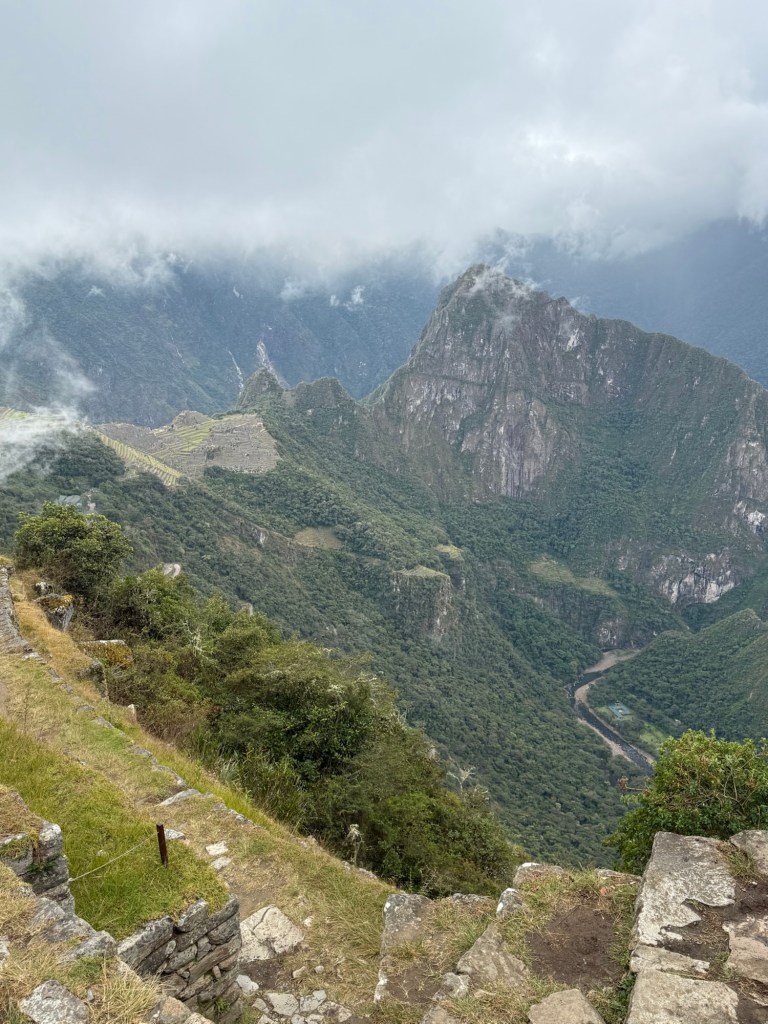
After all the hard work, especially with two poorly members of the party, it was so special.

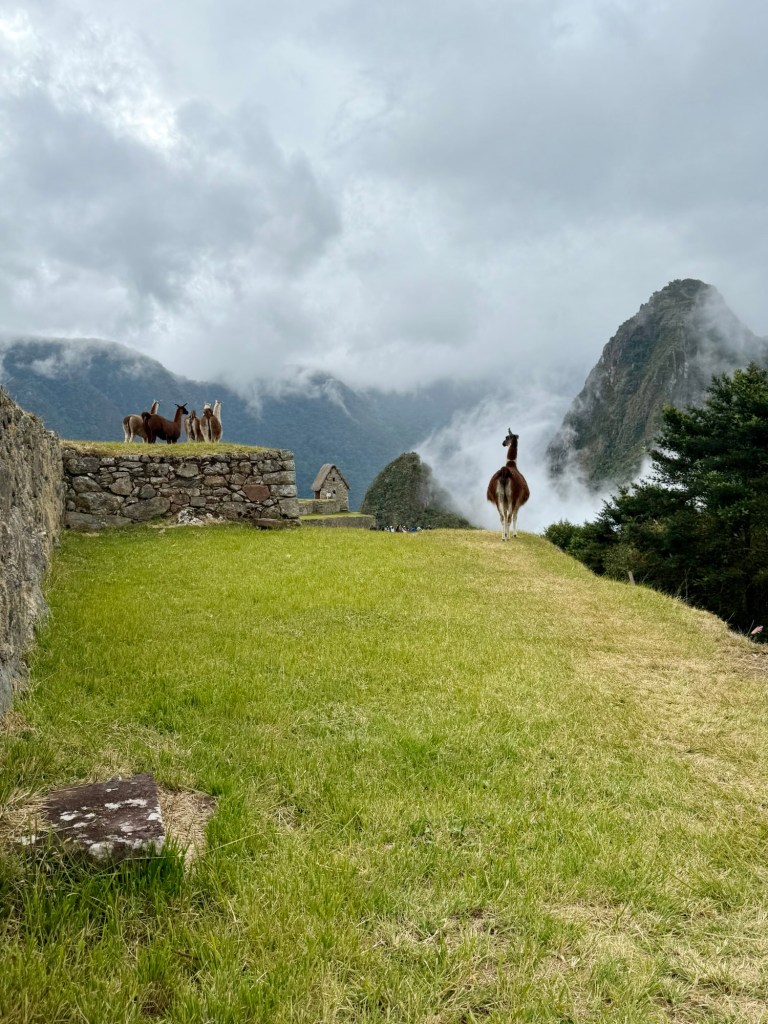
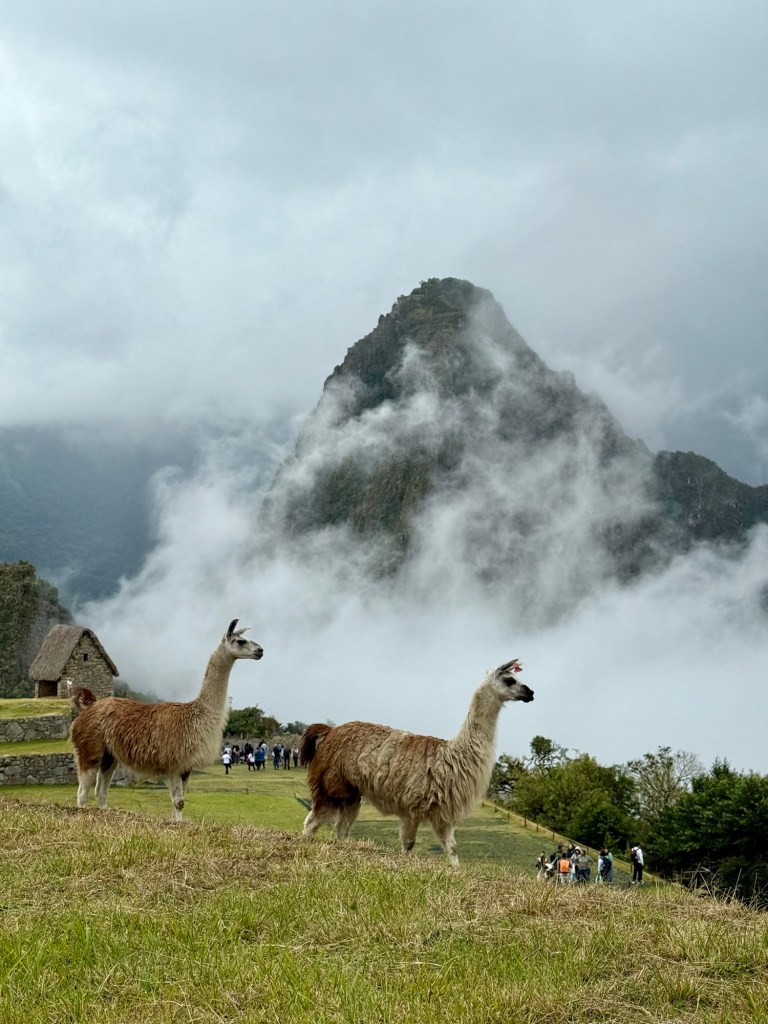
From the Sun Gate, we continued hiking along until we arrived at Machu Picchu itself, what an incredible place! We will learn more about it tomorrow when we return to walk amongst the ruins themselves… but for today, we’re pretty proud of ourselves!
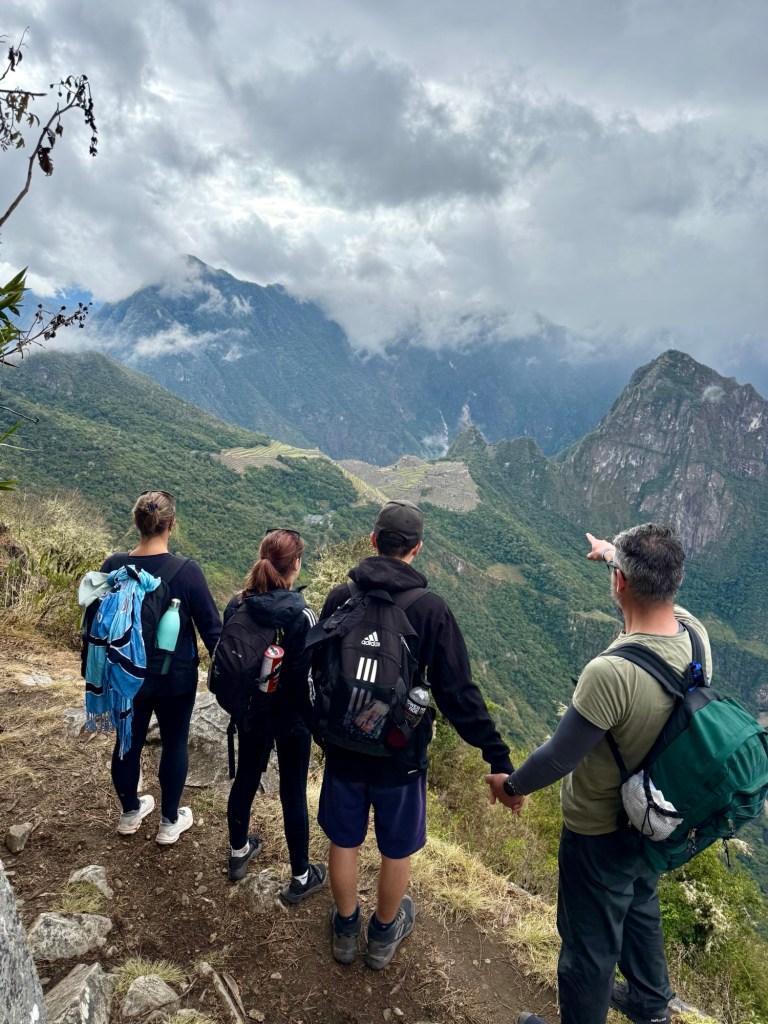
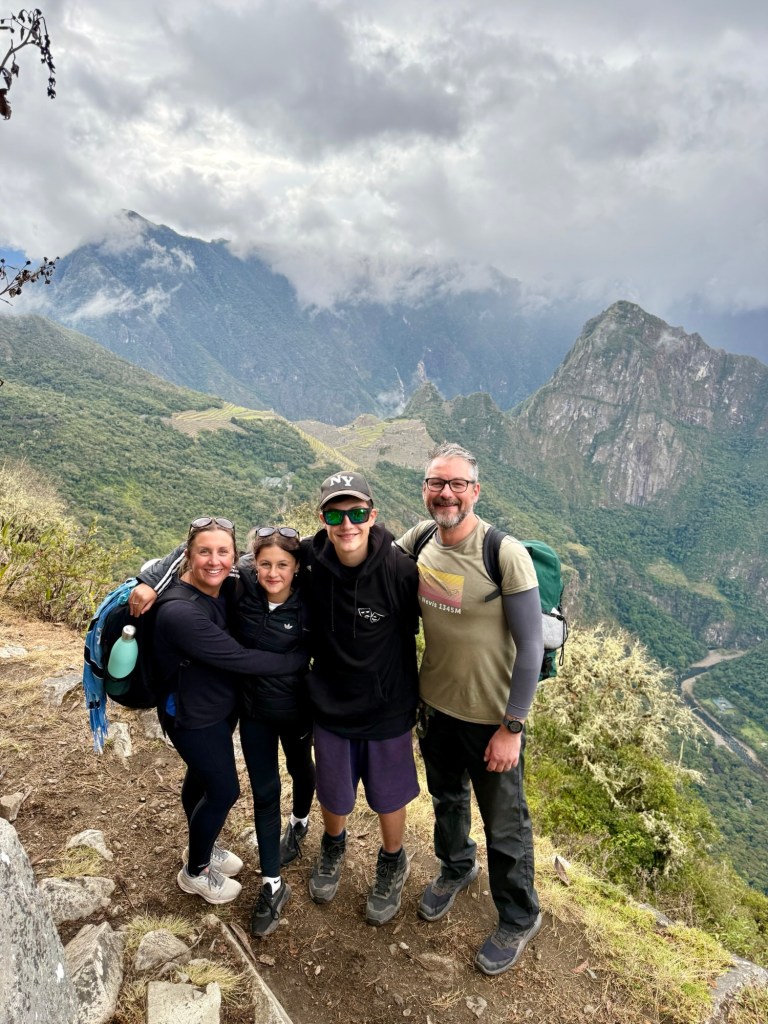
I think we walked around 15km in total, but if you like altitude/pace stats… here’s Martin’s Strava recording of the main hike!


A quick walk down, found us on a bus heading to Aguas Calientes – a town along the Urubamba River, right at the bottom of Machu Picchu mountain.

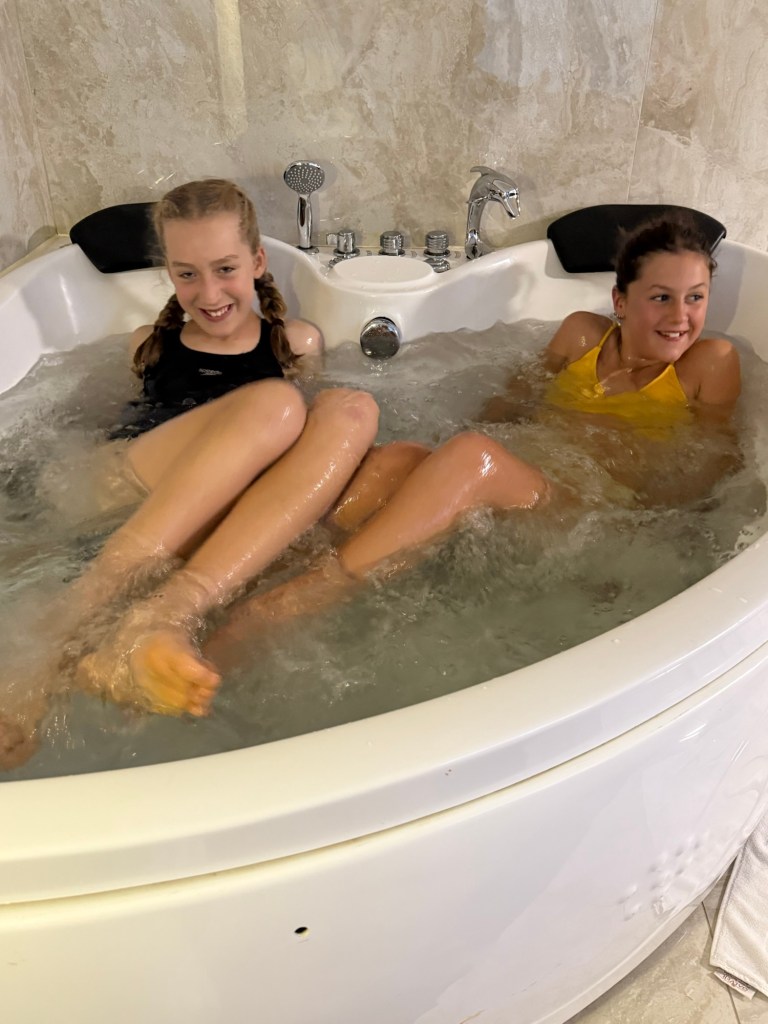
We checked in to our hotel, really appreciated being able to take off our backpacks and get showered. Some even enjoyed the jacuzzi bath in Martin and Kate’s upgraded suite! Then we headed out into the town for dinner with Raul – trying more ceviche and roasted alpaca!
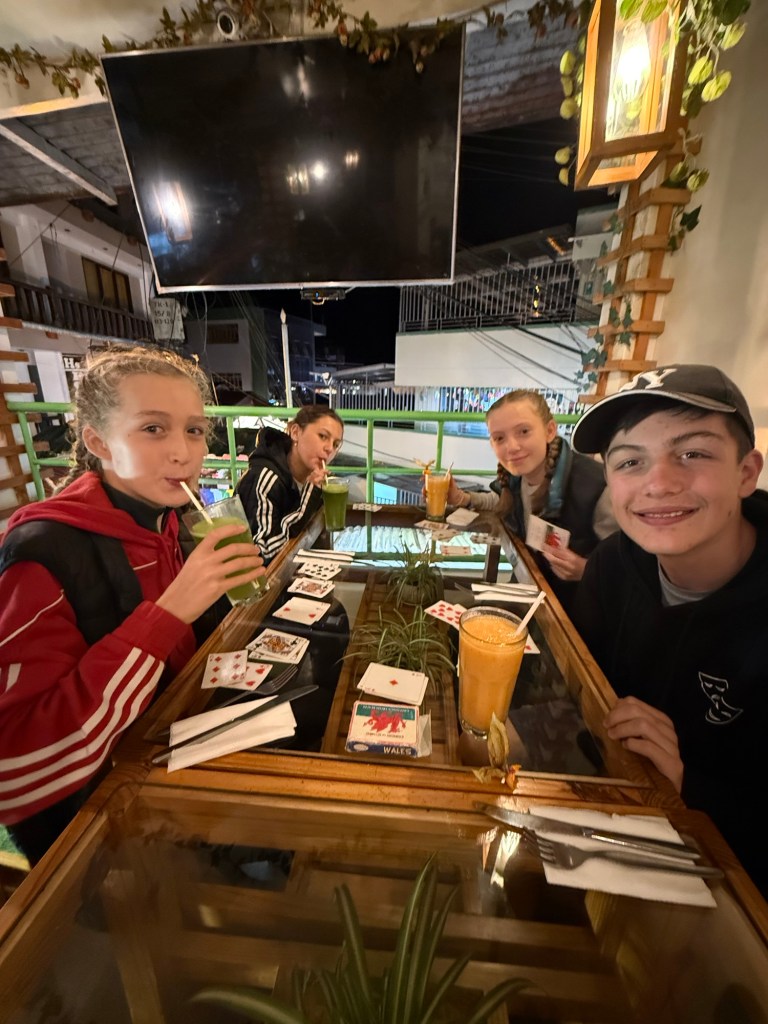
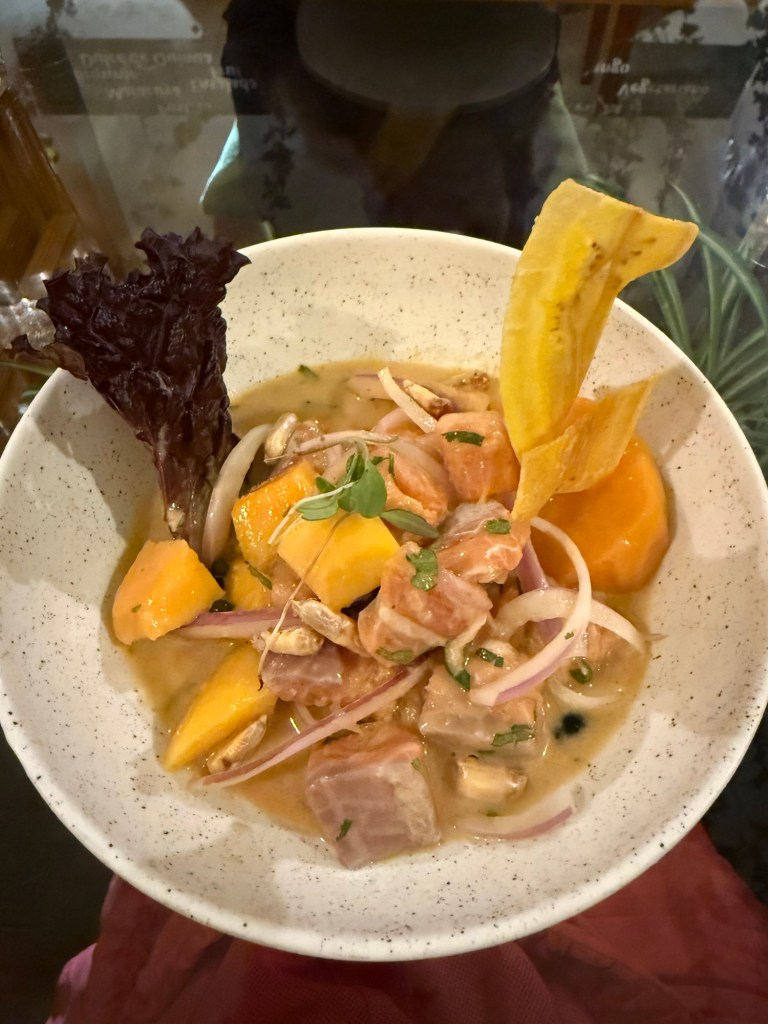
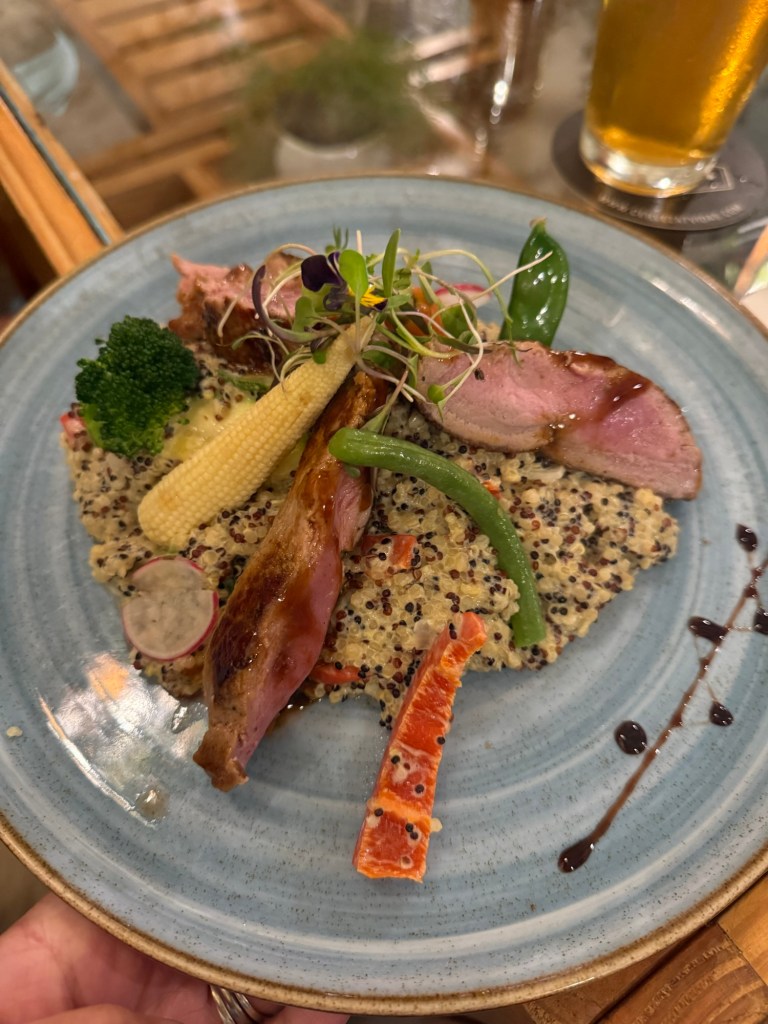
A very special day indeed.
The Sacred Valley of the Incas


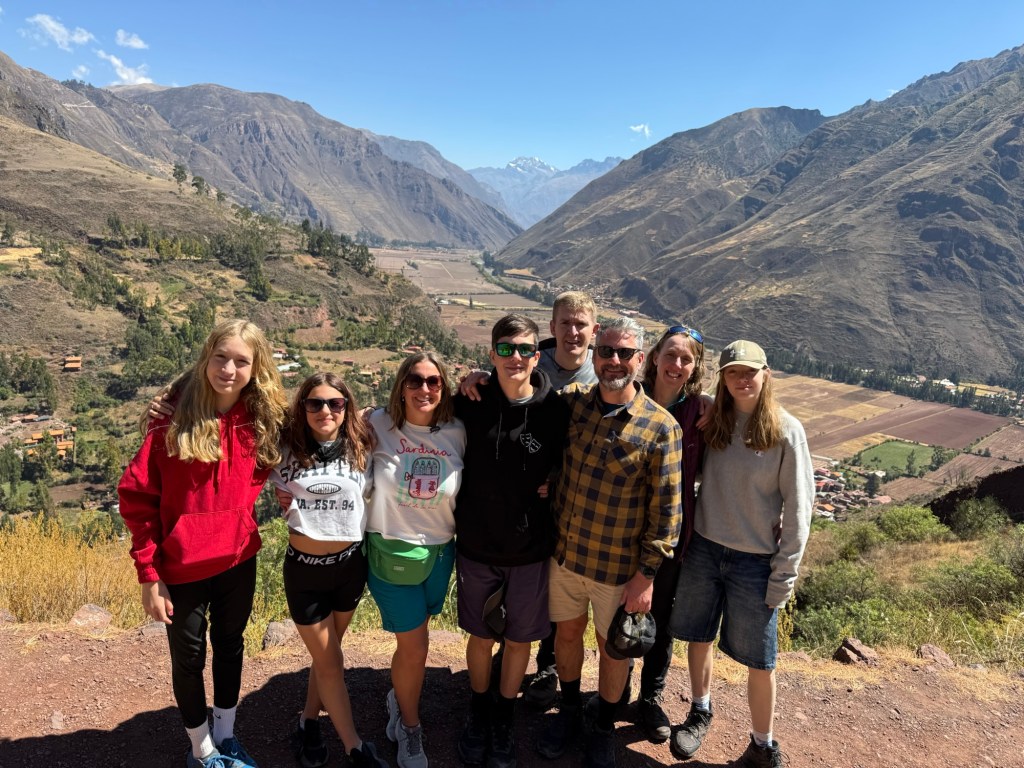
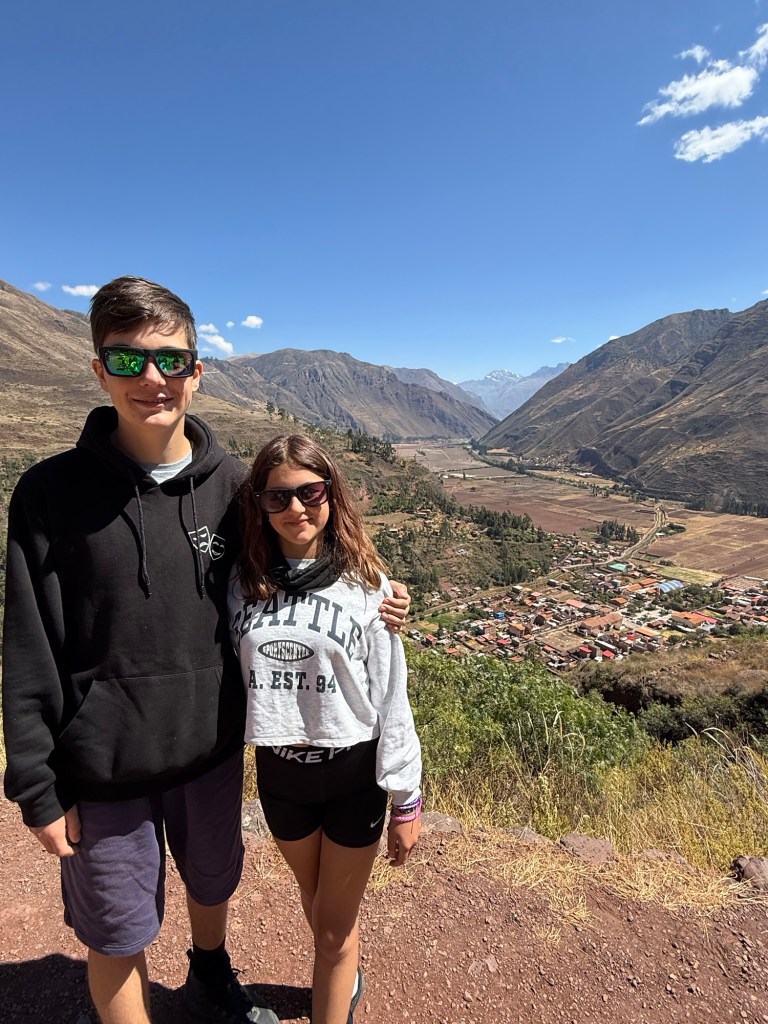
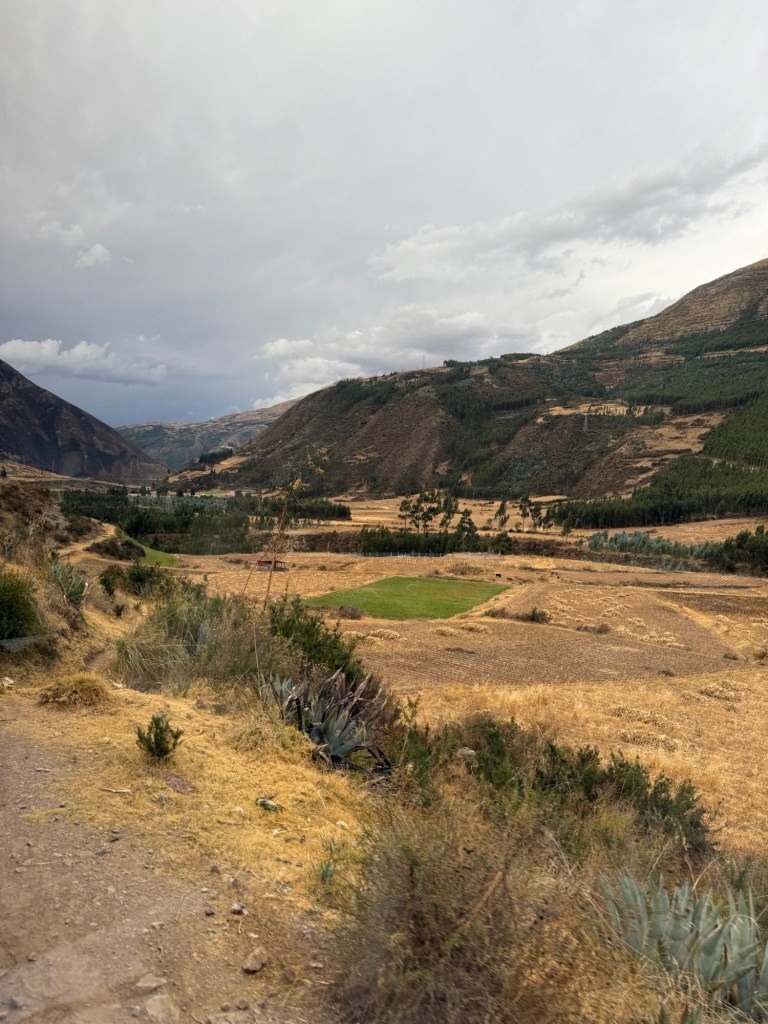
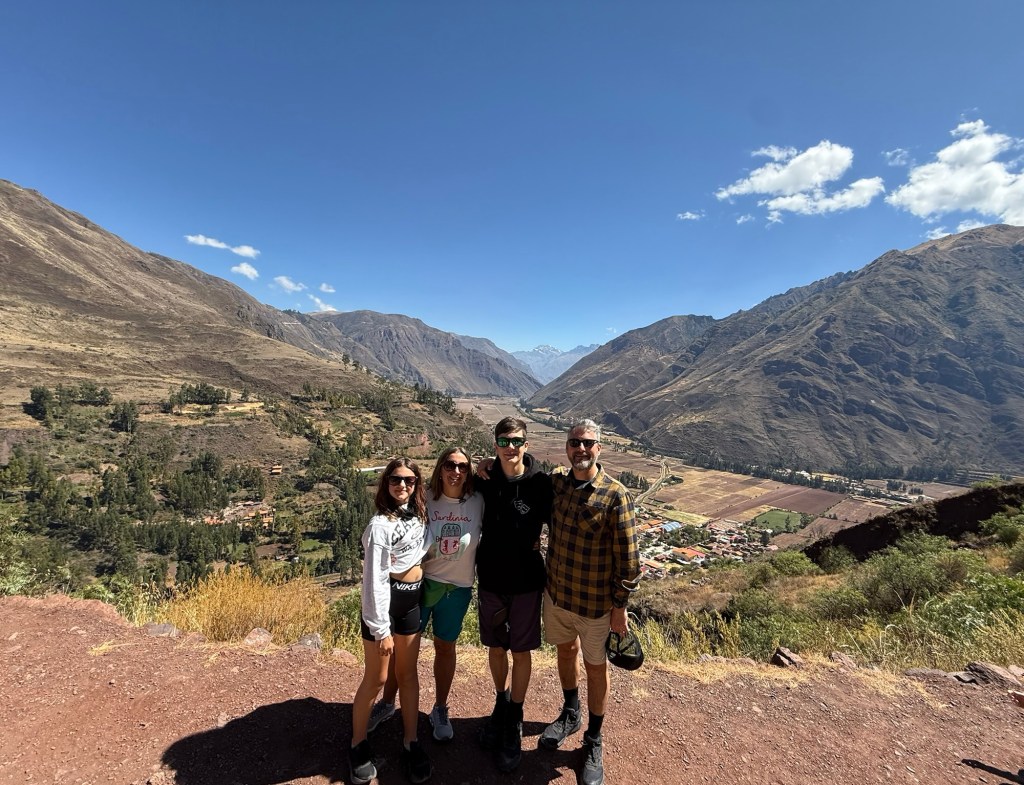
Following our llama cuddles, we were back on the road heading to the Sacred Valley. This beautiful spot along the way was perfect for a photo.


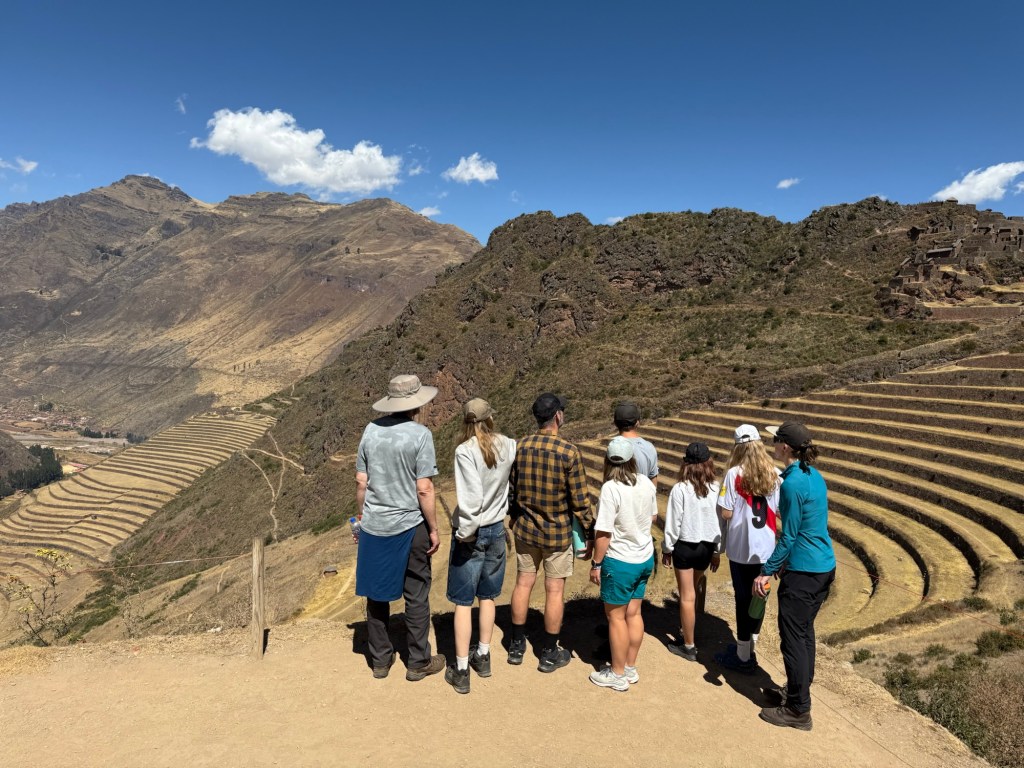
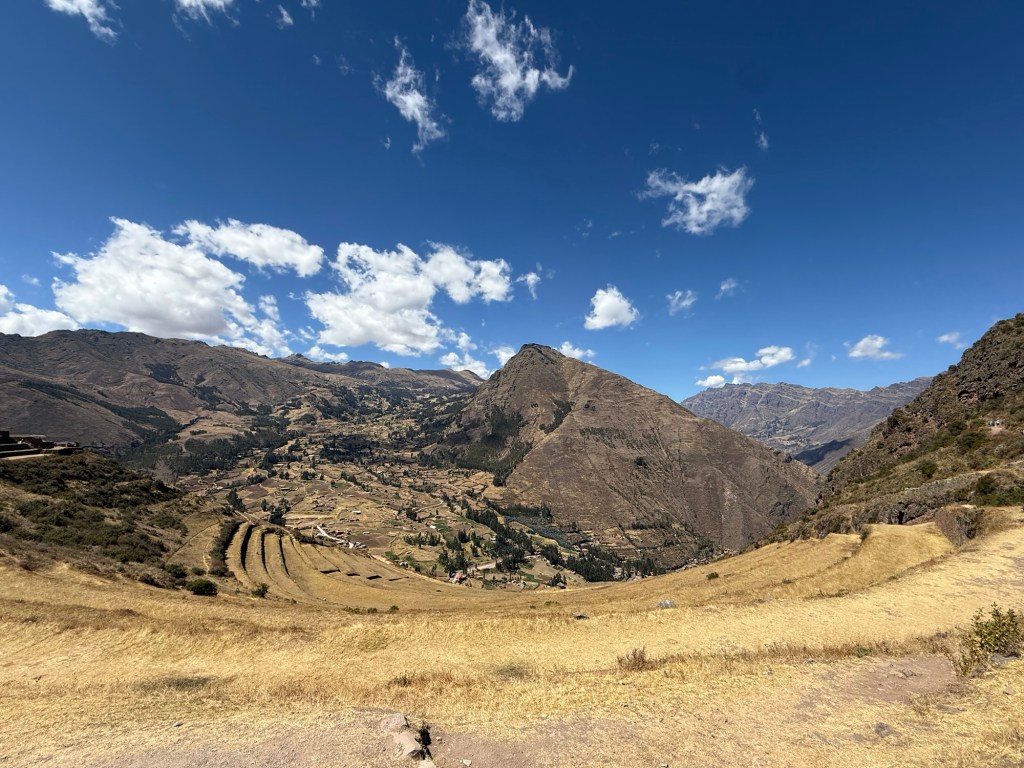
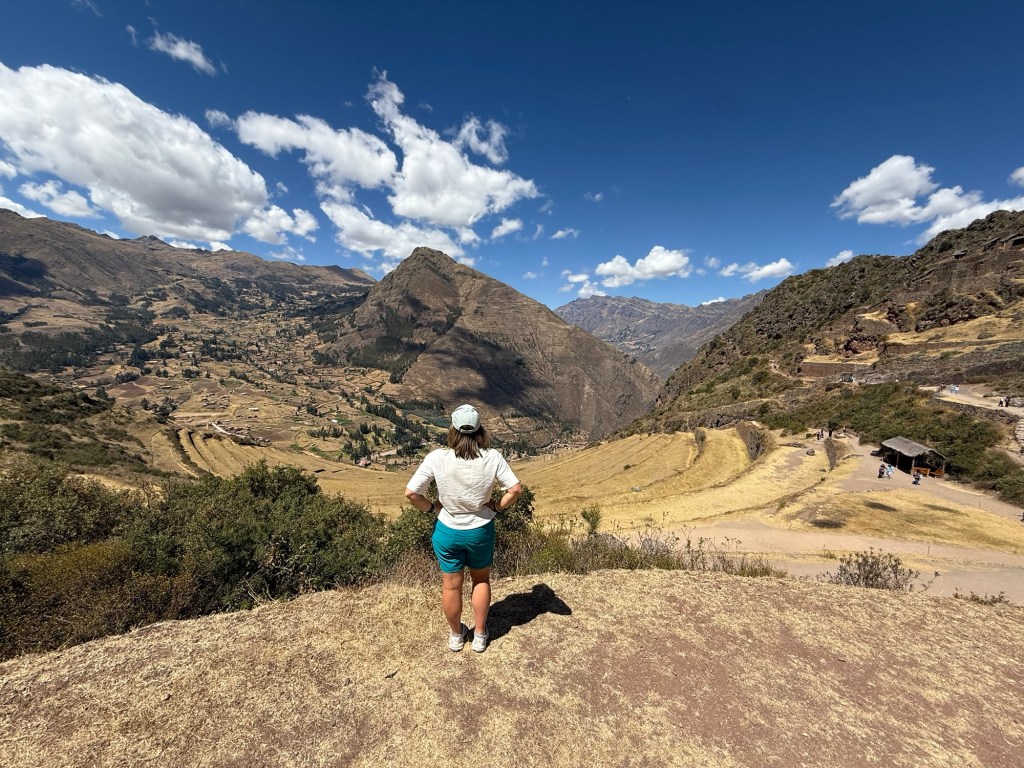
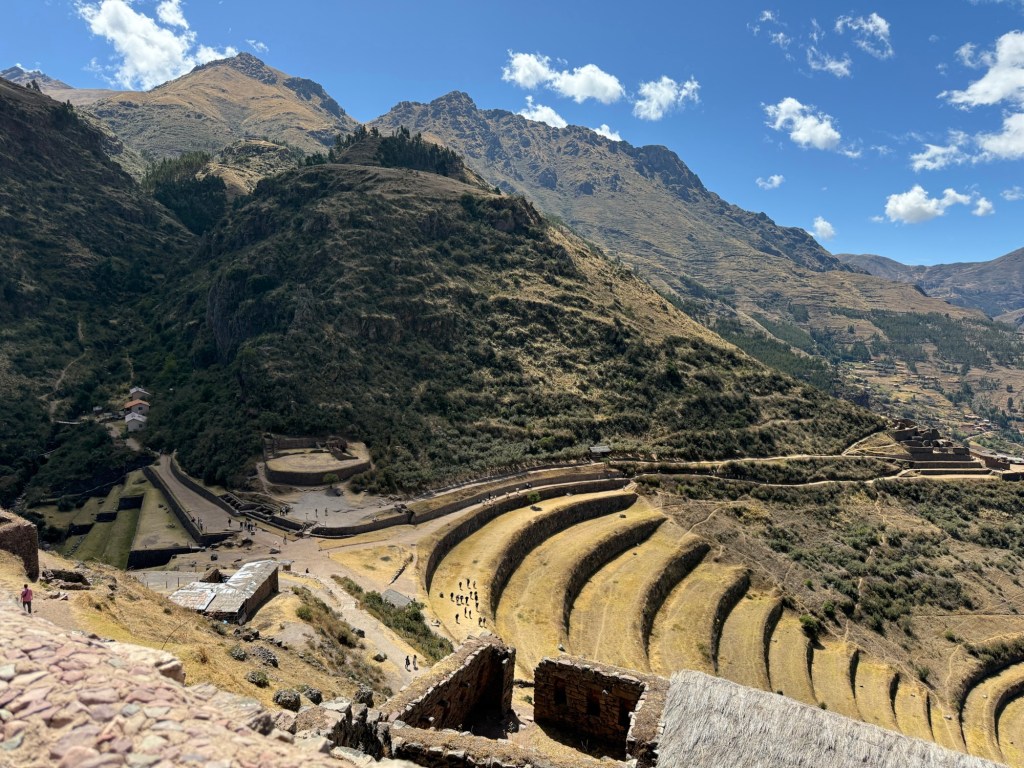
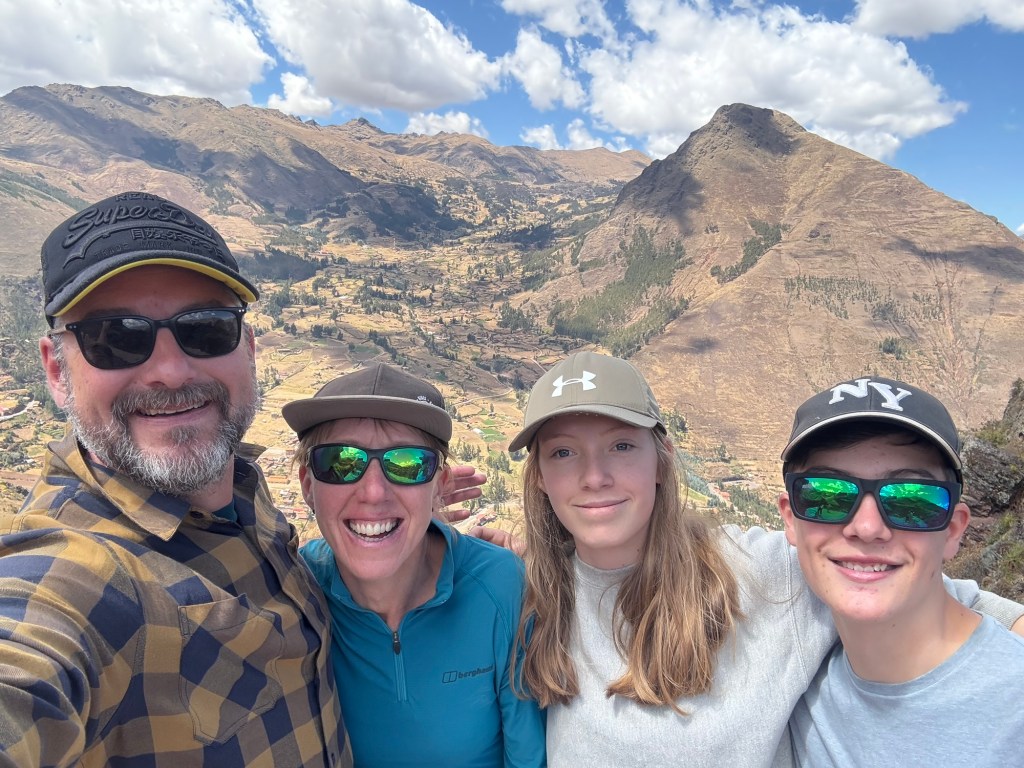
Not long after (although too long for anyone feeling carsick – it was a very winding road!), we arrived at Pisac (Pisaq): a little town in the Sacred Valley region. Here we were going to explore some Incan ruins and learn more about their way of life.


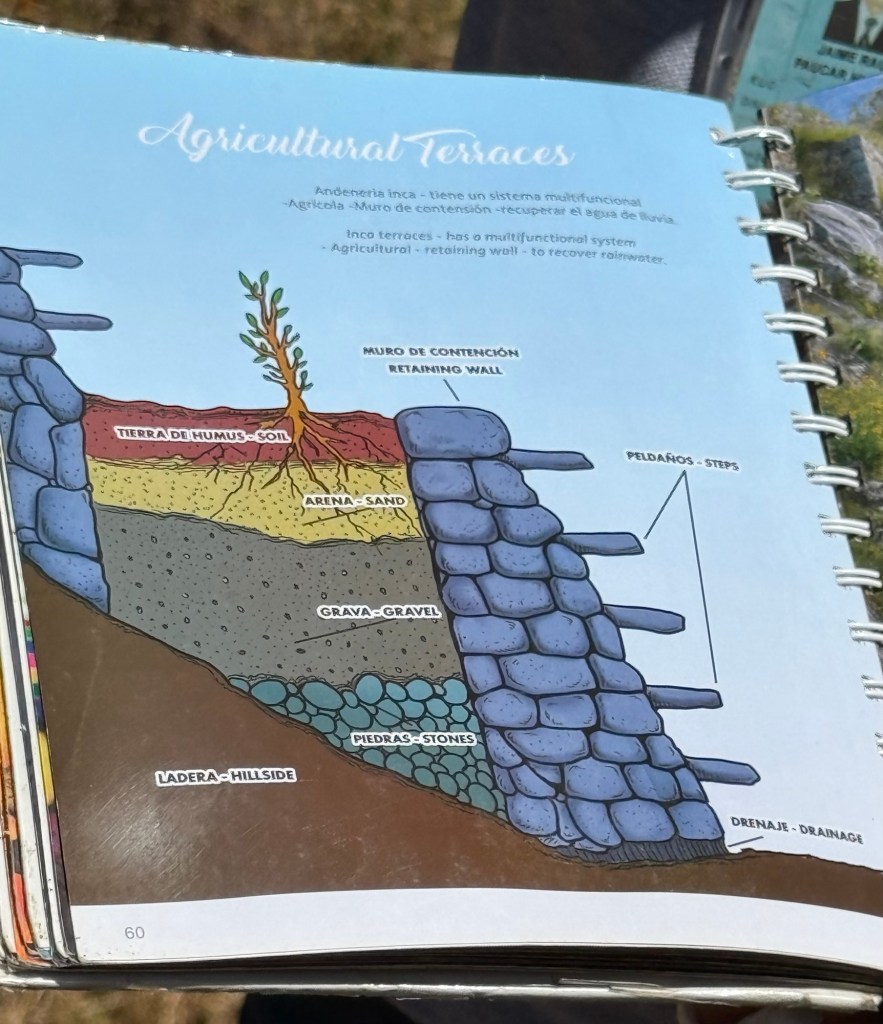
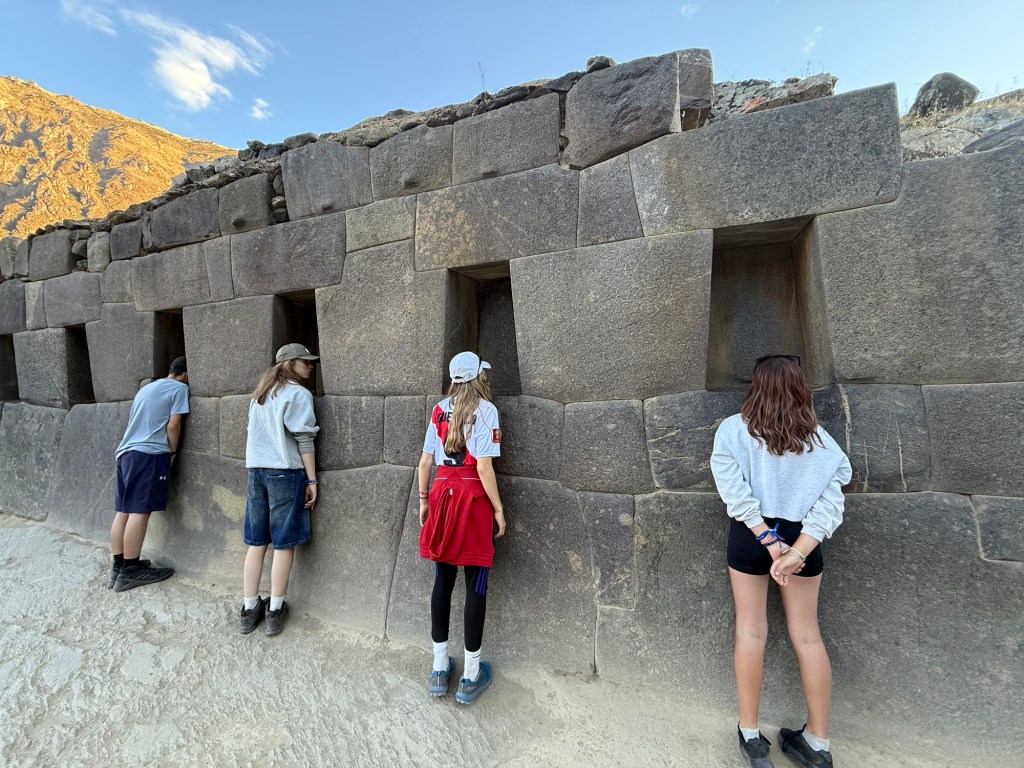
What a fascinating civilisation the Incas were – we loved learning more about them and soaking up the views of the ruins and the valley. So much of their building construction seems impossibly complex & modern given the tools they had access to. Much remains a mystery as to how they actually constructed the temples and agricultural terraces.

Martin, Donna, Alys and Elijah were the only ones feeling well enough to continue walking higher to the ruins at the top… they really enjoyed seeing the area from a different viewpoint (and enjoyed even more their competitive run to the top!).


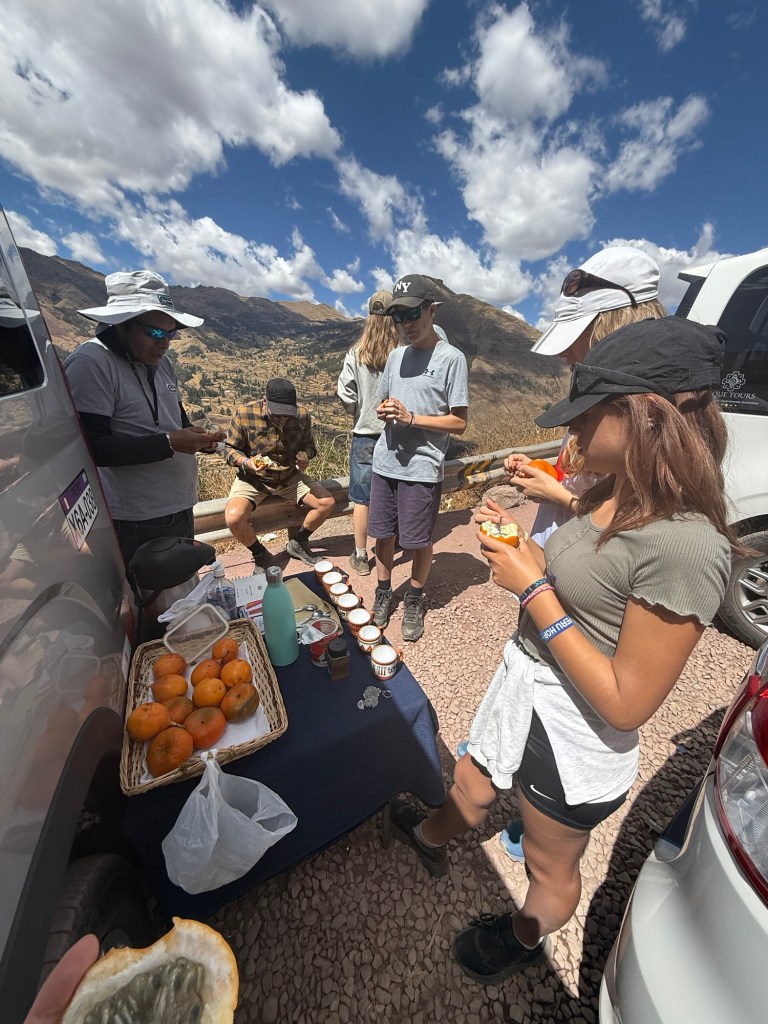
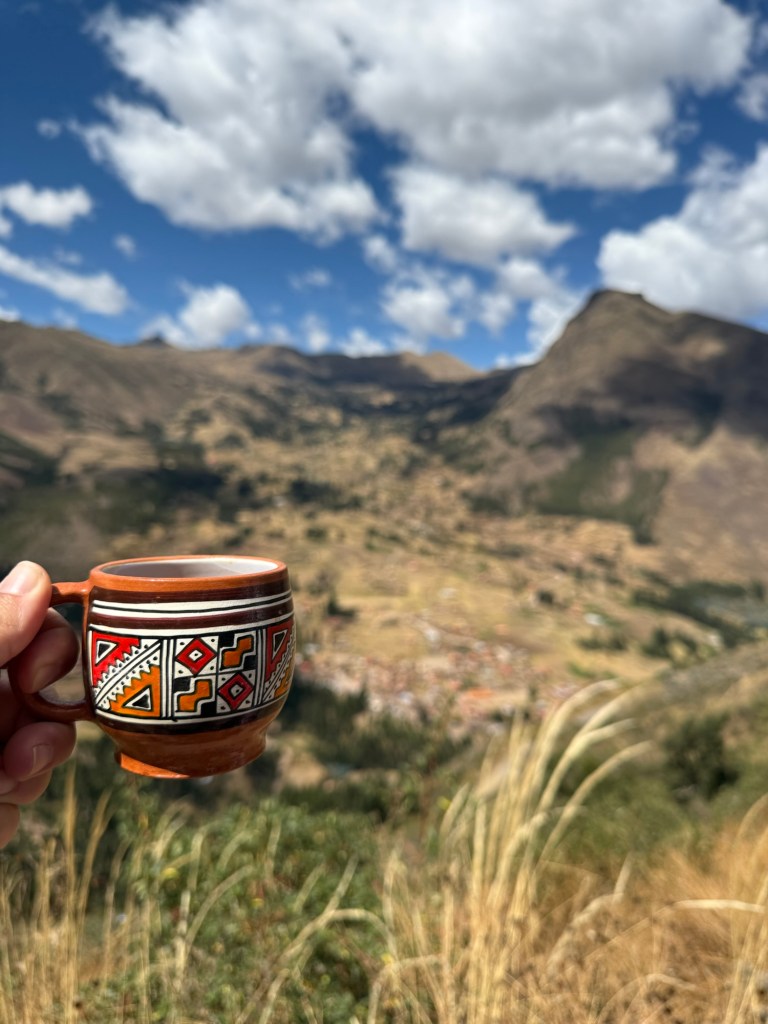
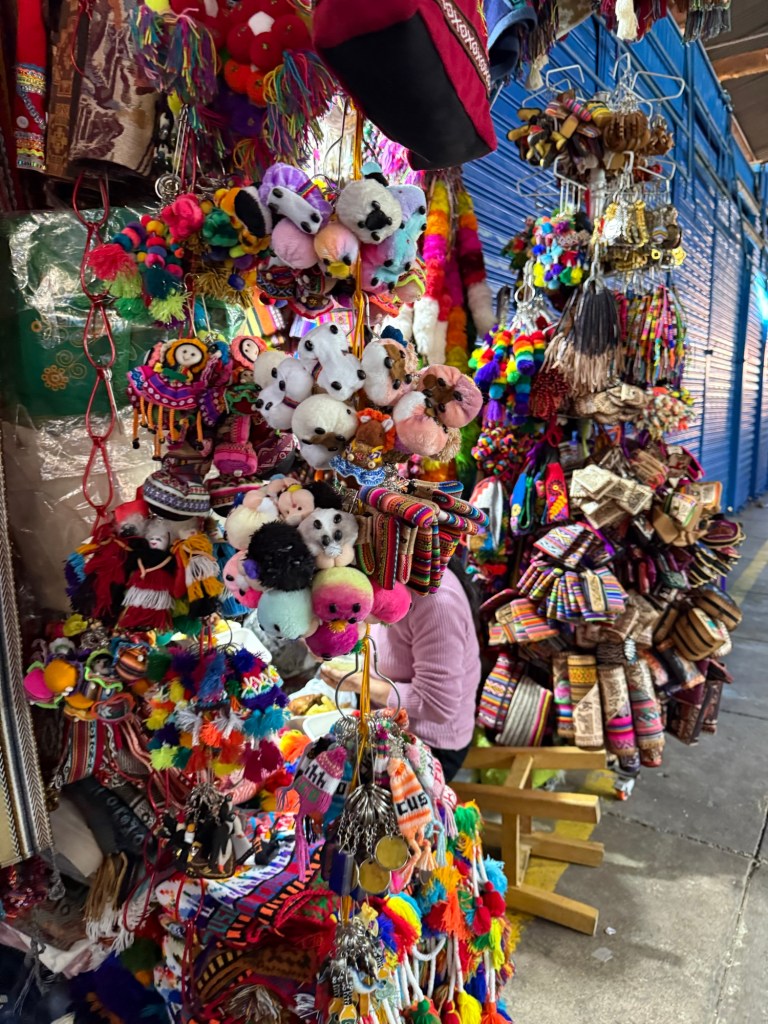
Once we were ready to move on (not before sampling some freshly squeezed orange juice and buying some souvenirs), we headed back down to the car park to find our minibus. To our delight, our driver had prepared road-side hot chocolates and fresh fruit to keep our energies up.

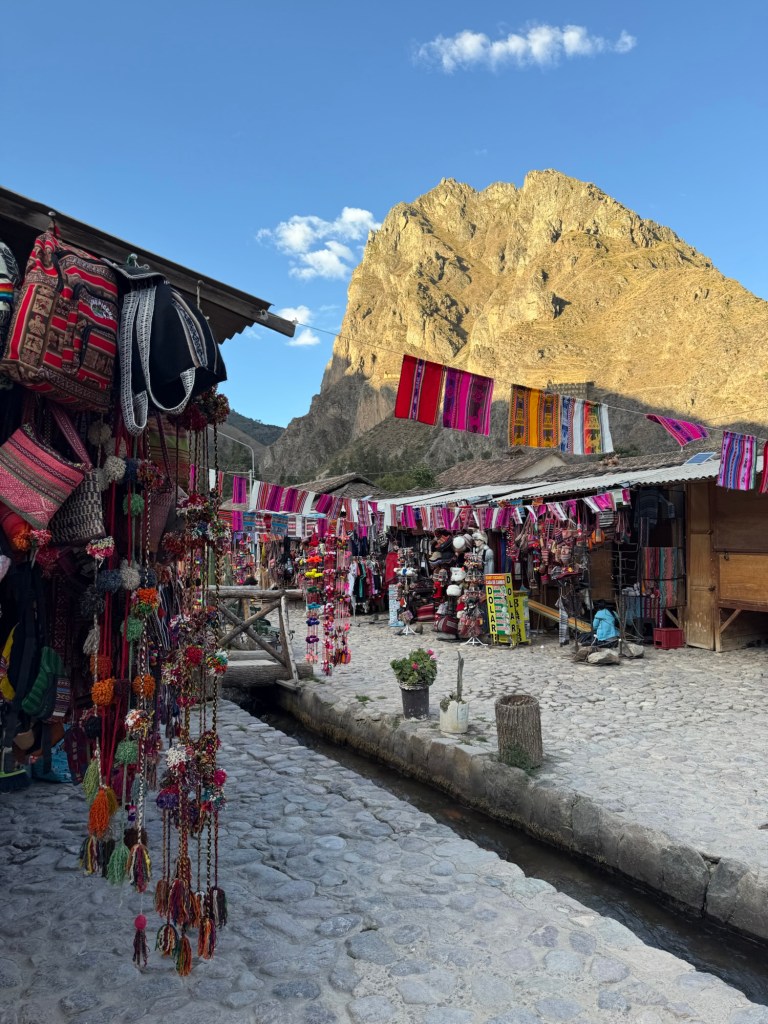
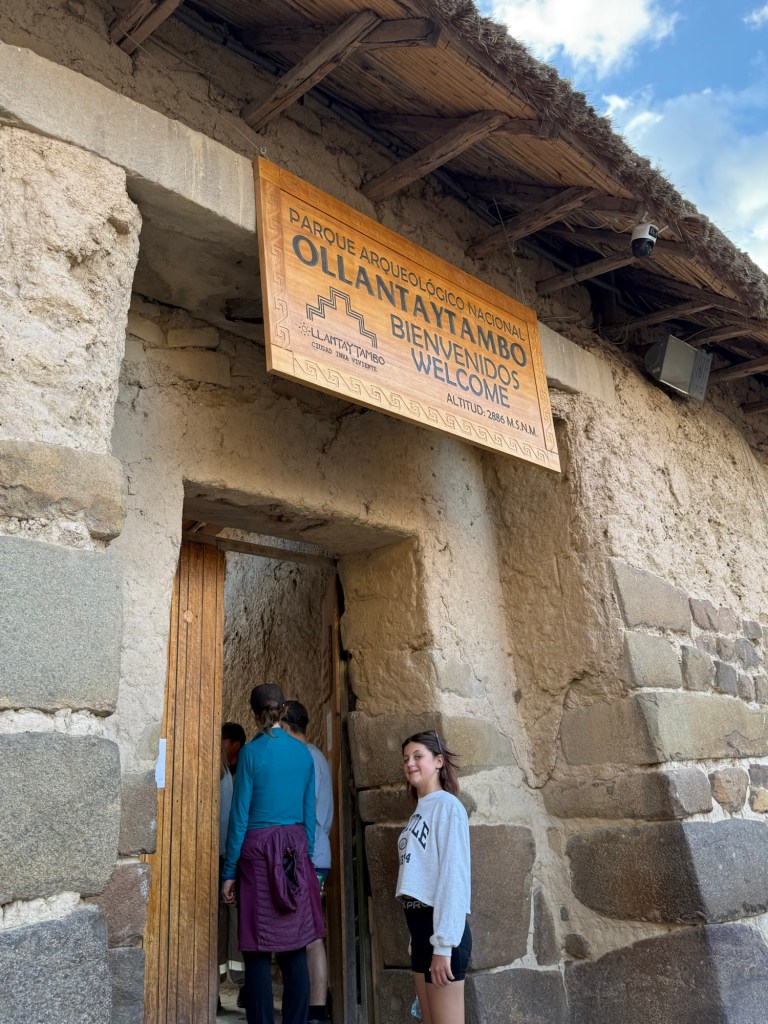
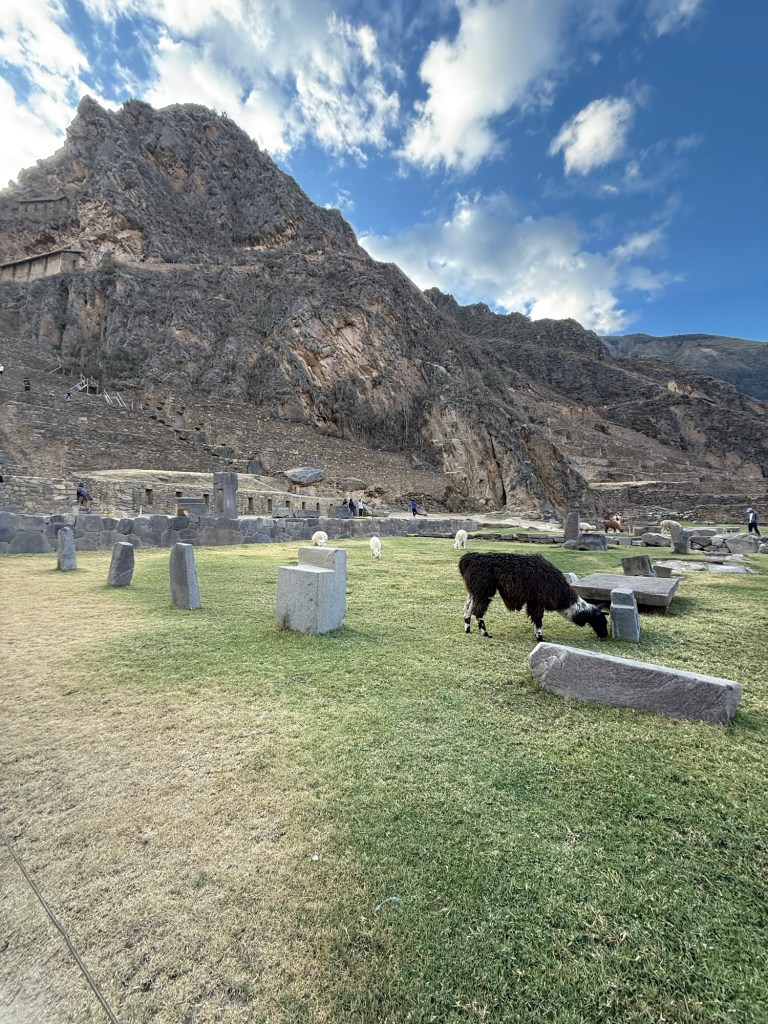
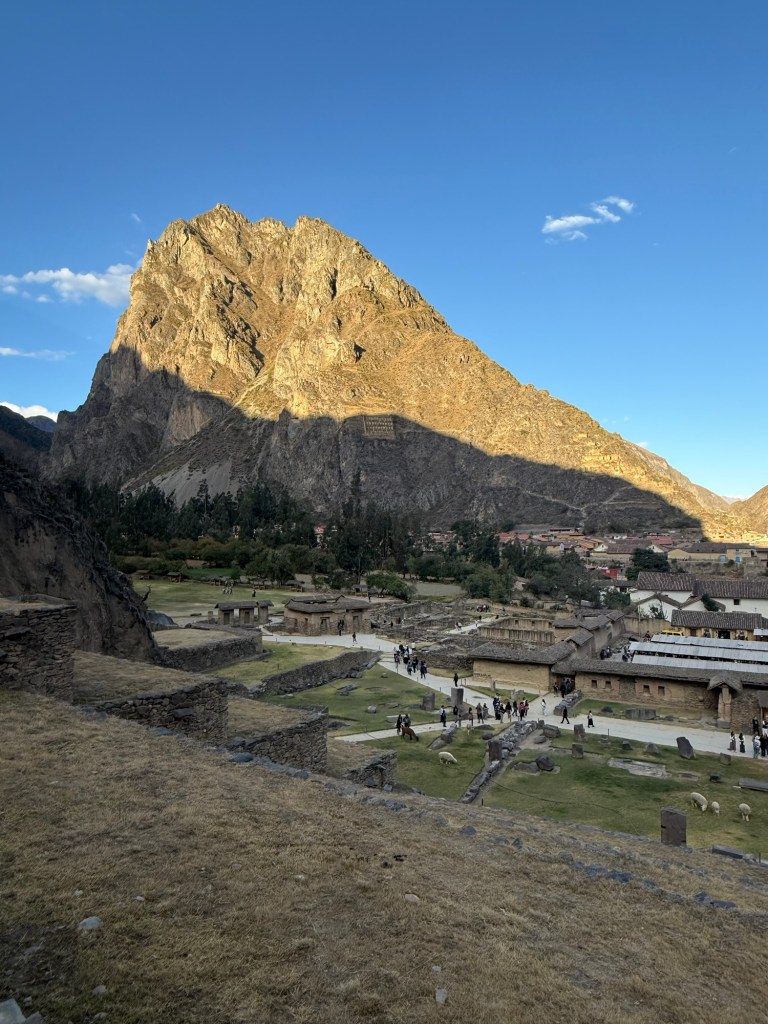
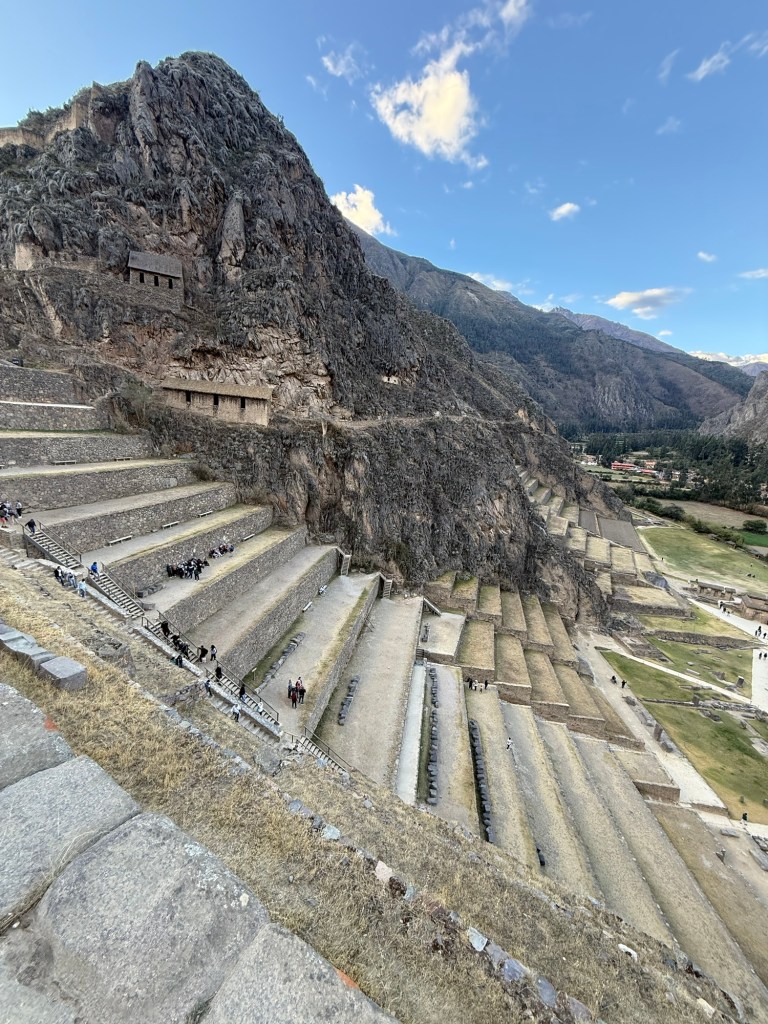
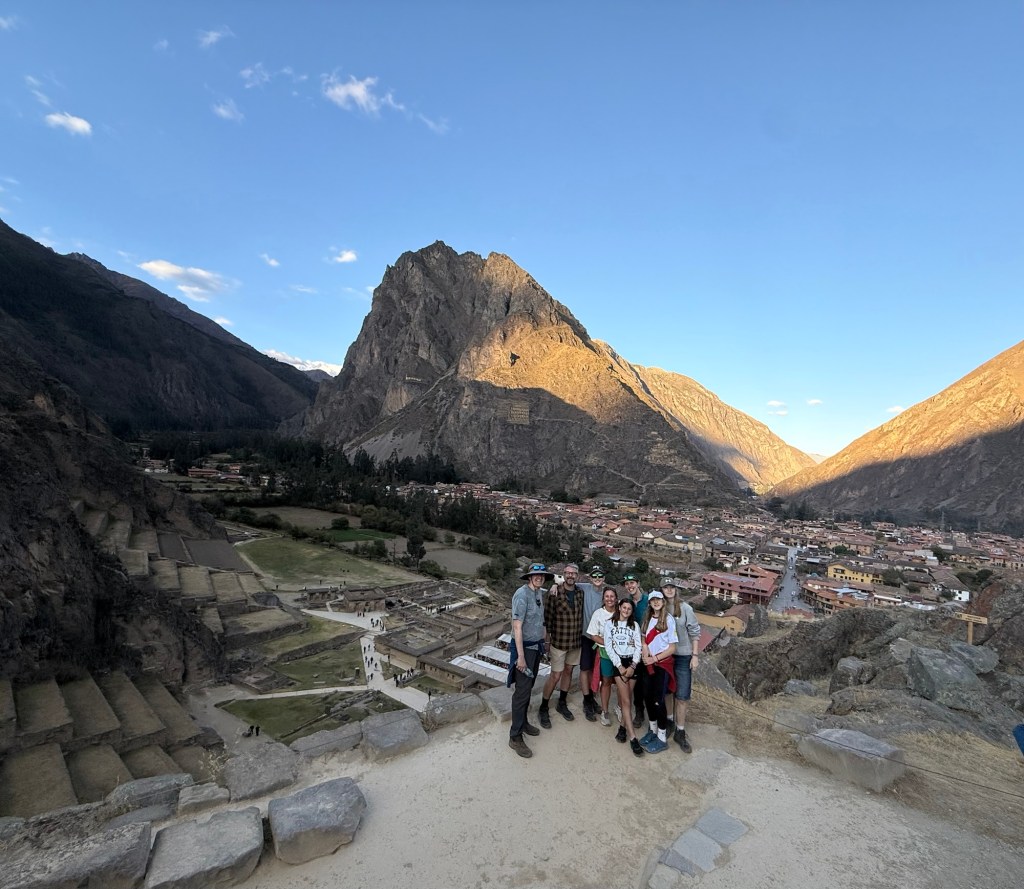
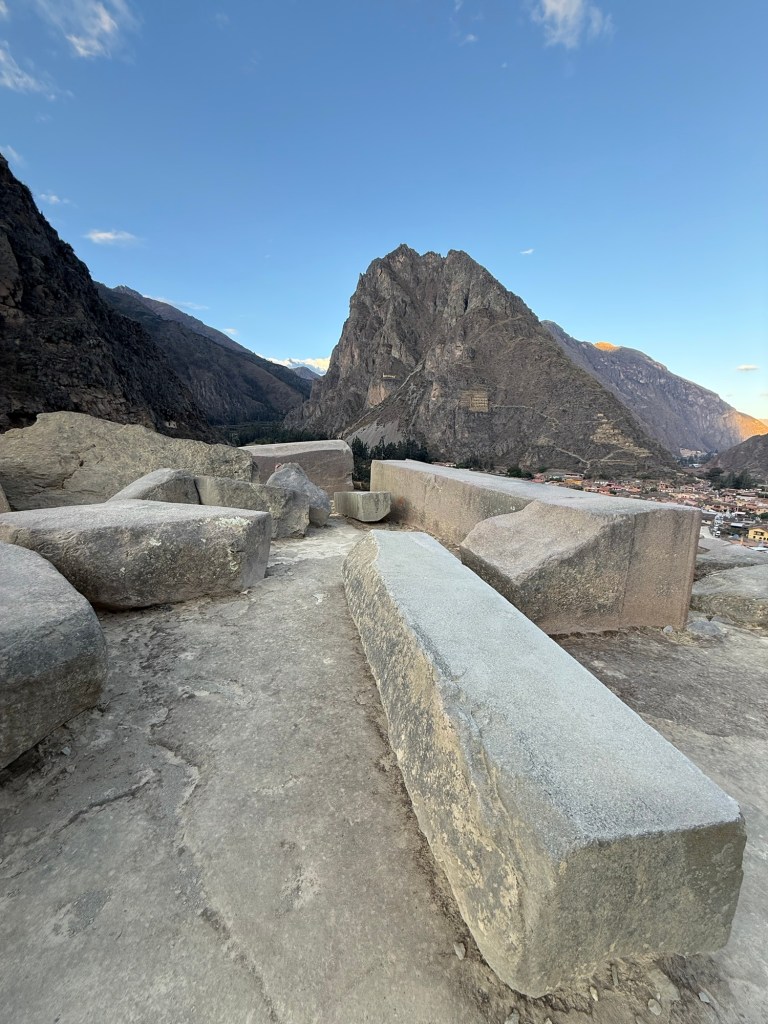
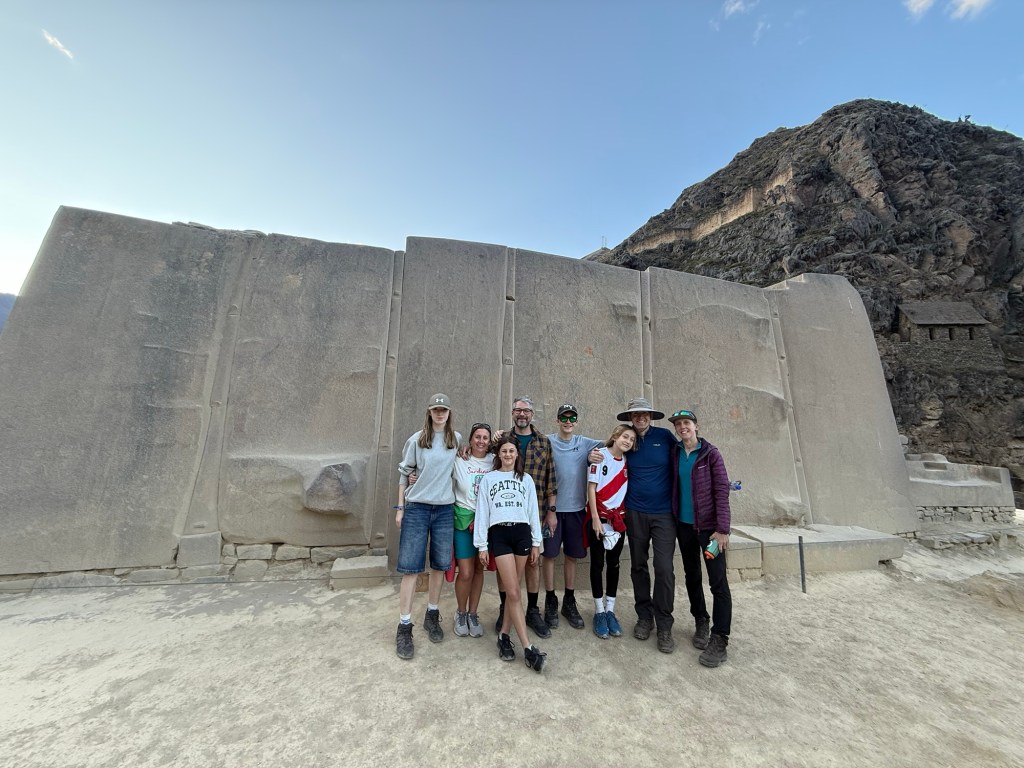
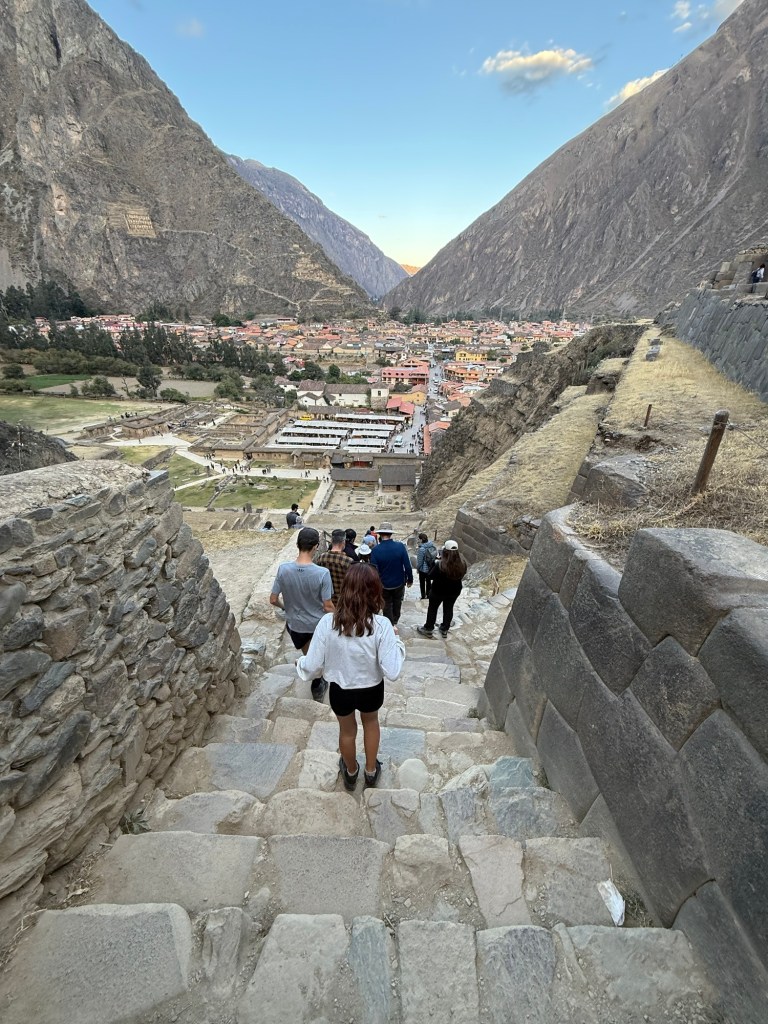
Soon after it was time to head to Ollantaytambo – a town in the Sacred Valley, right on the Urubamba River. It’s known for its massive Incan fortress with large stone terraces, set into the side of the mountain. It is also the starting point of the 4 day Inca trail – the last part of which we will be hiking tomorrow.

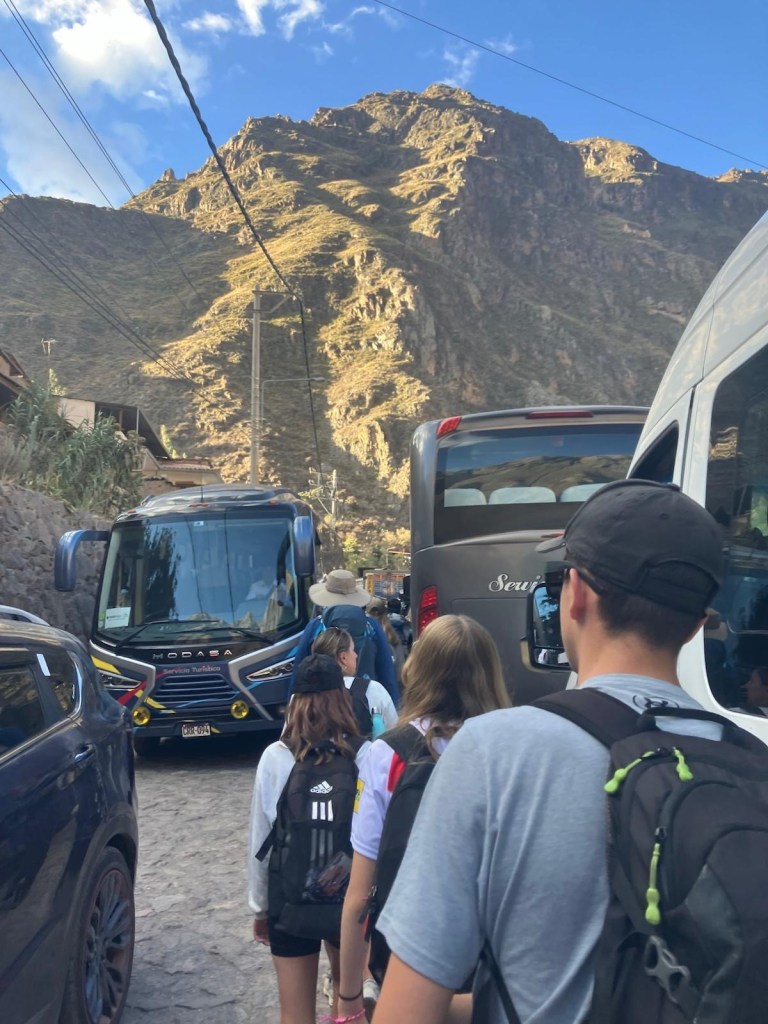
As we approached Ollantaytambo, we saw a massive queue of traffic, which we inevitably got stuck in! After a good 20 minutes waiting in our minibus, we all decided to get out and walk. According to Raul, this is a pretty common occurrence as there is only one road in and out of this famous village.


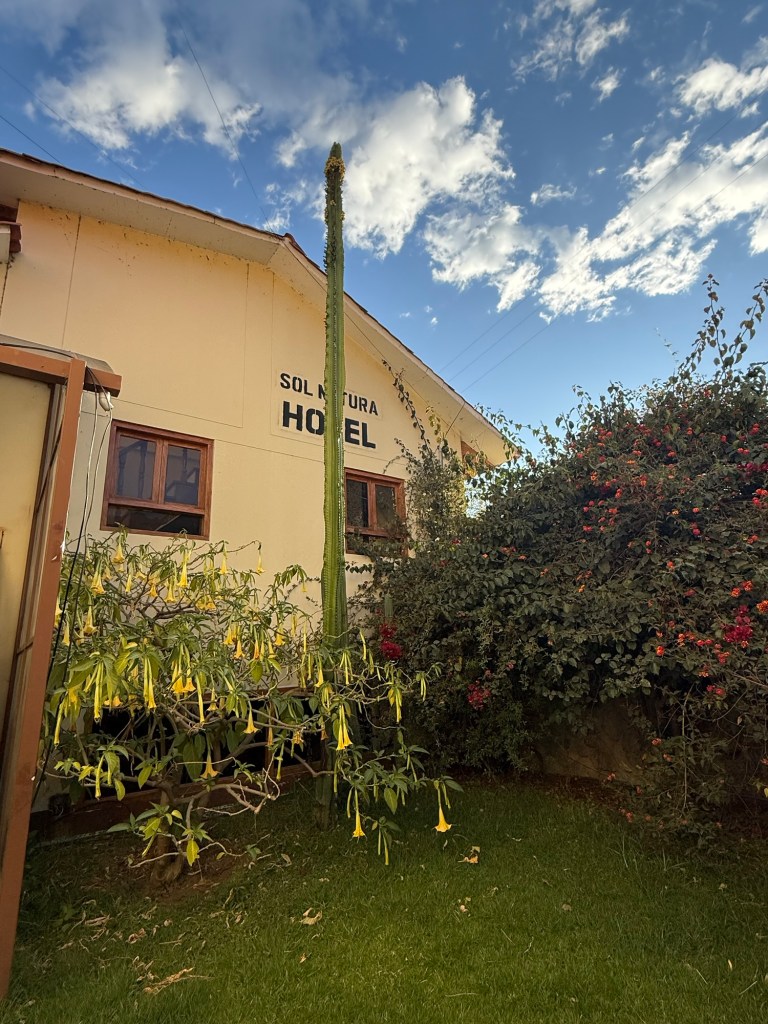
Hiking up the narrow street with cars, motorbikes, vans and buses either side of us was a new experience! Luckily Raul knew a shortcut, so we could avoid the vehicle fumes after a while. We popped to our hotel to drop our bags, and then rushed off to the archaeological site before it closed…


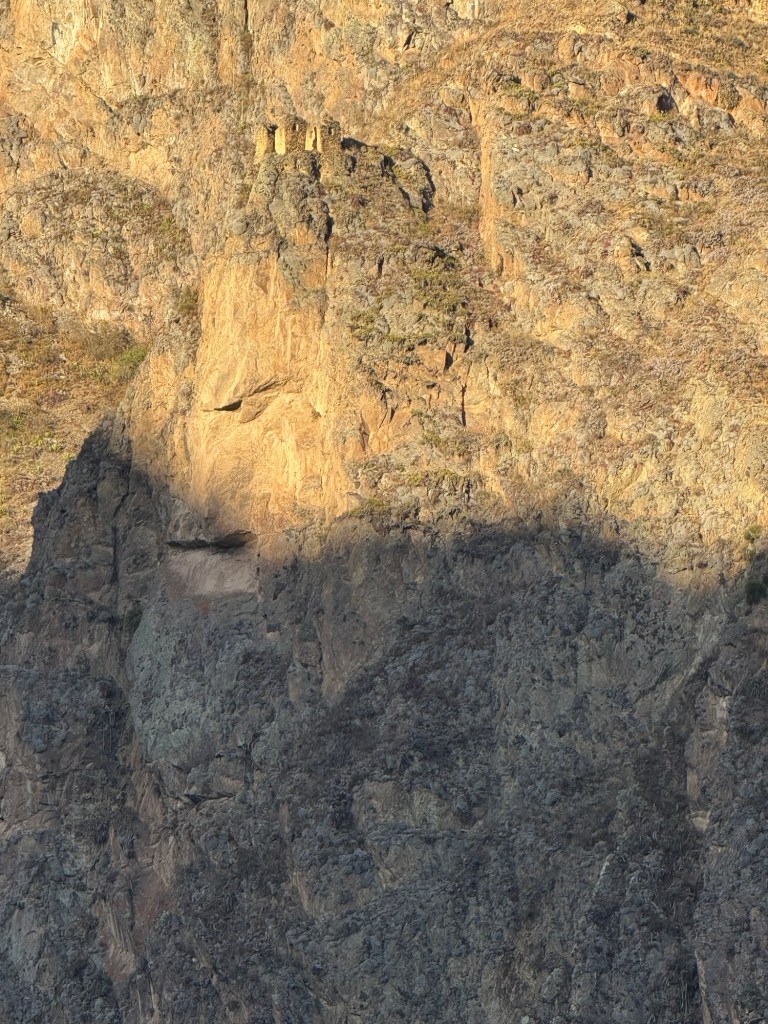
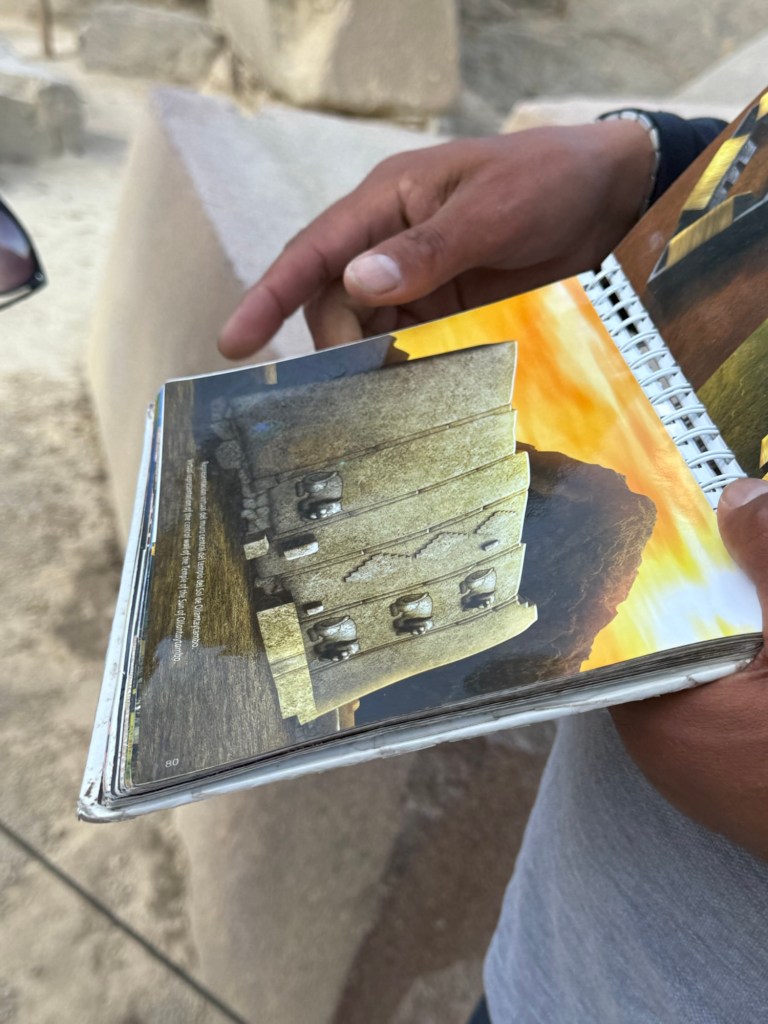
During the Inca Empire, Ollantaytambo was the royal estate of one of the Emperors, and it was he that orders the ceremonial site to be built here. During the Spanish invasion, it then served as a stronghold for the Incan resistance. Sadly, huge parts were destroyed during this time and much of the history lost.

It is believed however, that the site may date back as far as 3500 years, as some of the buildings here are pre-Incan. There is evidence in and around the town of settlements of the Huari civilisation (600-1000AD).


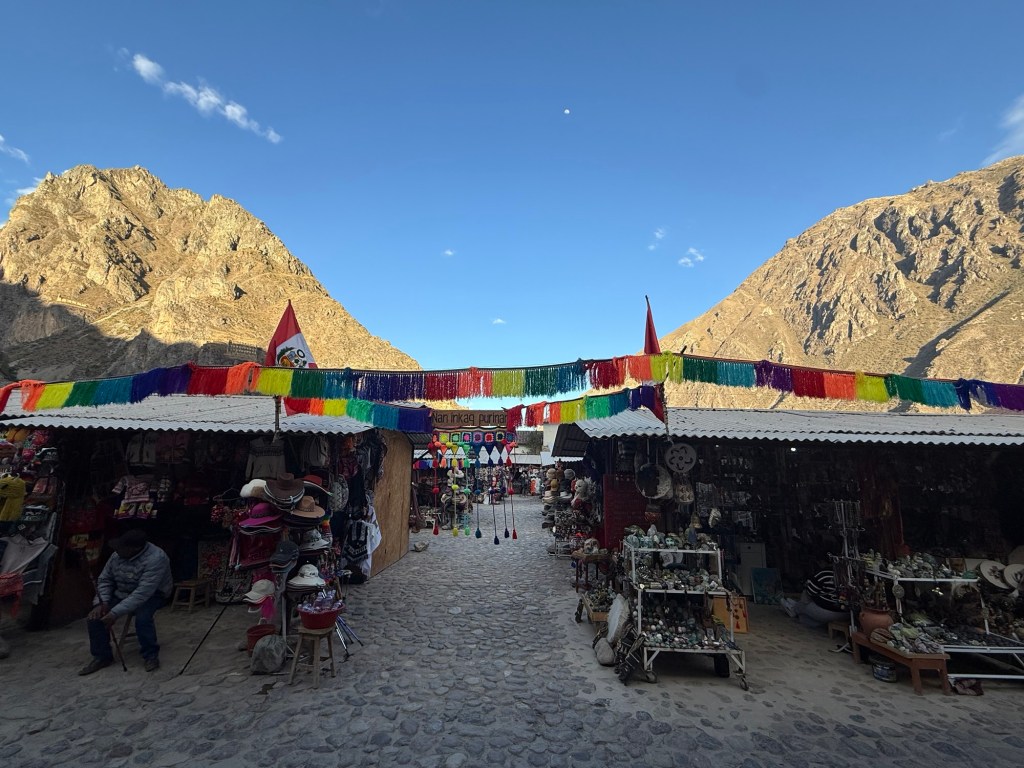
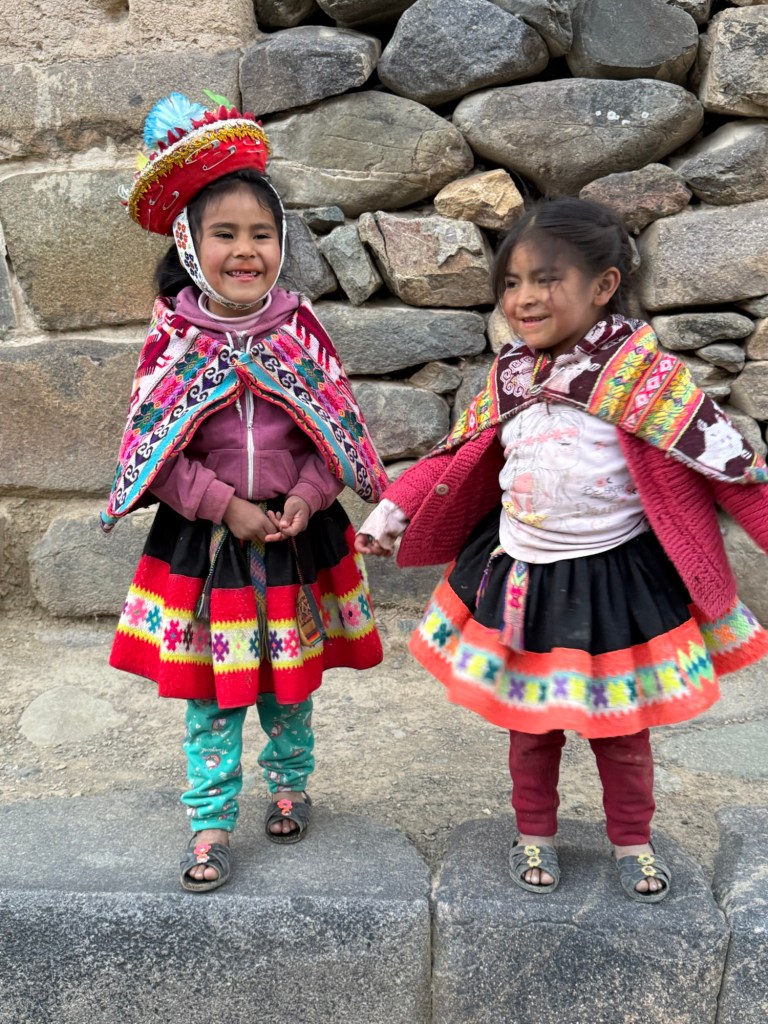
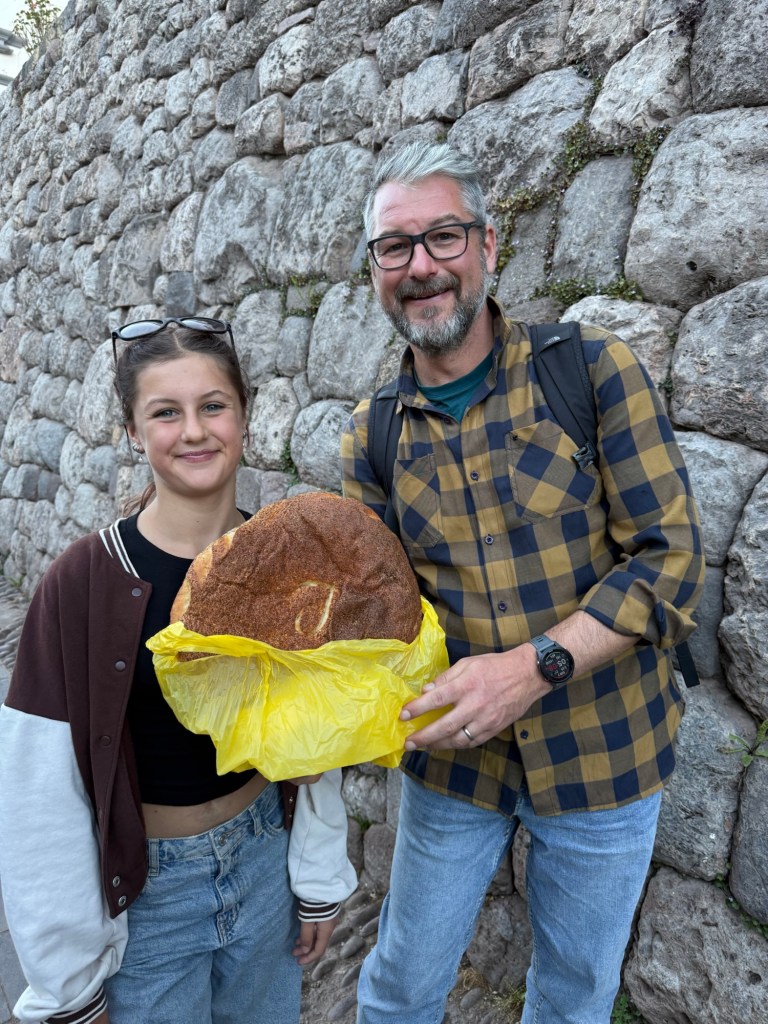
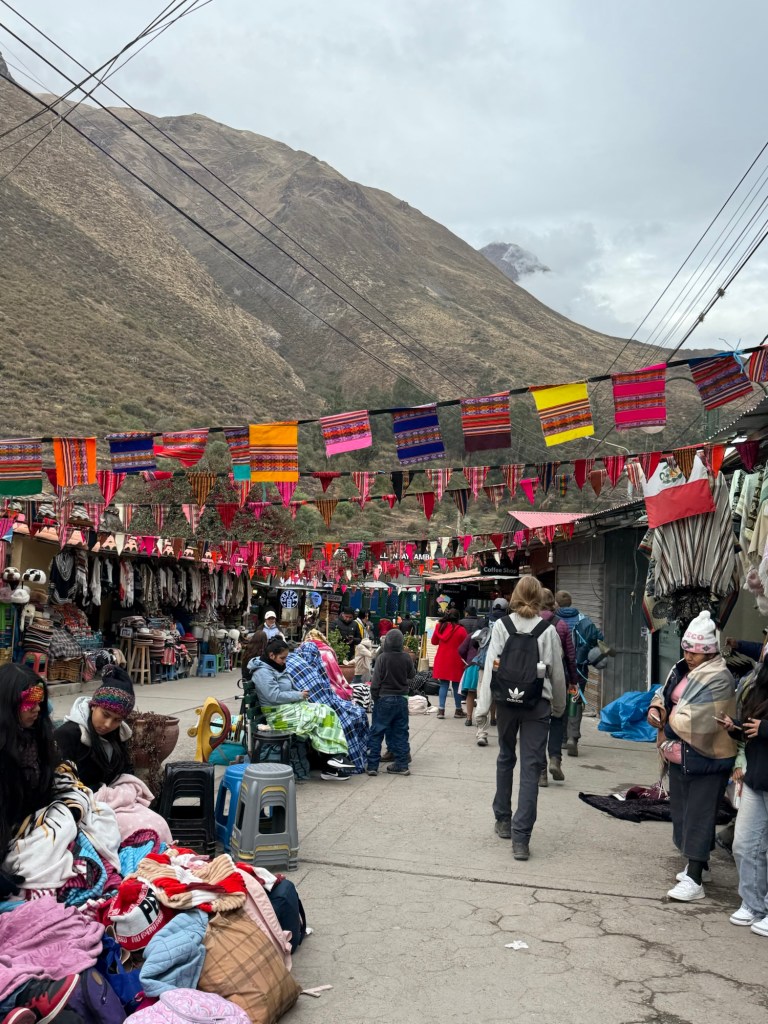
Once we were kicked out of the site at closing time, we headed back to our hotel through the local markets. We couldn’t resist stopping and listening to these two gorgeous girls, who told Raul they wanted to sing a local song for us.


A gorgeous way to end our visit.

All we had to do then was pick up some Inca trail snacks, and find some supper. Poor Dave was suffering again, so he headed back to the hotel to chill.

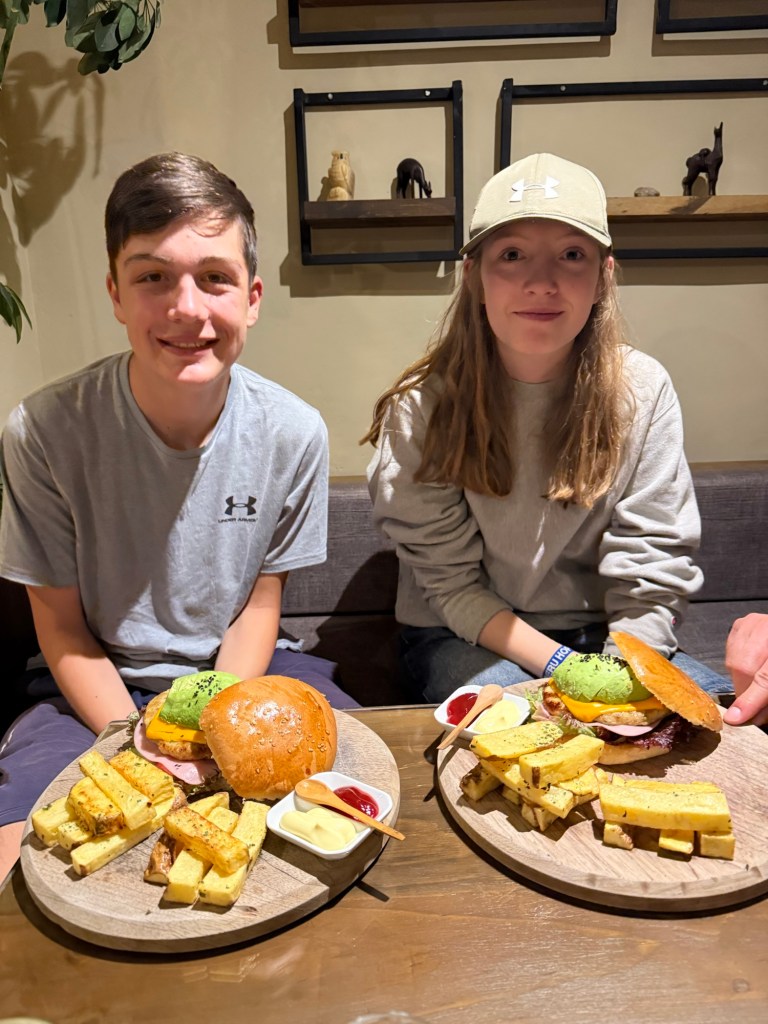
Having already had a buffet breakfast, and a 3 course restaurant meal for lunch around 3pm, we didn’t need much – so we set off to find some local street food. This was a struggle as the area we were in seemed to only cater for tourists, but as we had no energy to search further we settled on sharing meals in a crepe cafe. Apparently teenagers are empty vessels though as Alys and Elijah managed to smash their non-sharing burgers!


Back to the hotel to shower and get some sleep before our epic hike tomorrow!

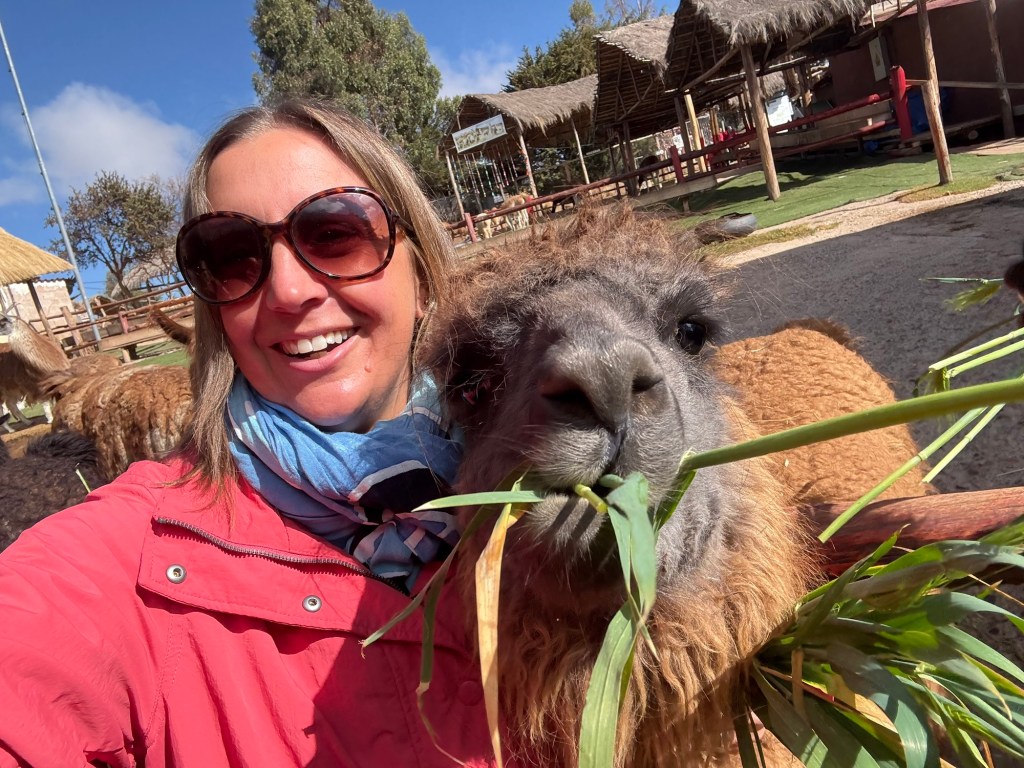
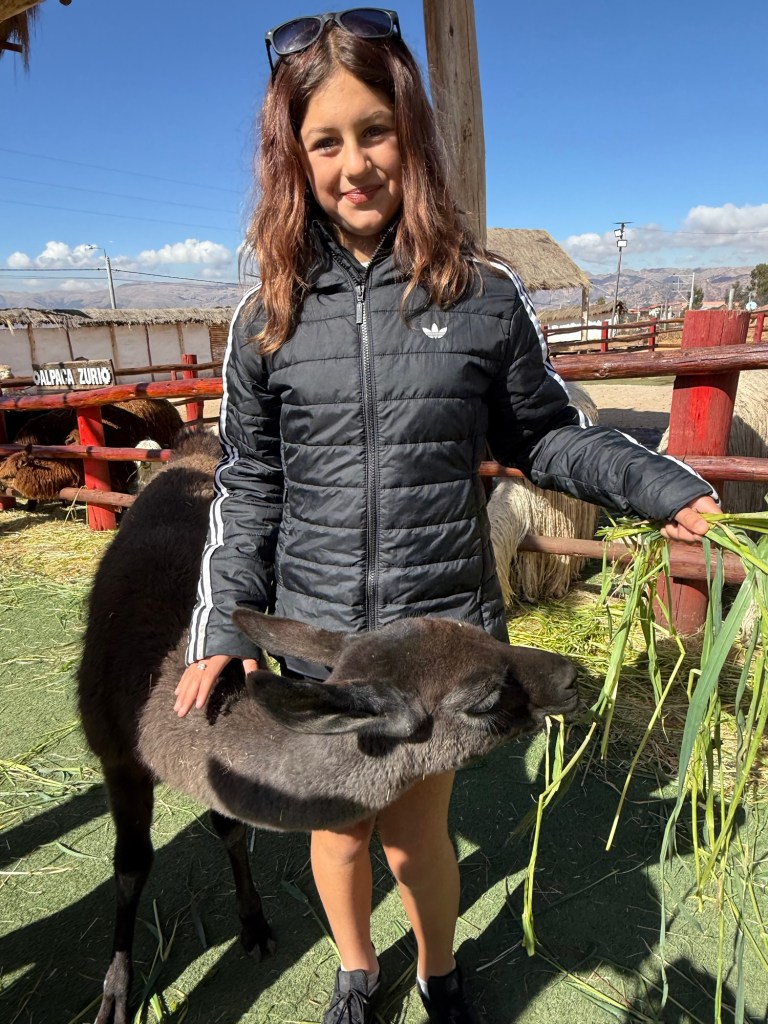
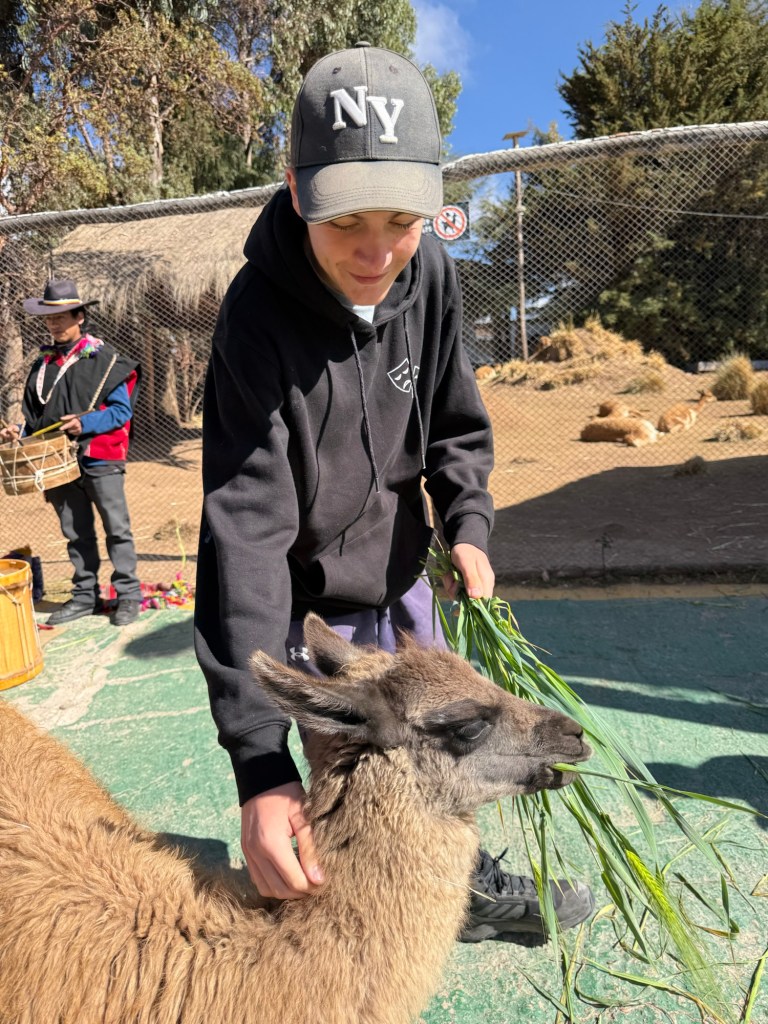
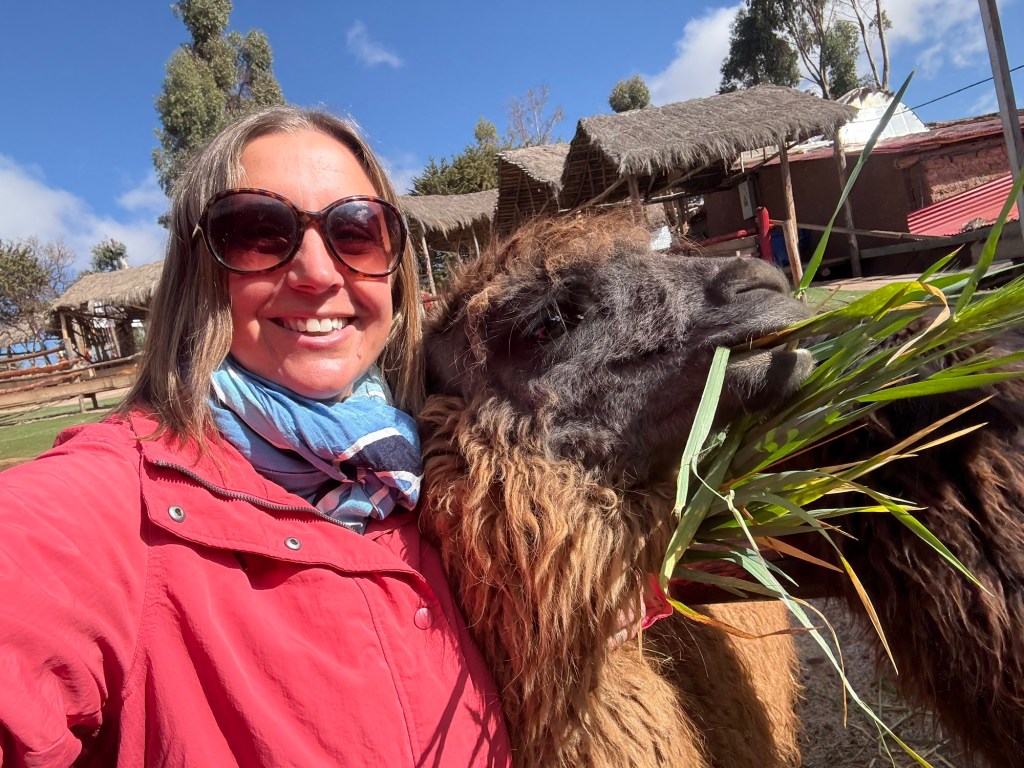
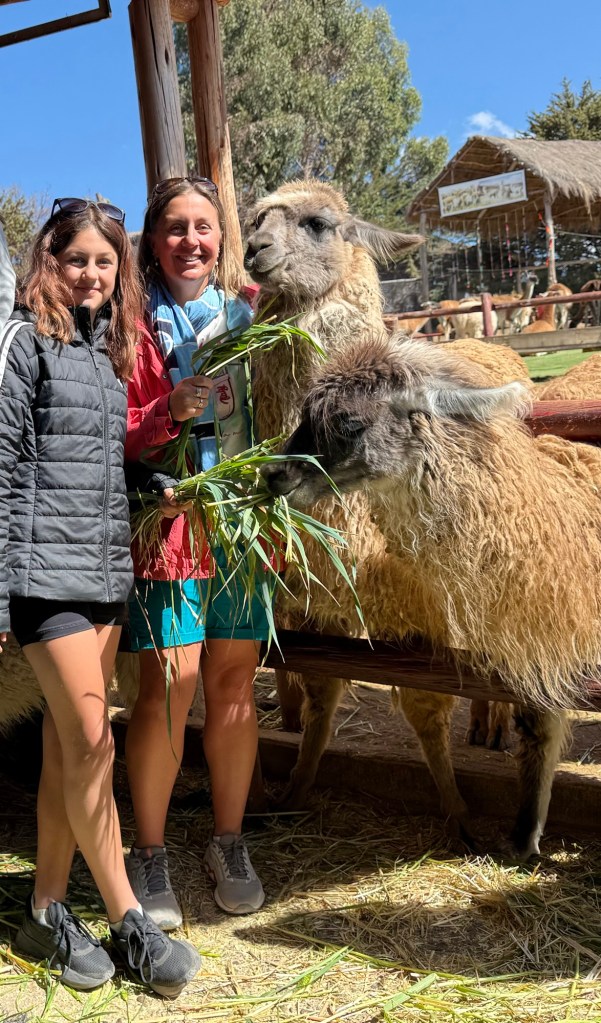
Loads of lovely llamas…


Cheese!

This started off as a post about our whole day, but we had so much fun at a Llama rescue centre/farm this morning I just had to leave it as one post.


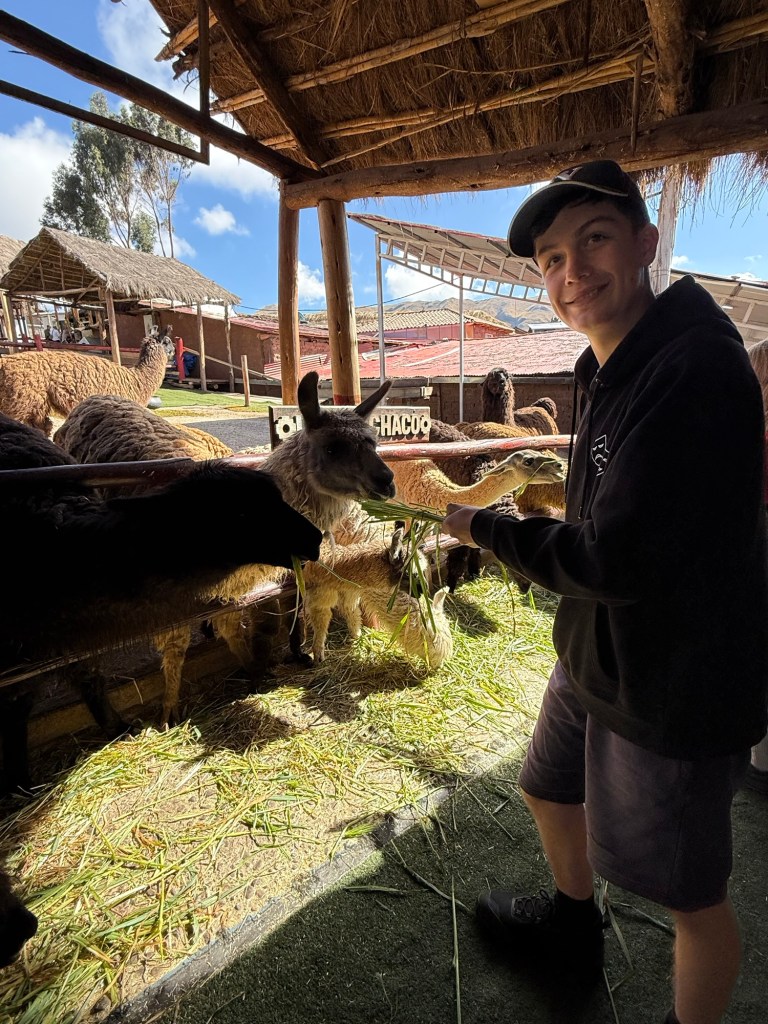
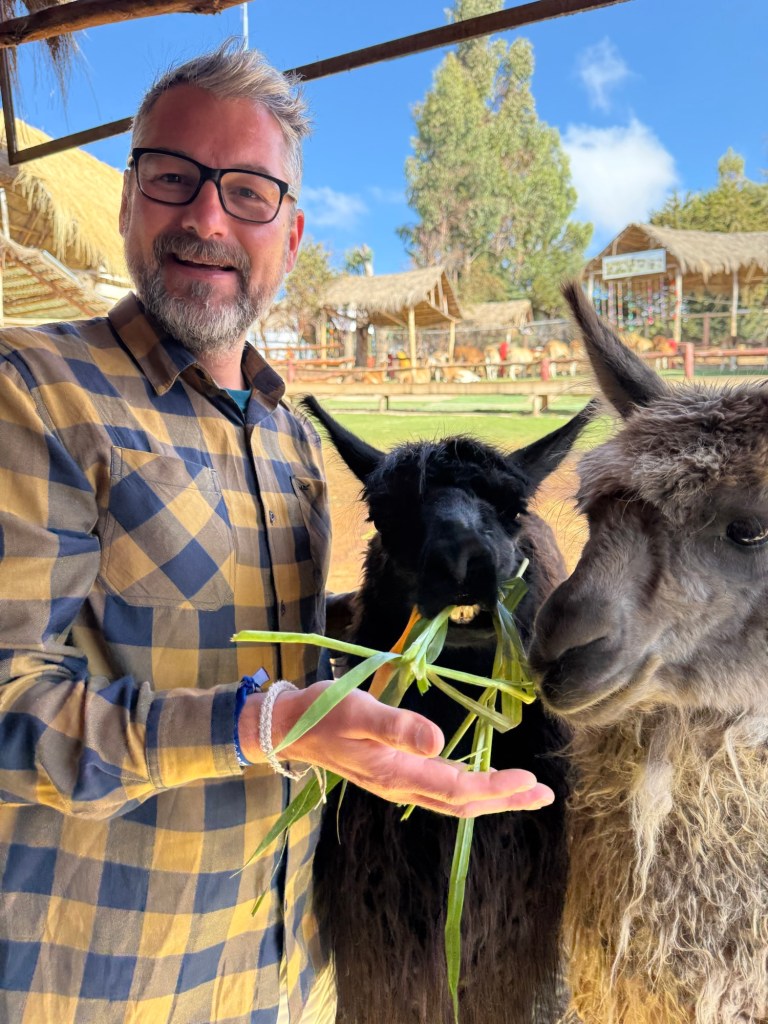
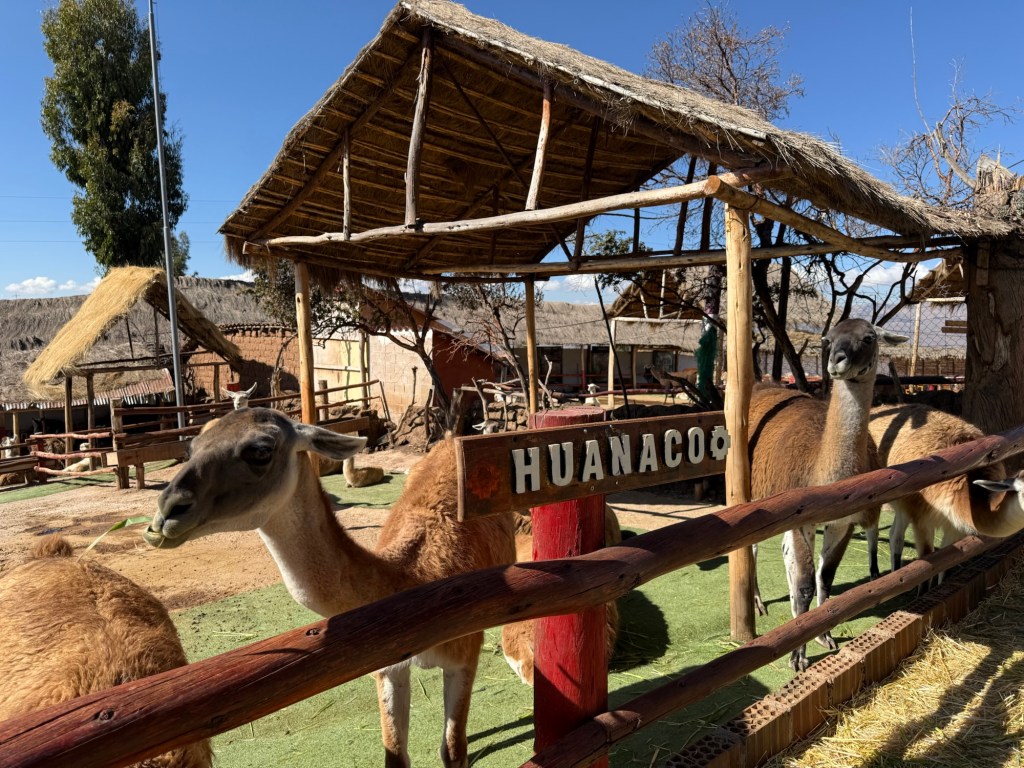
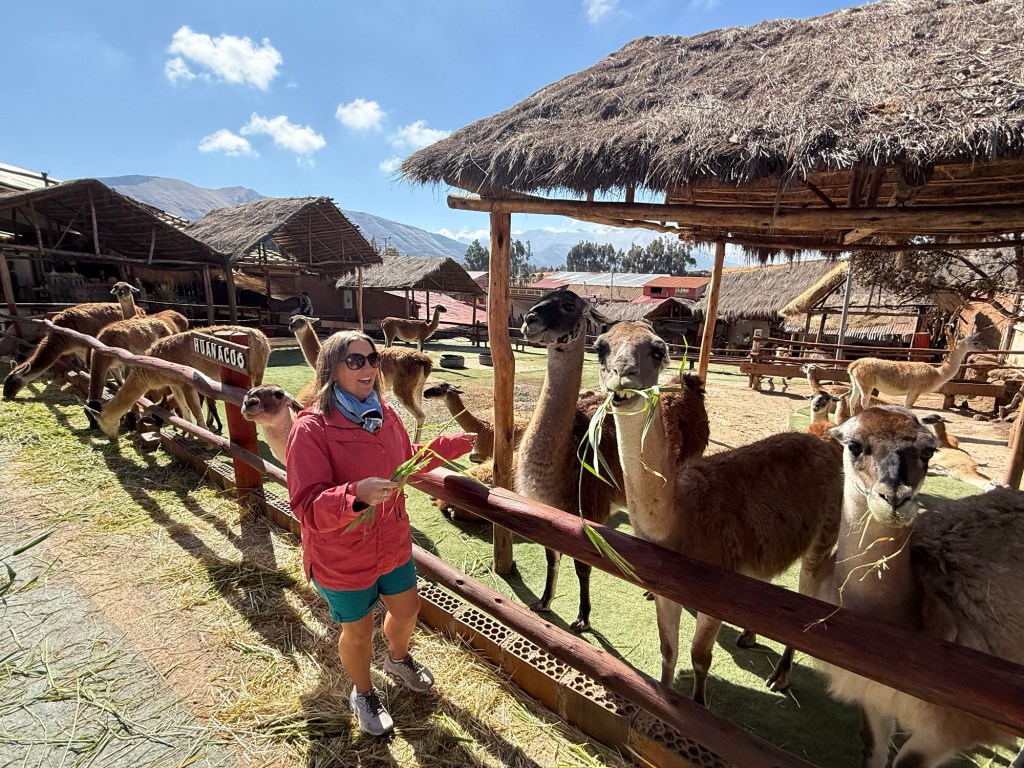
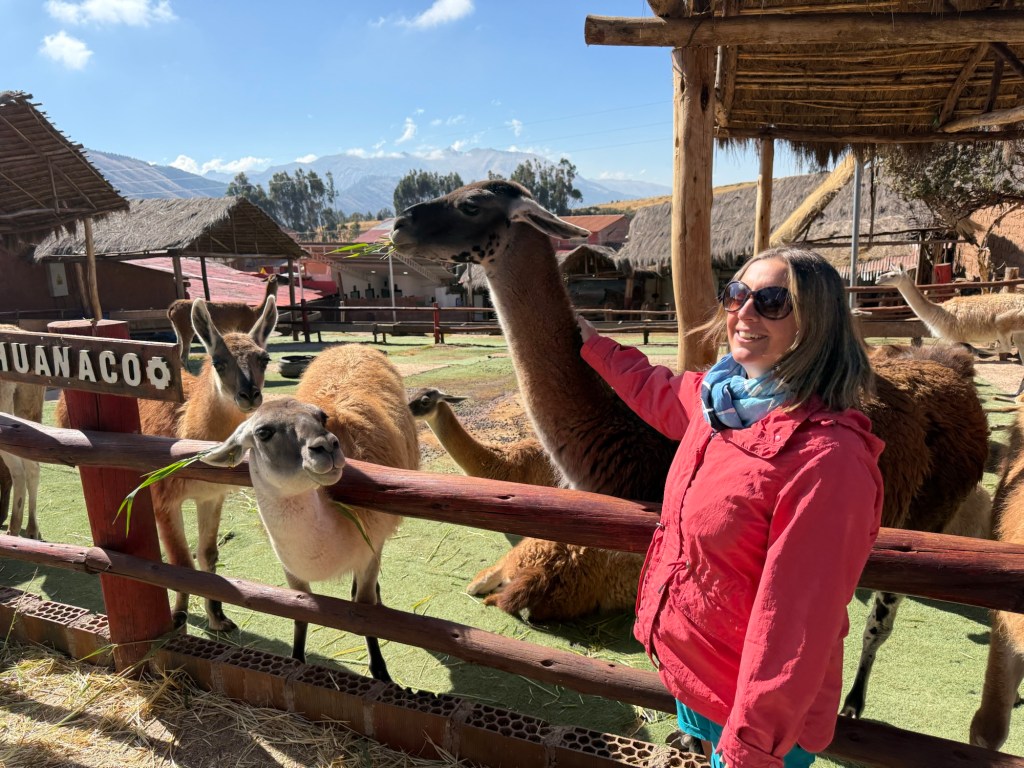
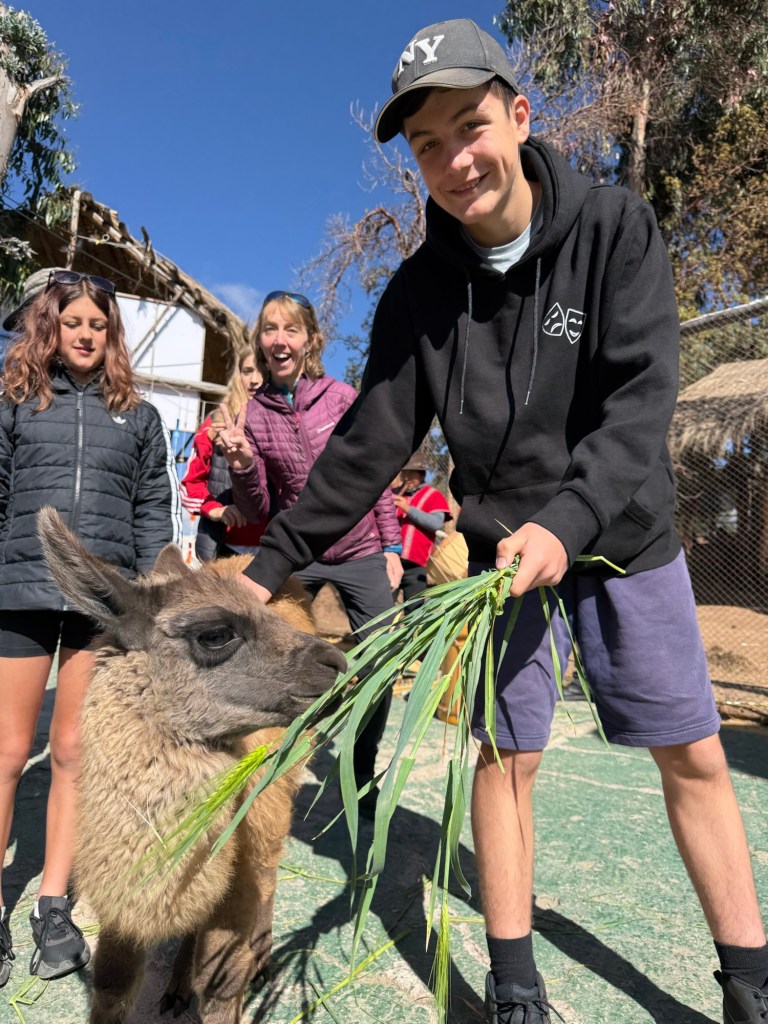
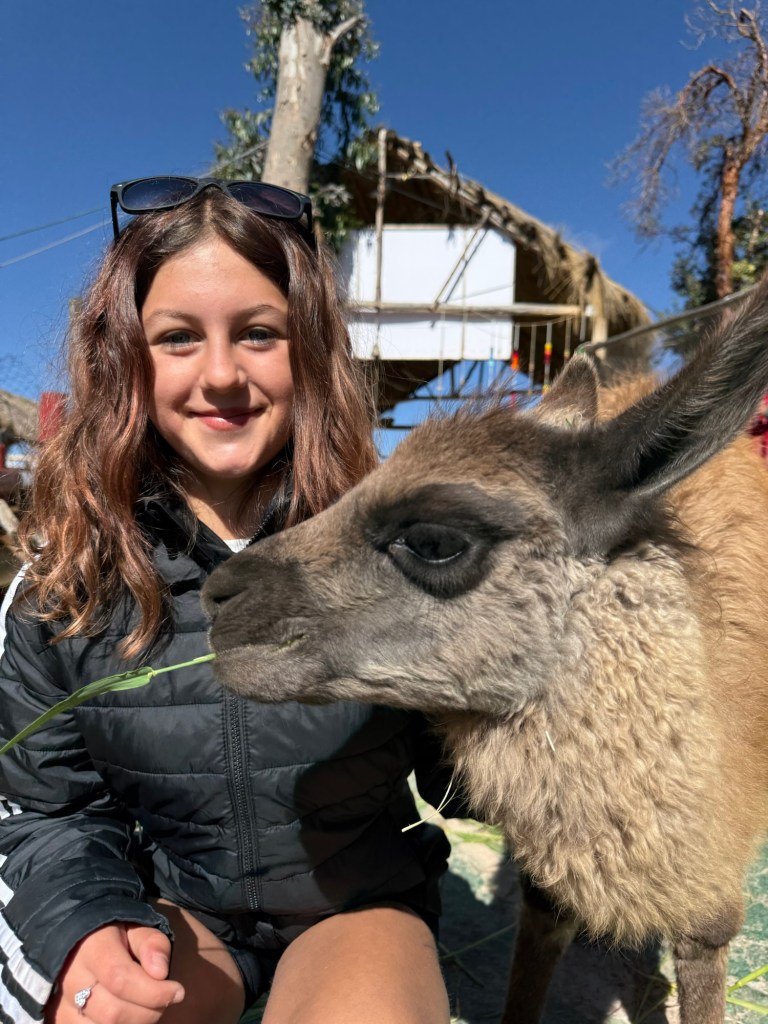
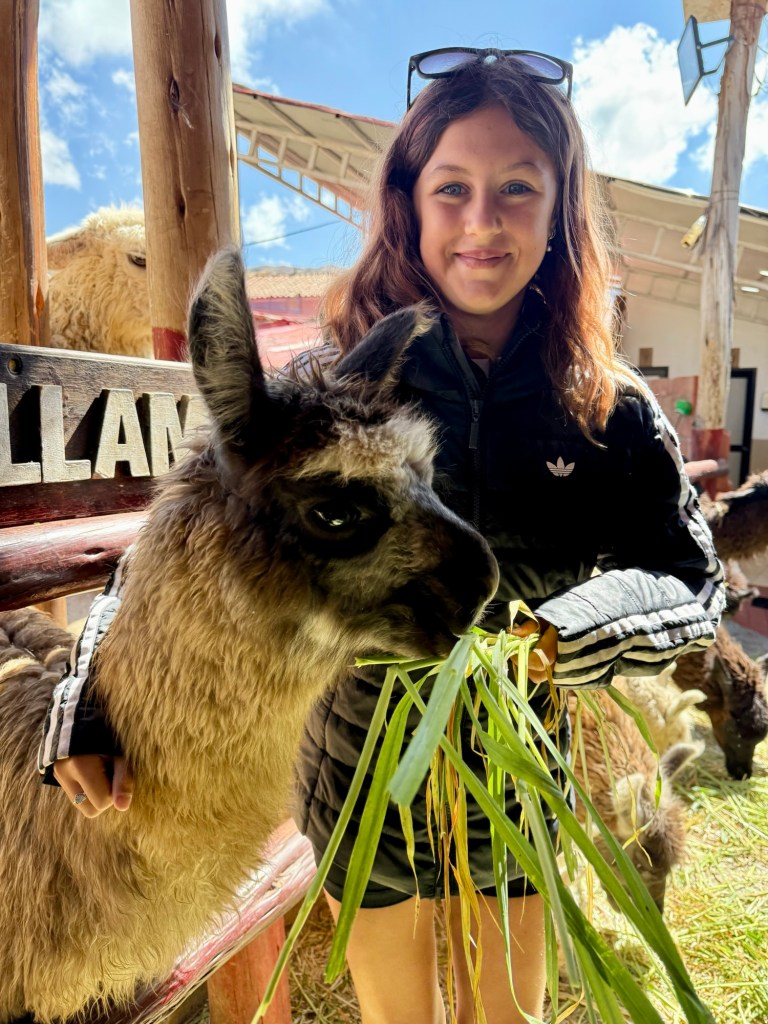
It was so lush! There were several llamas and alpacas wandering around saying hello as we walked through the farm, but they were also separated into pens depending on their species.

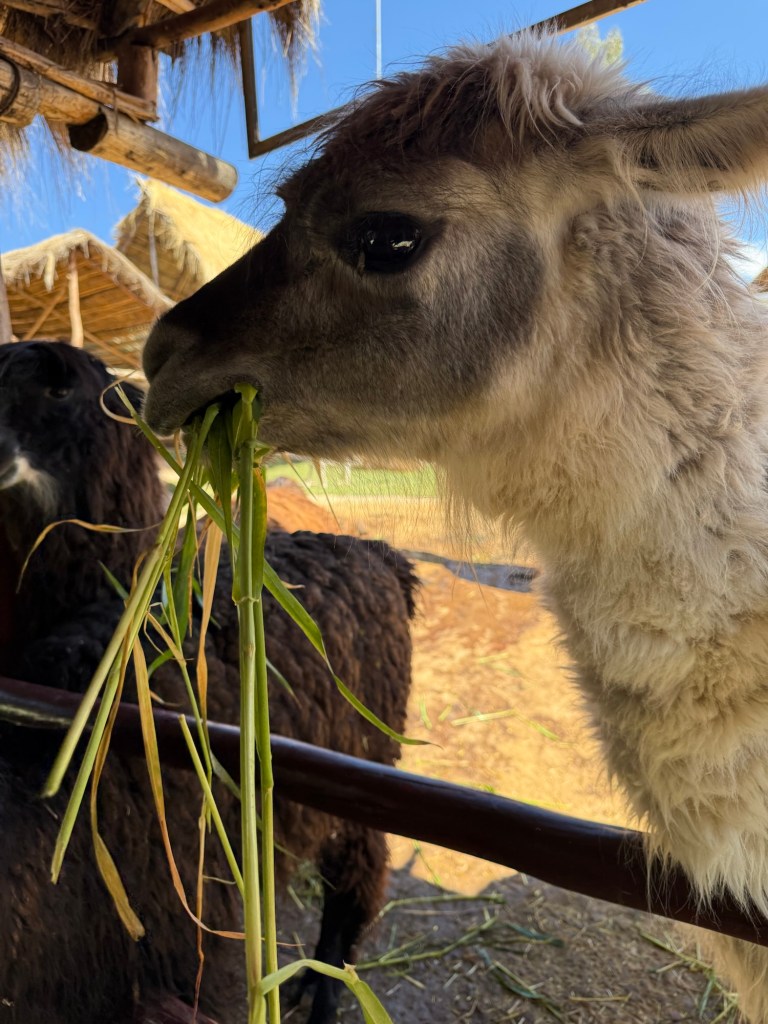
The animals were so friendly and we really enjoyed feeding them. Llamas and alpacas in general, are very easily domesticated. The two breeds are still considered wild are called “huanacos” and “vicuña”. We were allowed to feed the huanacos, but the vicuña are kept away from the visitors.


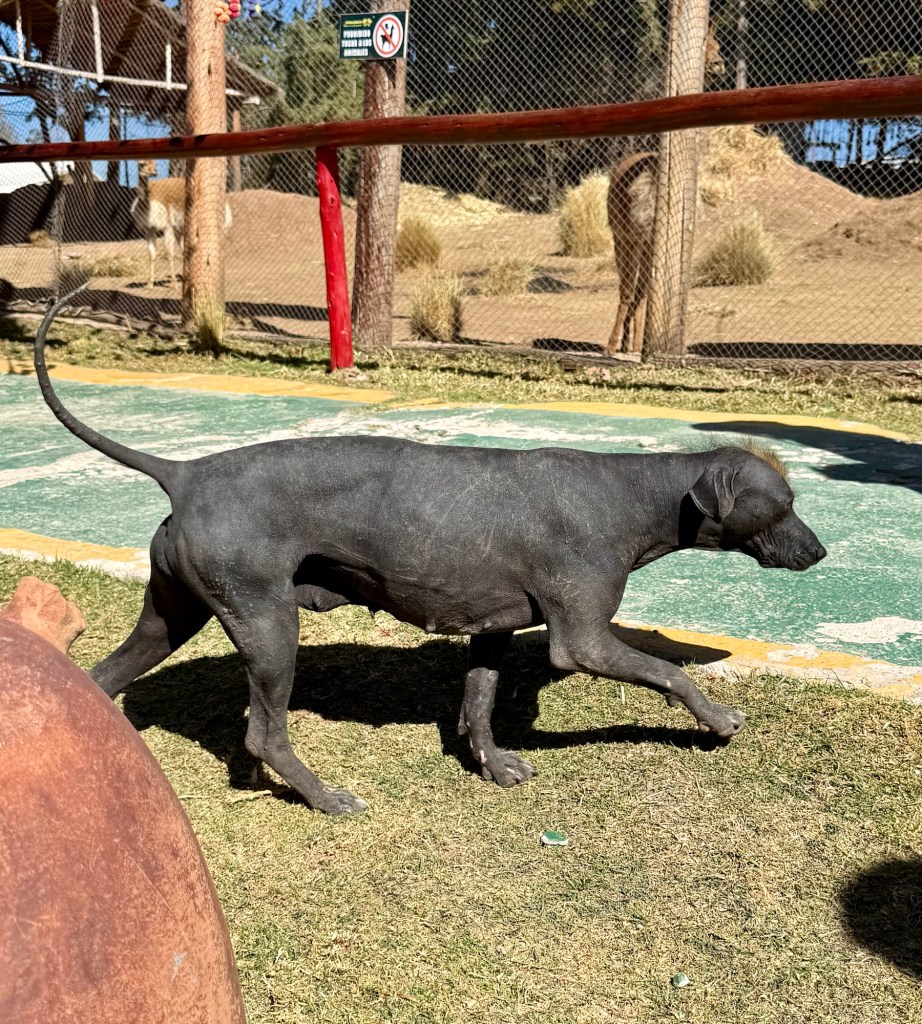
We also met a friendly Peruvian dog – these guys are all bald, with a Mohawk-style tuft of hair on their heads. We’ve seen quite a few of these in the streets but not managed to get a picture until now.


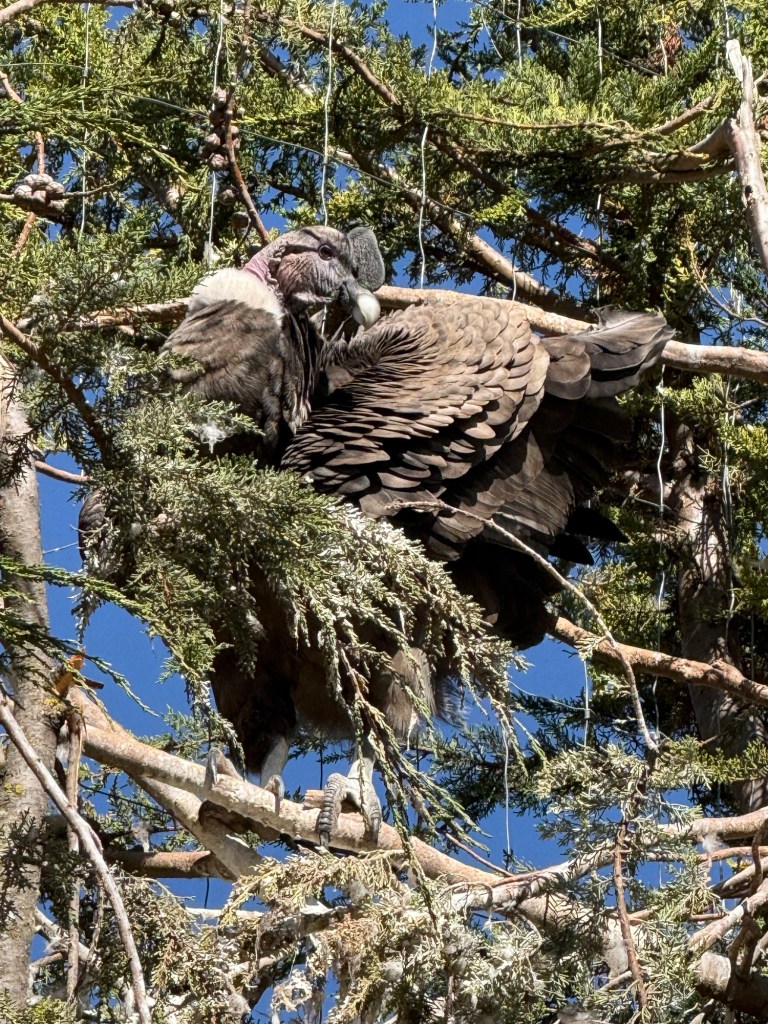
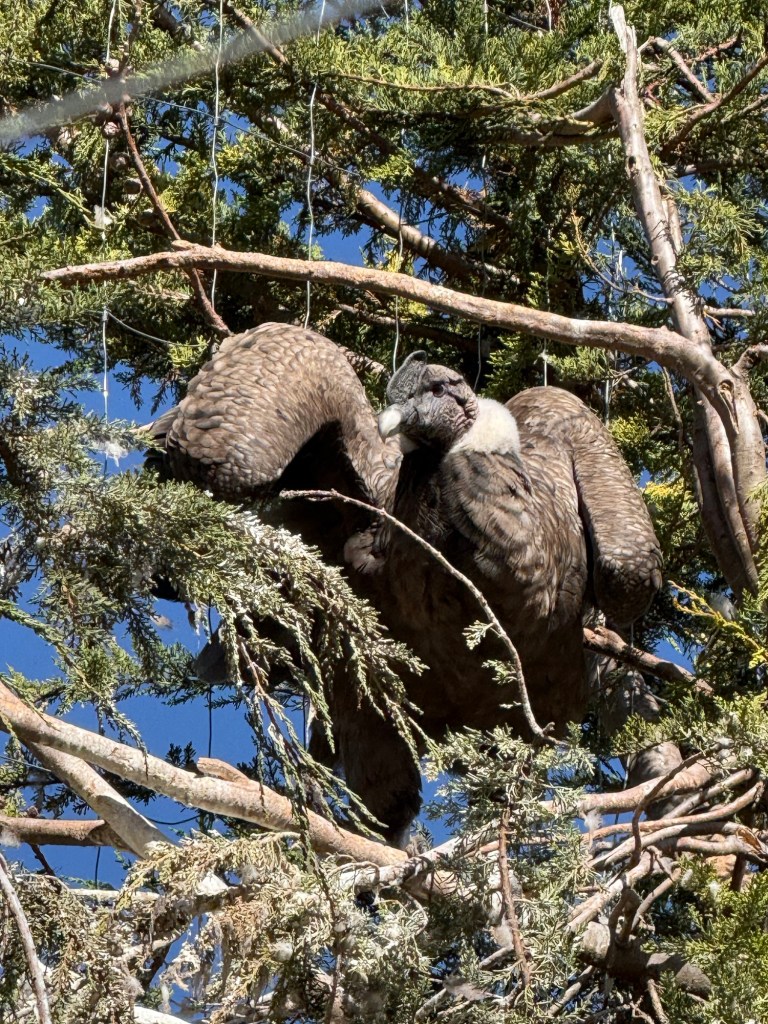
Elijah’s favourite part of the farm was the Andean condors! These incredible birds of prey are considered the largest in the world and they are a national symbol here in Peru.


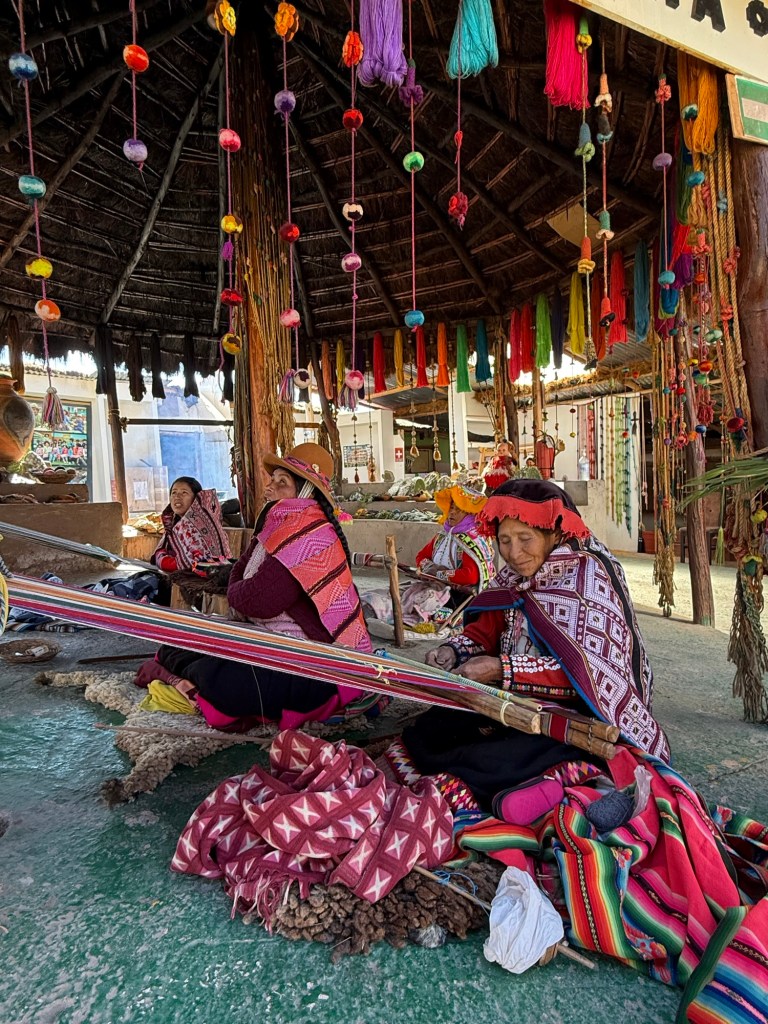
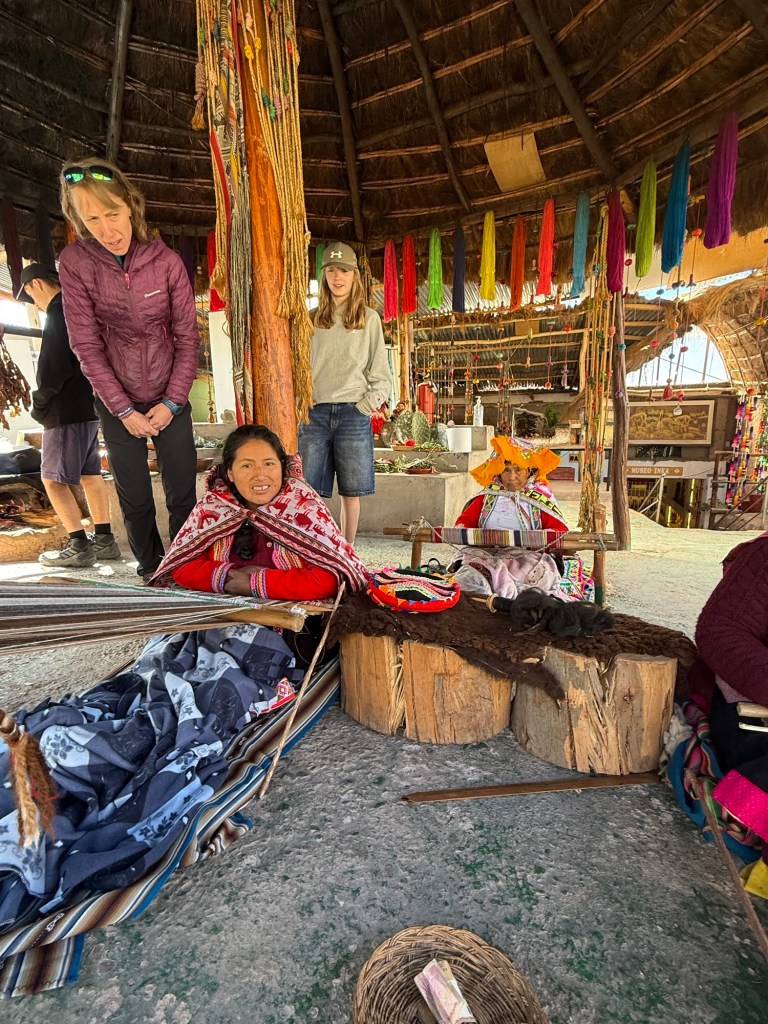
We enjoyed learning how the local people use beetles, flowers and other natural ingredients to dye their wool. It was amazing to see a demonstration of how a cochineal (that lives on cactus plants) is squashed to reveal a bright red colour – and then this is mixed with various things (like lime juice, ash, pink quartz stone etc) to create a whole rainbow of colours.

These women are making various tapestries and artworks that are sold in the shop here. The designs are so intricate and beautiful.

We also learned that Peruvian people really do eat guinea pigs for their meat, the lady showing us around couldn’t believe we would keep them as pets!


This animal farm/rescue centre was our first activity of the day, a very happy pit stop on our way to the Sacred Valley of the Incas.

Four Ruins and Cusco City


We have well and truly arrived in Cusco, the Incan capital of the world. It’s a bustling, thriving cosmopolitan place – a huge change from island life in Lake Titicaca.
The city itself has an oddly European feel, Elijah said it reminded him of Germany (where he went on language exchange) and we also felt the narrow streets and views of the rooftops made us think of Dubrovnik or Florence.

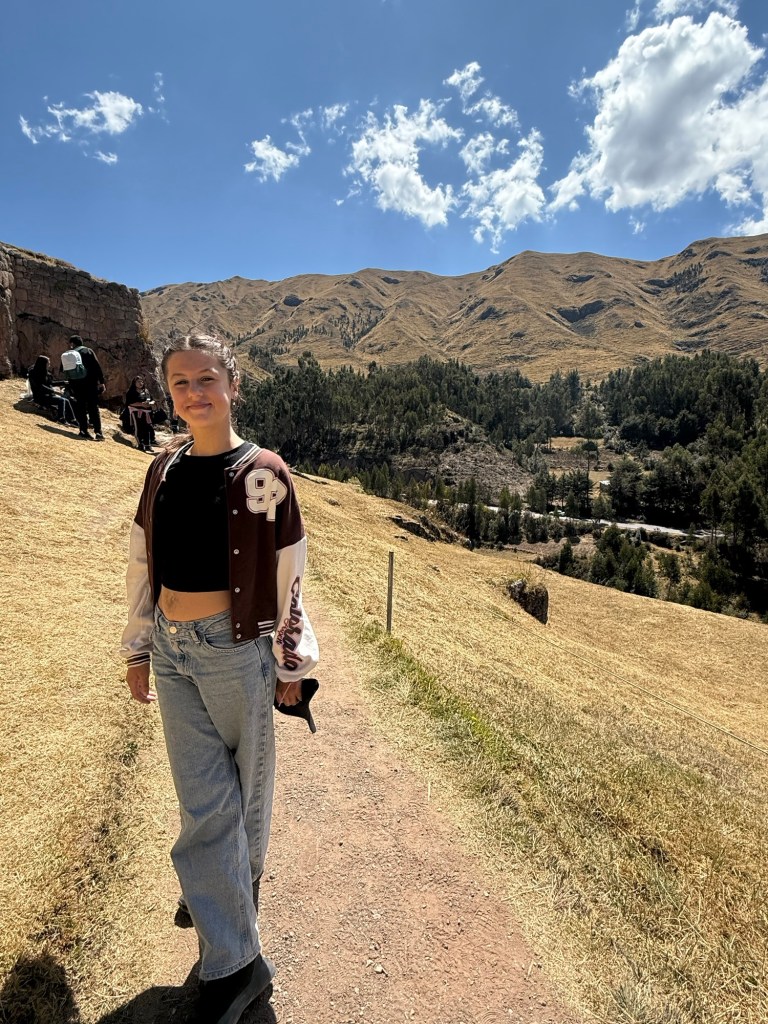
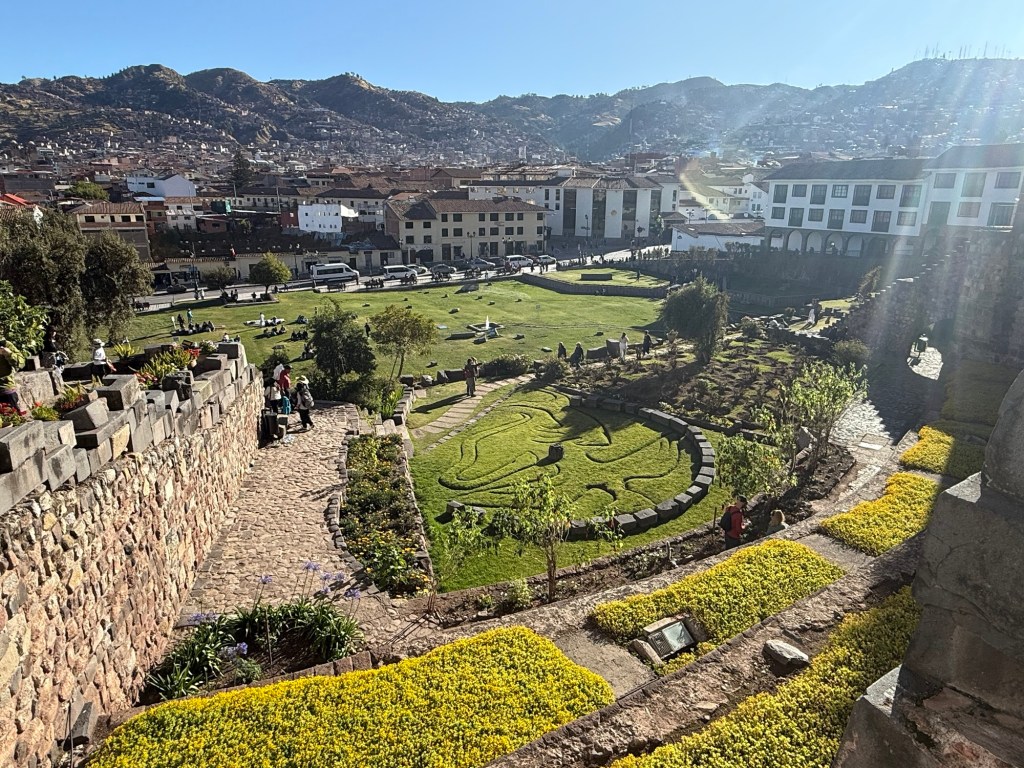
Today we are spending the morning exploring the Four Ruins (a collection of Incan ruins on the outskirts of the city), and then this afternoon we are having a tour around the city itself. Let’s hope we cope with all that walking at altitude!


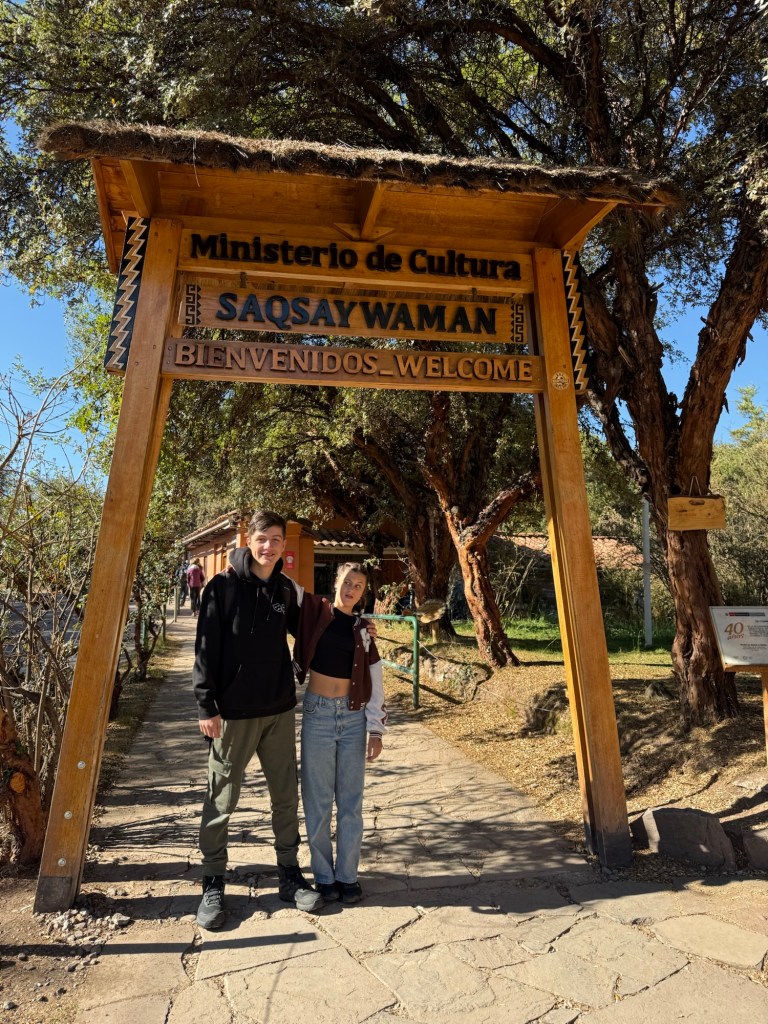
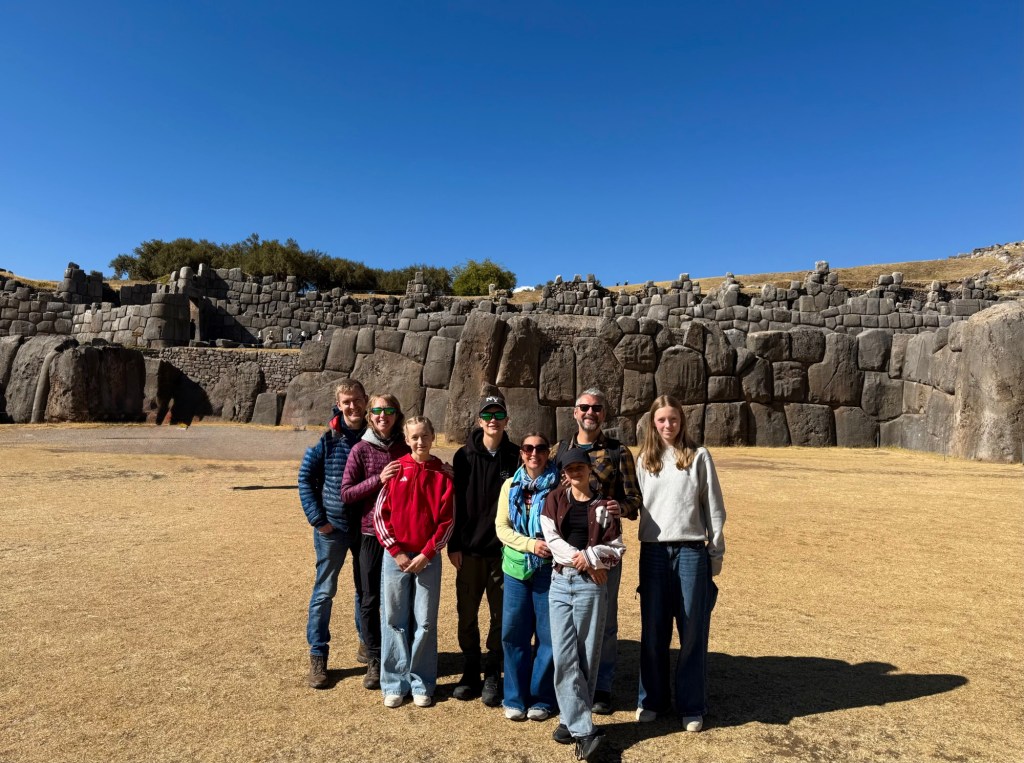
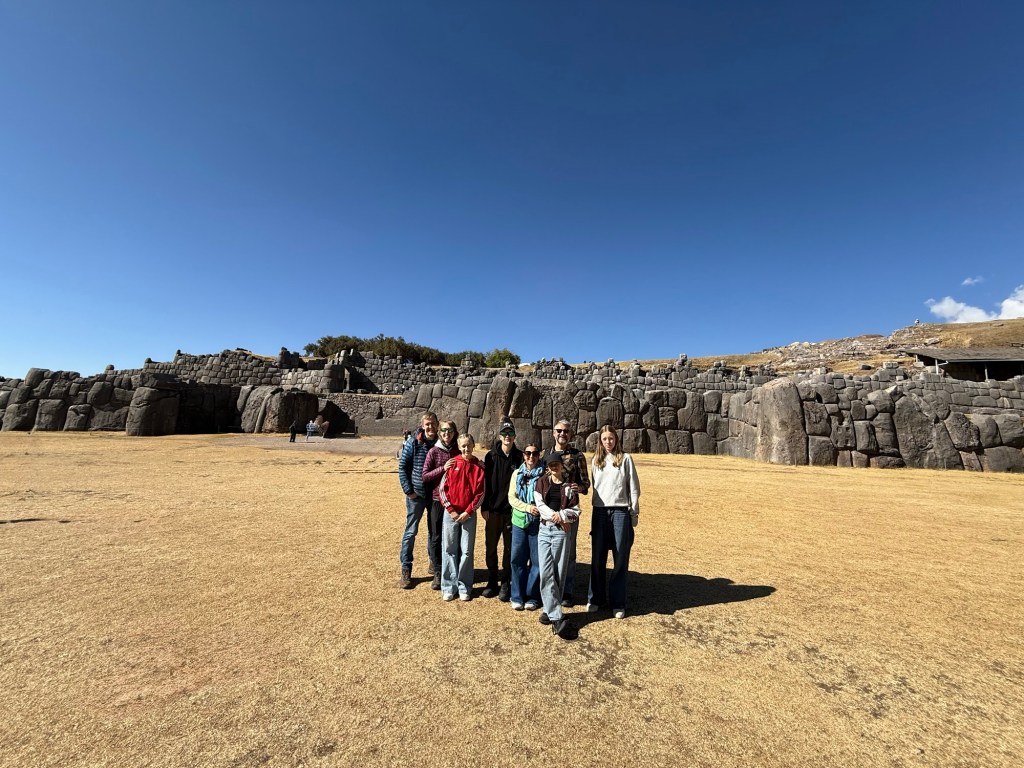
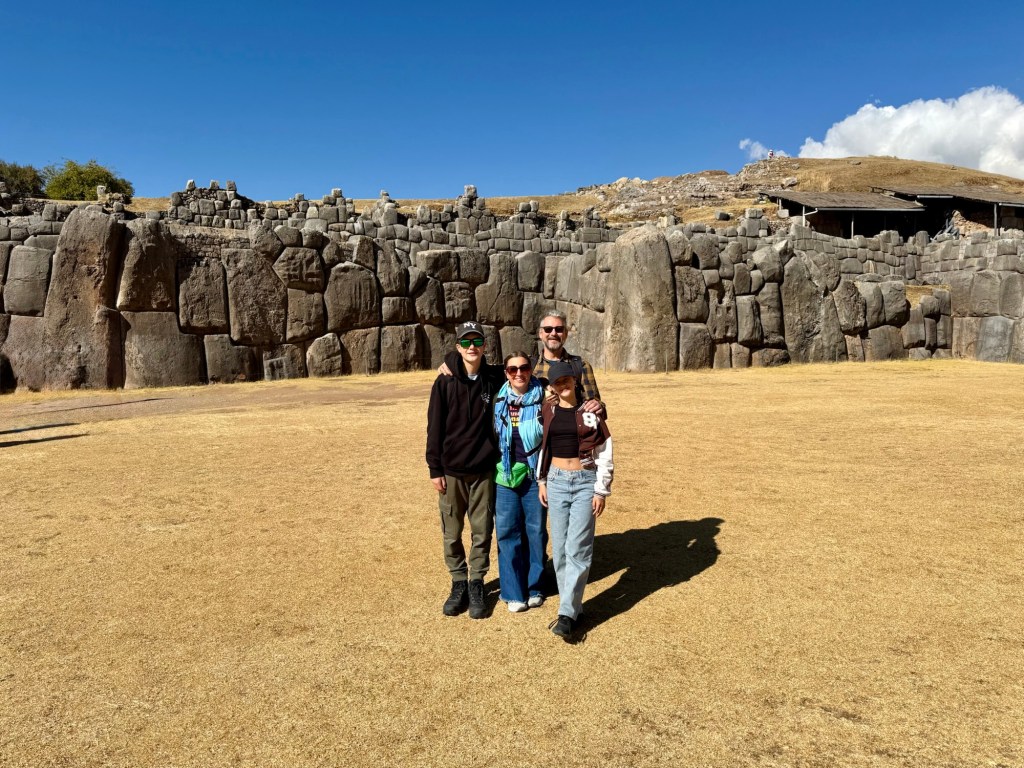
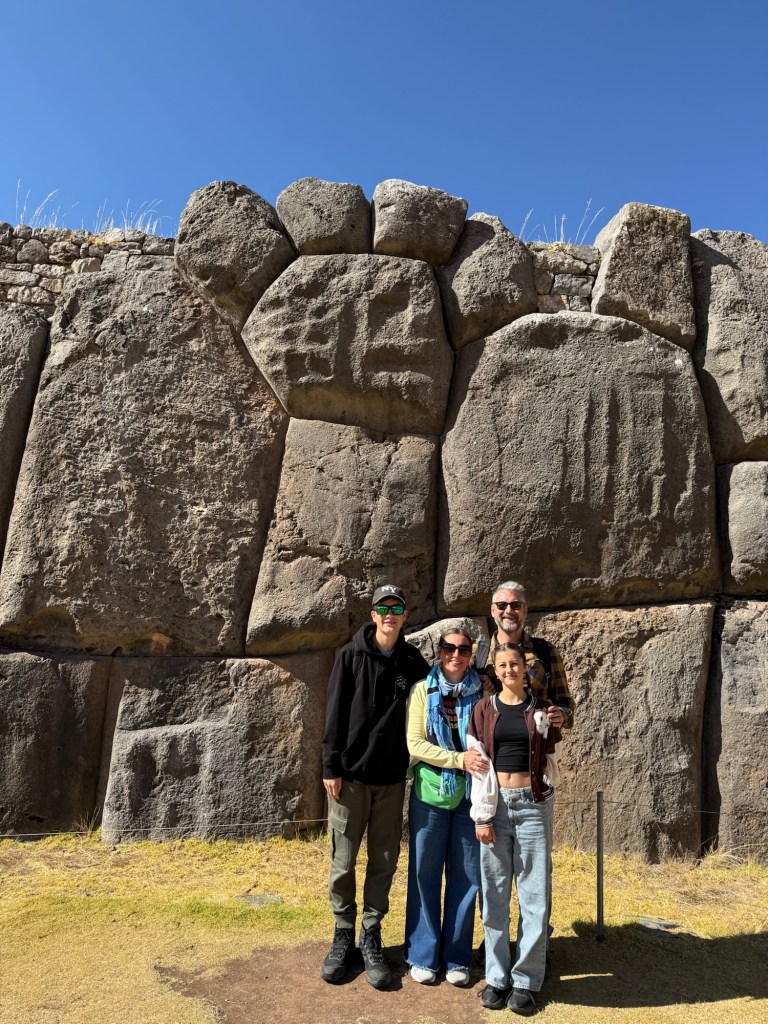
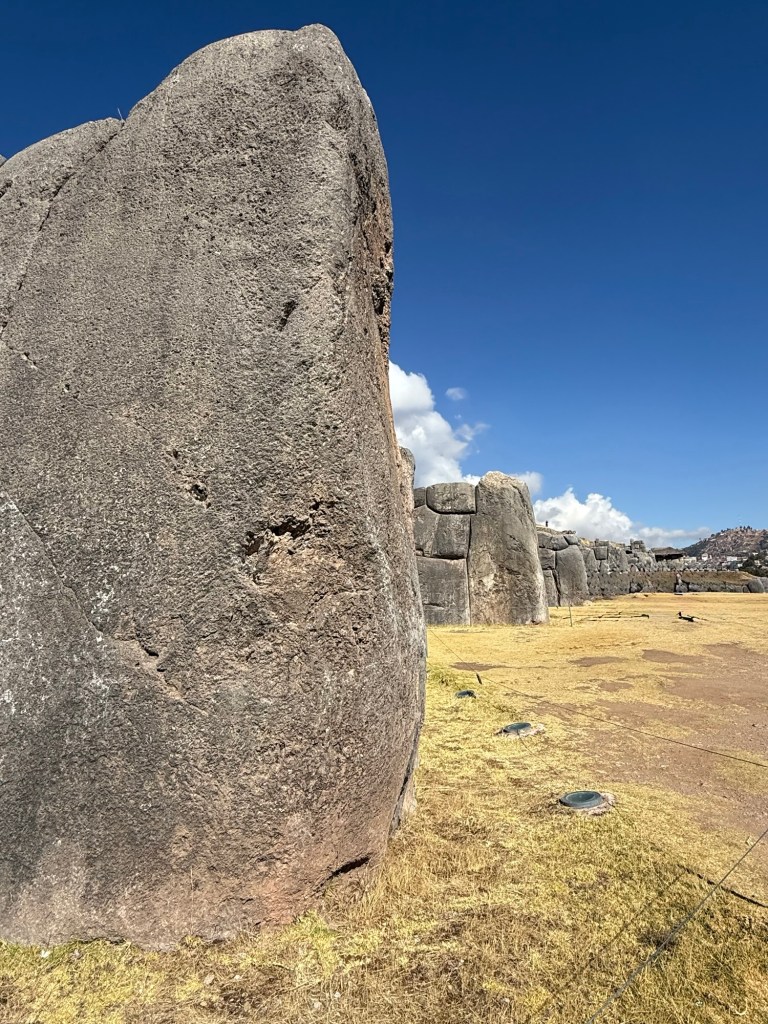
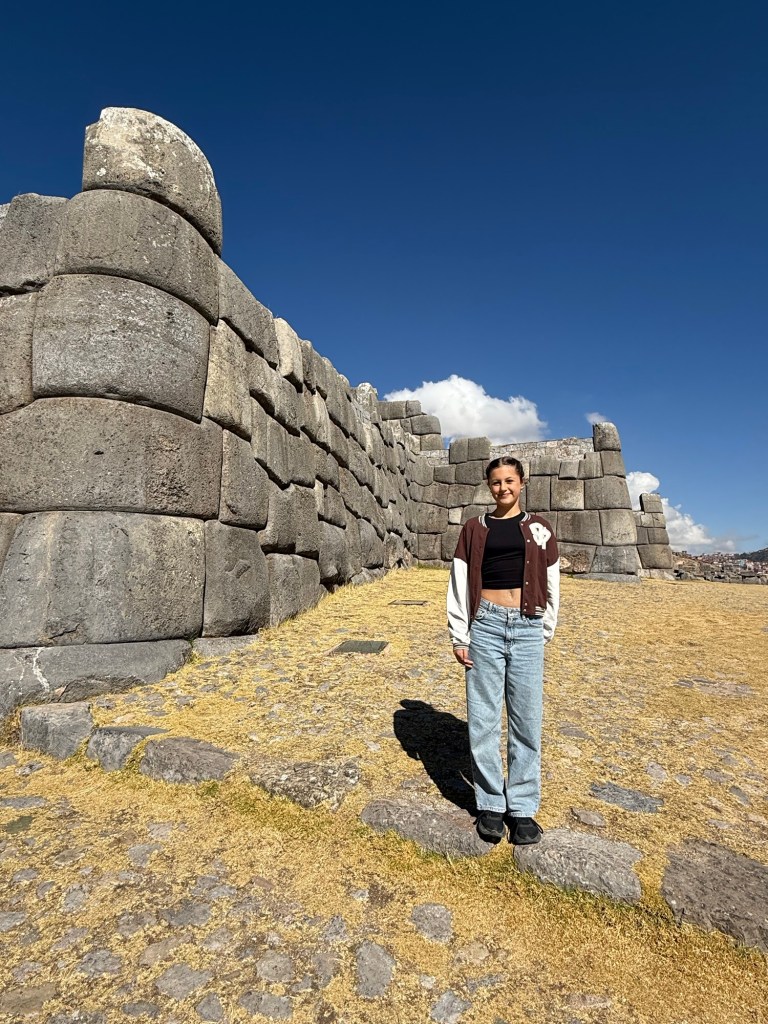
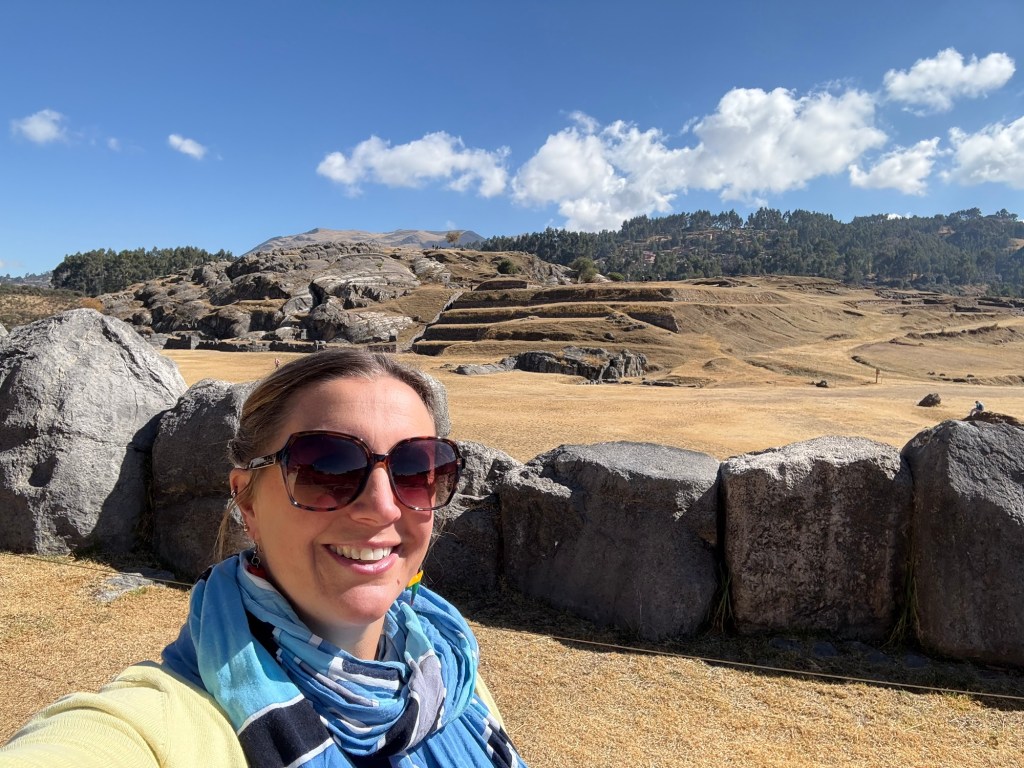
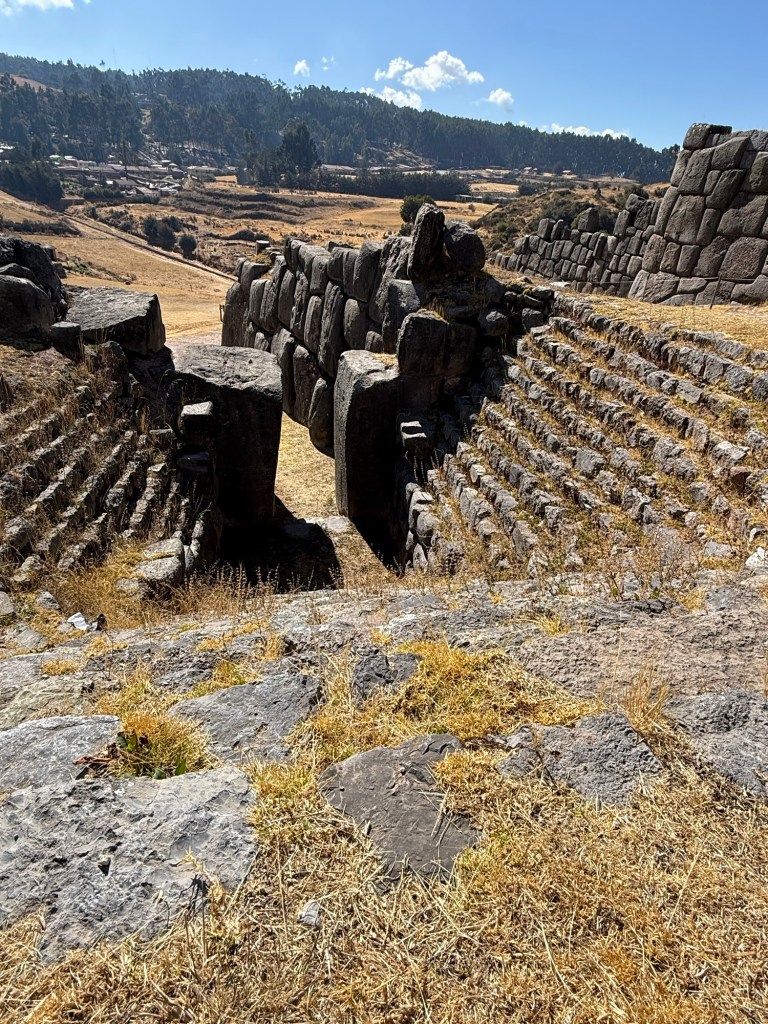
First up, “Saqsaywaman”, which means fortress. This is not its original Incan name, its original name is pronounced “Sac-sai-ooma”, which means Puma in the Quechuan language.

In this next video, Raul can be heard explaining that this amazing, megalithic temple is built over 3 layers. You often see symbols showing the condor, the puma and the snake – these three creatures form the Inca trilogy, a fundamental concept in their worldview.

The condor, puma, and snake represent three distinct realms: the condor represents the heavens (“hanan pacha”), the puma symbolises the earth (“kay pacha”) and the snake embodies the underworld (“uku pacha”).


We spent a lovely hour wandering around the ruins, and enjoying all the historic information from Raul.

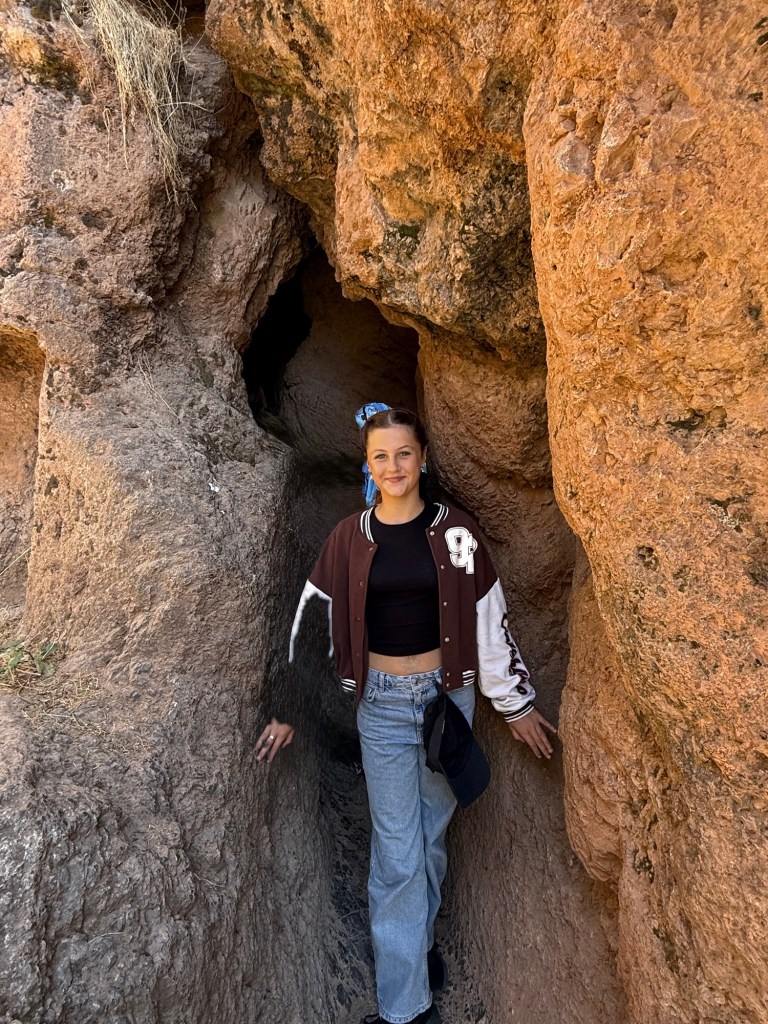
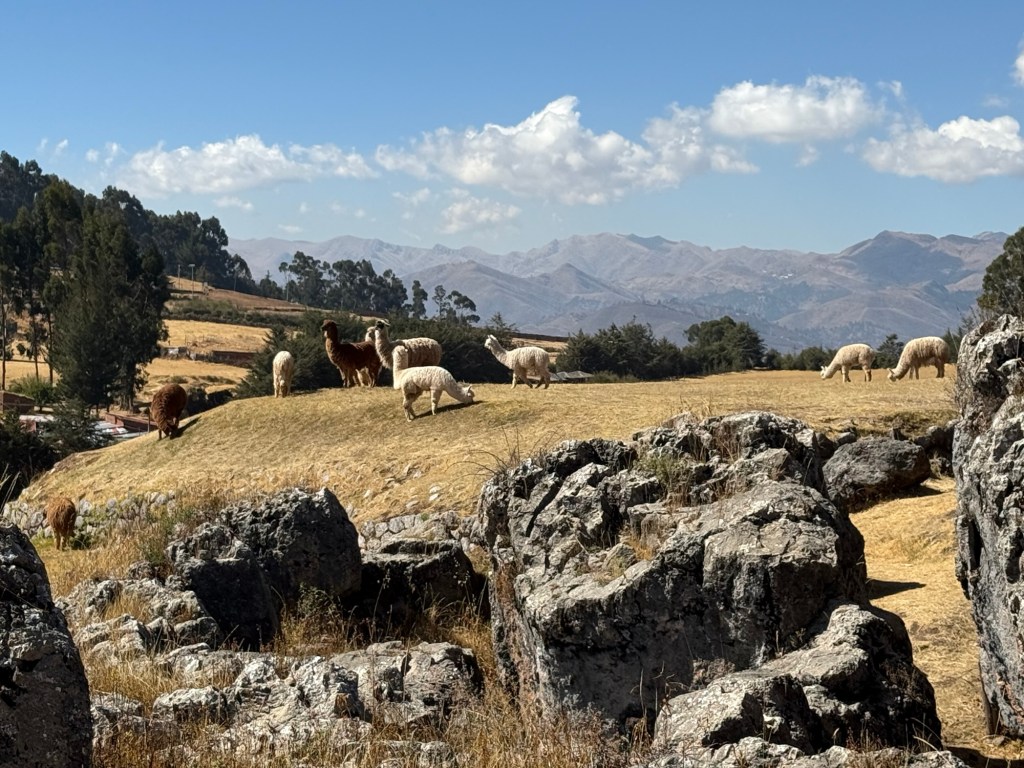
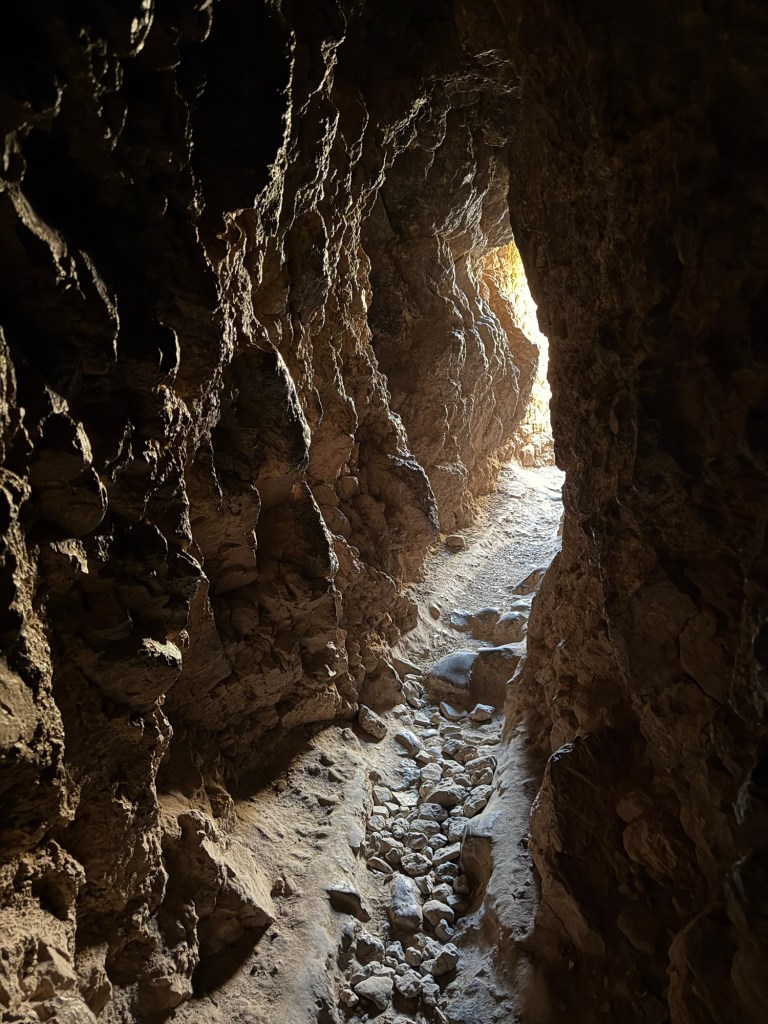
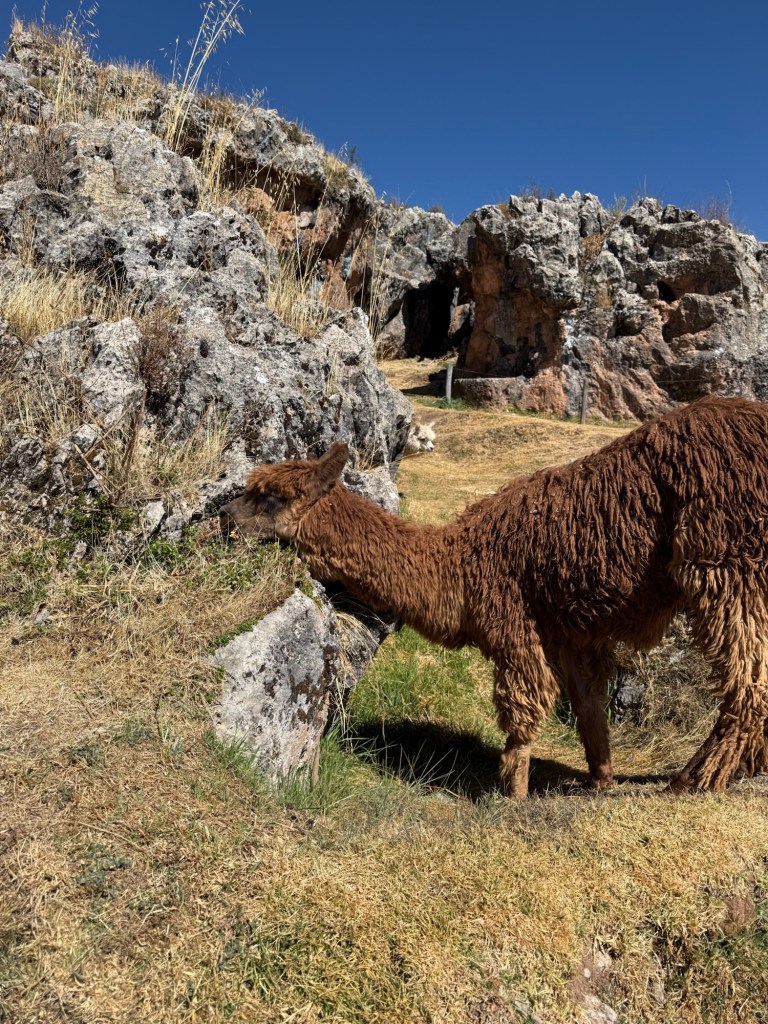
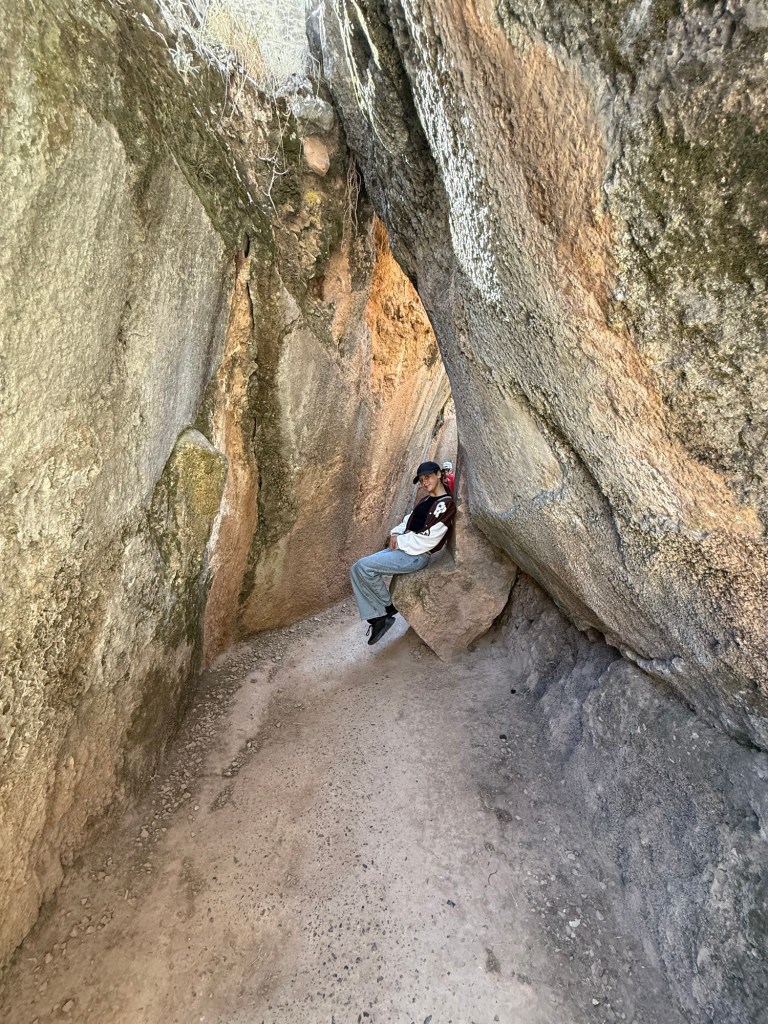
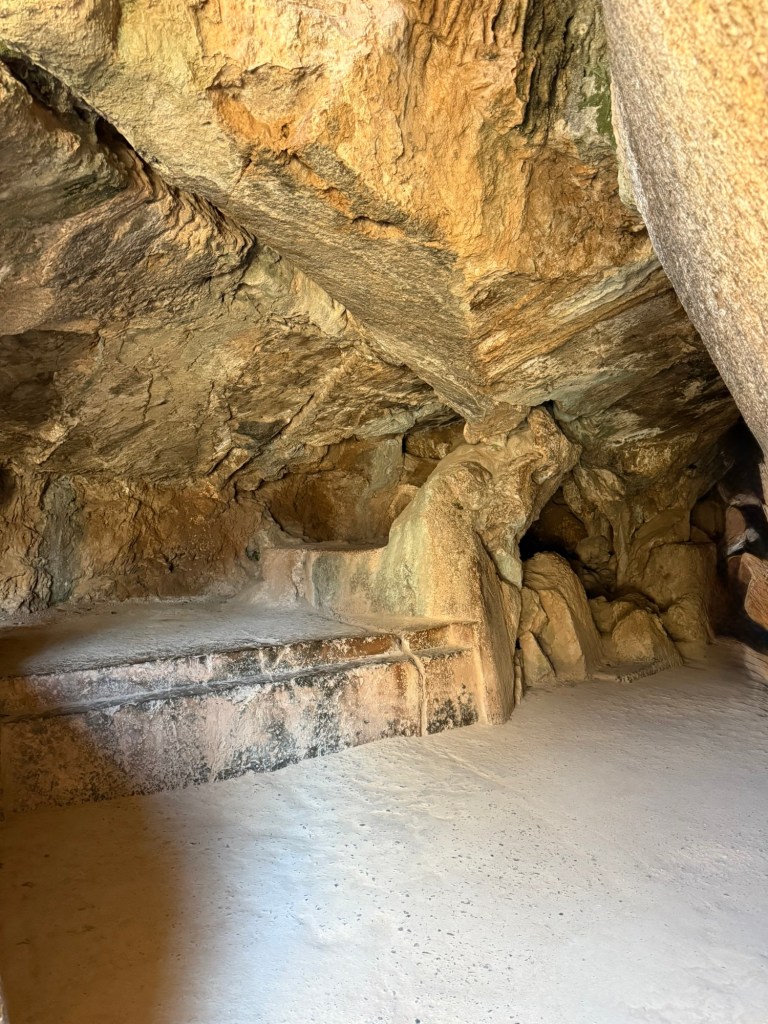
Our second set of ruins were called “Quenco”. Here we met some wild llamas and took some trips through cave systems to see original Incan tombs.


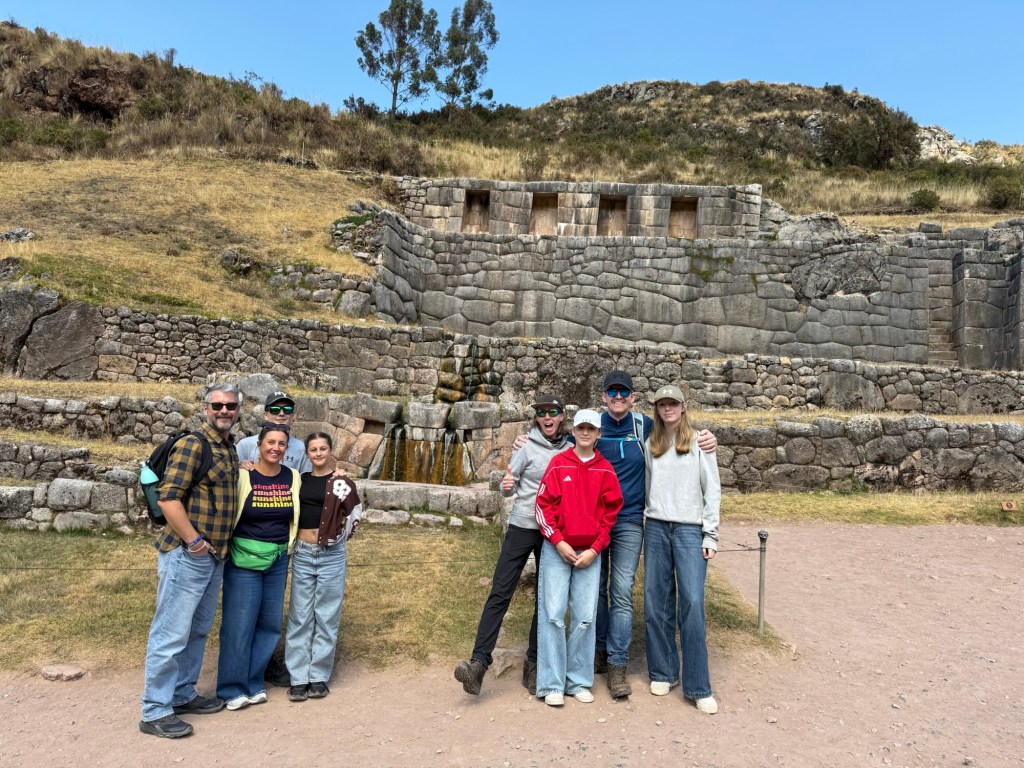
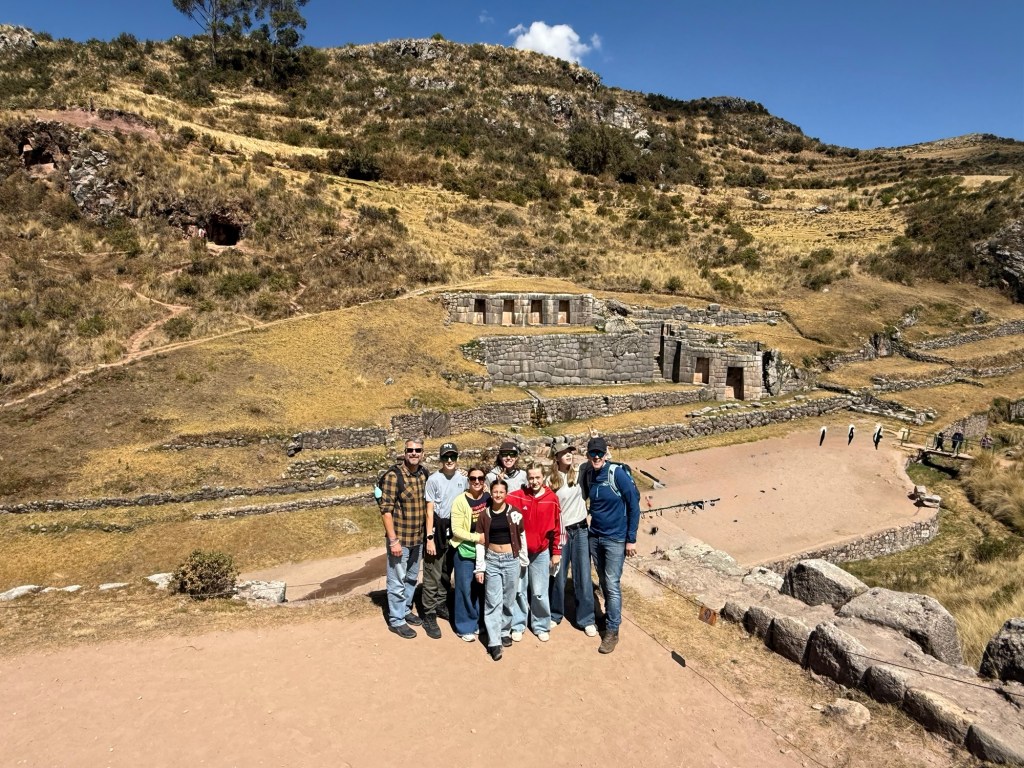
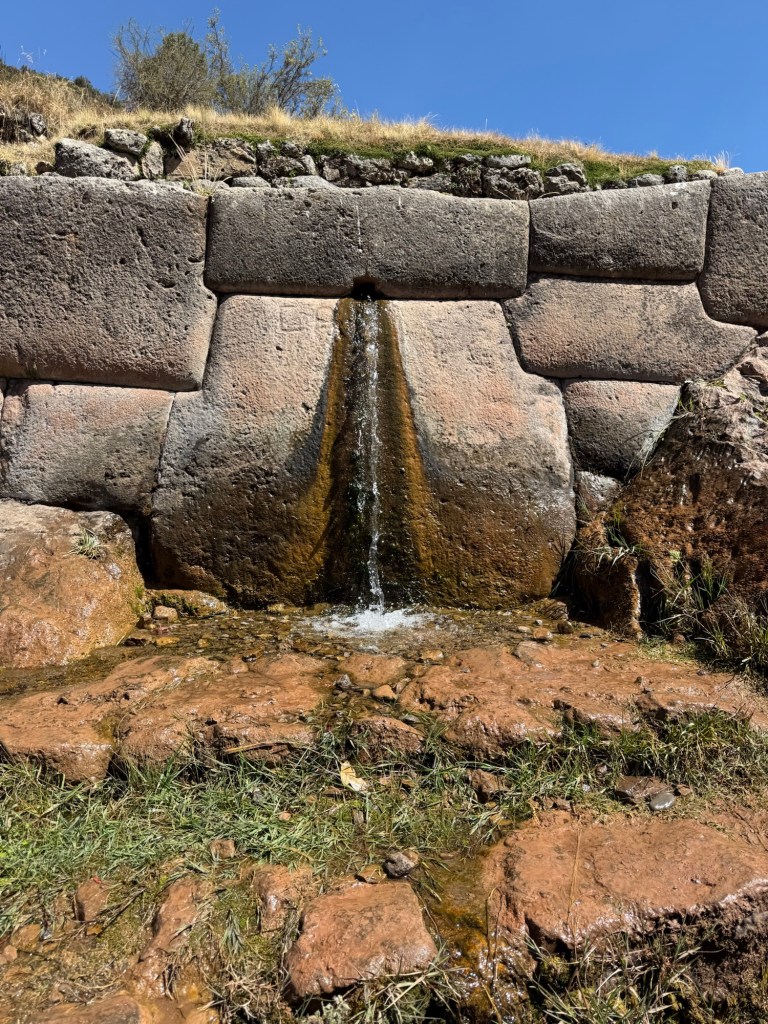
Thirdly, we visited “Tambomachay”, which means “resting spot”. Another name for this place is “Quinoa Puciu” (quinoa water or spring).

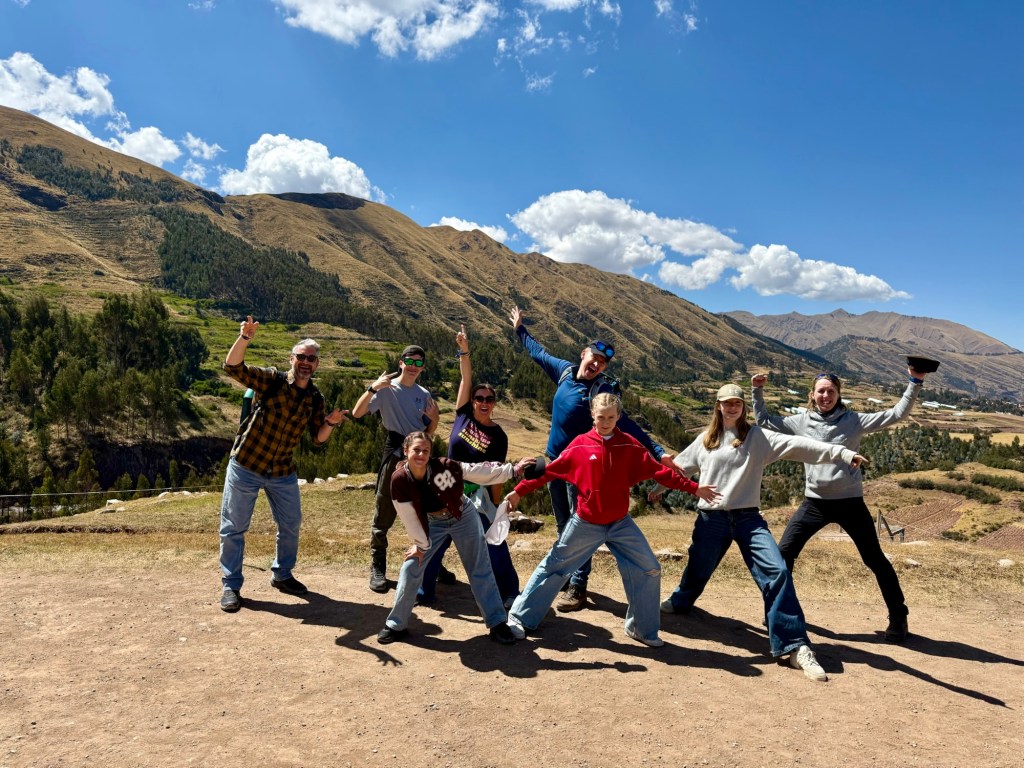
If you look at the photo of all of us, you can see four holes in the walls behind us, and two to the right. These spaces in the walls was where the Incas kept mummies. 

The four represents the 4 states of Peru as well as the 4 elements. The two represents the “janan-ting / wasing-ting” (male/female, day/night, sun/moon etc.)

The water here is very rich in minerals, clean, cold and sweet. You used to be able to drink the water, but about 10 years ago they stopped the public from doing it in order to preserve the site better.

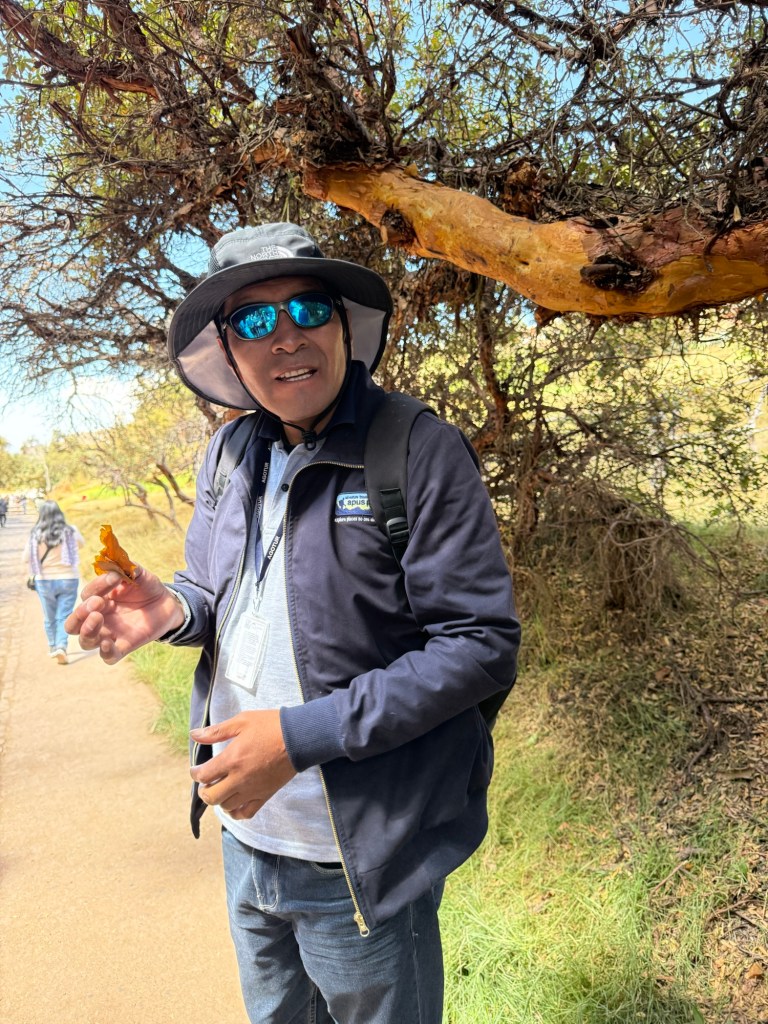
Raul also told us about the trees as we walked back to the exit. The picture of him is by the Qeyunia tree – the bark of this tree is used to reach a high. Local people will make a tea or chew it in order to reach a higher state of consciousness (We didn’t try it! – we’re too busy trying local remedies for altitude sickness!).


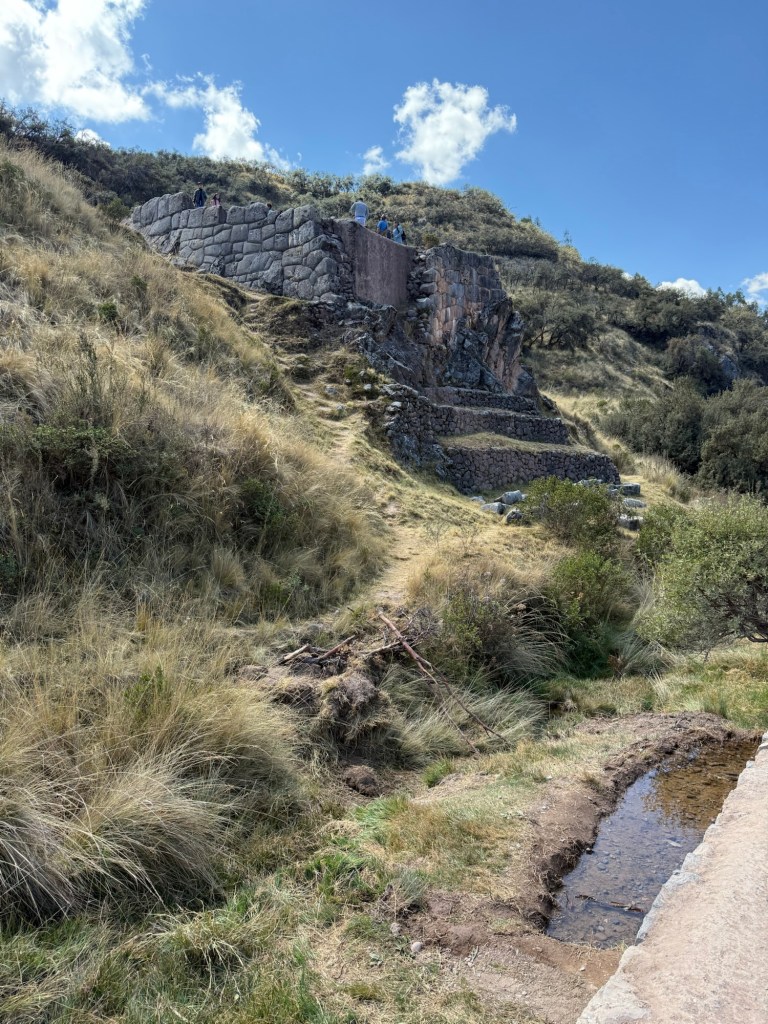
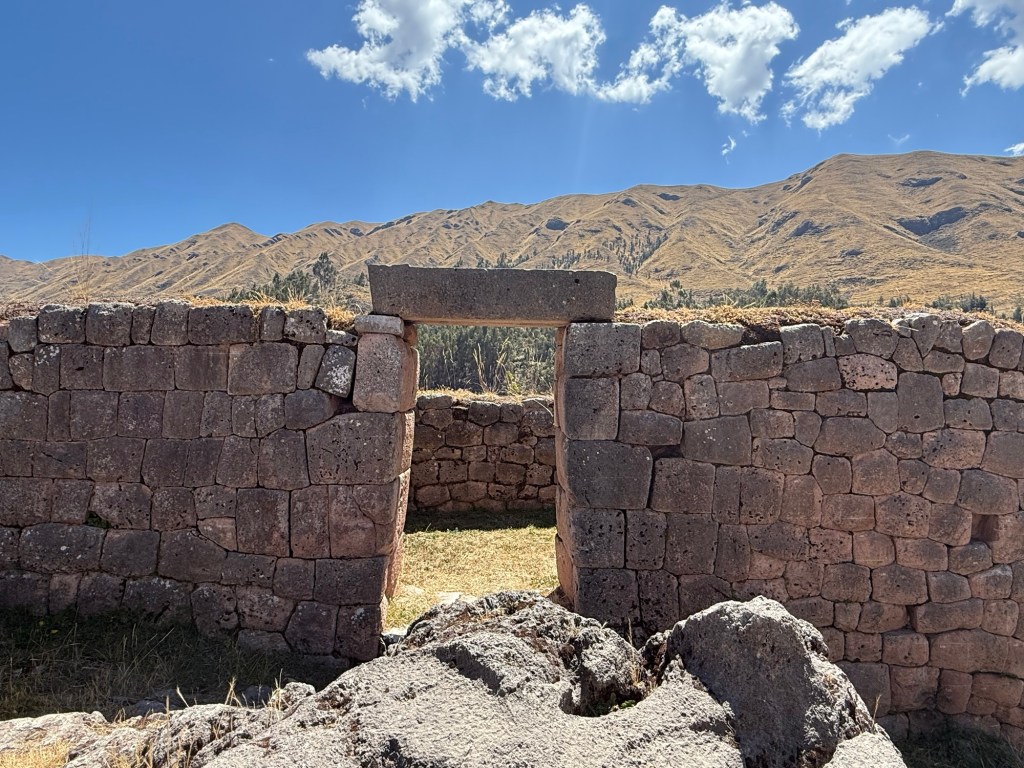
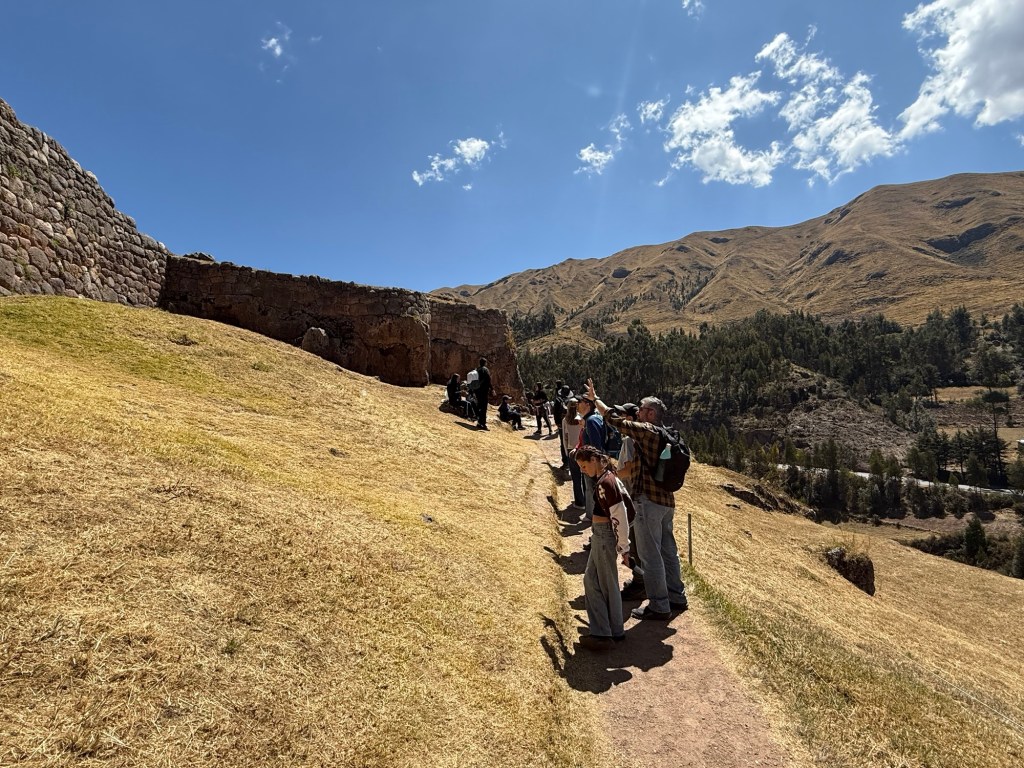
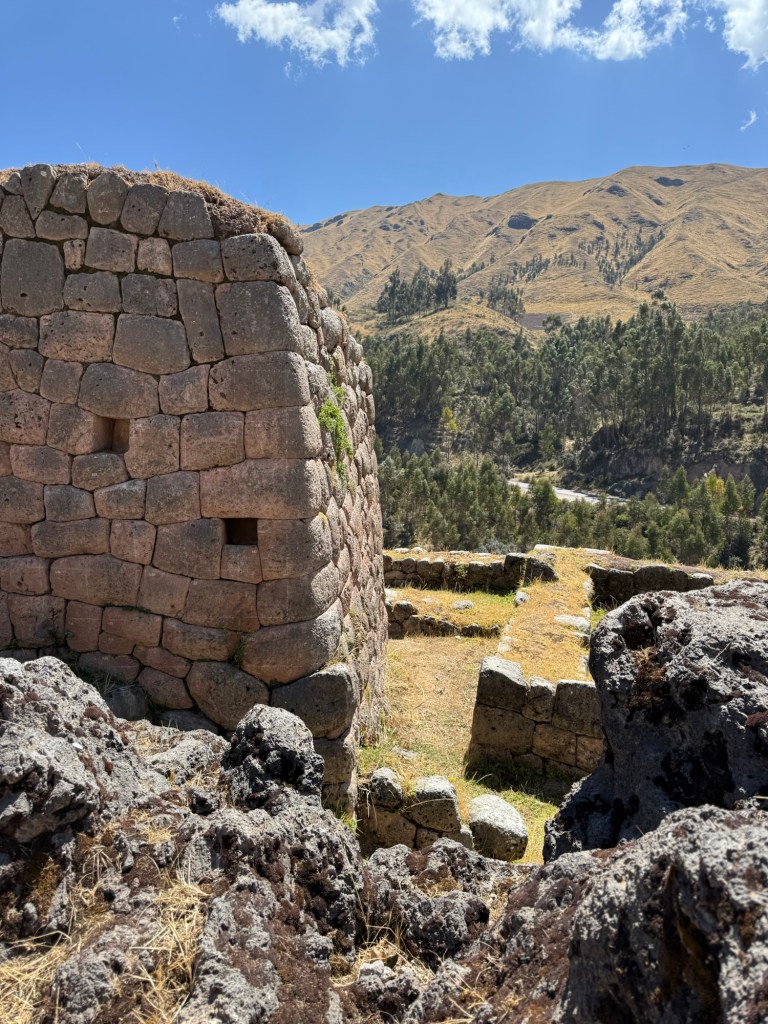
The fourth ruins were called “Puka Pukara”. Puka means red and Pukara means military spot. 

This area originally had a tower, which helped the Incas have a view of the whole valley. This was a control checkpoint (when people came from the jungle to Cusco). They brought (by llama) many things to trade.


After the ruins, we headed back into Cusco city and set off to find some lunch before we met Raul again for our afternoon walking tour.

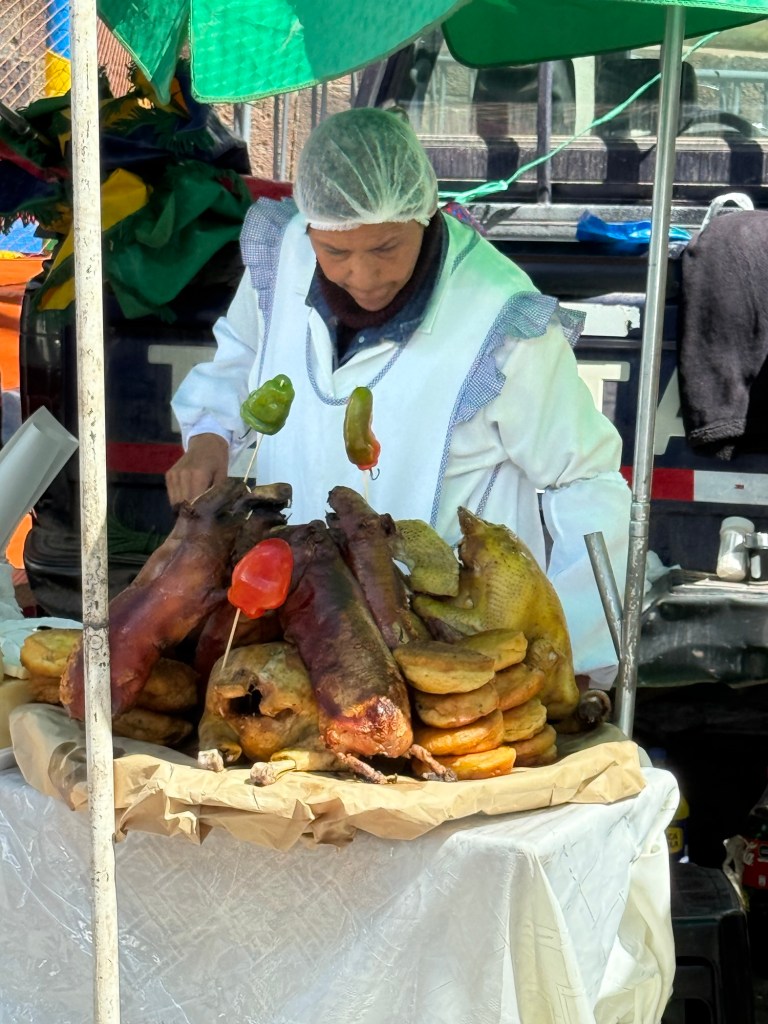
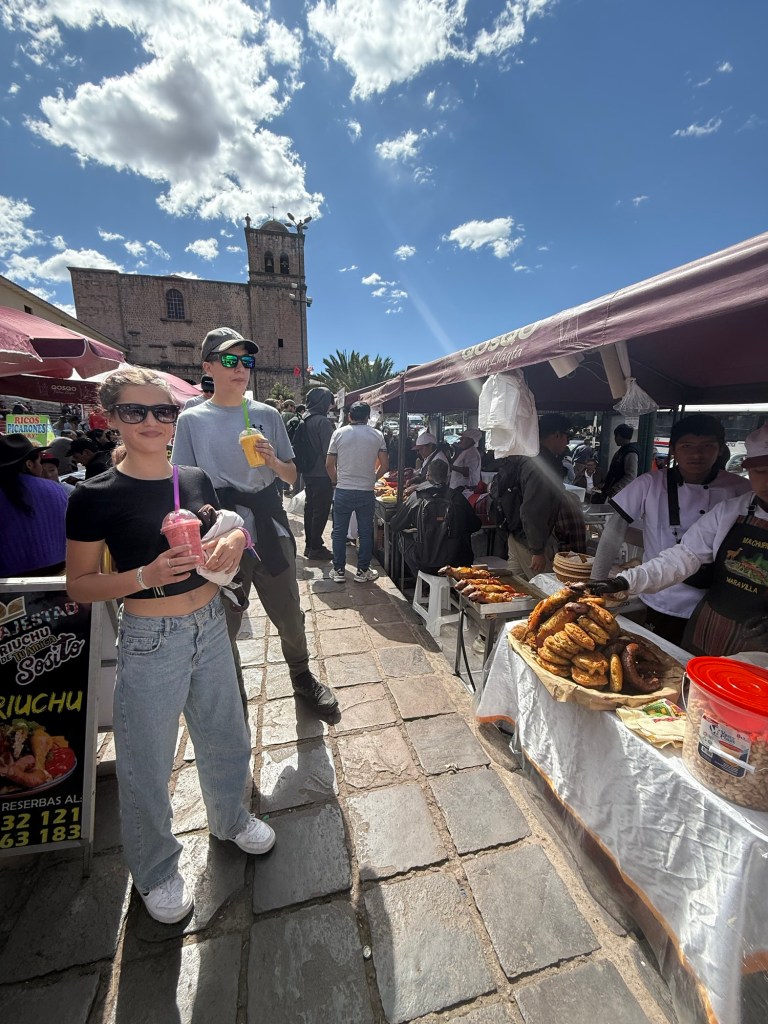
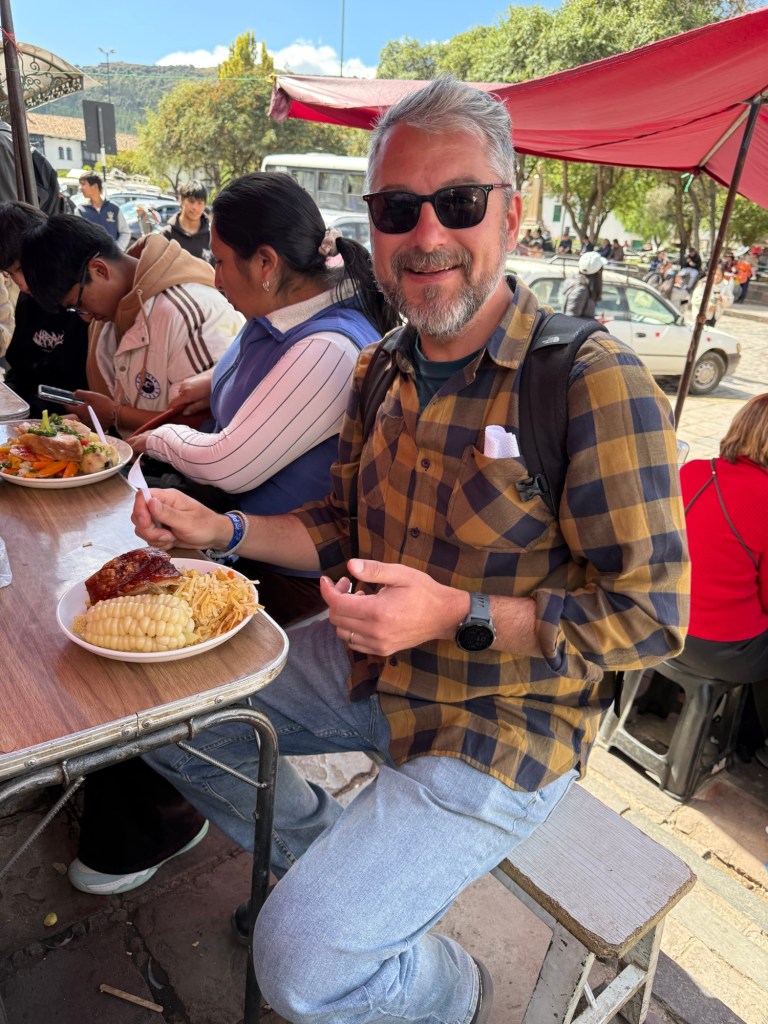
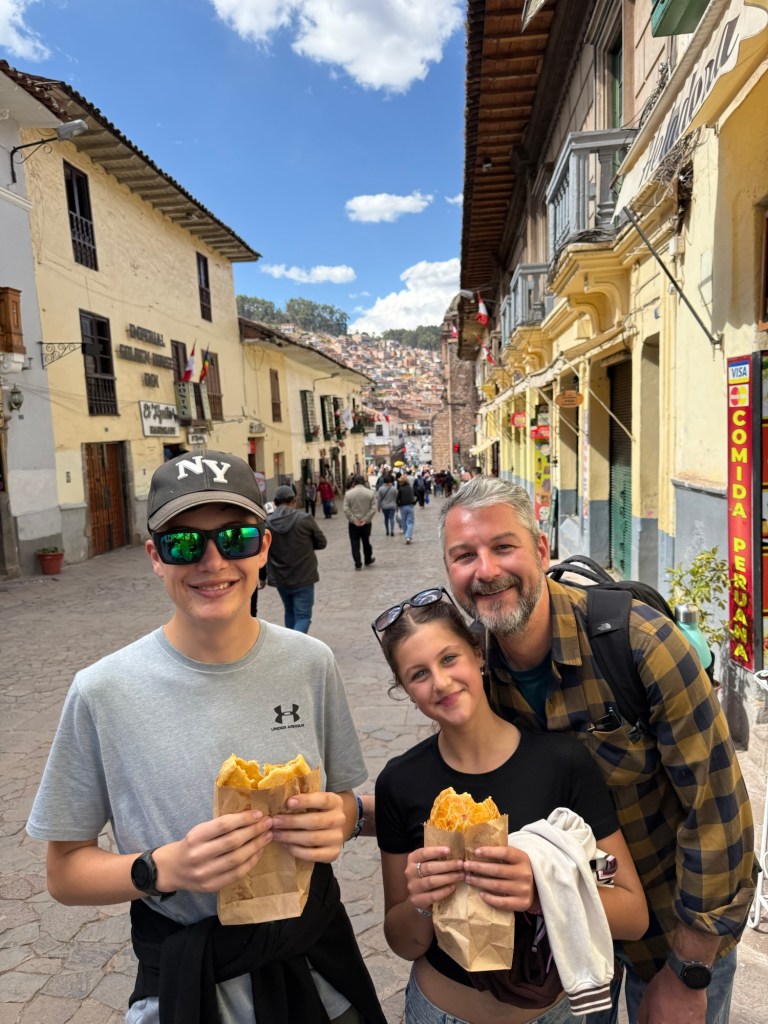
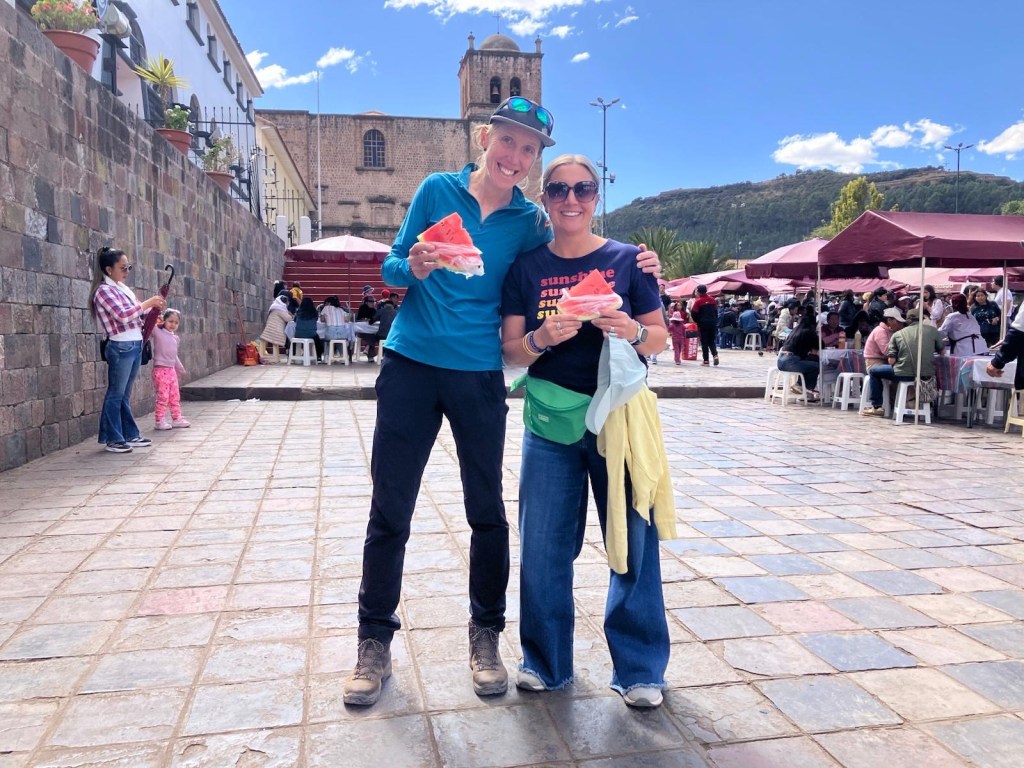
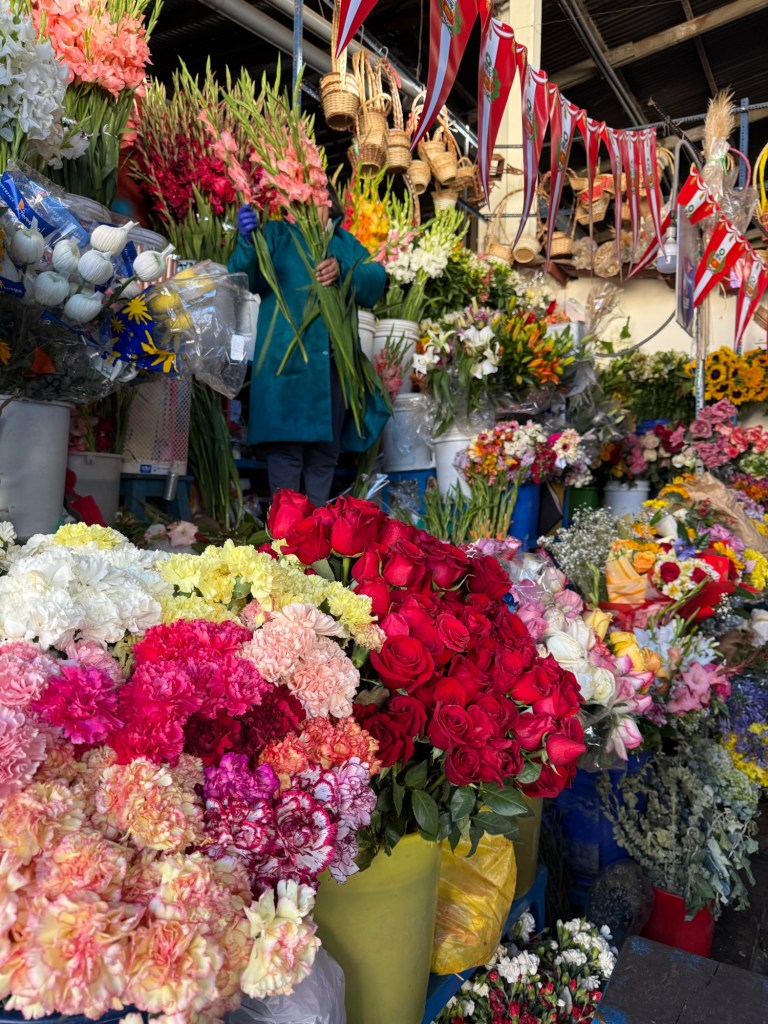
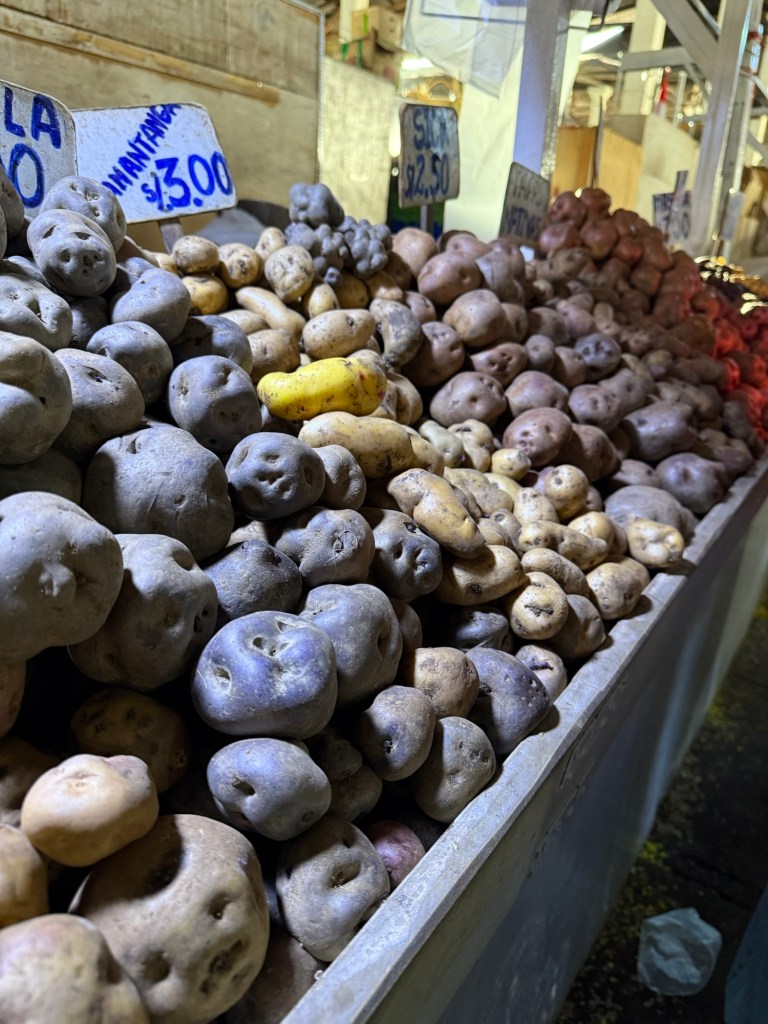
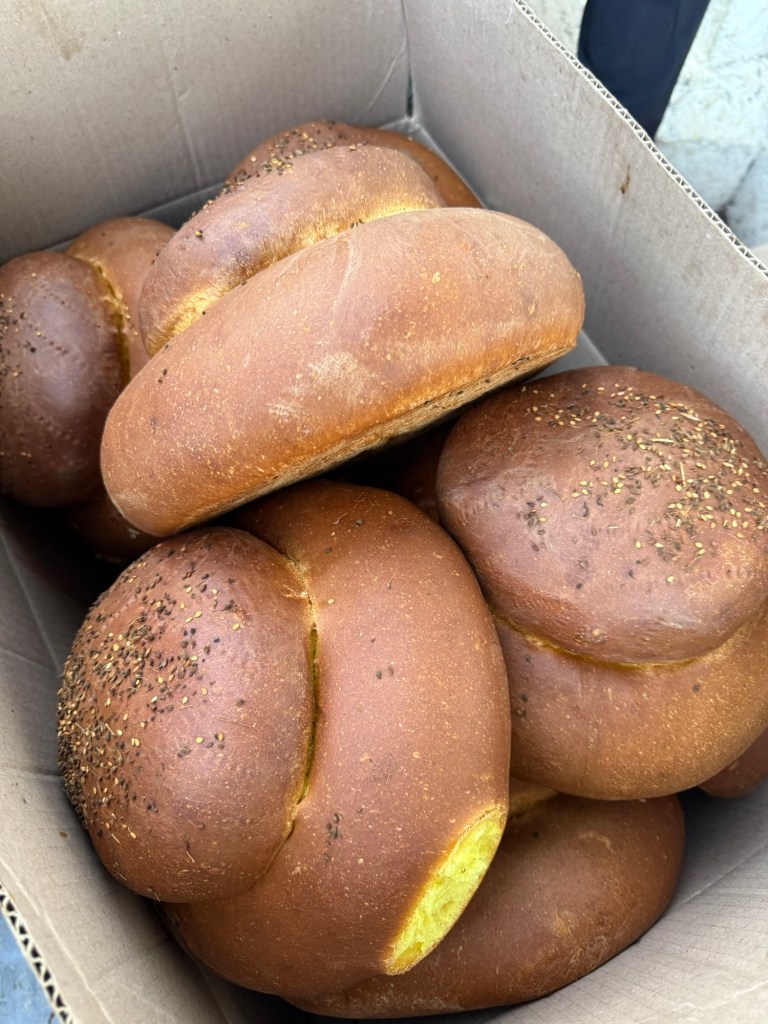
We enjoyed wandering the streets, and discovering a local market which sold (amongst the roasted guinea pigs!) delicious fruit sorbet drinks and fresh fruit. Martin sat with the locals and ate a plateful of pork, corn and spaghetti.


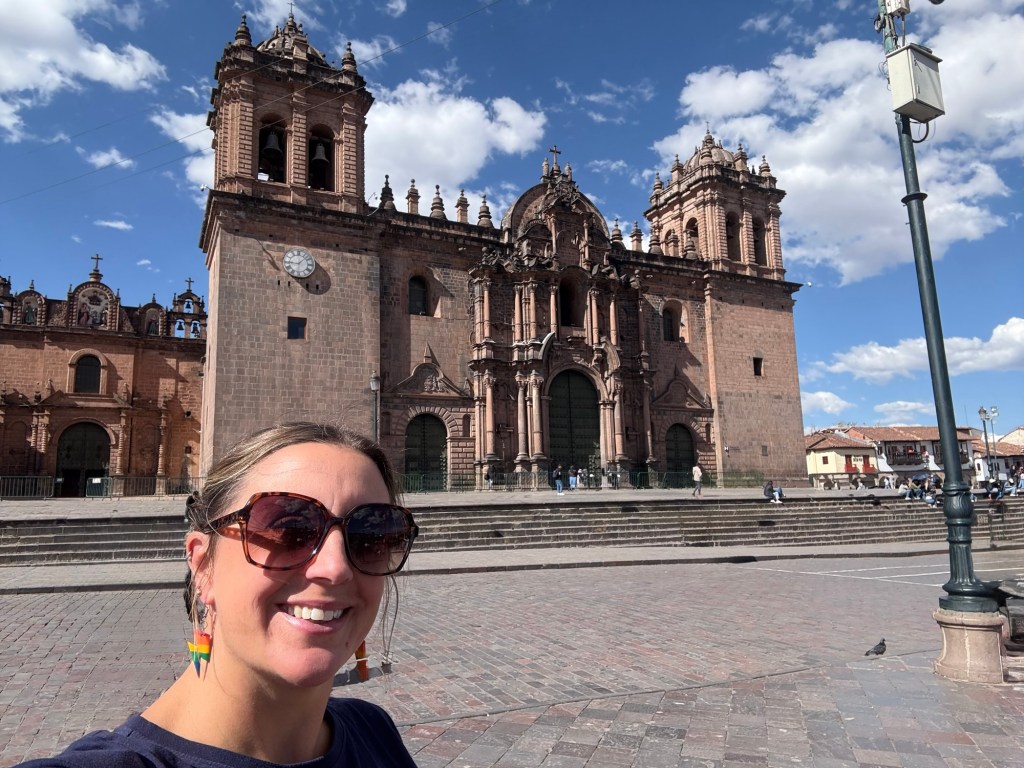
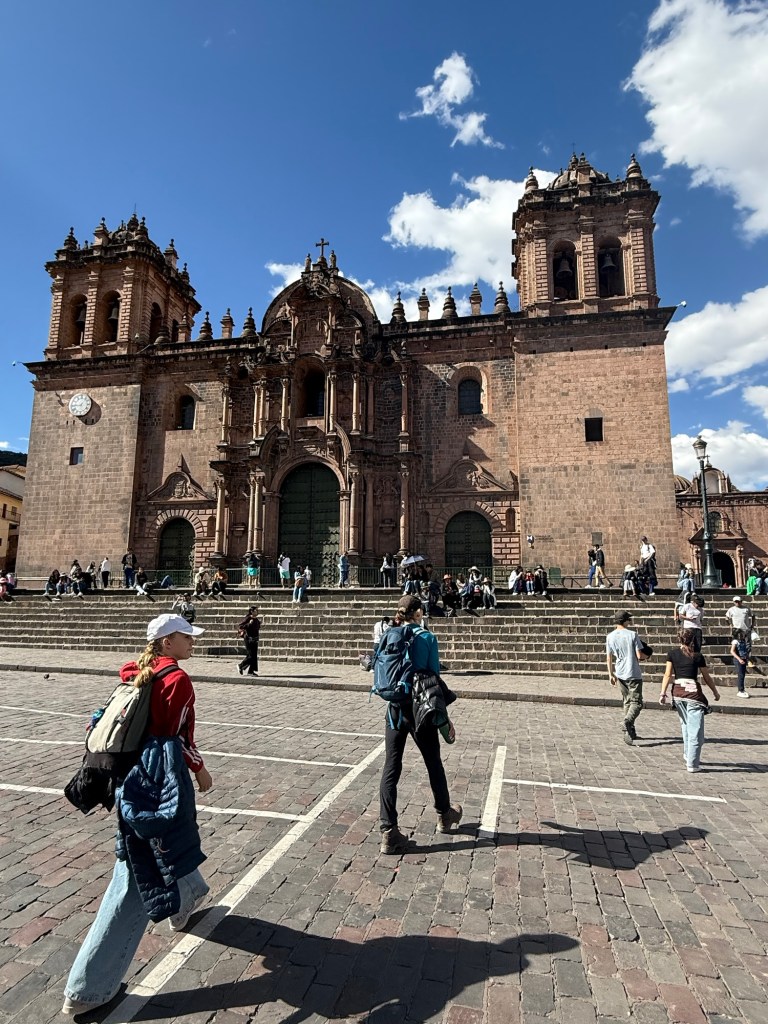
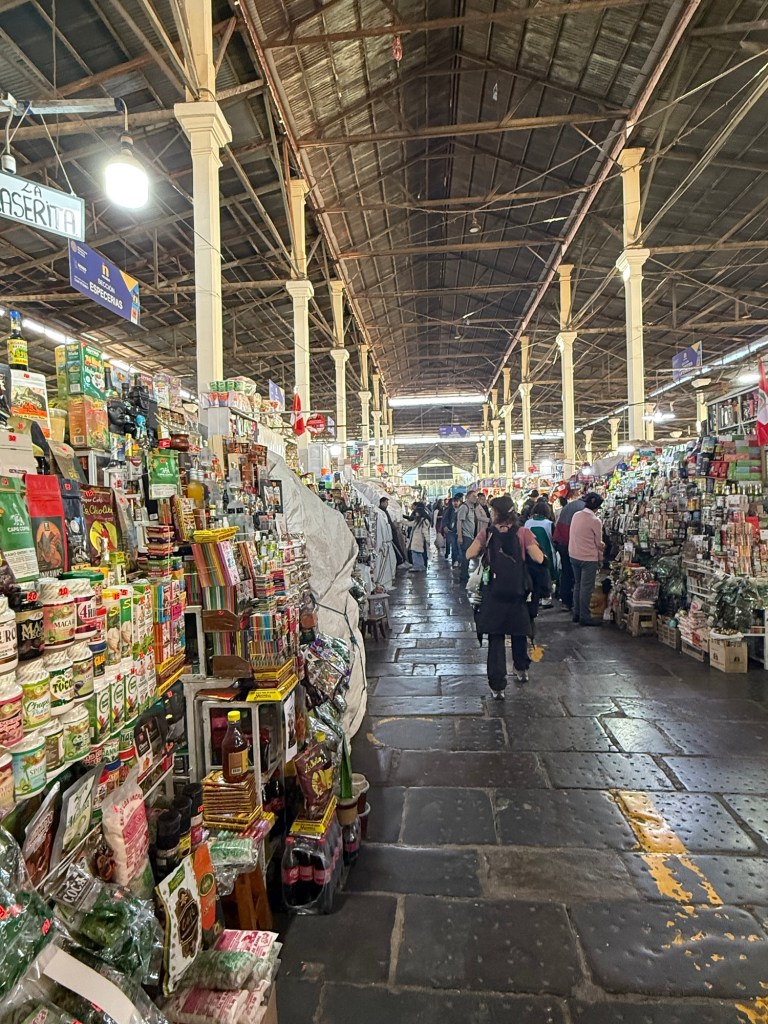
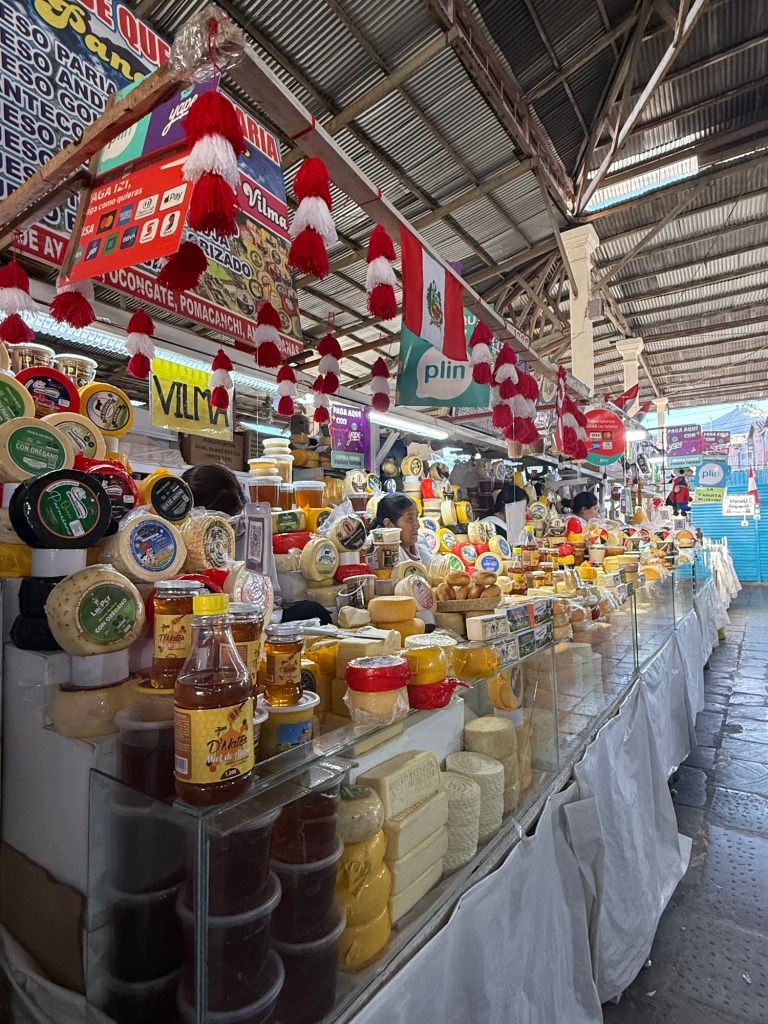
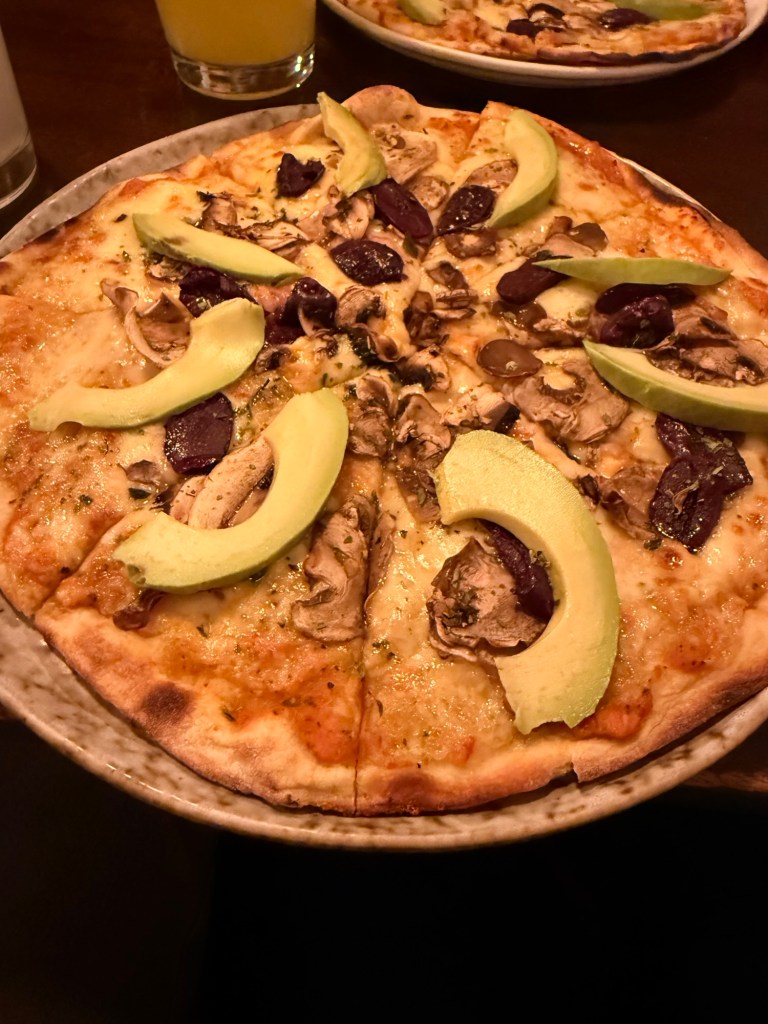
We spent the rest of the afternoon walking the city; we visited the Cathedral, took a local bus (1soles per person!) to the most well-known market in town and ended the day at a veggie/vegan restaurant enjoying delicious stone-baked vegetarian pizzas.


We were hanging by the end of the day, so it was back to the hotel for a shower and early bed again. We also had to do a quick sort out of clothes/bags/laundry, as tomorrow we are leaving our big rucksacks behind in our hotel. We are heading towards the Inca Trail and Machu Picchu… and for that we can only take our day packs with everything we need for the next 3 days.

Journeying from Puno to Cusco…


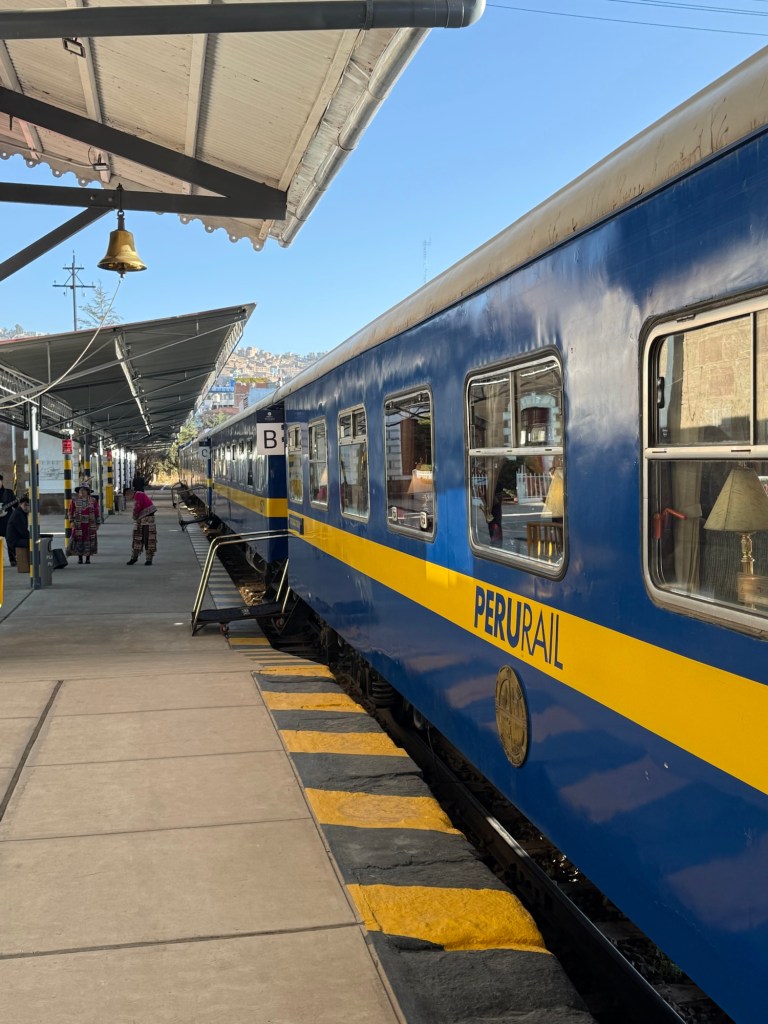
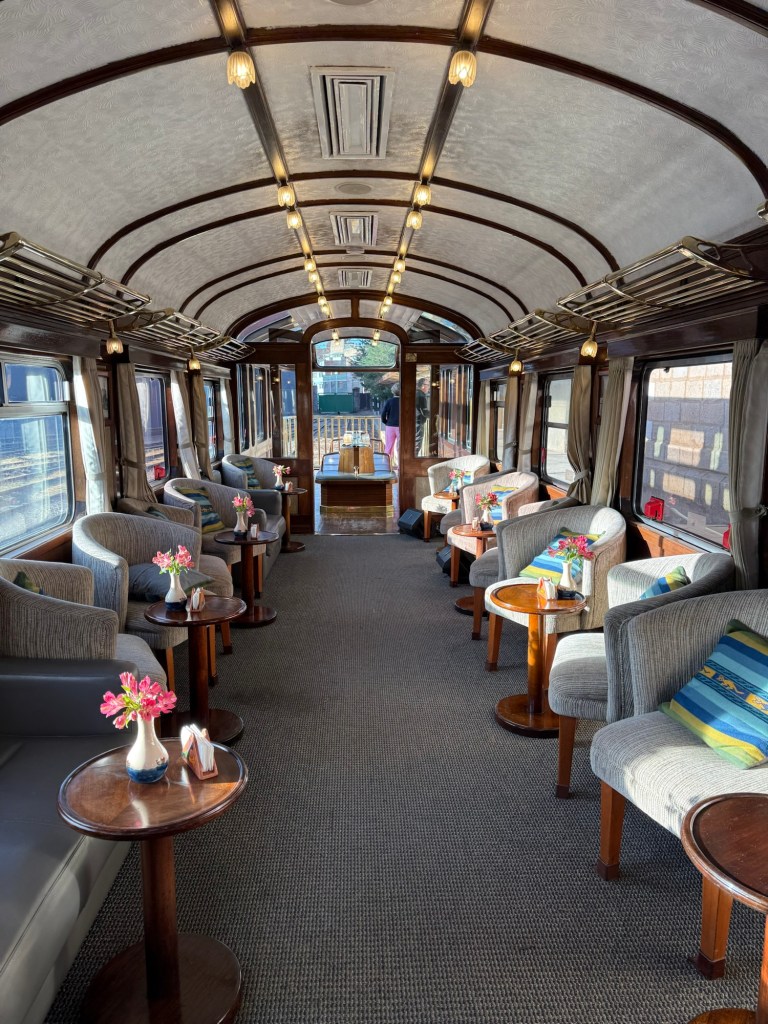
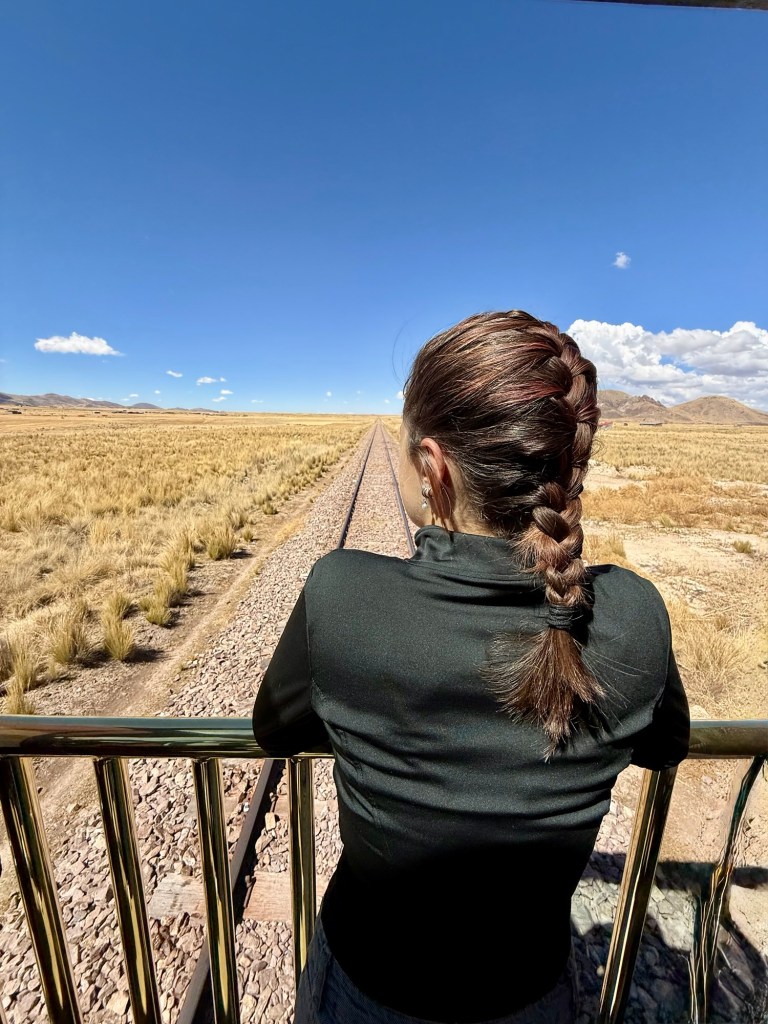
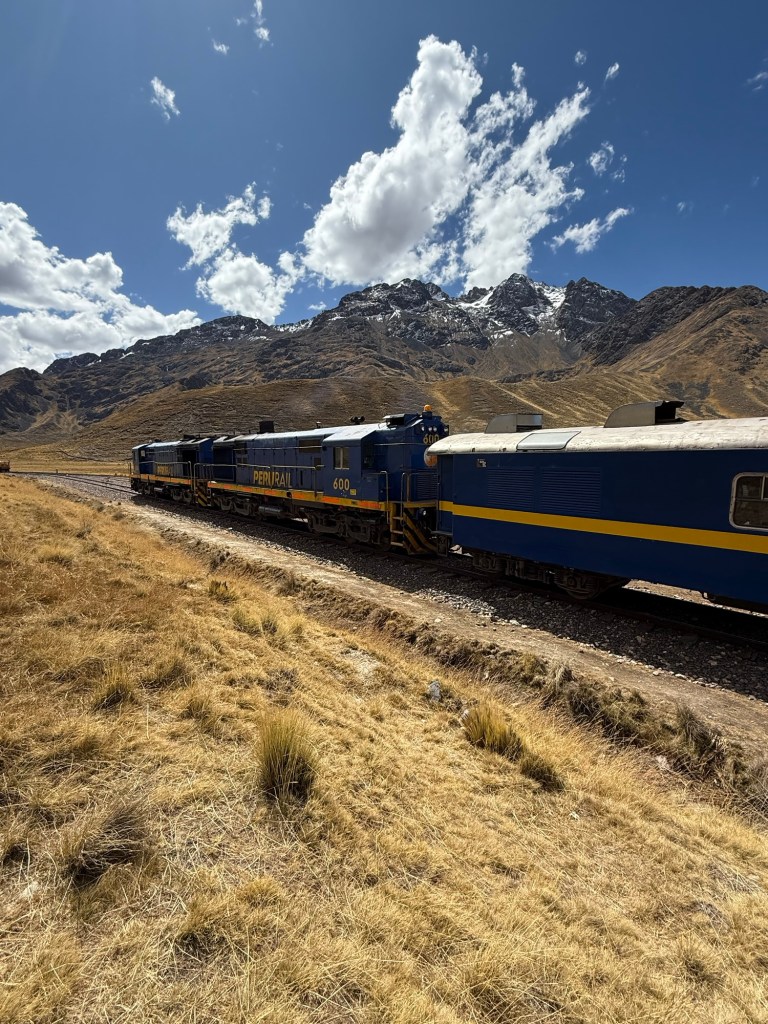
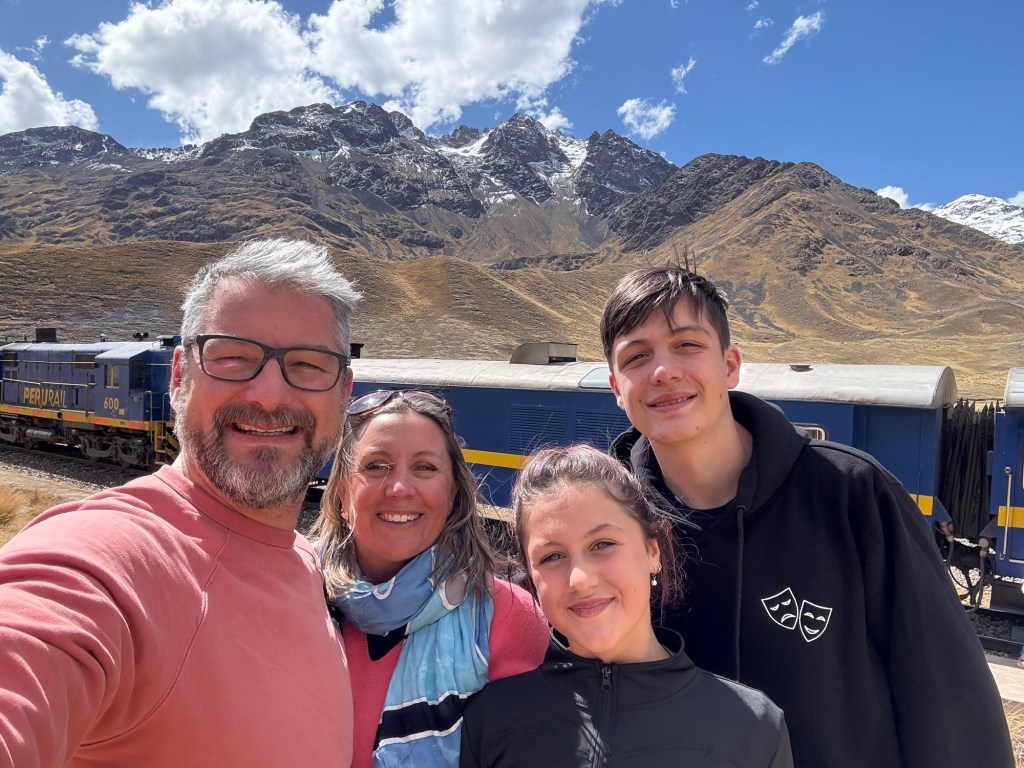
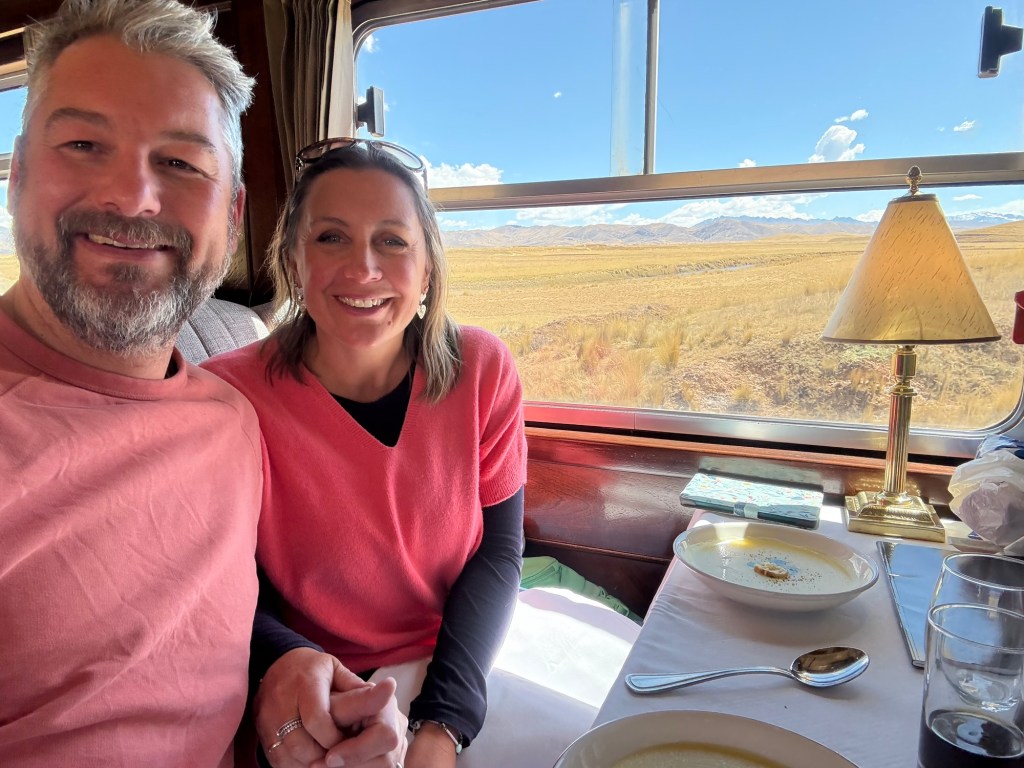
On Saturday 2nd August, we arrived at the PeruRail station eager to begin our journey to Cusco. We had chosen not to fly there, but rather take the picturesque journey northward by train.

The journey from Puno to Cusco takes around 11 hours, so we settled in and prepared to enjoy the views and the service.


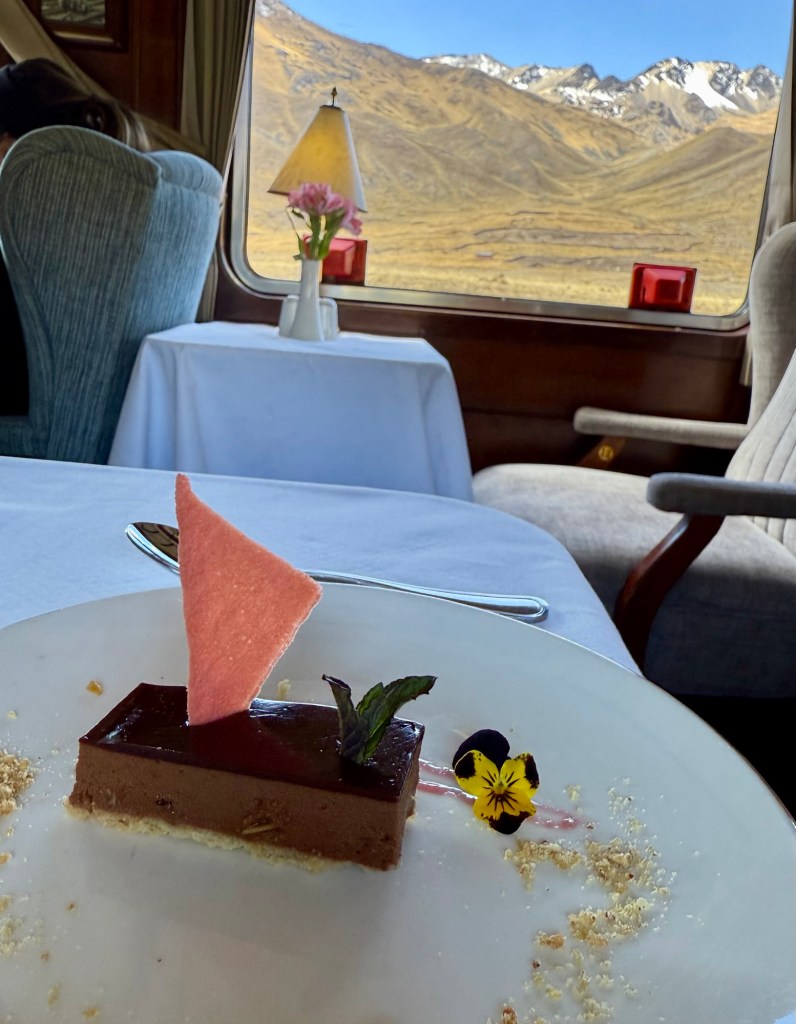
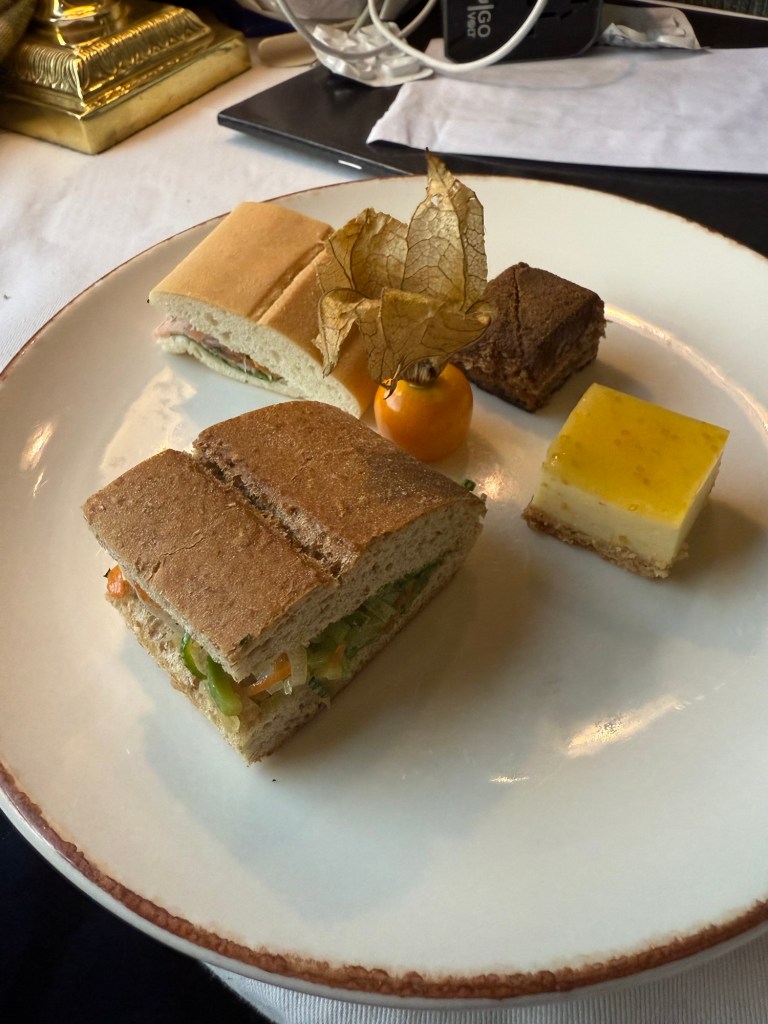
We basically spent the day in comfortable armchairs, being served drinks and food throughout the day, yes please.


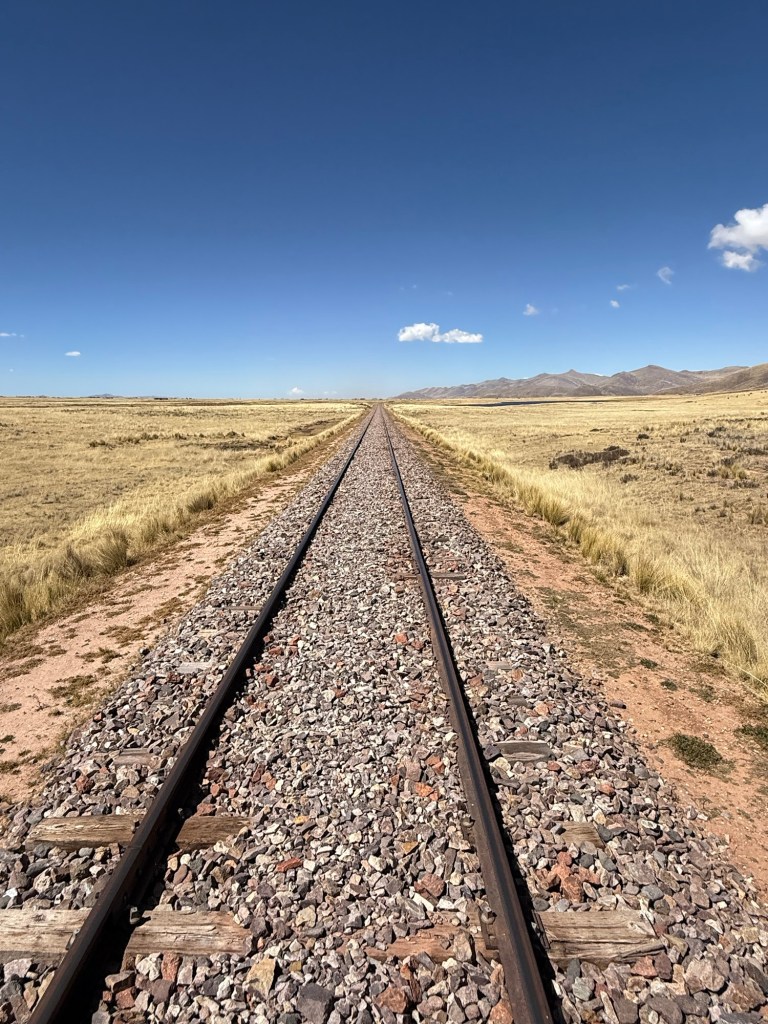
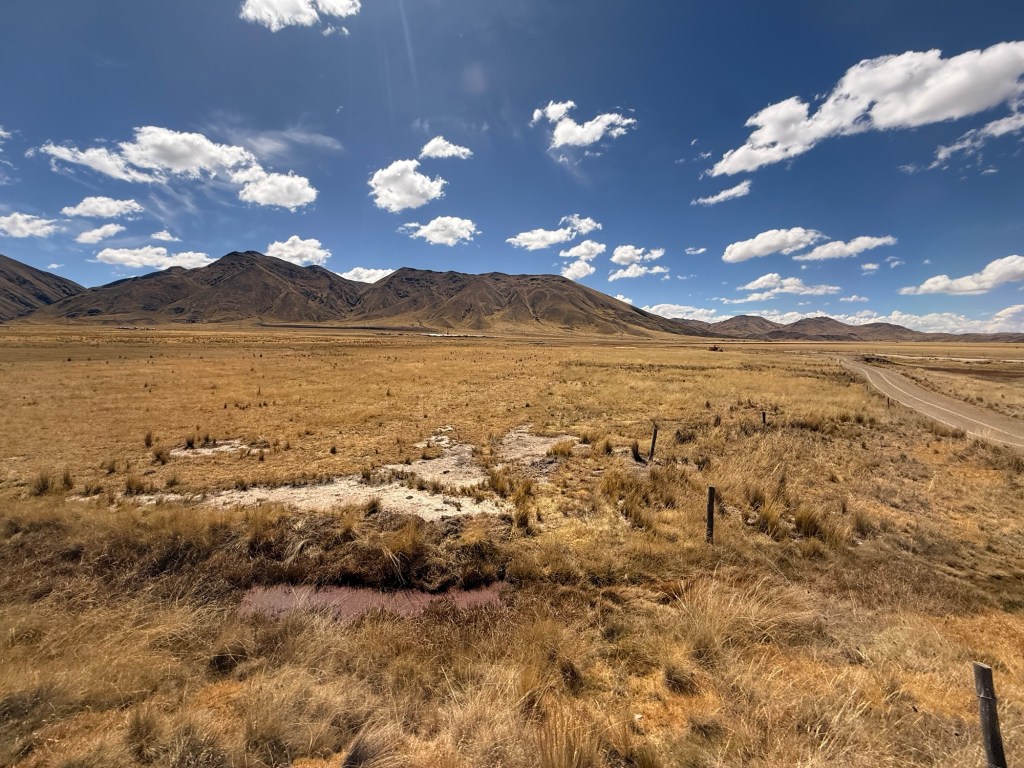
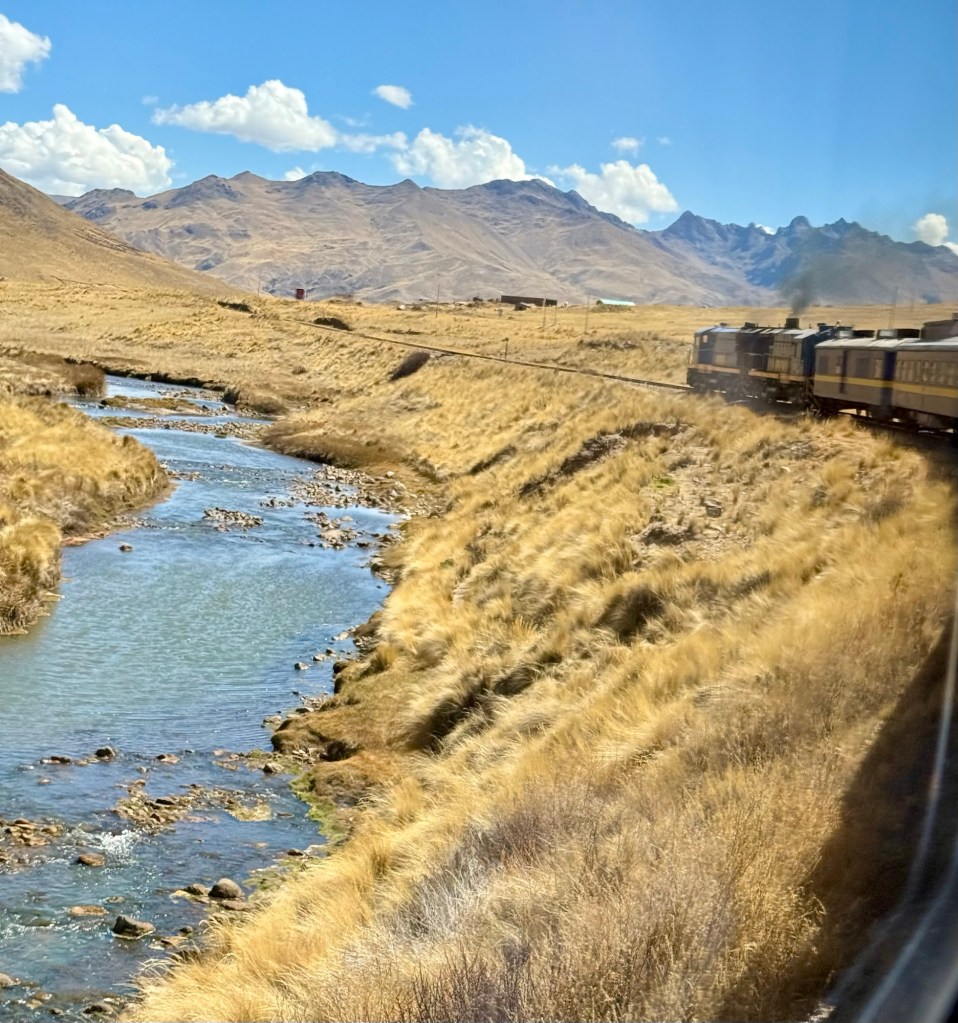
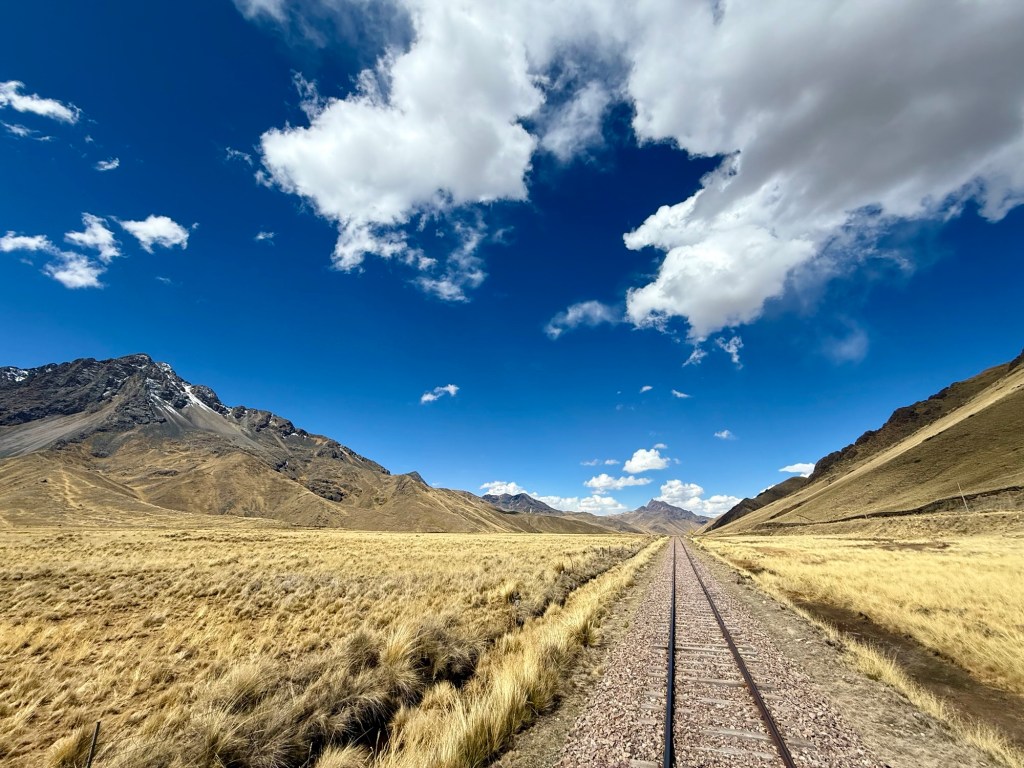
The real treats, however, were the views. Just stunning, and so diverse as we travelled up the country.


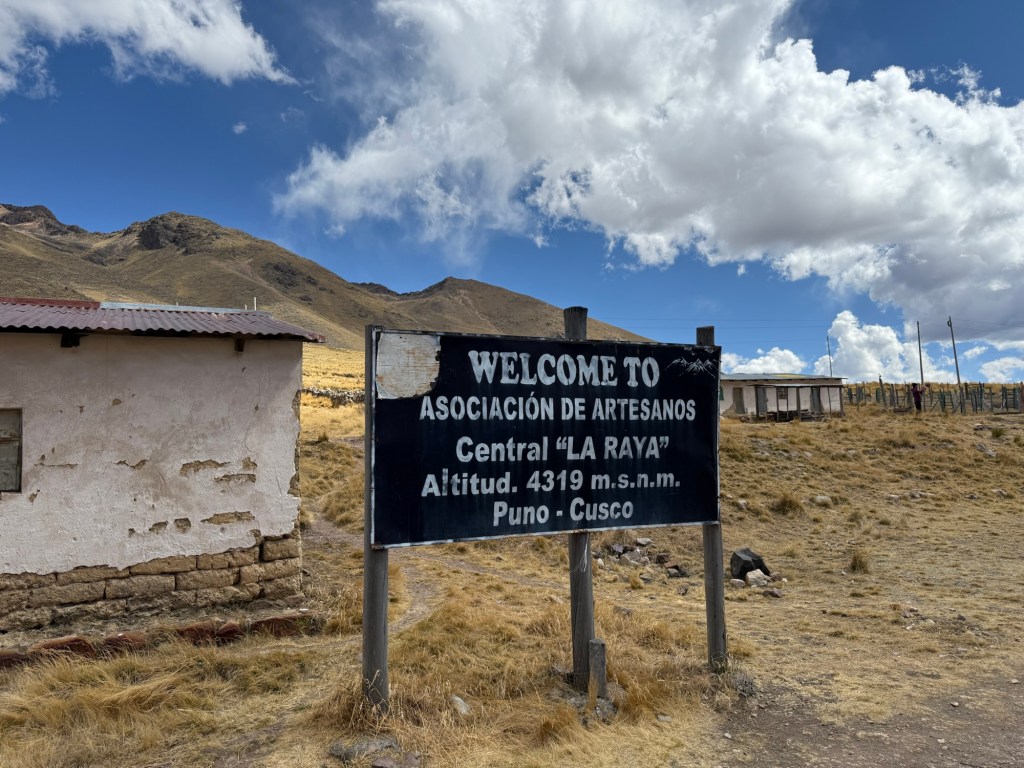
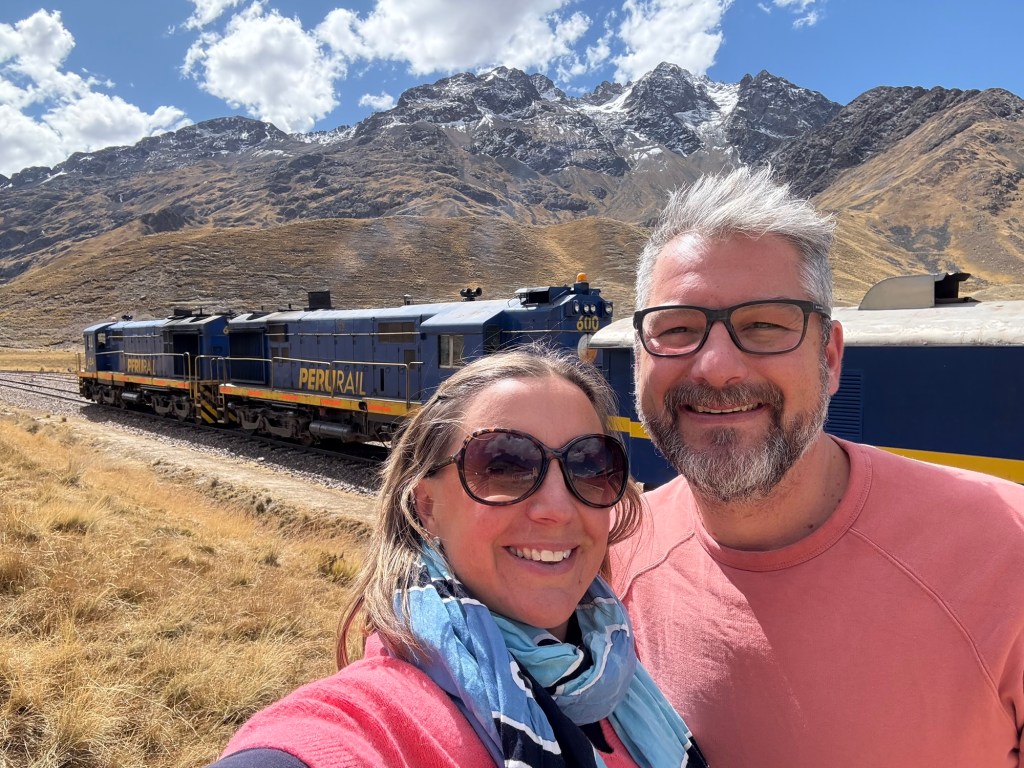
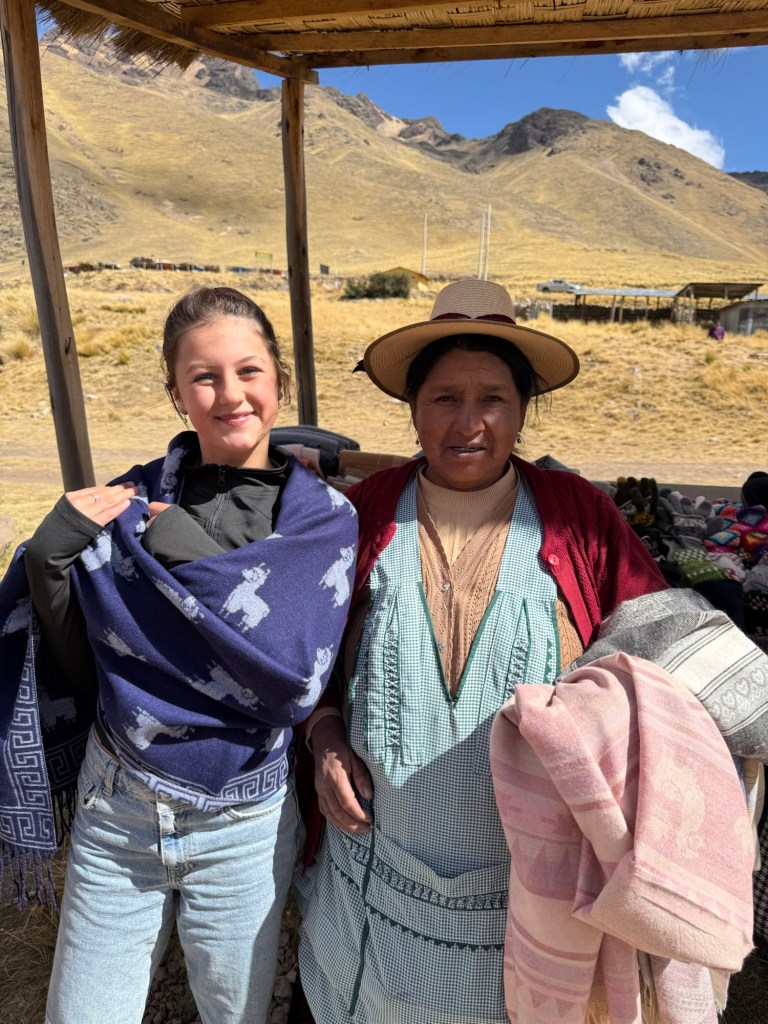
In the middle of our journey, the train stopped for 10 minutes at its highest point (4319m), to allow us to take some photos and enjoy the views. Sylvie chatted to a lady selling various items made from llama wool, and couldn’t resist buying herself a scarf.

You could immediately tell we were at higher altitude here, as soon as we got out of the train it was trickier to breathe while walking, and the altitude headaches were back. Thankfully, it was only a 10 minute stop and we were soon back inside and continuing on our journey.


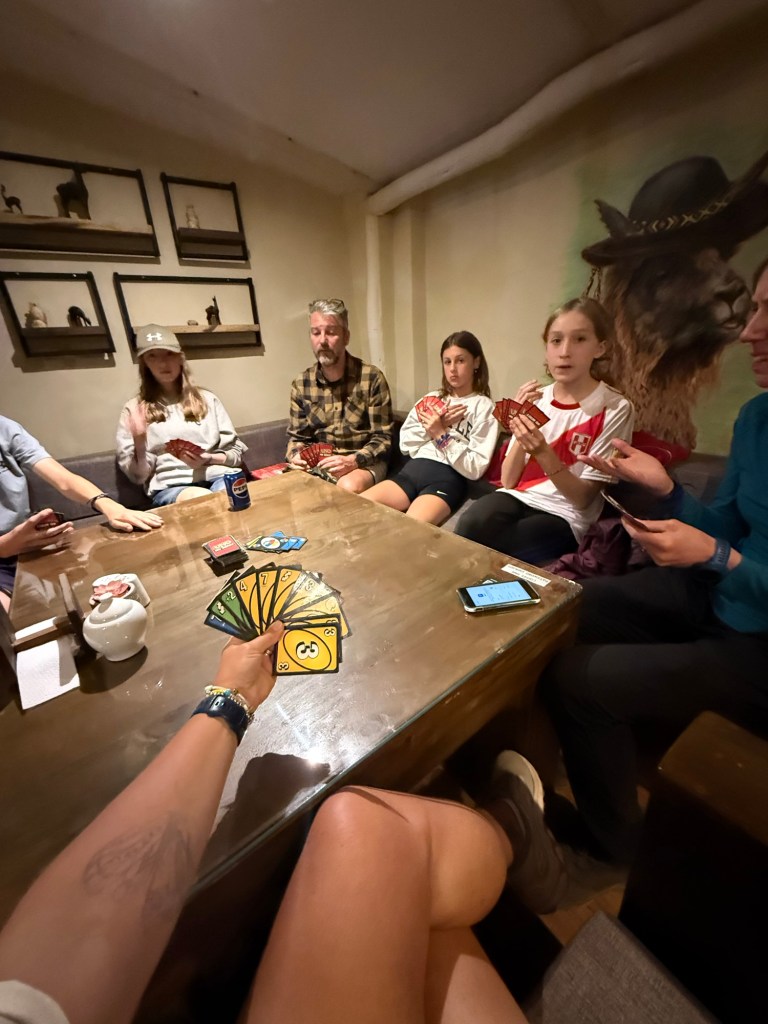
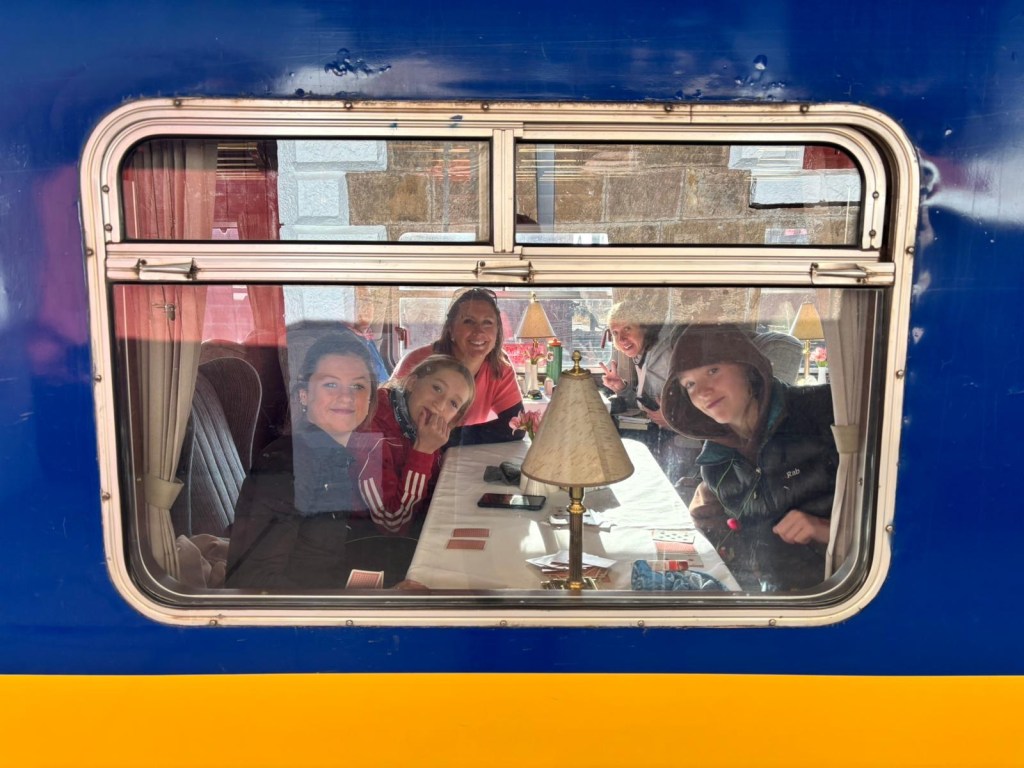
It was quite a day! All of us commented later on that it definitely didn’t feel like 11 hours, the time passed very pleasantly – we played cards, read books, ate good food and of course, thoroughly enjoyed the scenery.

We arrived in Cusco later that evening, collected our rucksacks and went out to meet our driver. He got us safely to our hotel and we basically skipped dinner, showered, unpacked and were all asleep by 9pm!

Lake Titicaca: Uros Islands

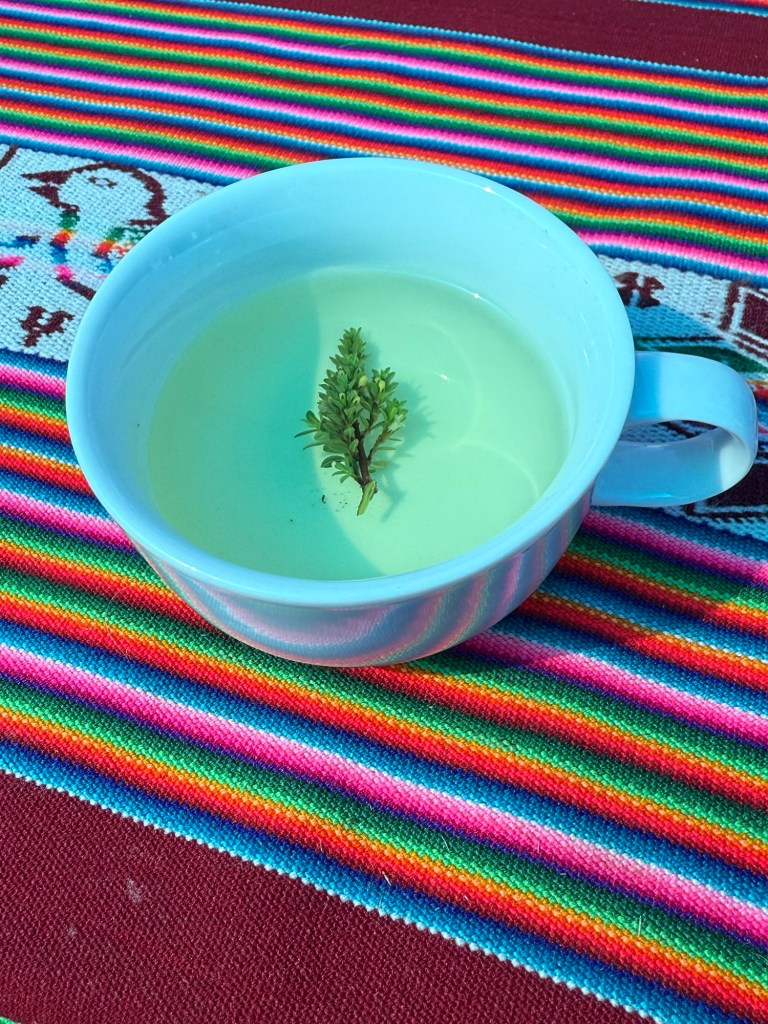
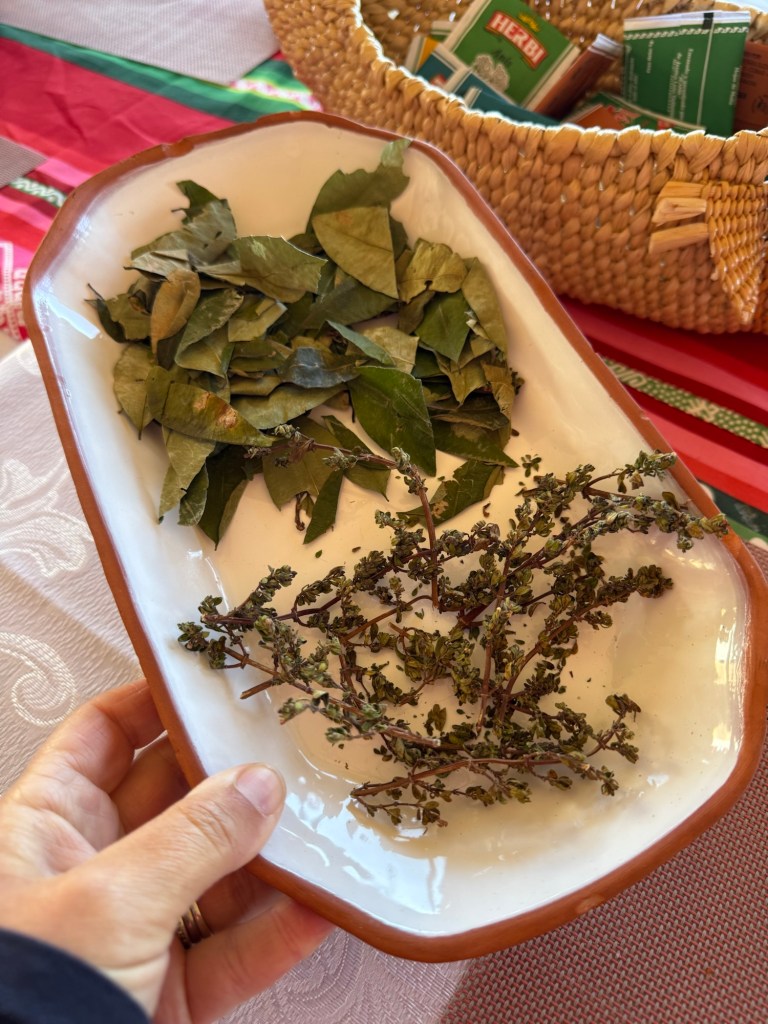
A lovely leisurely start to the day today meant breakfast at 8:30am and time for more rest and chill. Thank goodness as several of us were feeling worse again from the altitude…. cue more aspirin, paracetamol and coca tea!

At 10:30 we hopped on Huan’s boat (with his 12 year old grandson Axel driving again), and set off to explore the various Uros Islands.

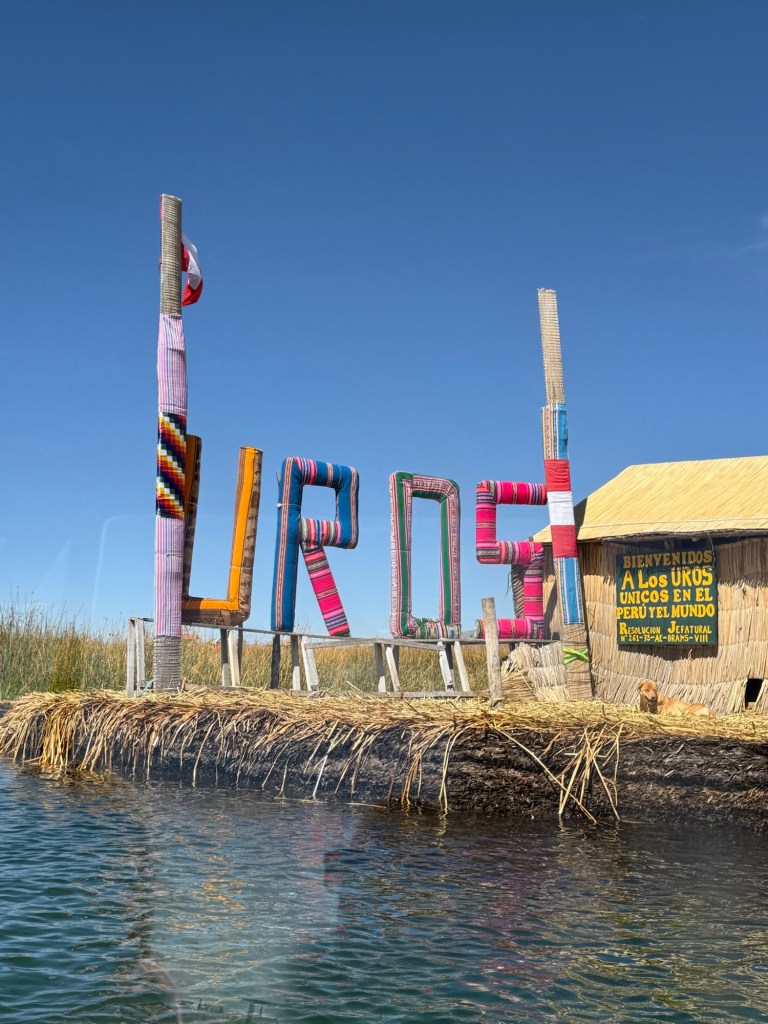
There are 120 islands here in total, with about 4 or 5 families living on each one. Uros means “son of the sun”, and the people here are fiercely proud of their culture.

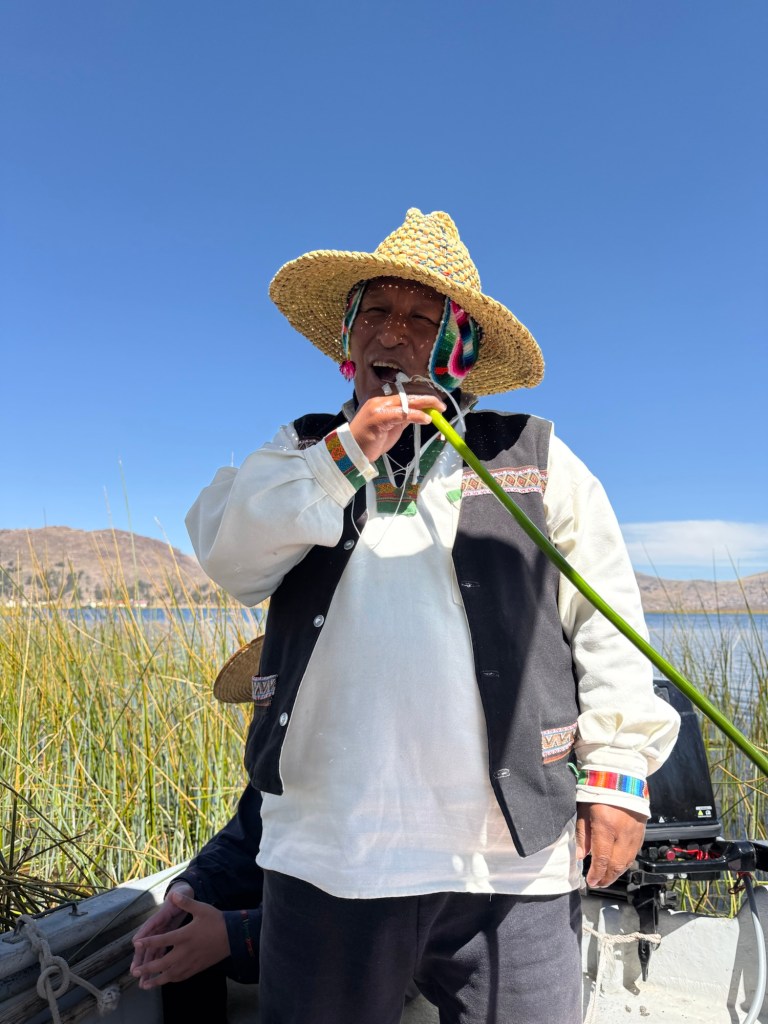
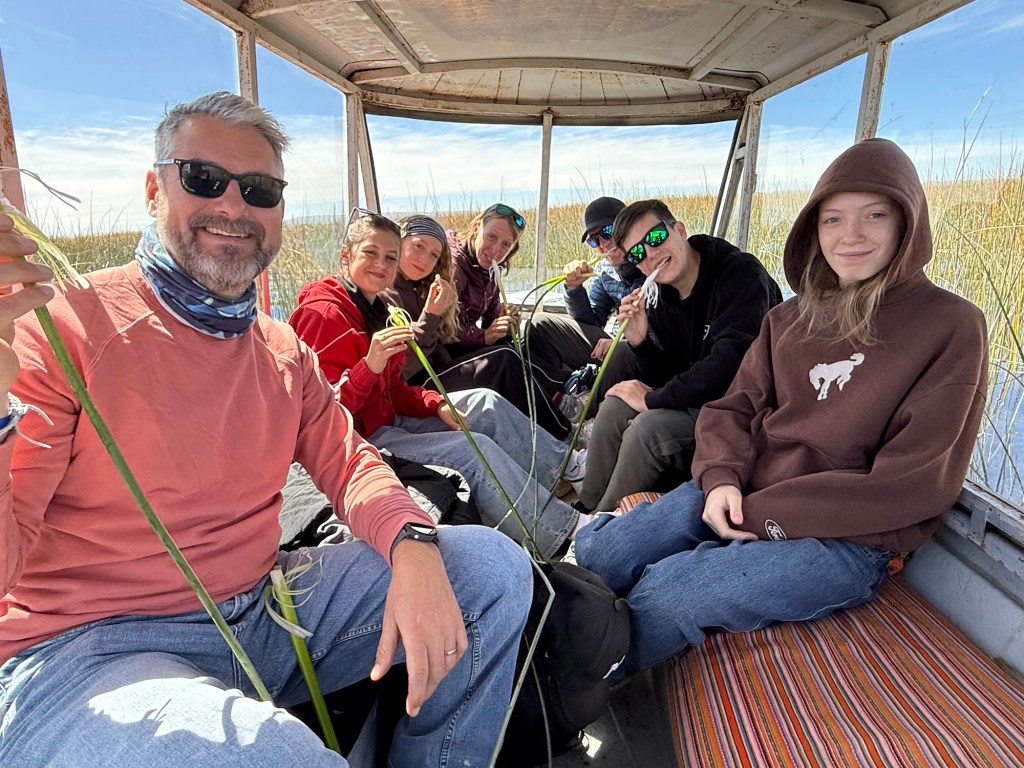
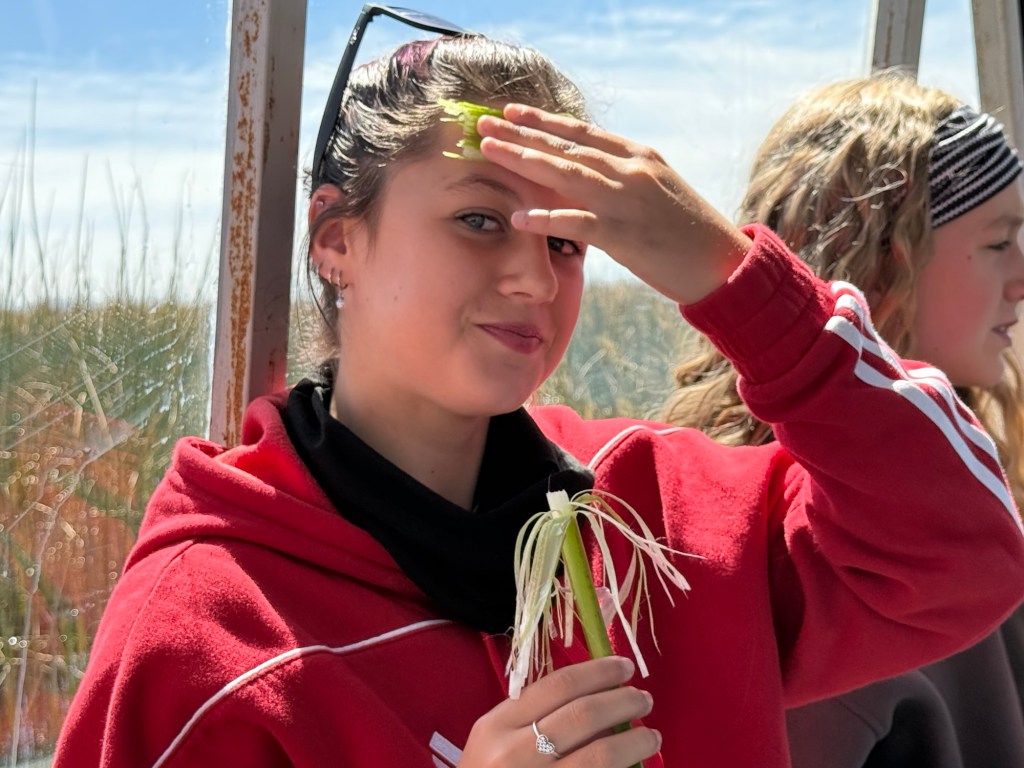
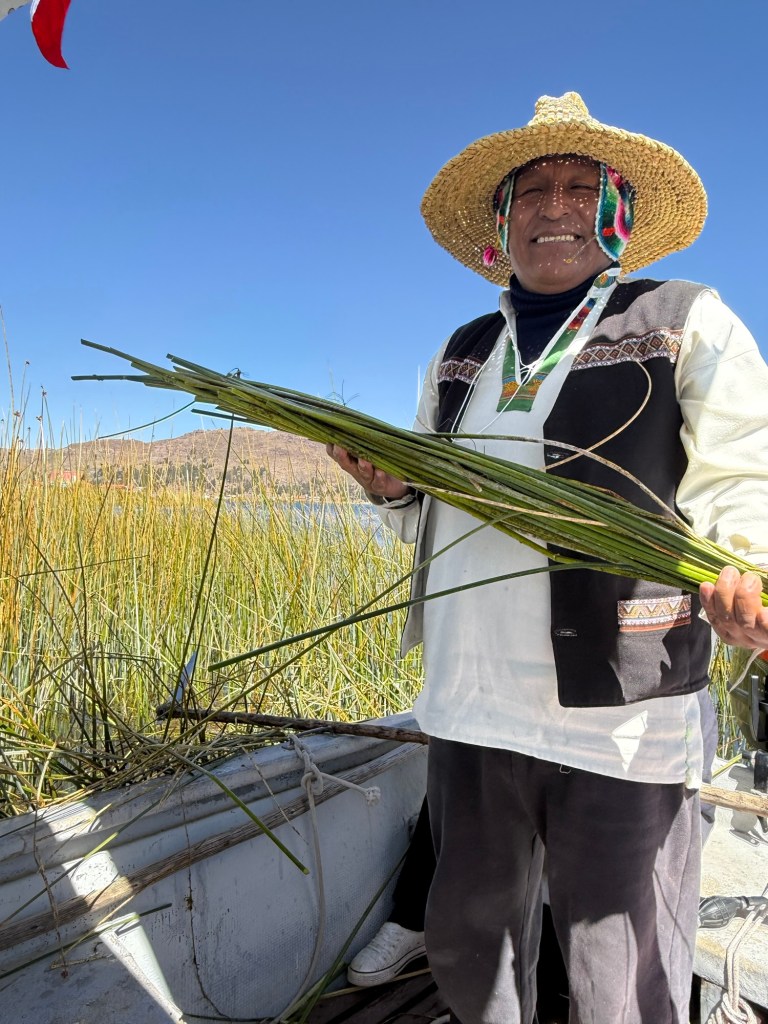
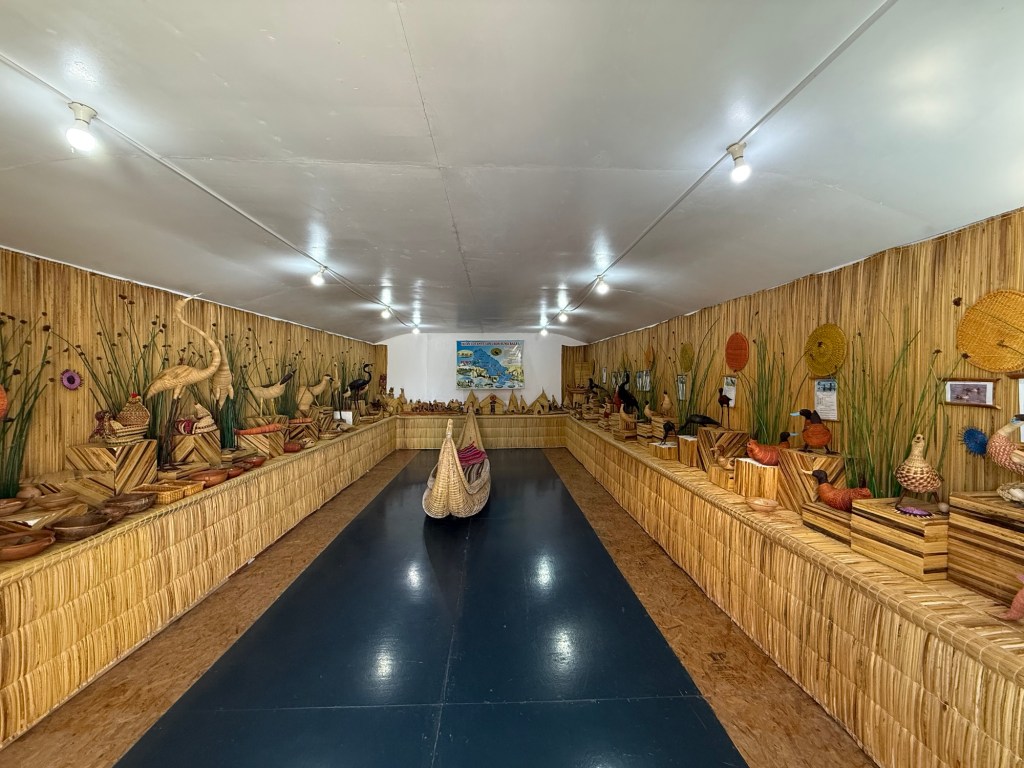
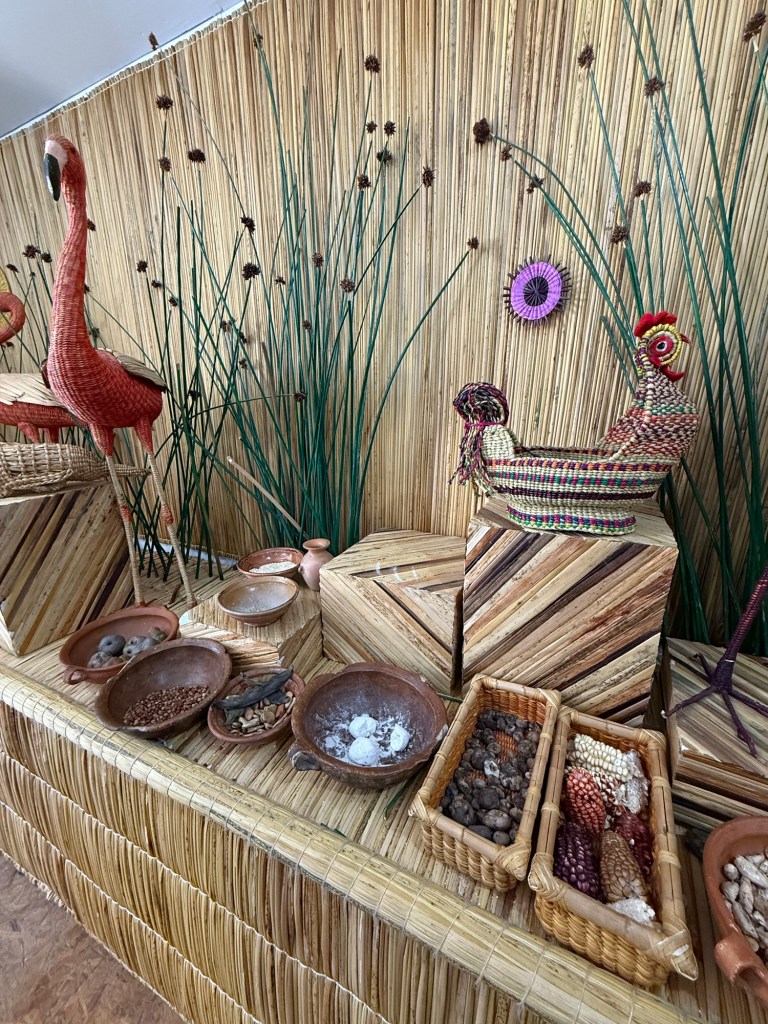
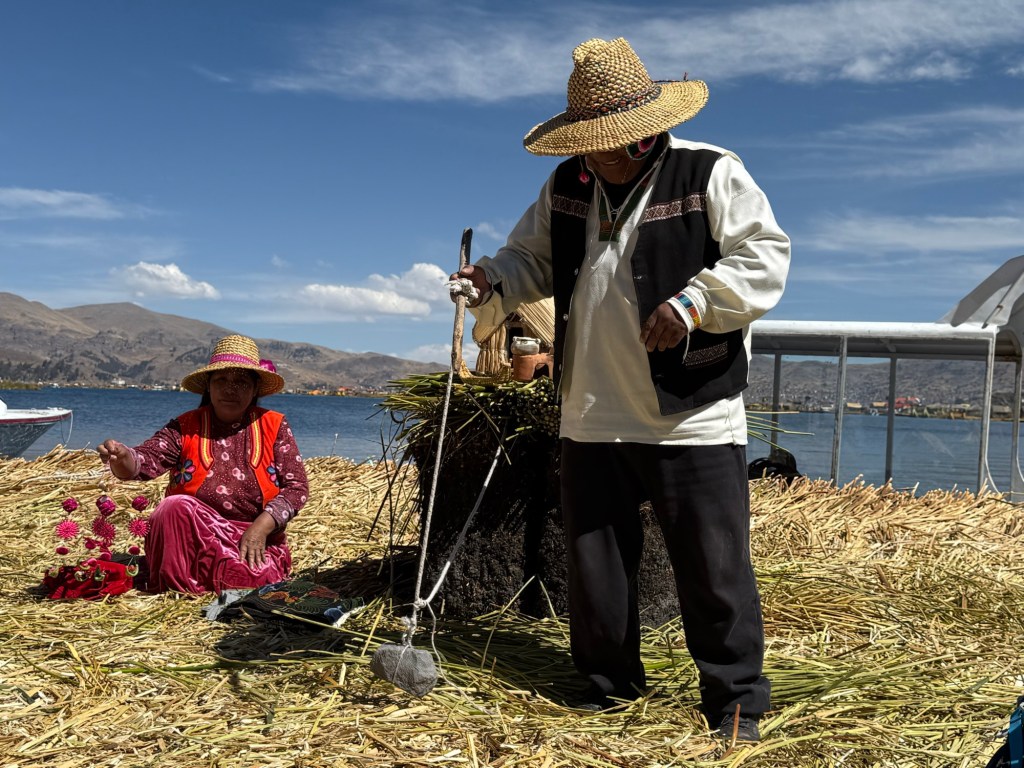
Huan took us to visit a local primary school and a museum and then we let the boat drift into the “totora” so that he could harvest some and explain how it is used here.


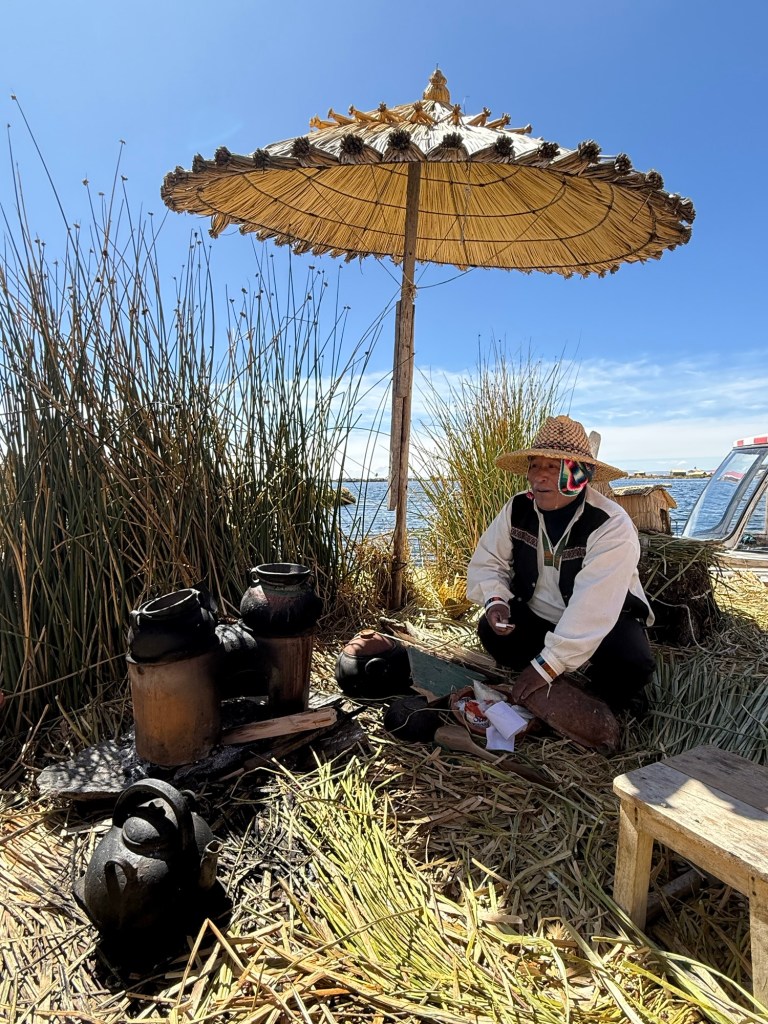
The totora is so much a part of the Uros people’s lives – they build with it, weave with it, use it for medicinal purposes and eat it. Traditions that pre-date the Incas. It was incredible to learn so much.


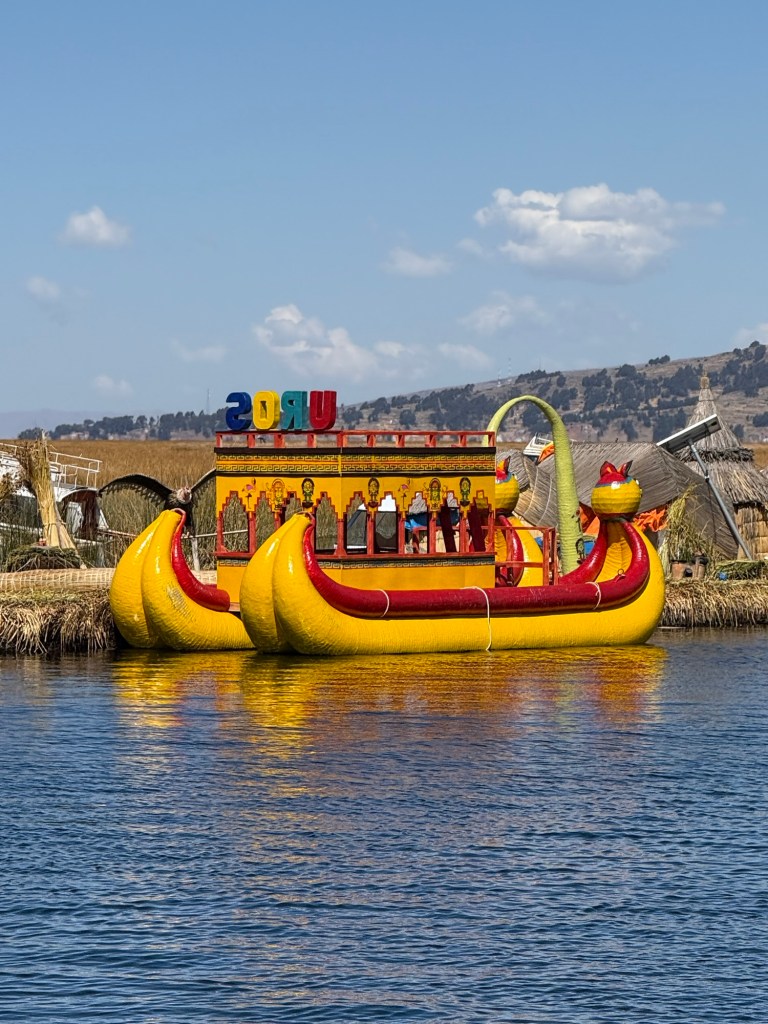
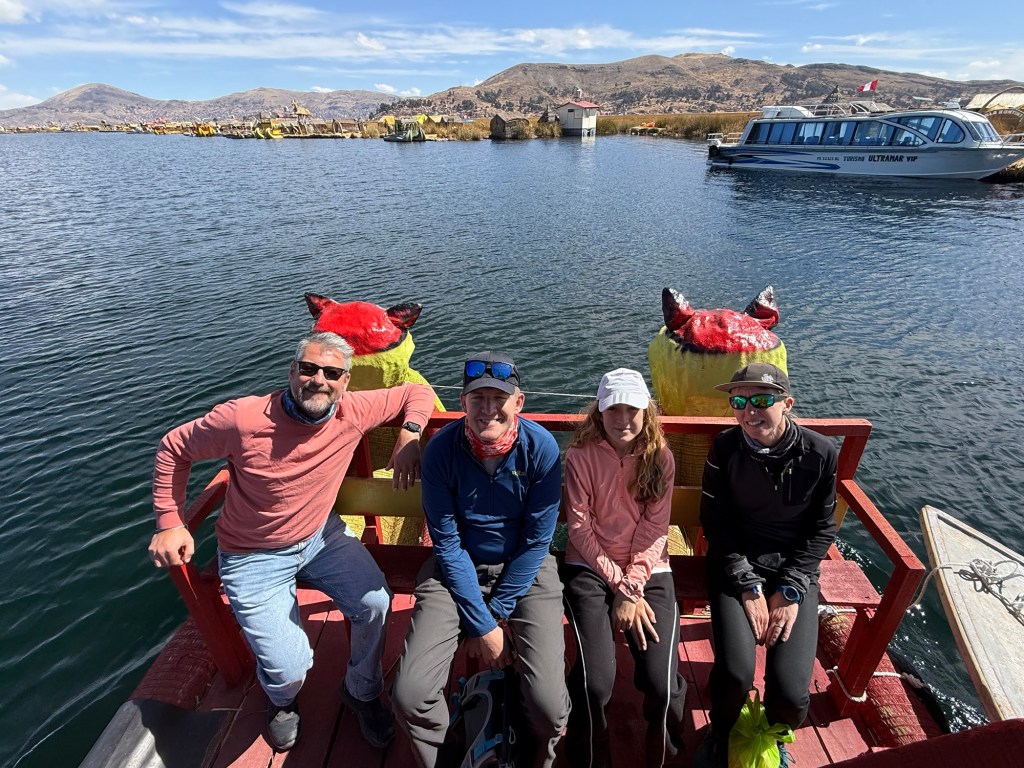
Next up was a ride on what the locals call “Mercedes Benz” – the two-tier traditional boats of the Uros people. Historically these were used with paddles, but today someone with a motor boat ties up to the side and sort of ferries them around! The animal heads at the front of the boats are pumas, as Lake Titicaca means “grey puma” in Aimara. Locals believe that the shape of the lake shows a puma pouncing on a rabbit (you have to really look hard to see it!).

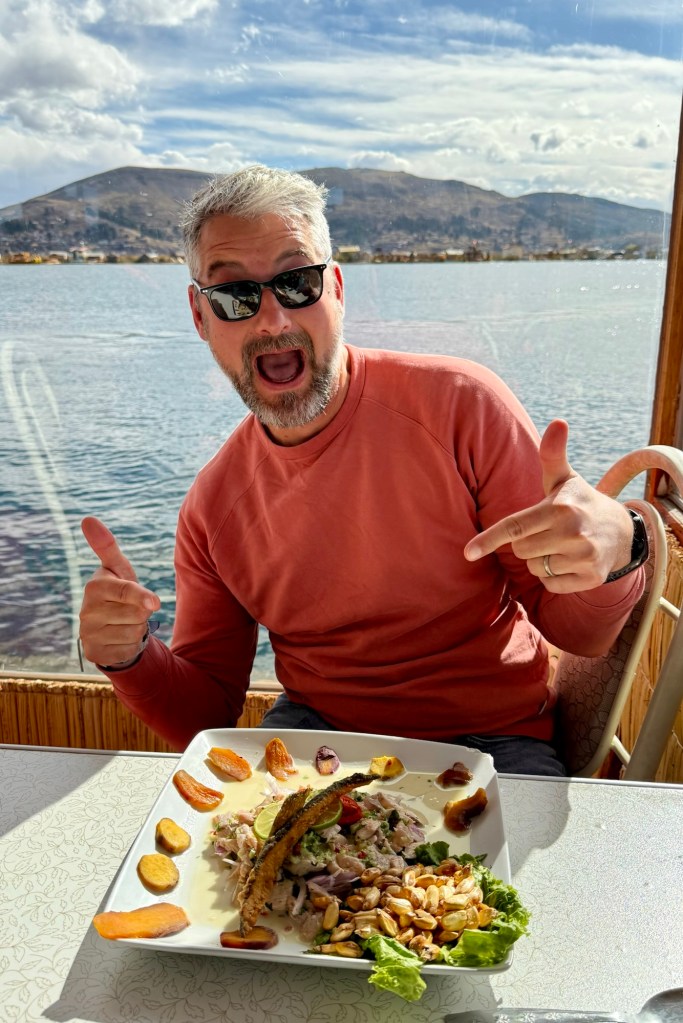
Our journey took us to a local restaurant where we enjoyed freshly-caught trout (grilled or fried) and ceviche (for those braving the spice!).


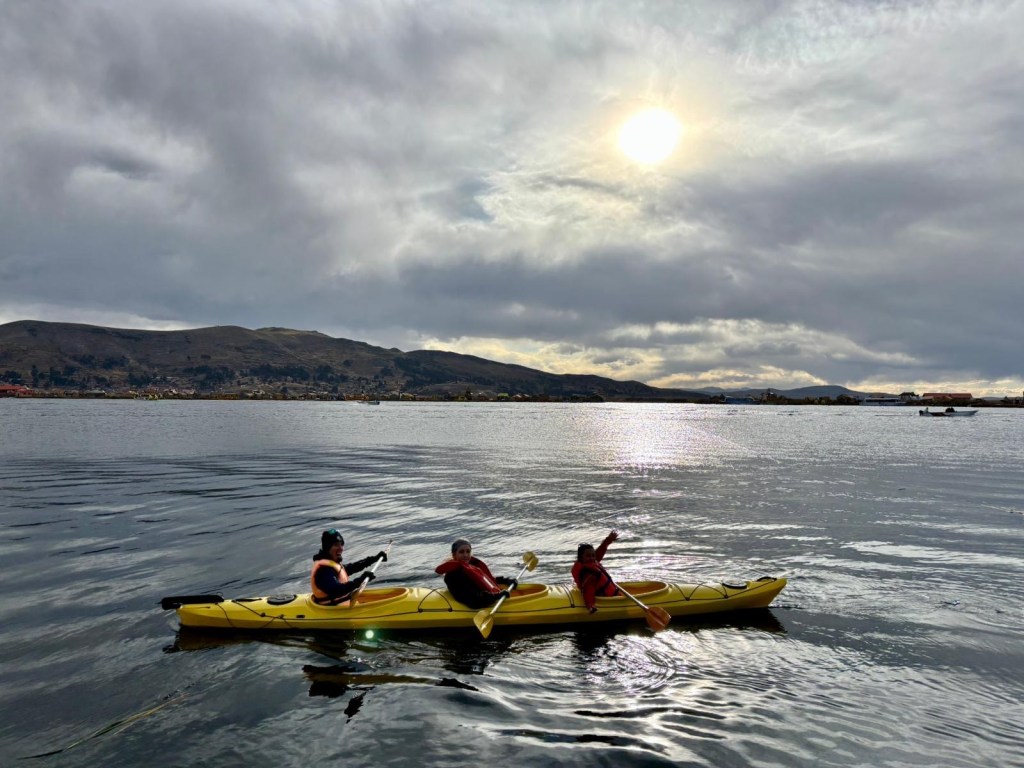
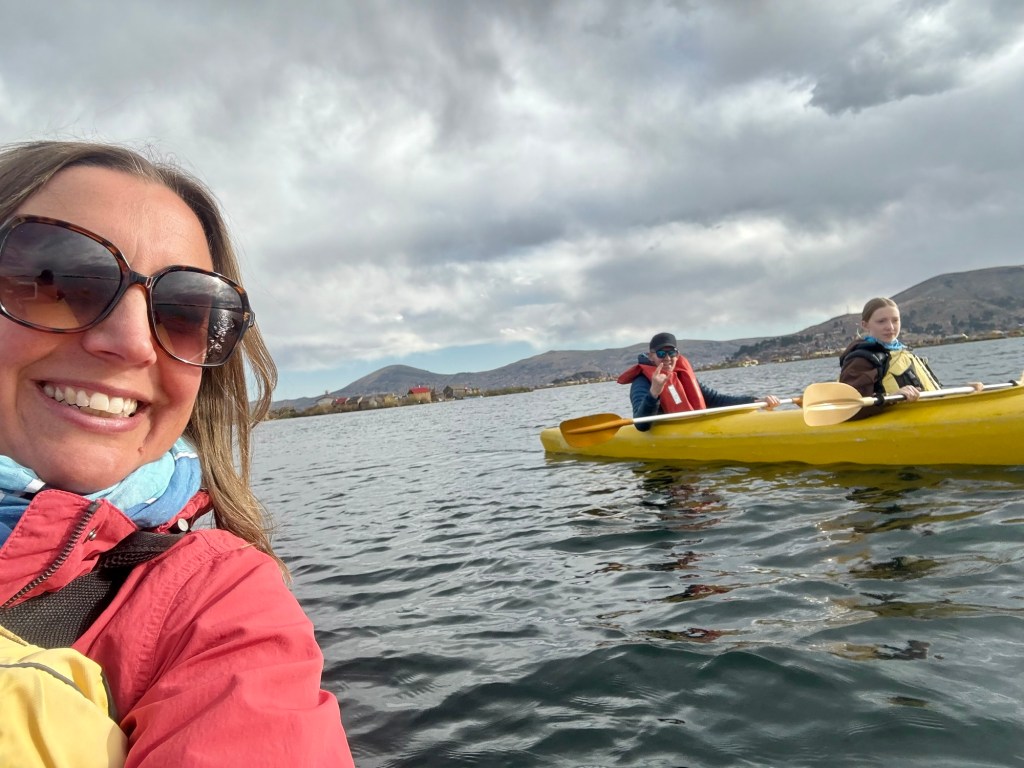
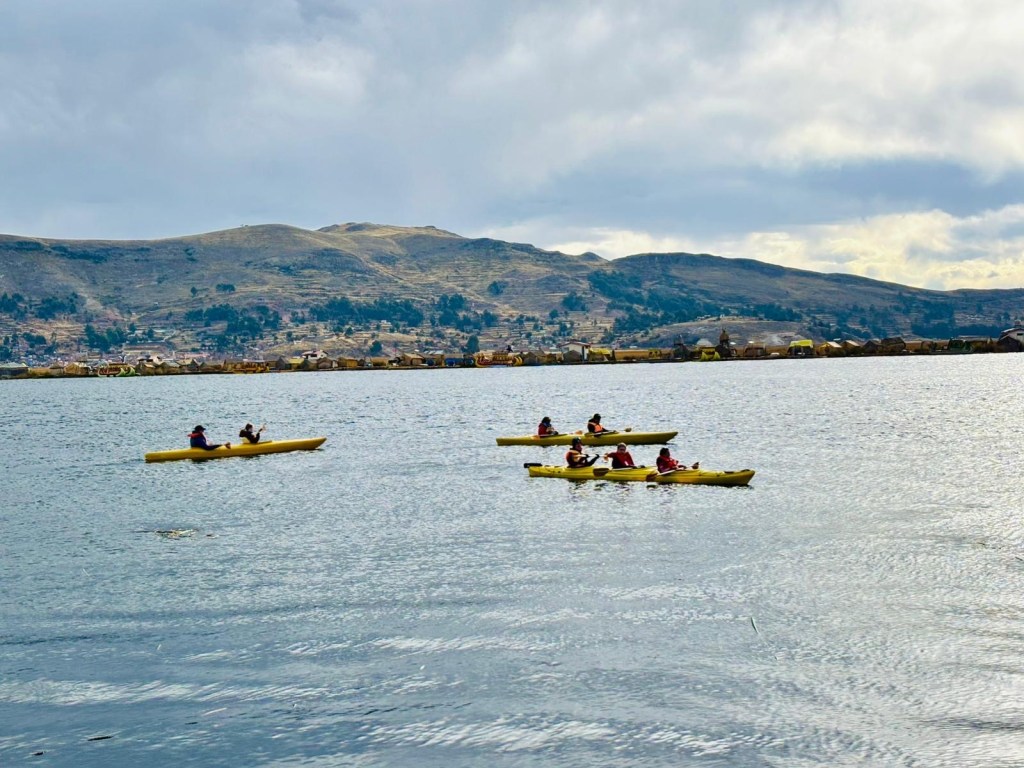
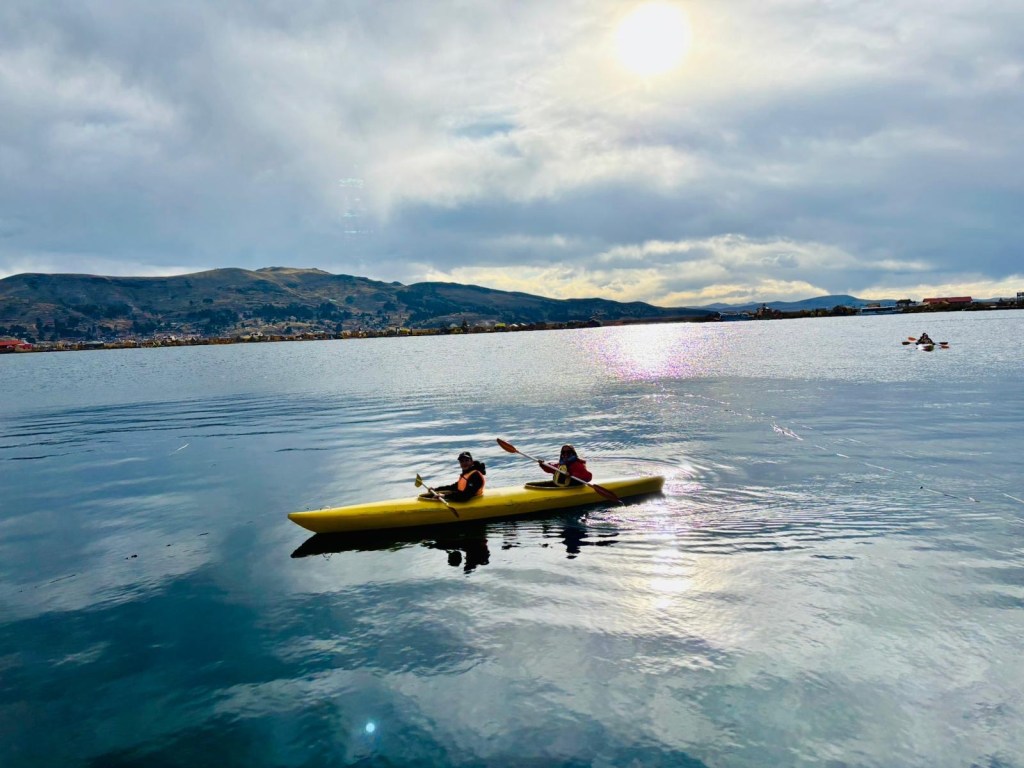
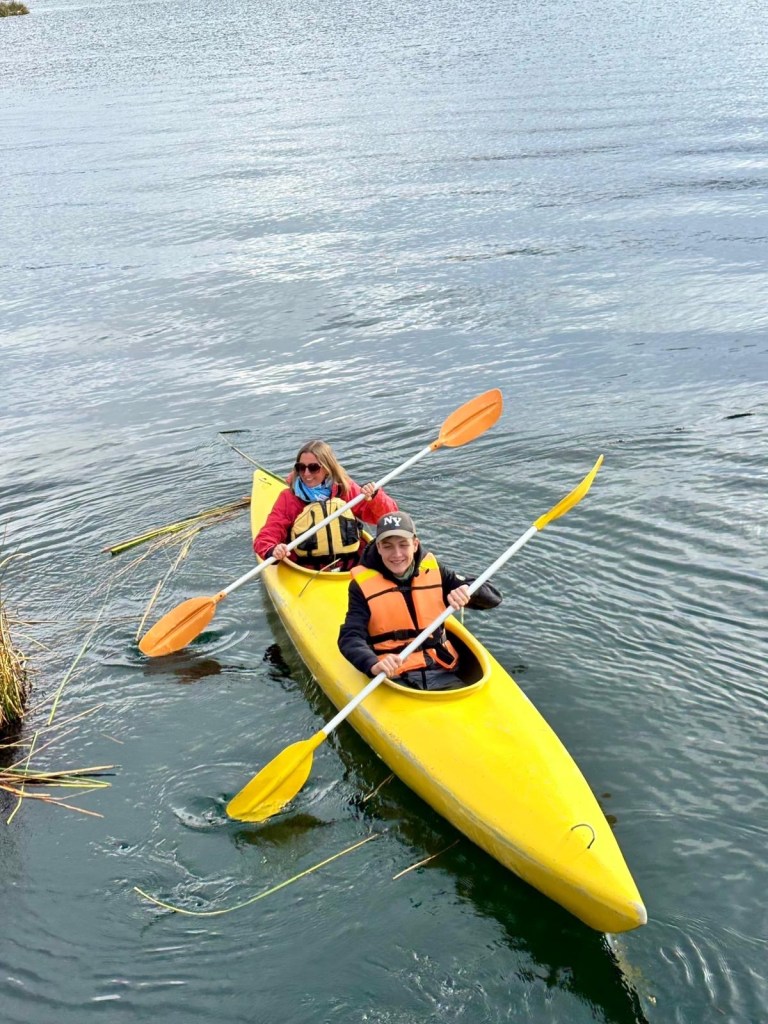
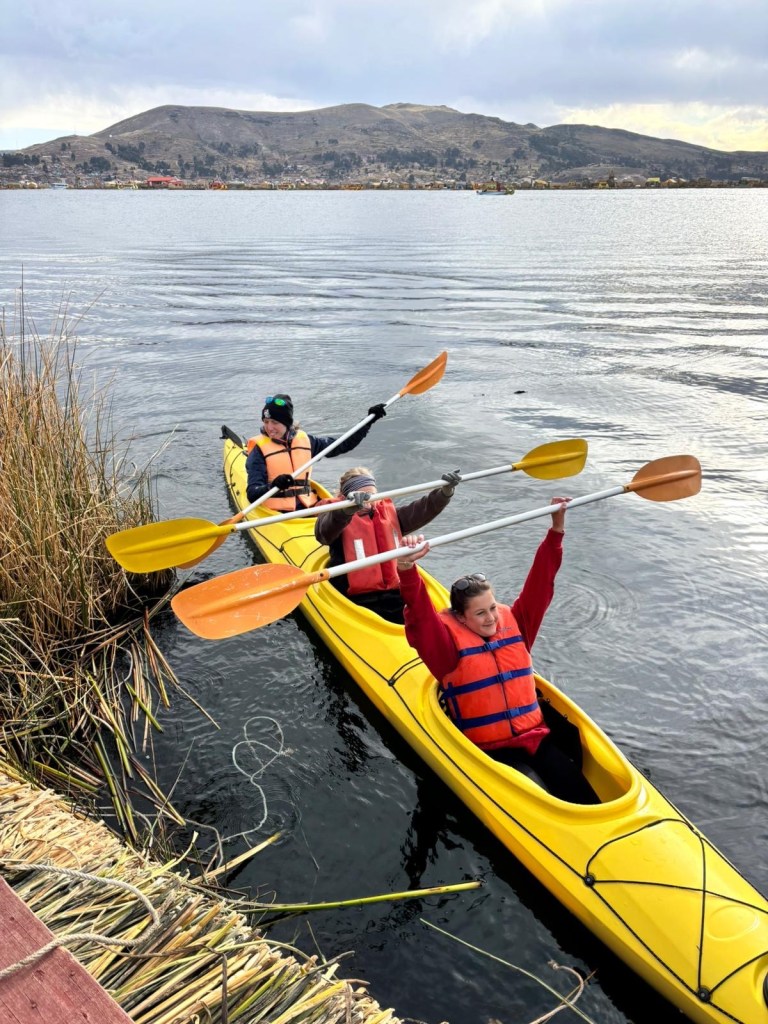
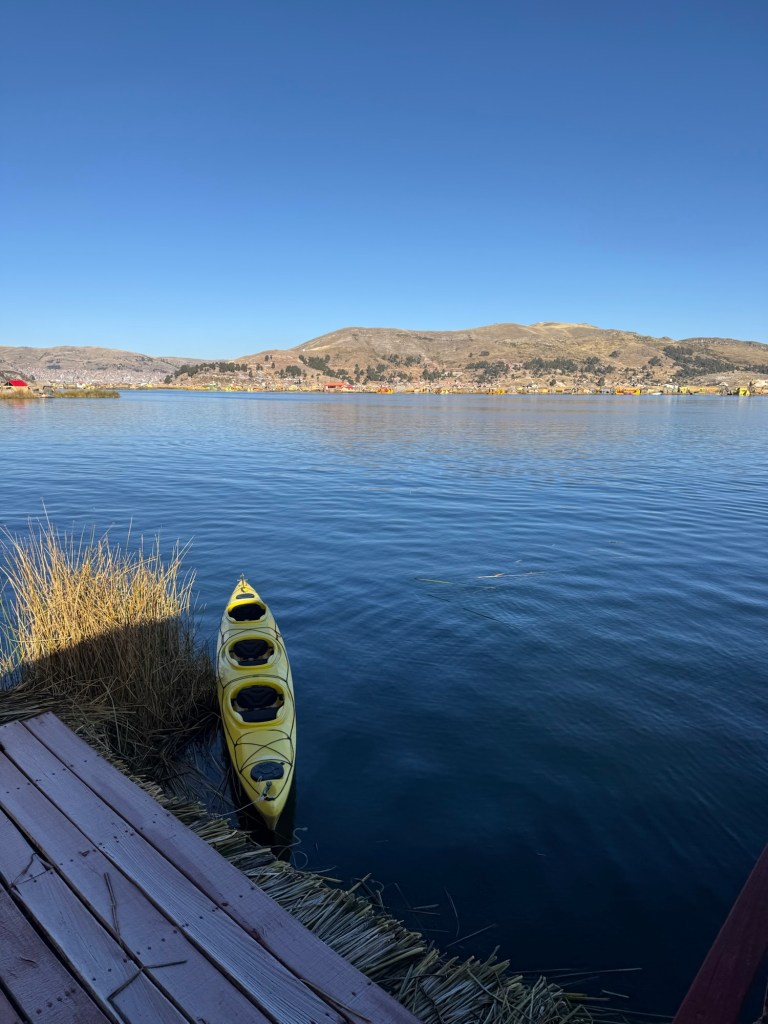
After lunch, we headed home to try our hand at kayaking in the lake…


Another stunning sunset to ease us into an evening of card games, reading and sadly, packing for our onward journey tomorrow.


A 5am start saw us packing the last bits up, warming up with cups of coca tea and enjoying some warm flatbreads and avocado for breakfast. Time to say goodbye to Huan and his beautiful island home.


What a wonder to be able to stay with local people and experience some of the traditions of life here – despite having to acclimatise to the altitude, which has been tricky at times, this beautiful place with its beautiful people is absolutely worth the visit.


Lake Titicaca: Taquile Island

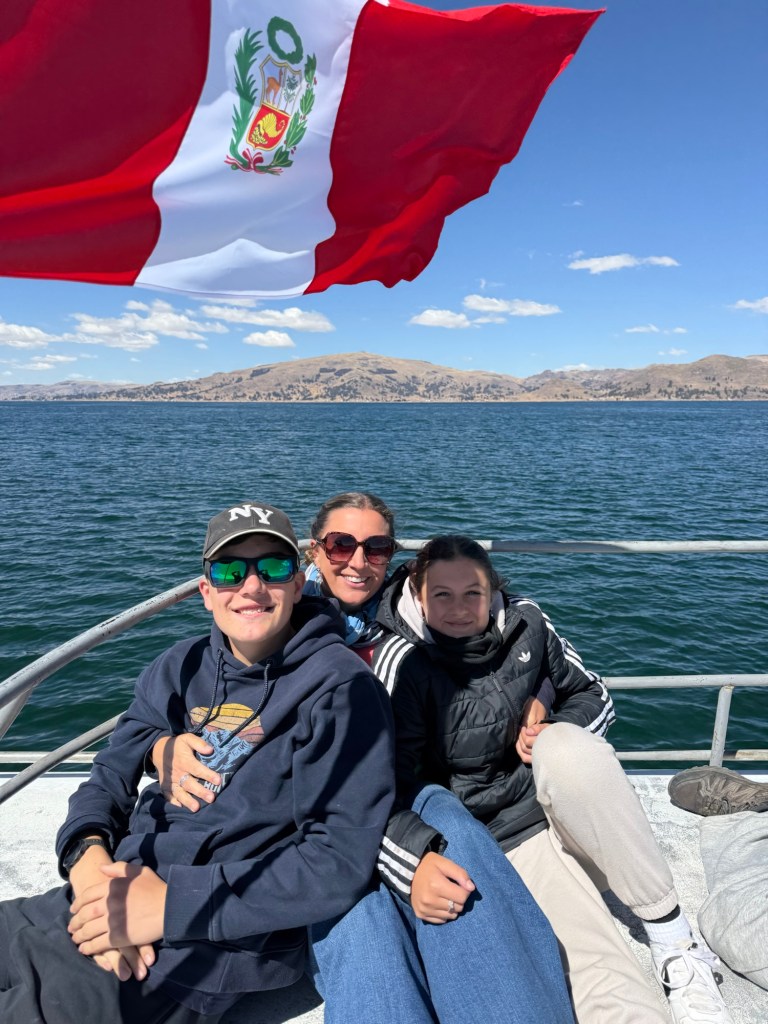
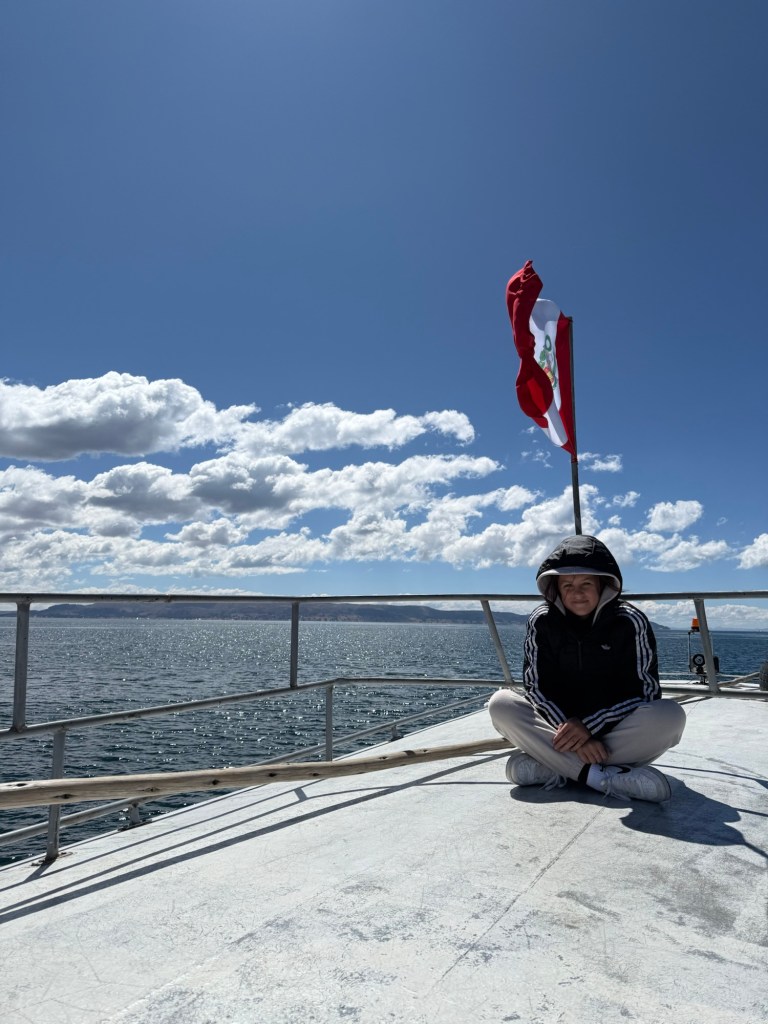
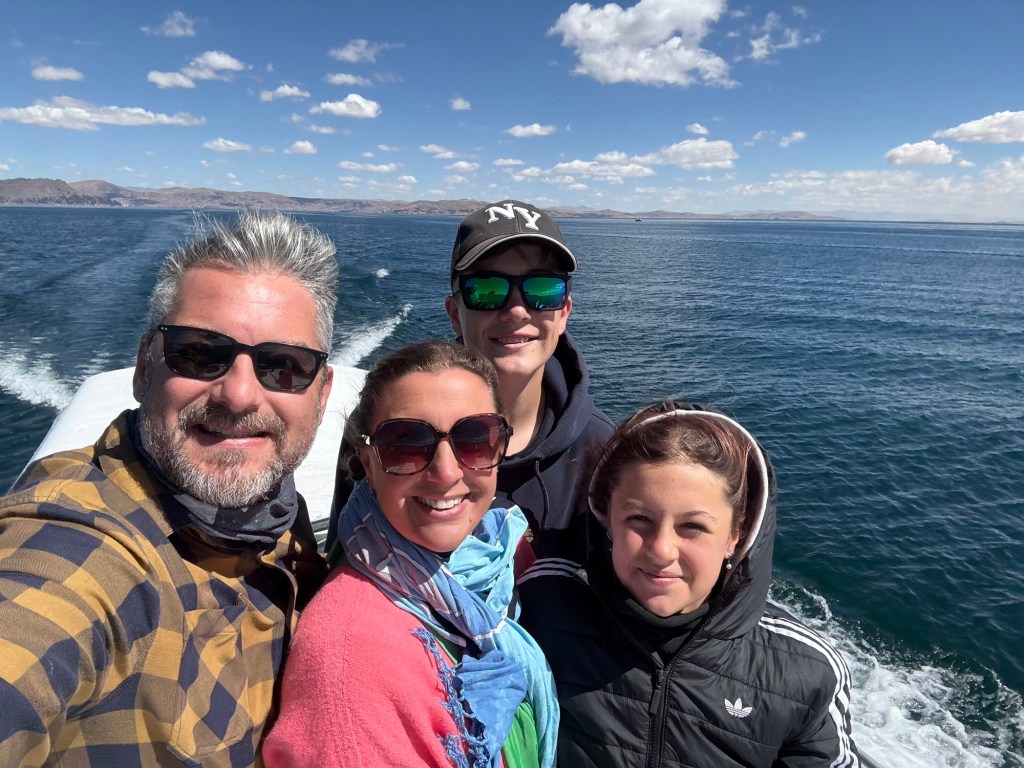
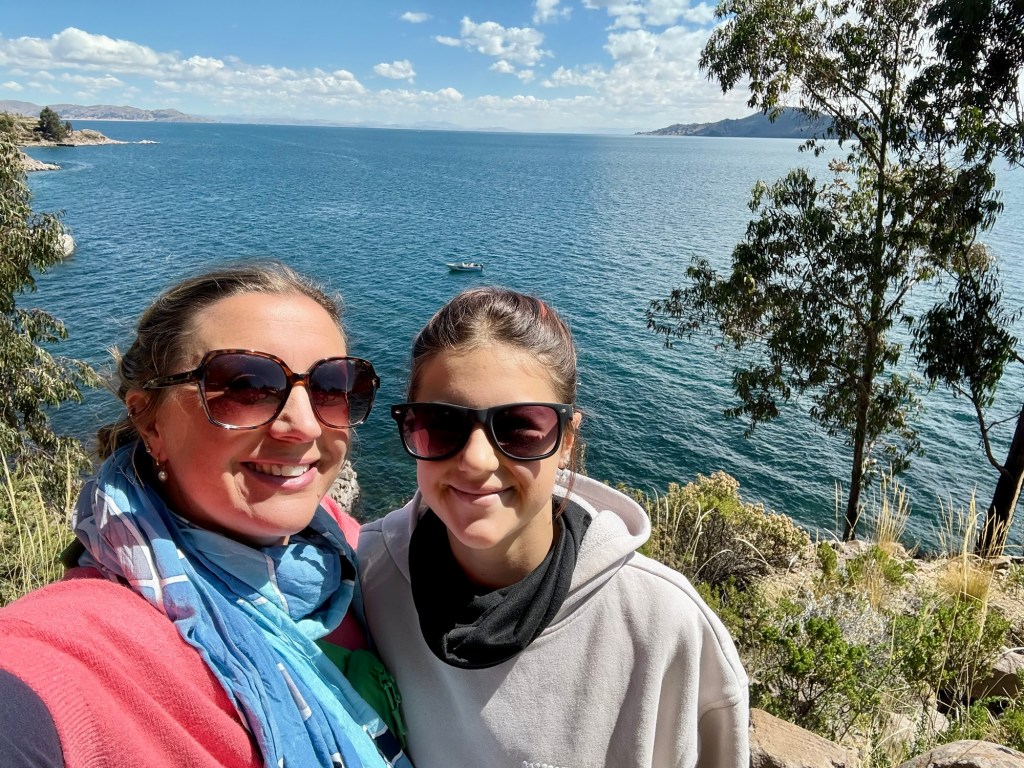
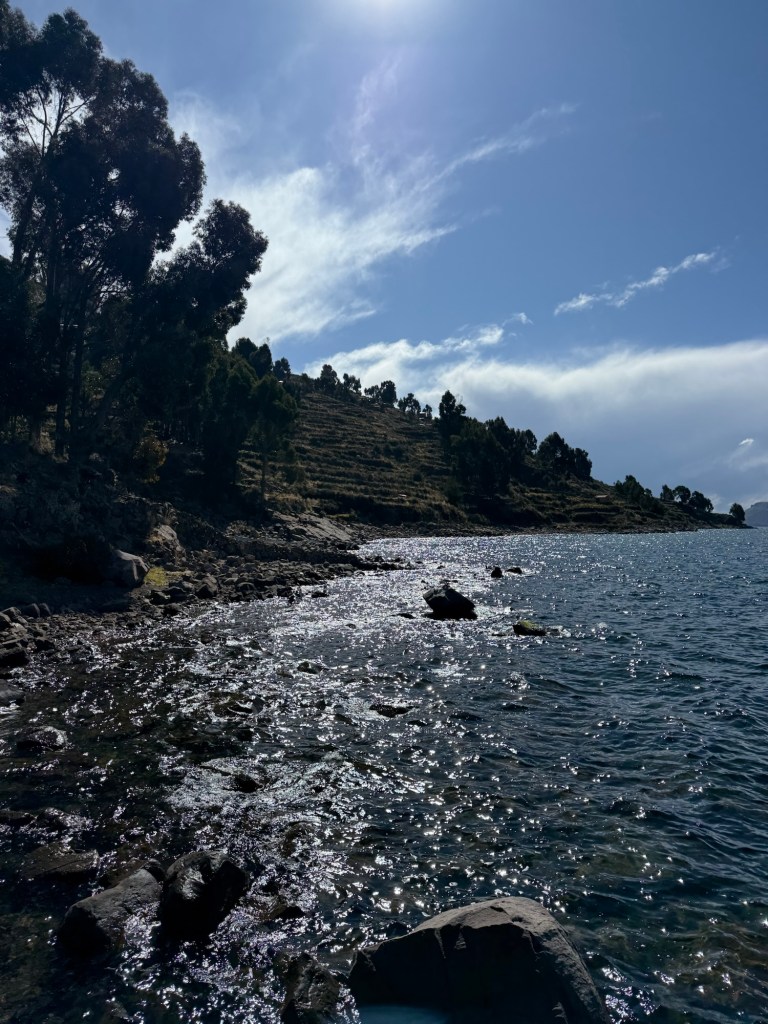
Today we set off on a boat trip to Taquile Island on Lake Titicaca – further in towards the Bolivian border.

Most of us were still feeling the effects of the altitude, but aspirin and paracetamol were helping, as well as our numerous cups of coca tea. Thankfully, Dave was feeling better than he had been the night before.


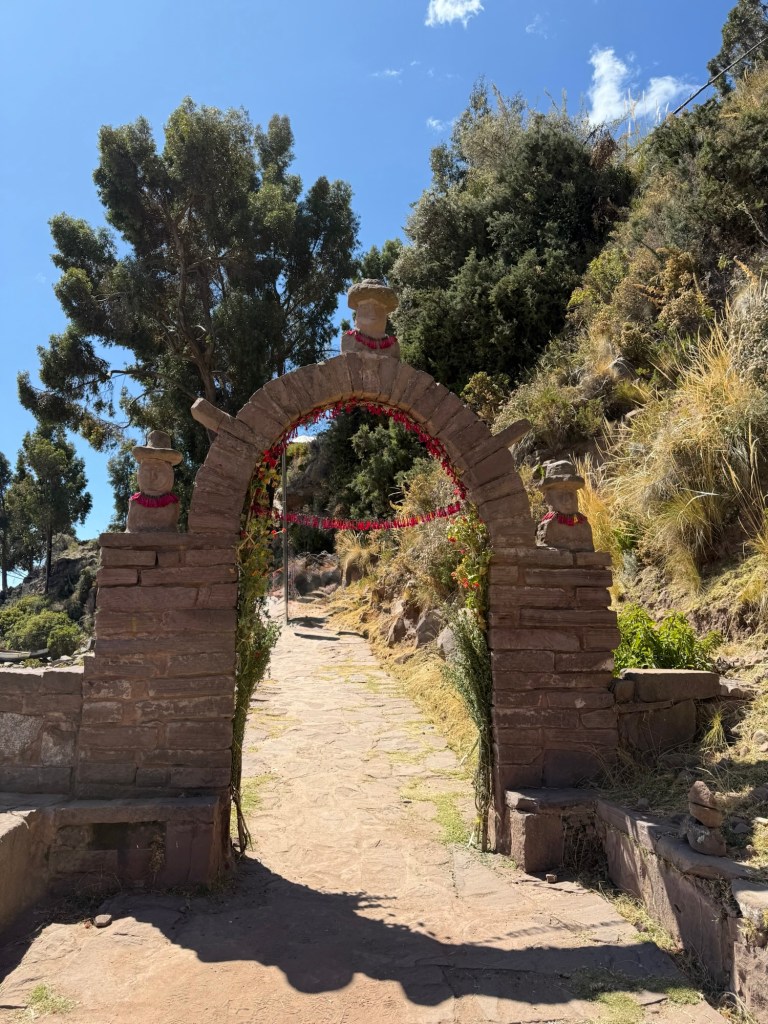
Our guide on the boat explained that when we arrived on the island we would be doing a 2km walk, up to 4000m elevation! We’d also be having lunch with a local family and shown some of the Taquile people’s traditions and ways of life.


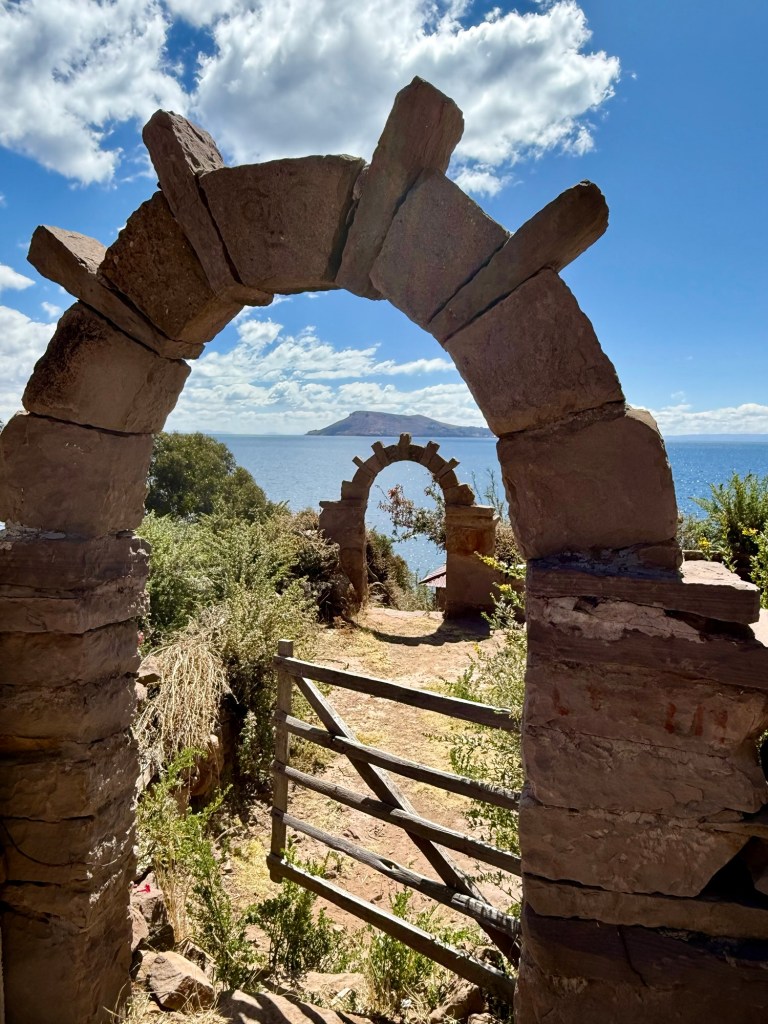
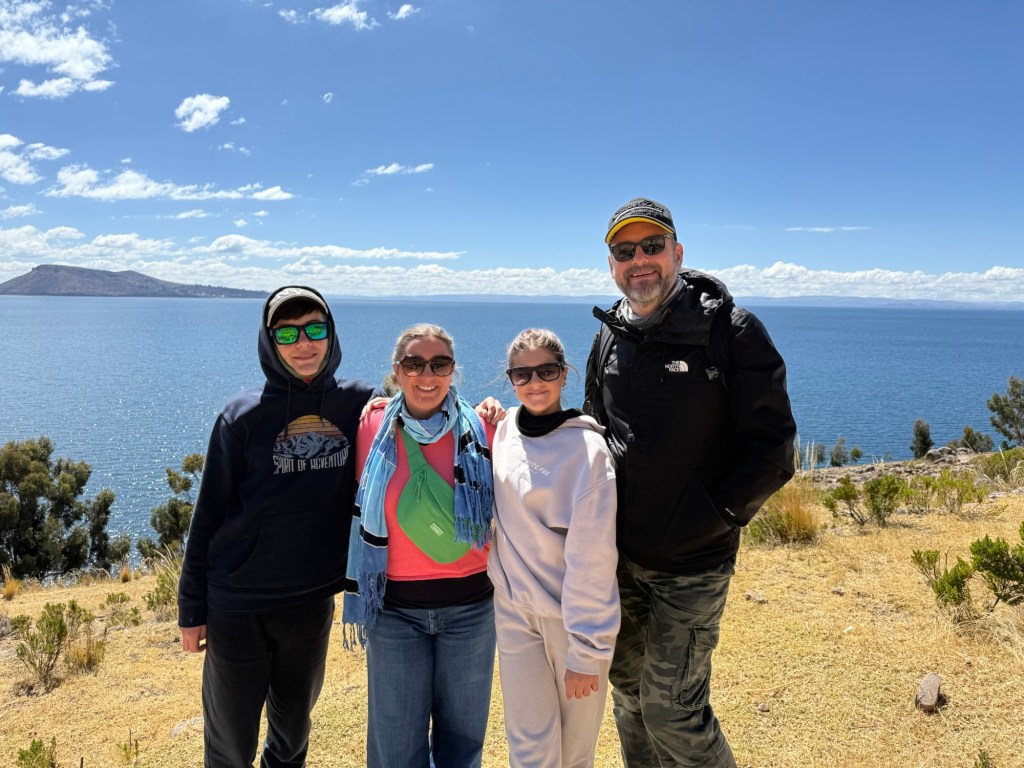
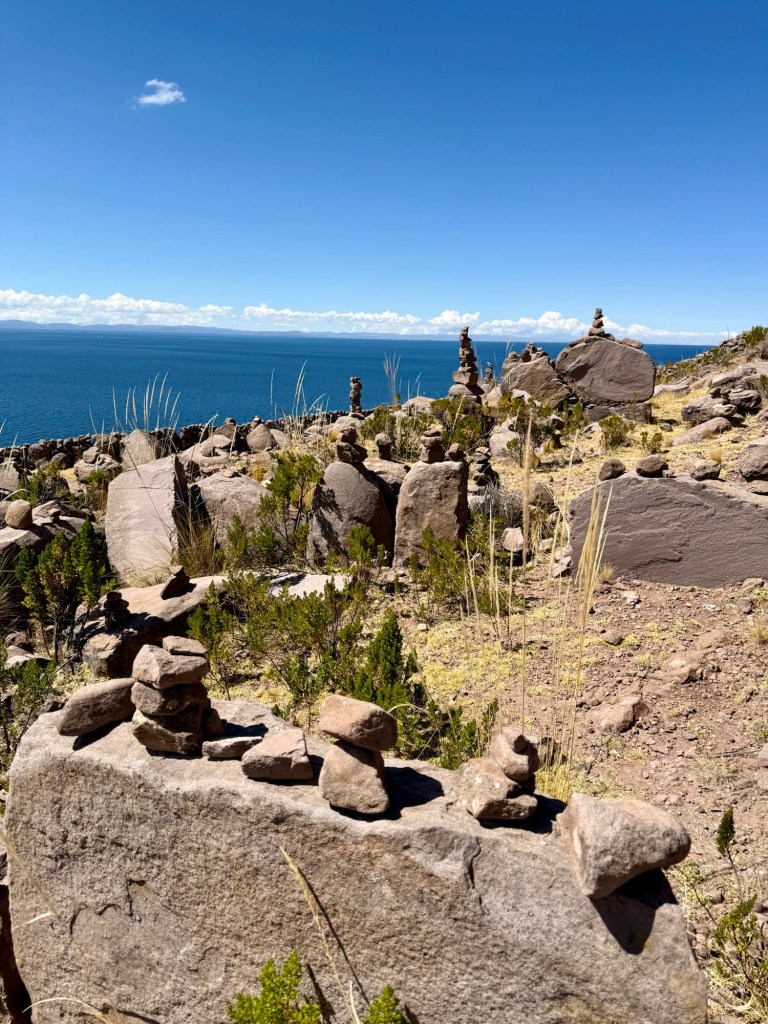
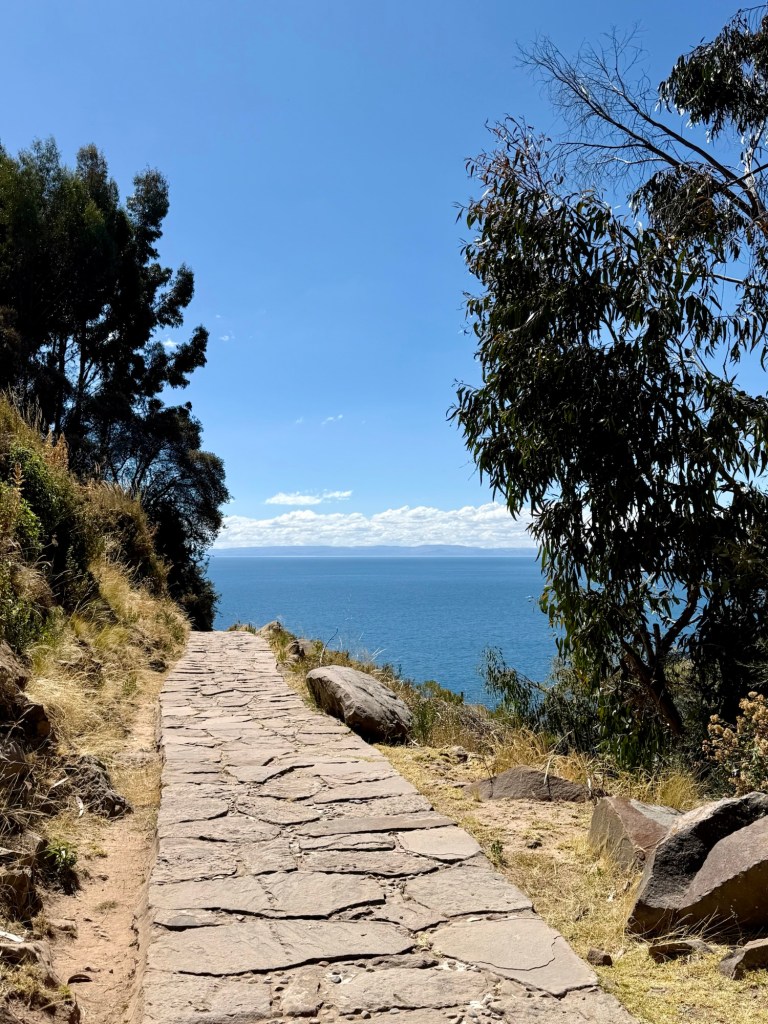
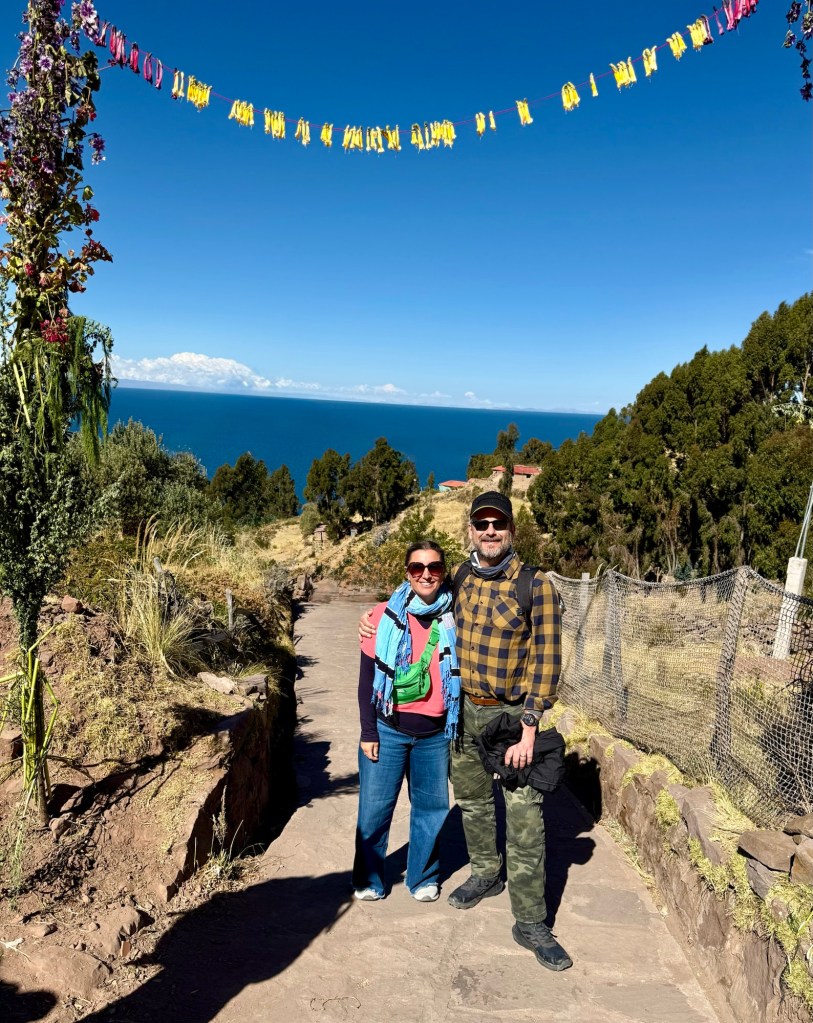
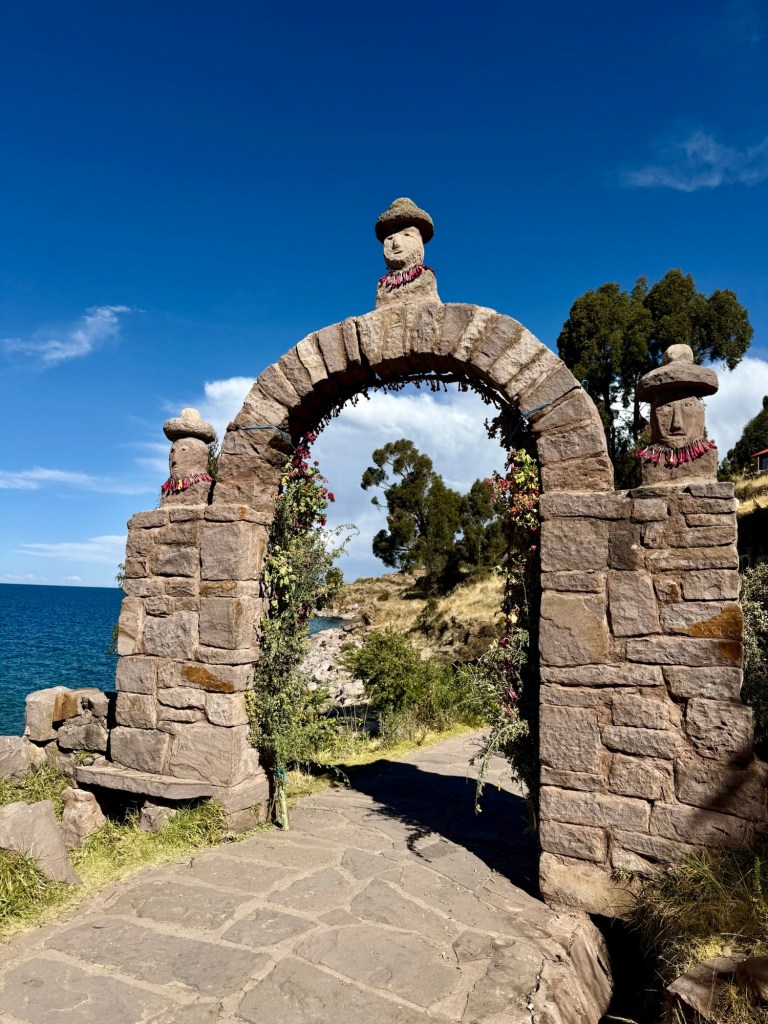
The walk was hard going as we were still feeling quite dizzy, but we went slowly and allowed ourselves lots of stops – helped by the gorgeous views.

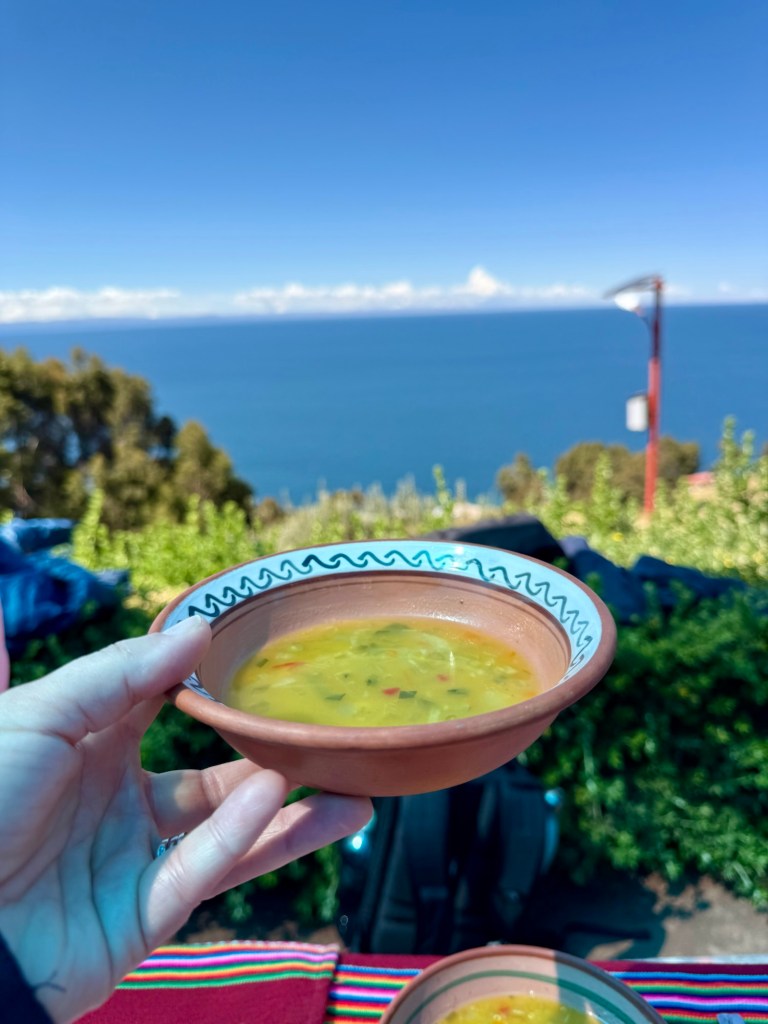
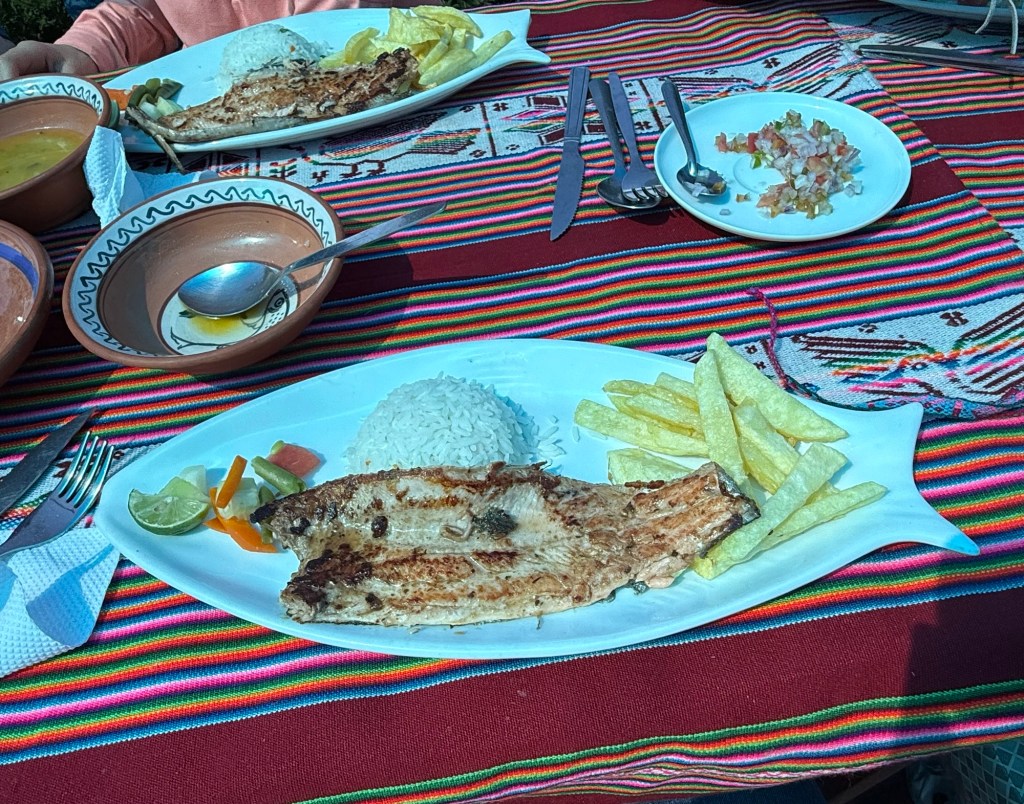
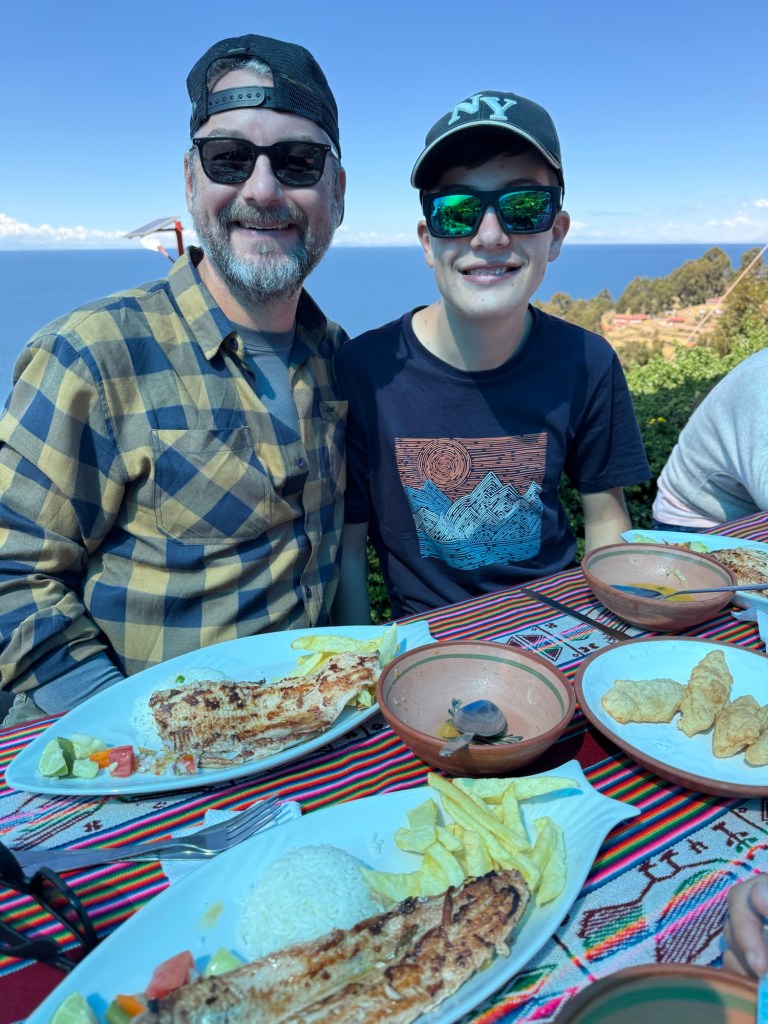
Our lunch was superb – quinoa soup to start and followed by rainbow trout, caught fresh that morning from the lake. Yum!


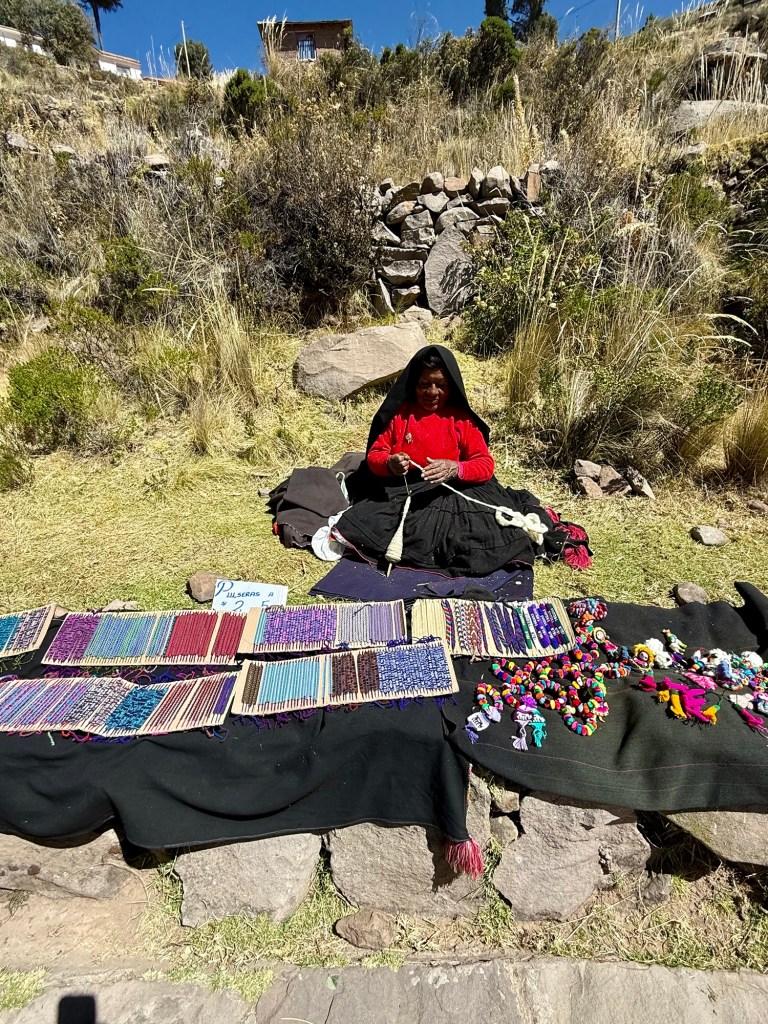
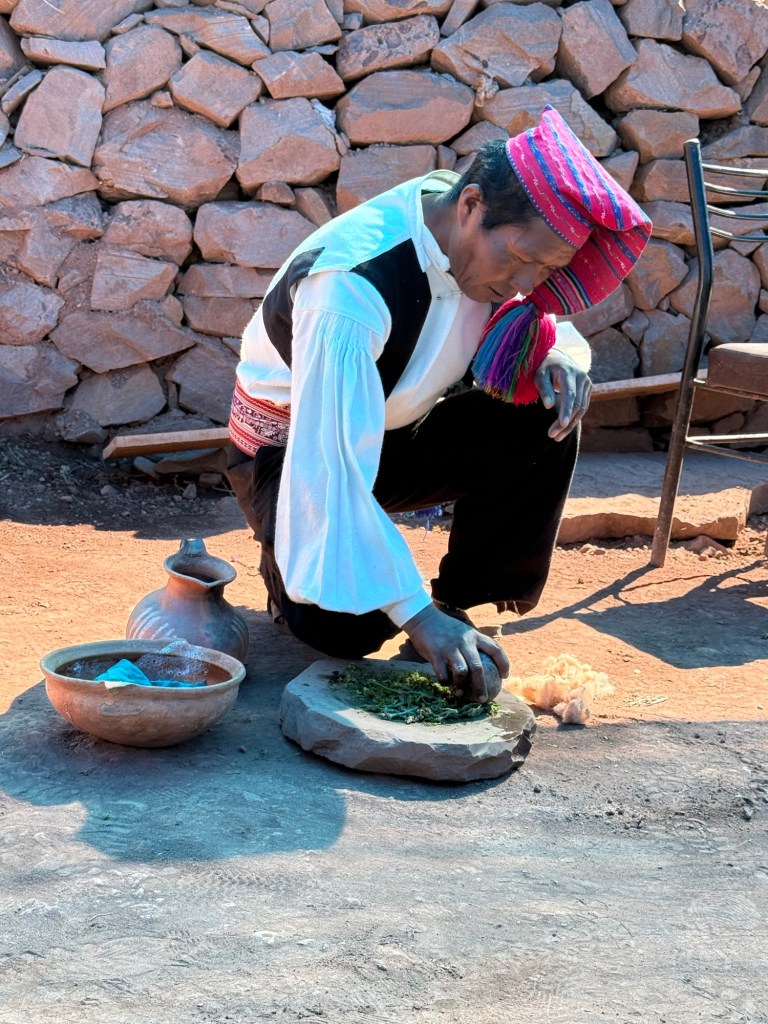
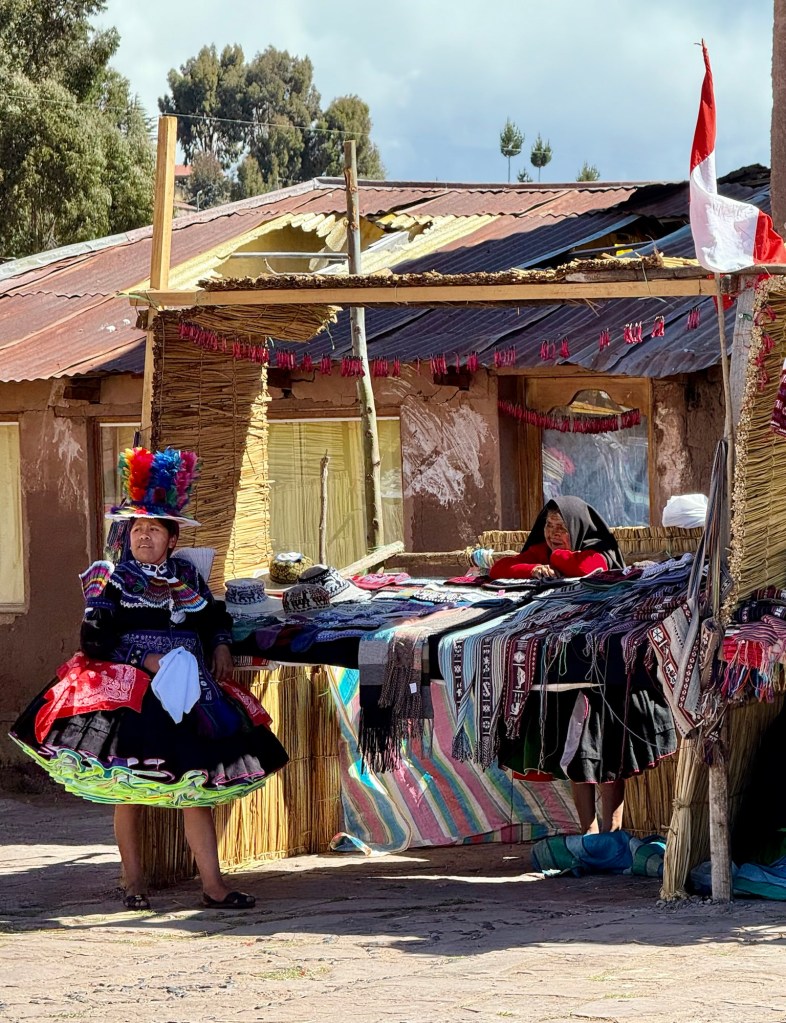
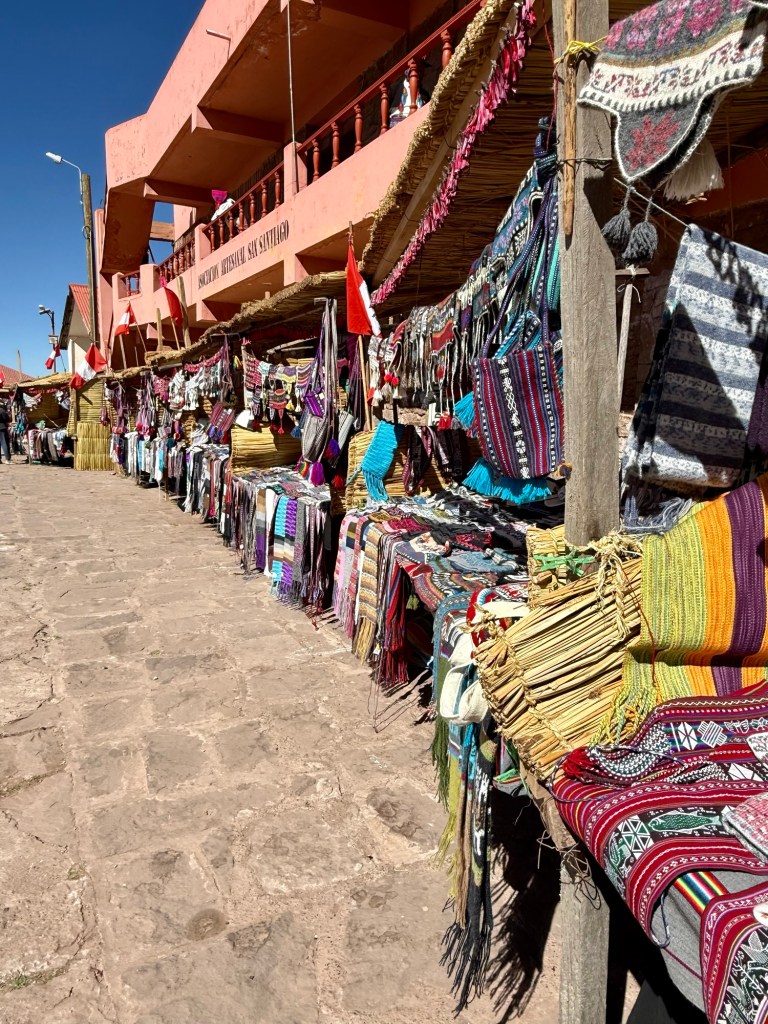
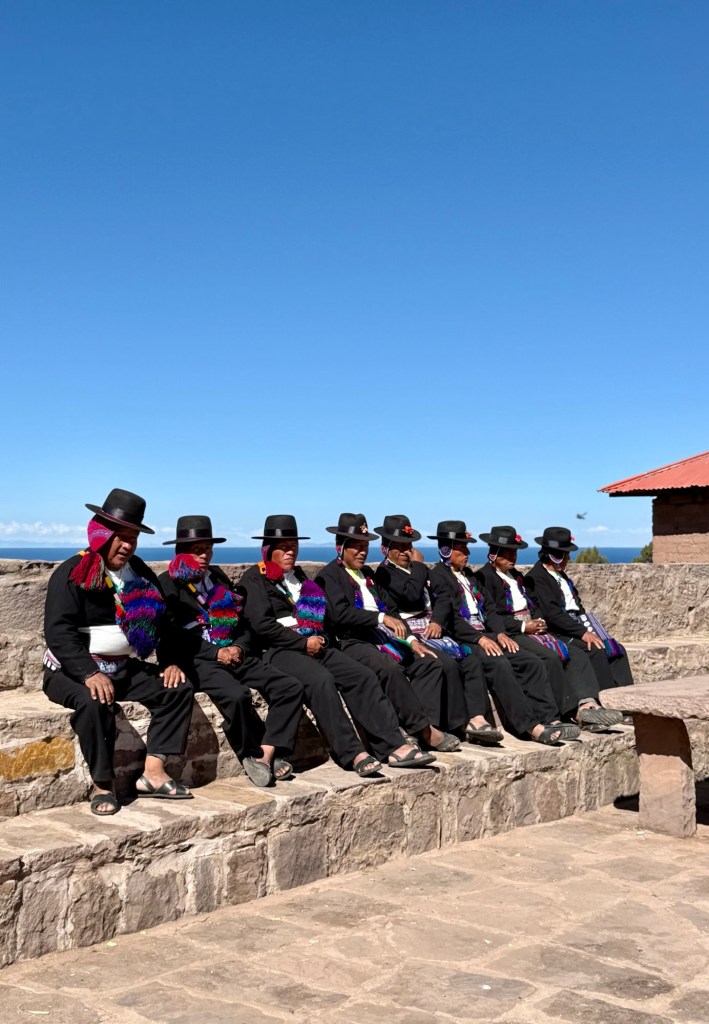
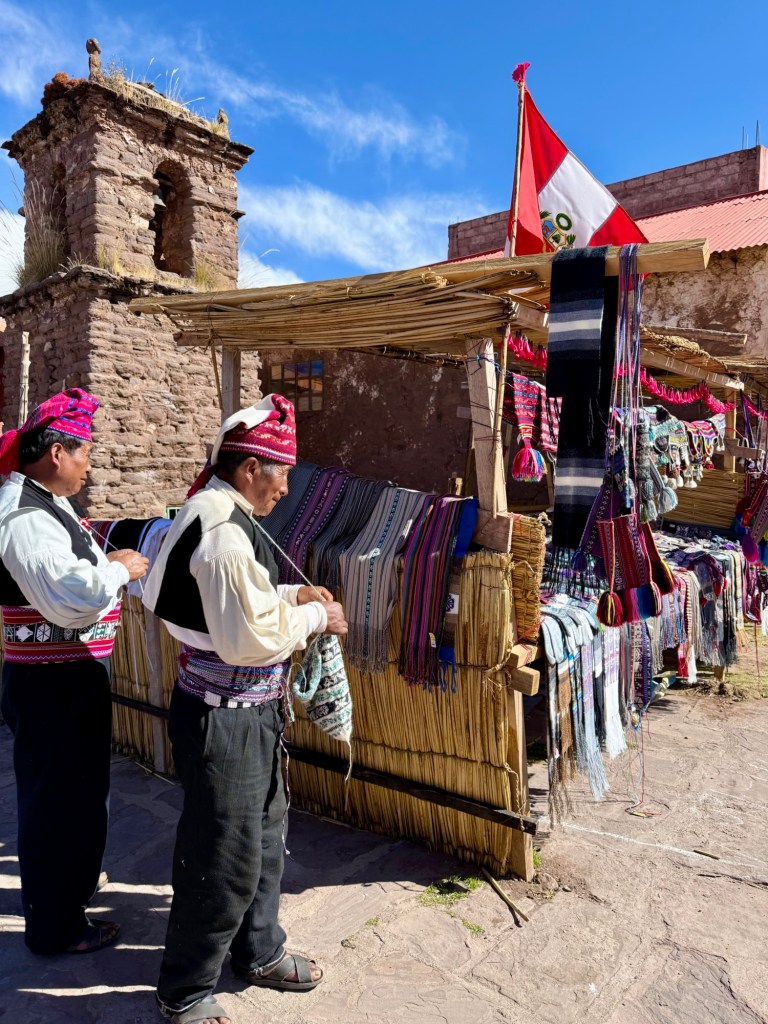
The Taquile people have so many traditions that they continue today – from traditional dances and music to specifically designed clothing my to indicate their position in the villages. For example, woven hats that are different for children, married or single, men and women. They use a variety of herbs and plants for cooking, cleaning and medicines – we were given a demonstration on how one plant (“choggo”) is crushed, scooped into a cloth and used as a shampoo, body wash and laundry detergent. A local man showed its cleaning power with some dirty sheep’s wool, which came out very clean and white after less than a minute of scrubbing!


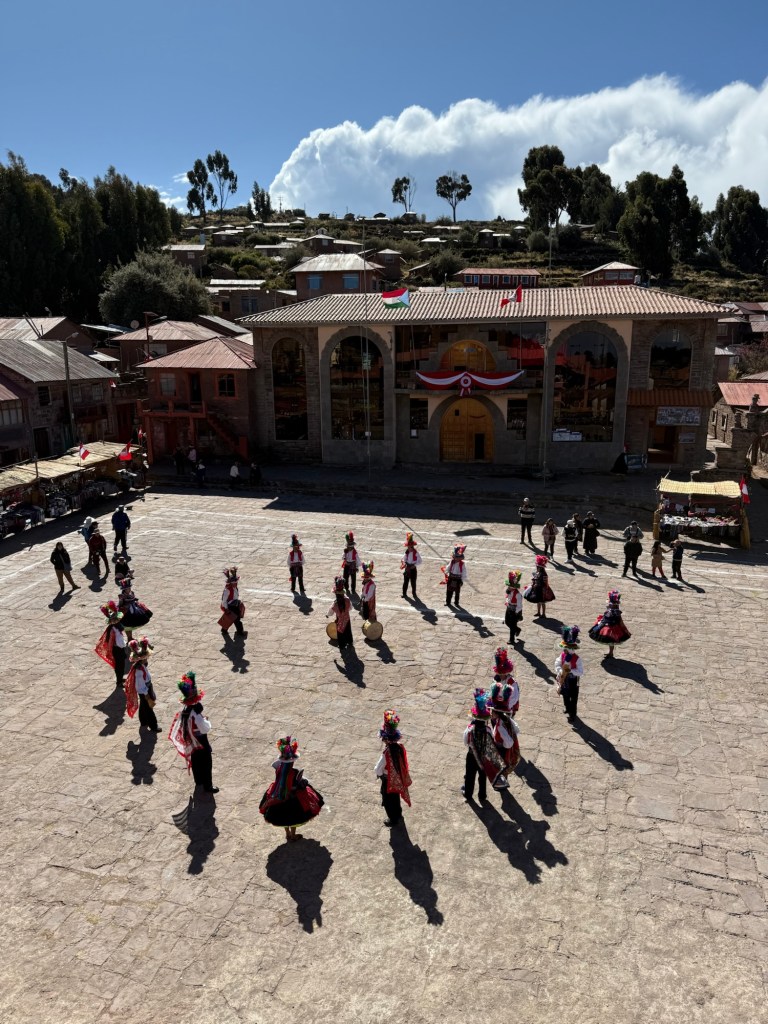
We then made our way to the town square, where we were greeted with traditional music and dance. It was obviously quite a tourist hotspot as there were several groups of travellers there, but it was great to experience – even if the music wasn’t quite to our taste!


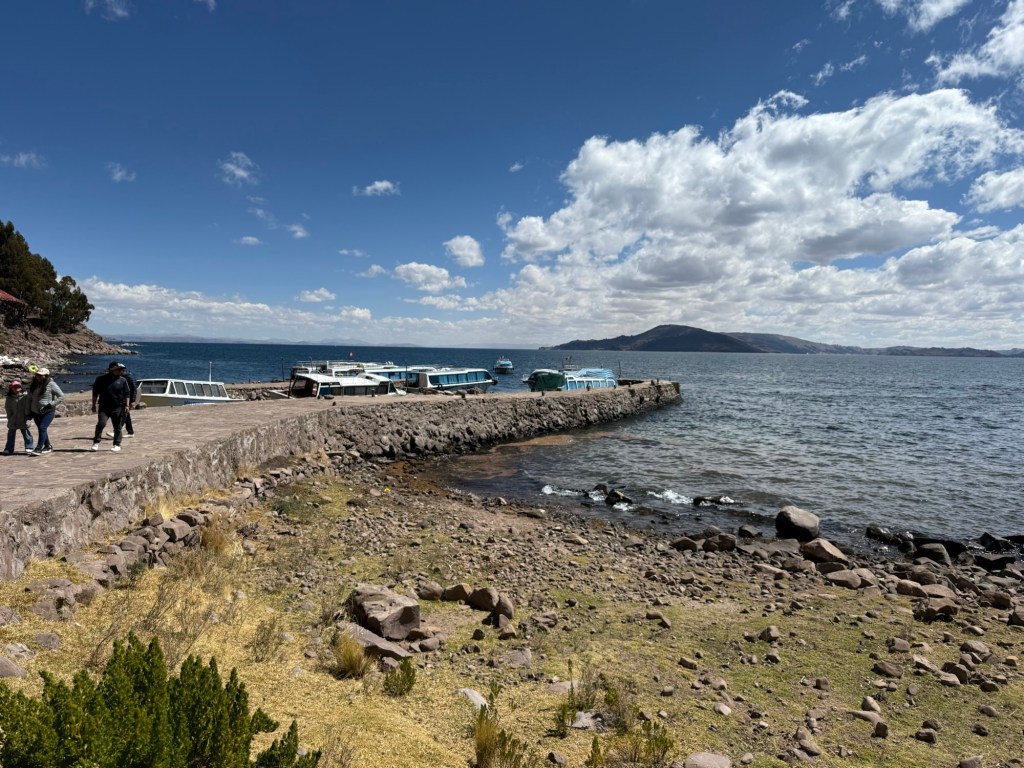
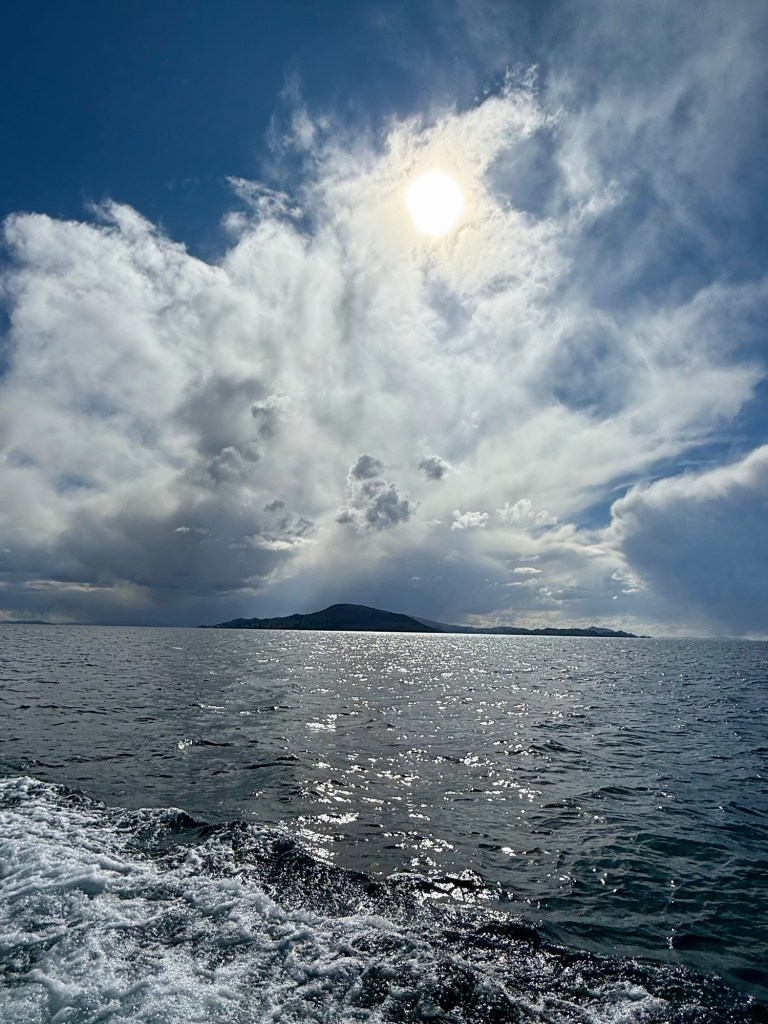
The sun was fierce up there, despite the chill in the air, so we were ready to make our way down the other side of the island to the port where our boat was waiting for us.


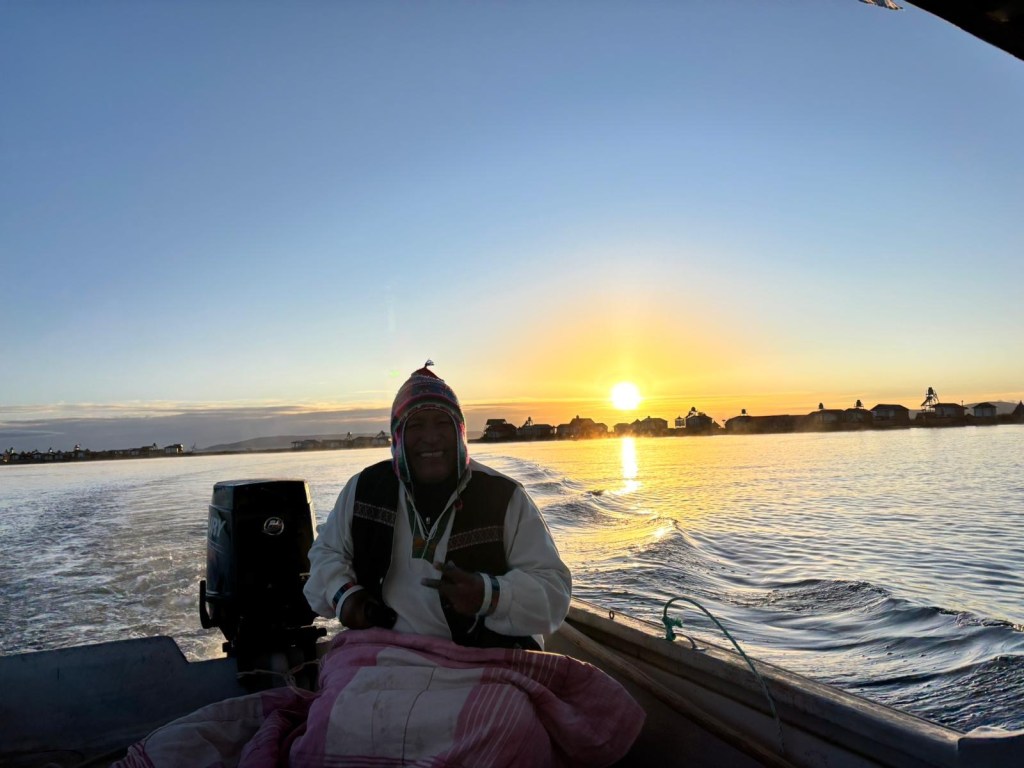
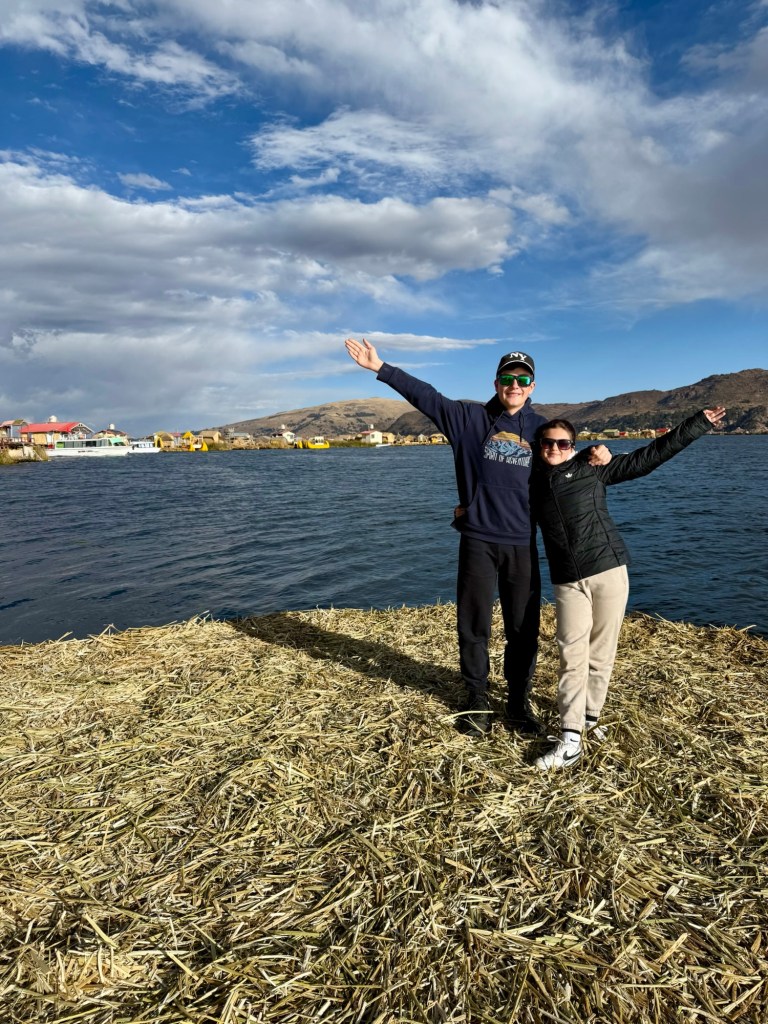
The boat ride back to Uros took about an hour and a half, and then we were dropped off on an empty bit of totora to wait for Huan to collect us in his little boat and take us back to his home.


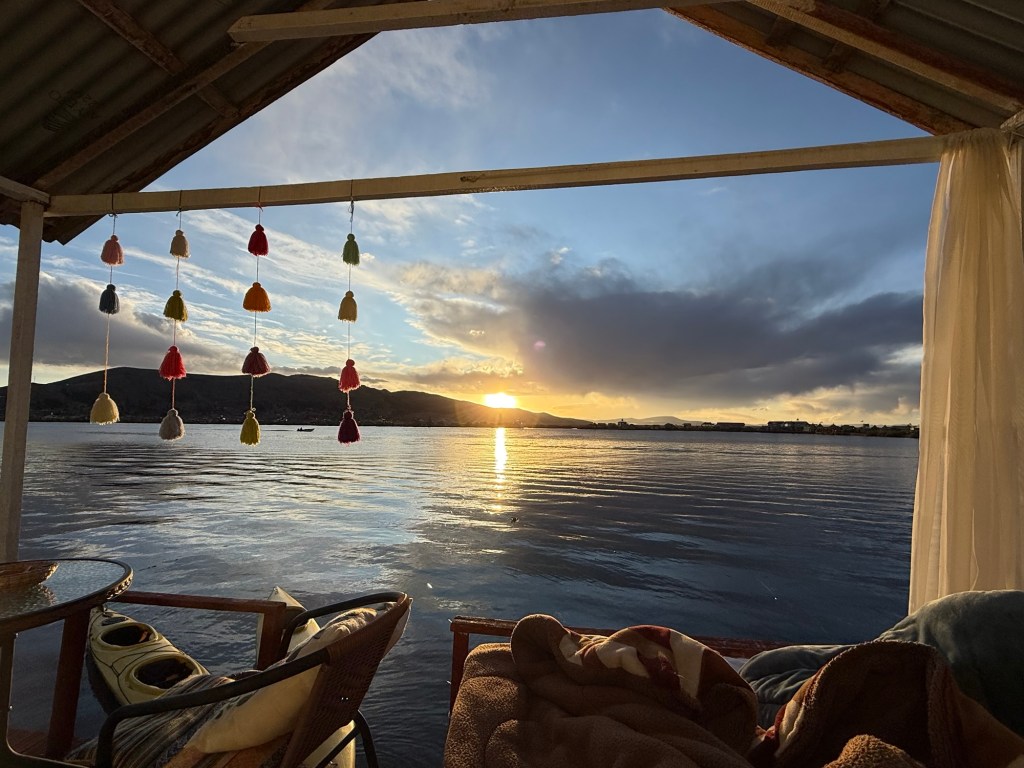
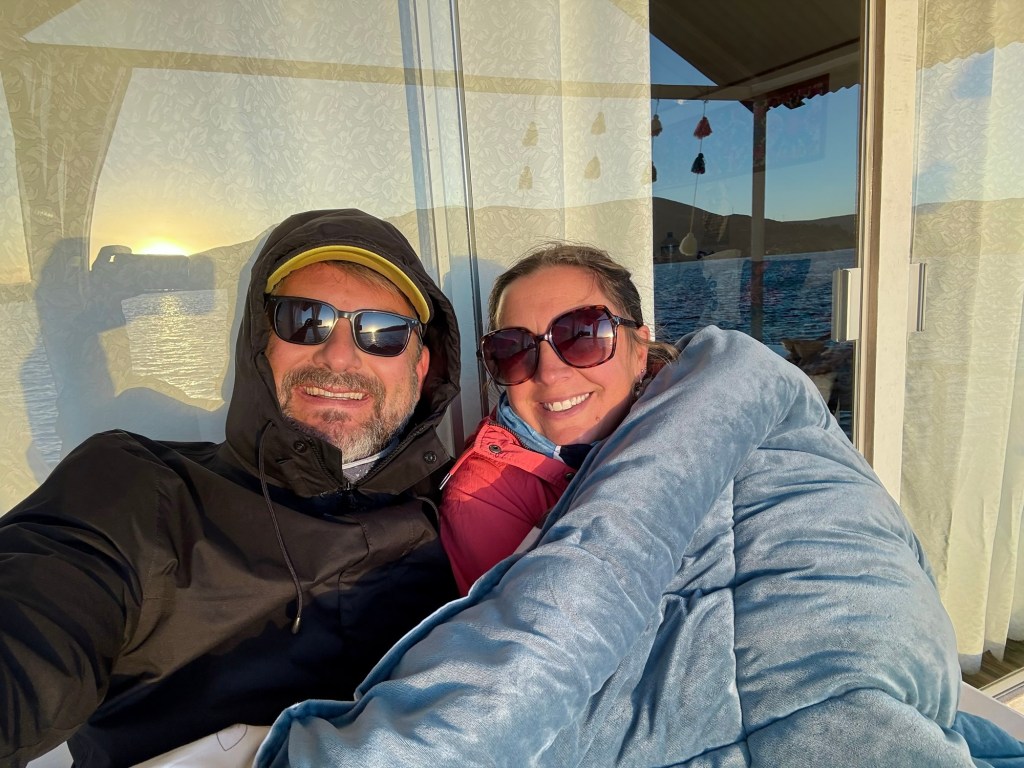
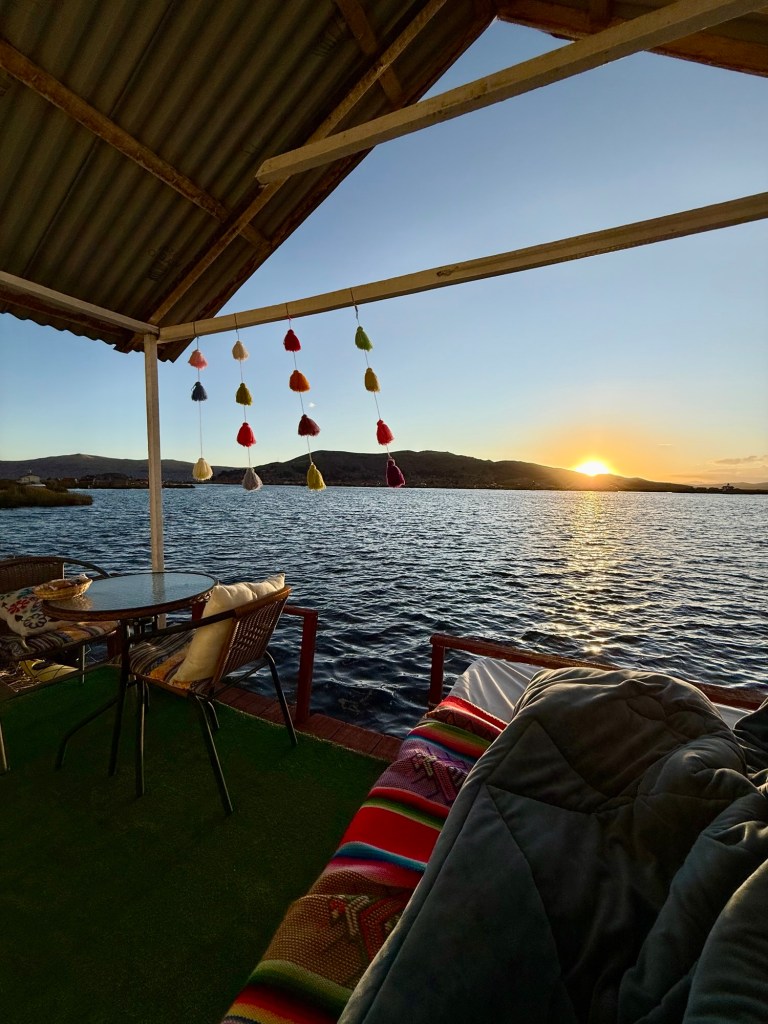
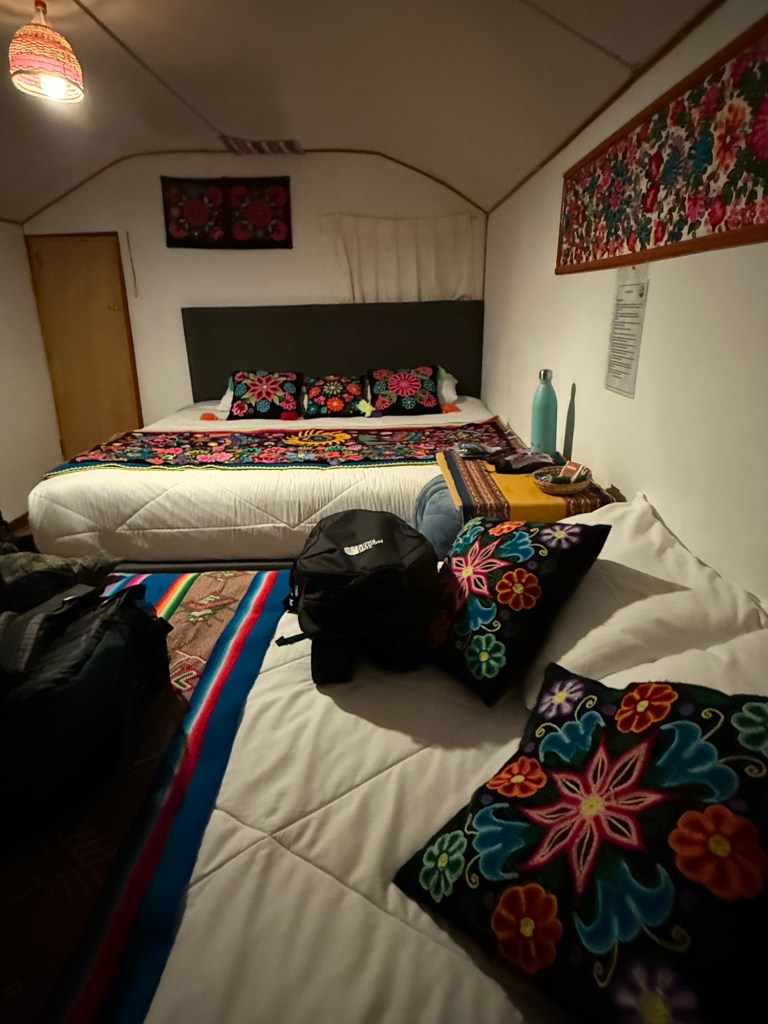
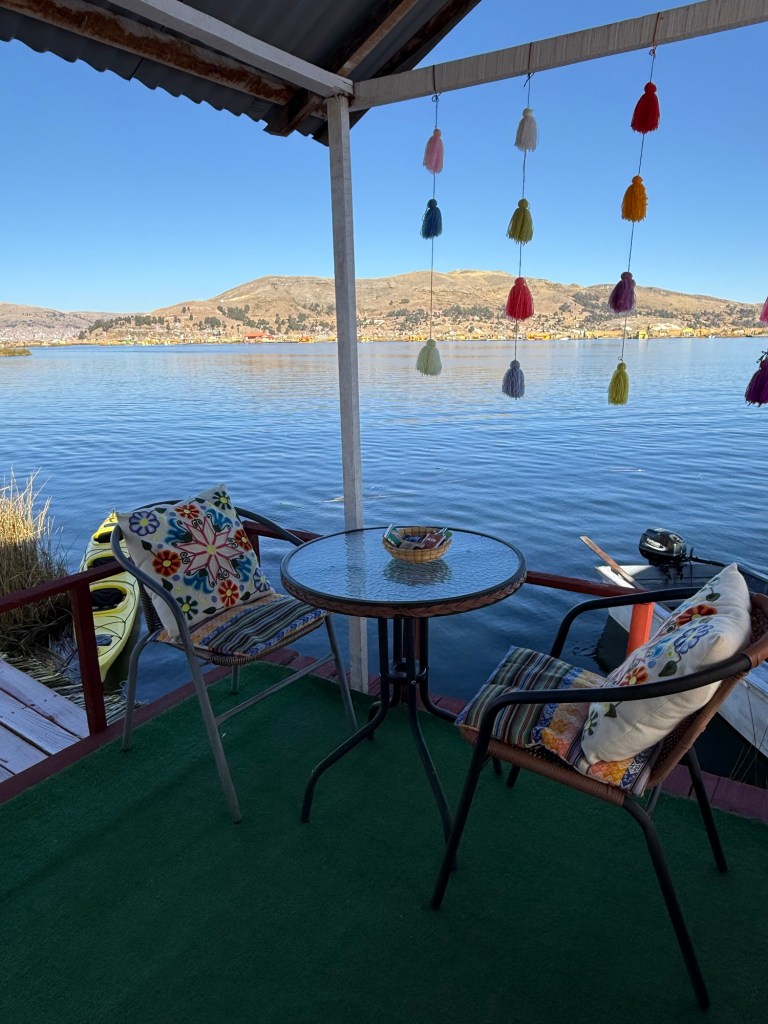
Once back at our floating home, we had time to rest, read, chill and then enjoy the stunning sunset from our balcony beds – snuggled under thick blankets!


Tomorrow we will explore the local Uros Islands and learn more about their fascinating culture, but for now we’re off to bed – warmed with what Huan calls “local heating” (recycled 2L coke bottles filled with boiling water).

From the Amazon to Lake Titicaca

(Or from the heat and humidity to the altitude and the cold!)


Having said goodbye to the Amazon it was time to take a boat, a bus, a plane, another plane, another bus and another boat – a real “travel” day.


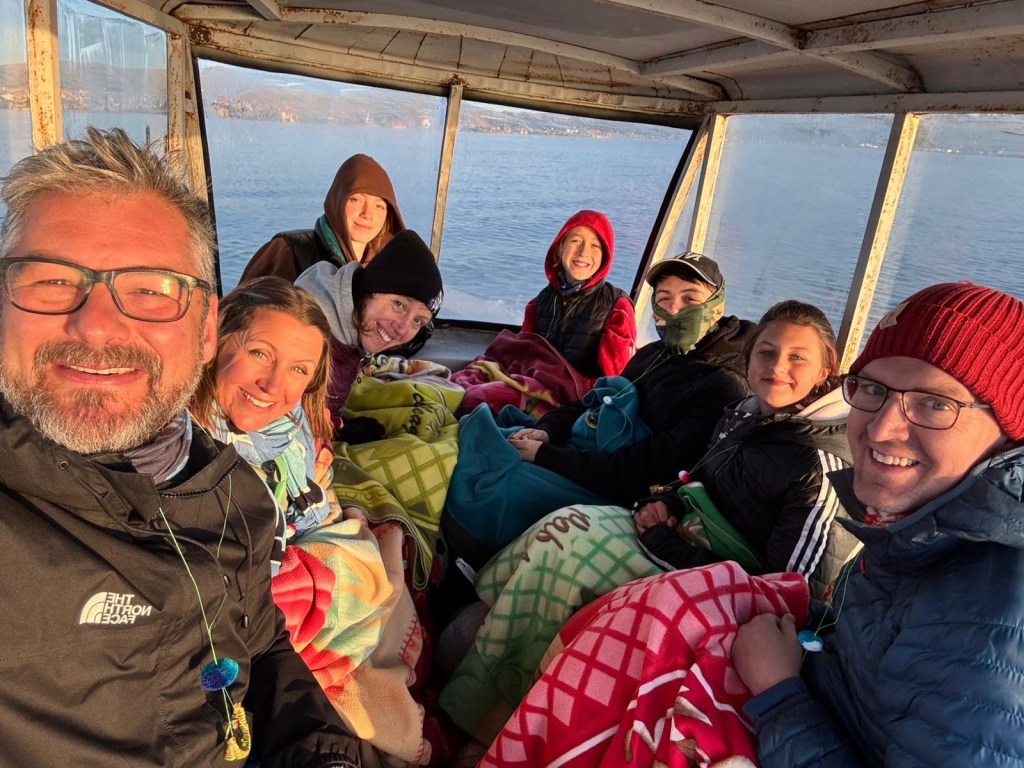
We arrived in Puno, near Lake Titicaca around 6:30pm, took a bus for over an hour to the port and then took a boat over to Uros island, where we will be staying for the next 3 nights.

The altitude hit us almost straight away, with most of us feeling dizzy and a bit sick. Poor Dave was really affected and felt very rough.


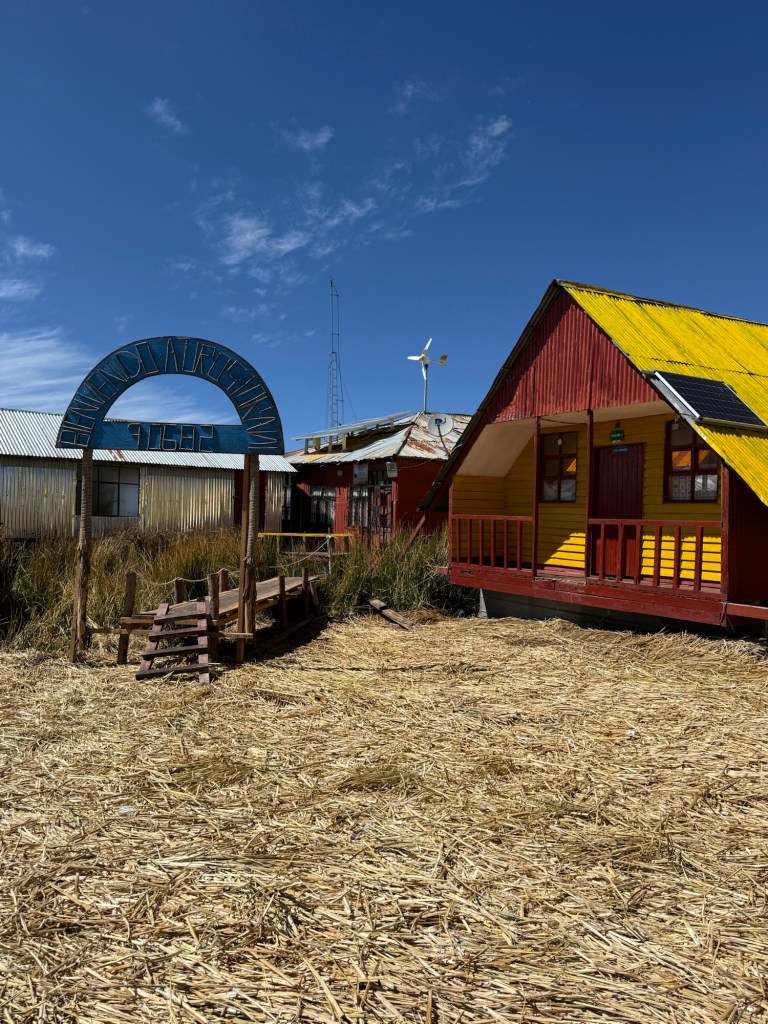
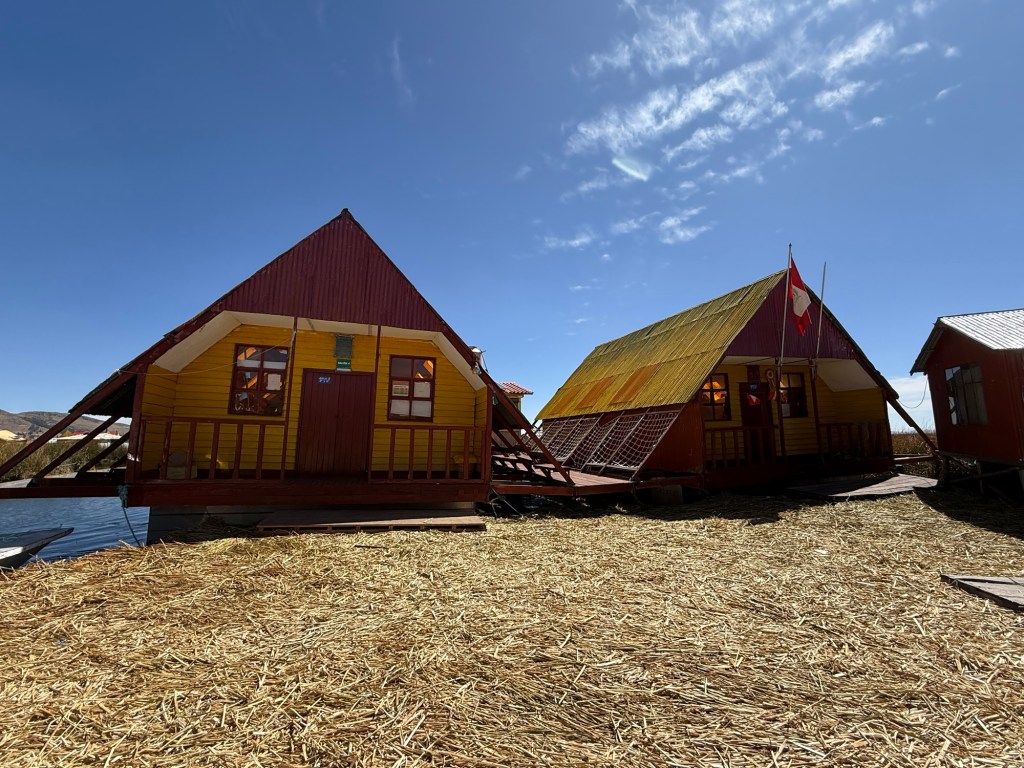
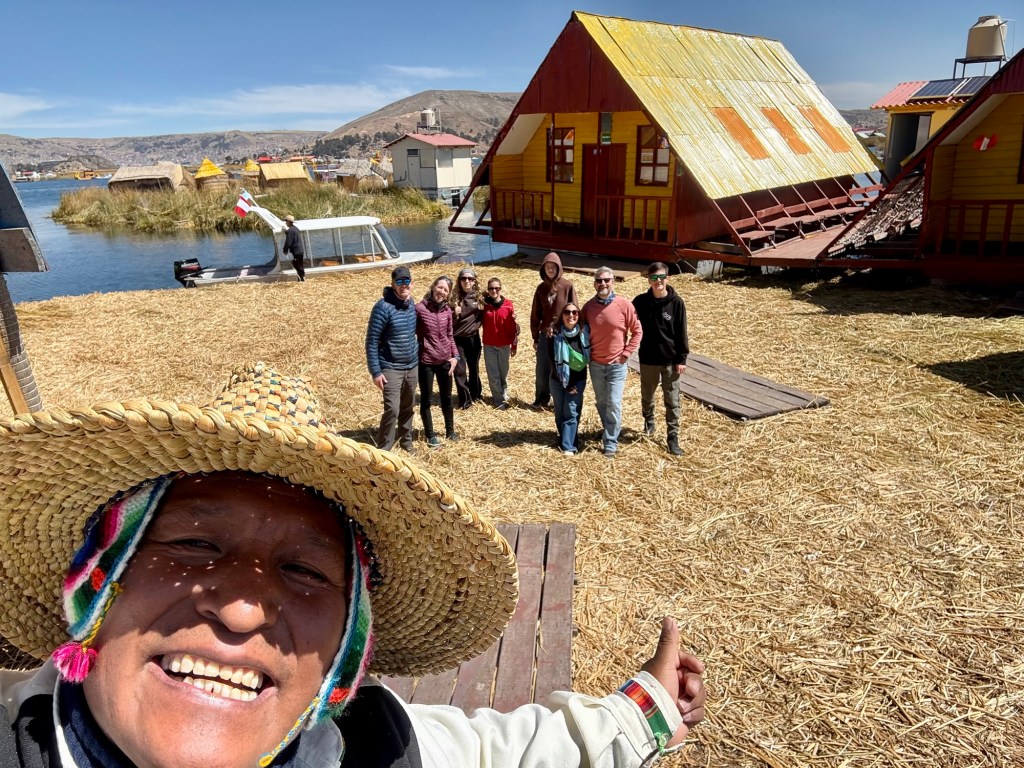
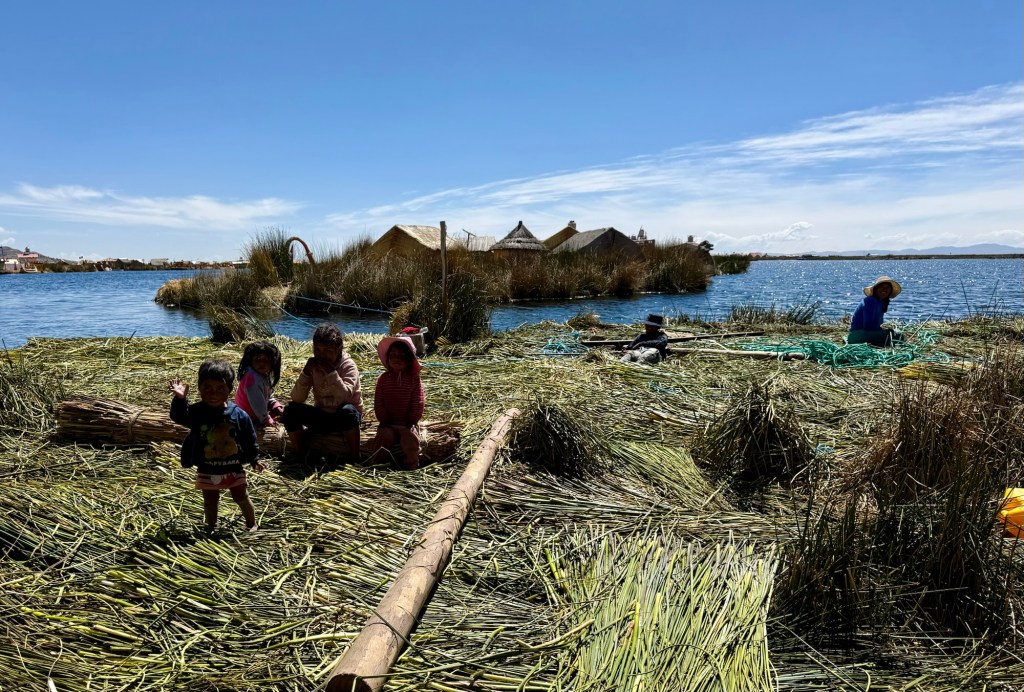
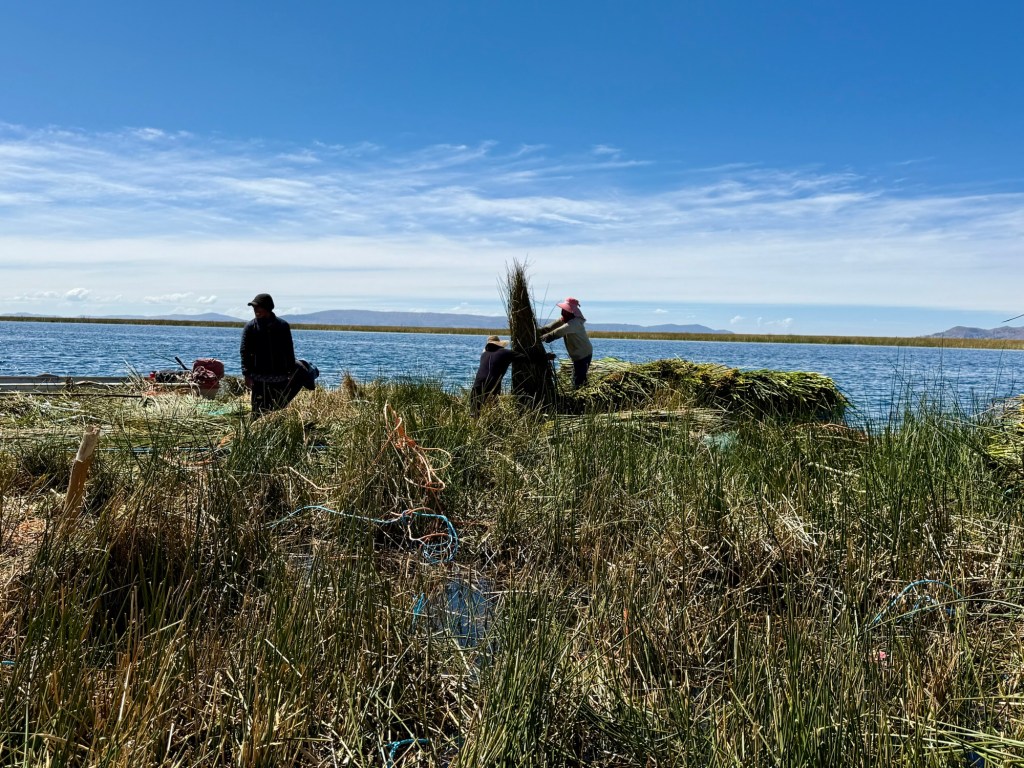
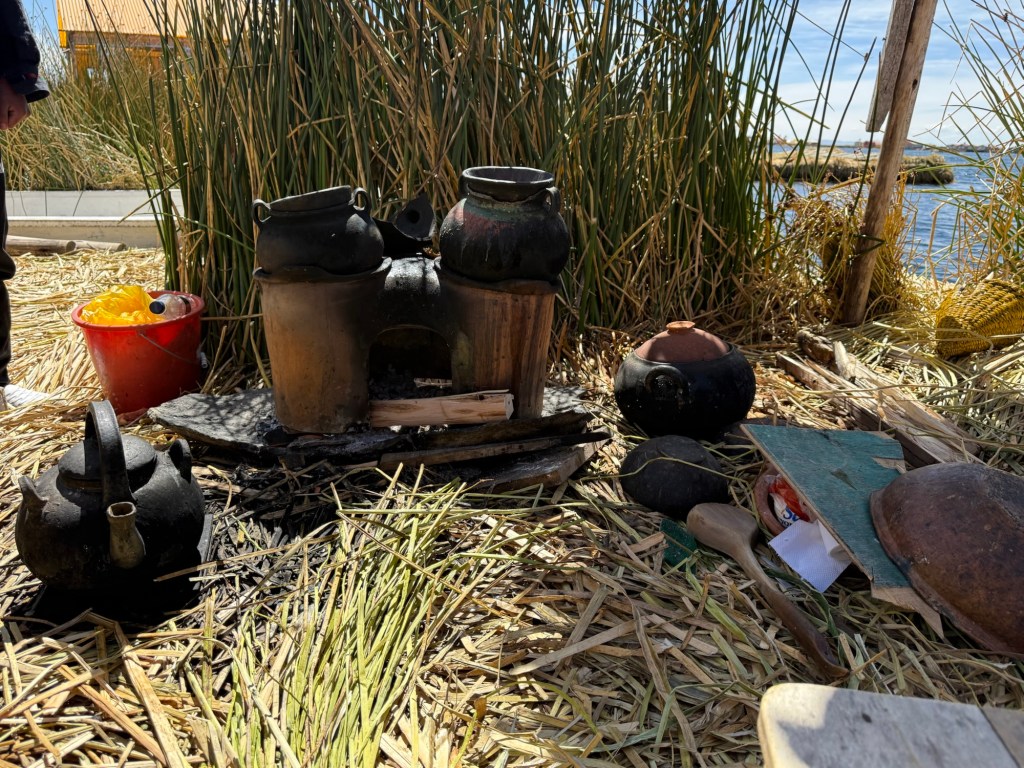
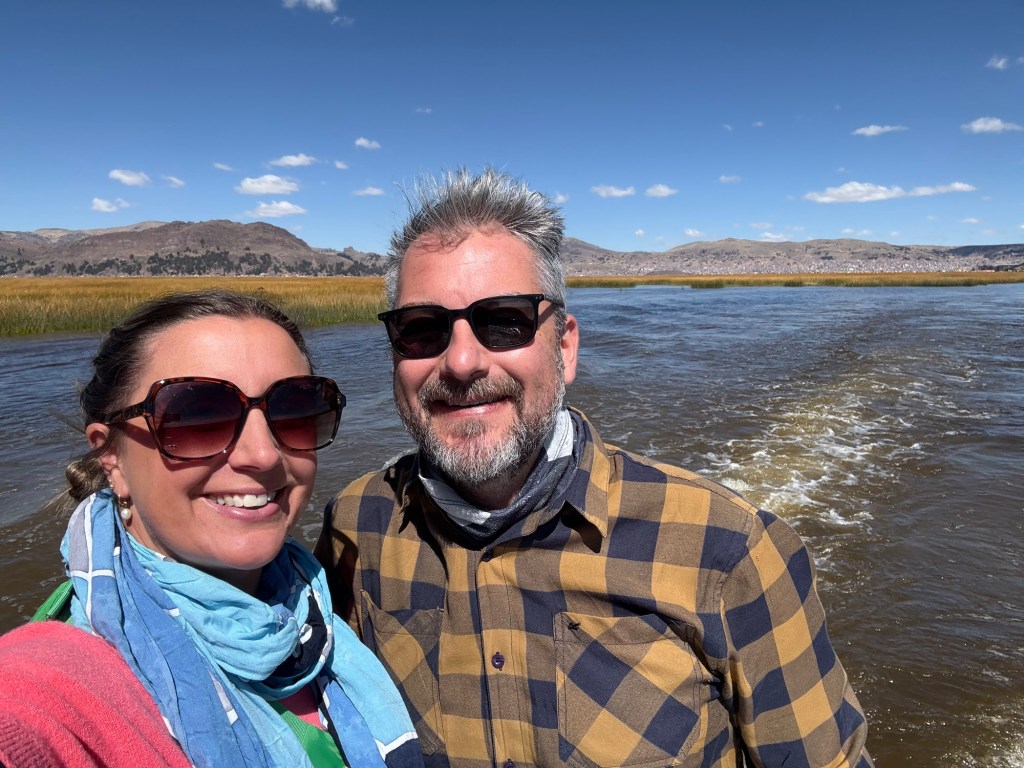
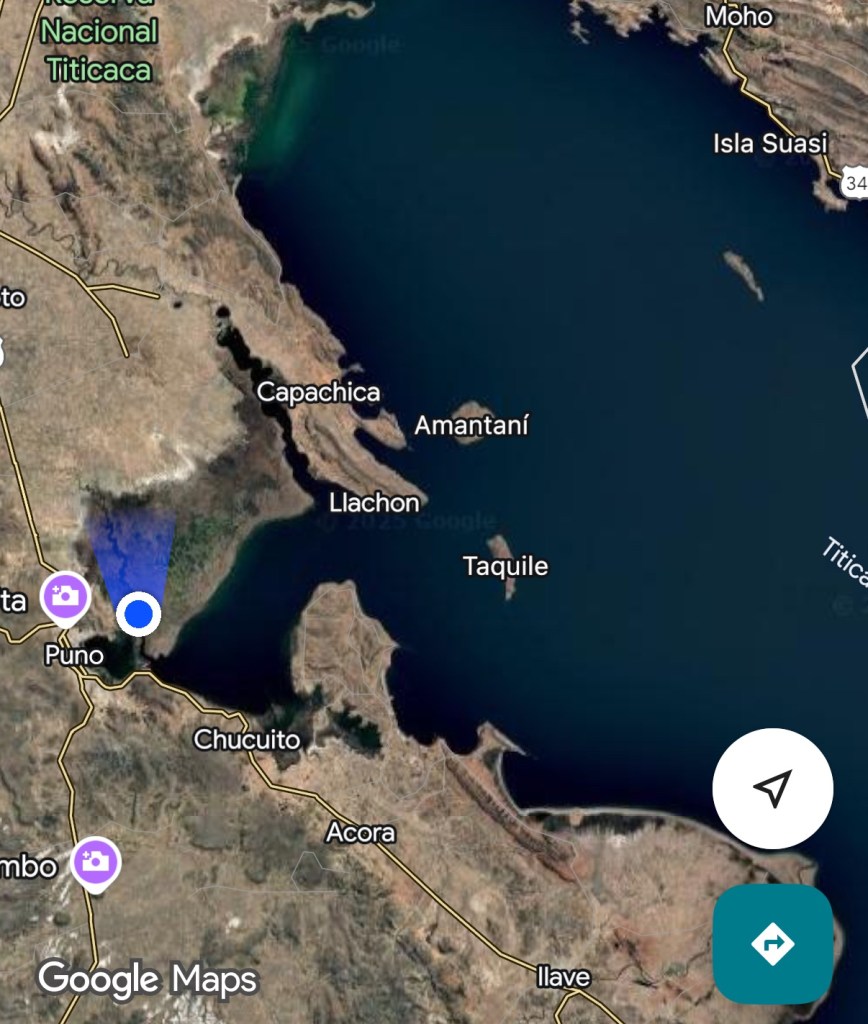
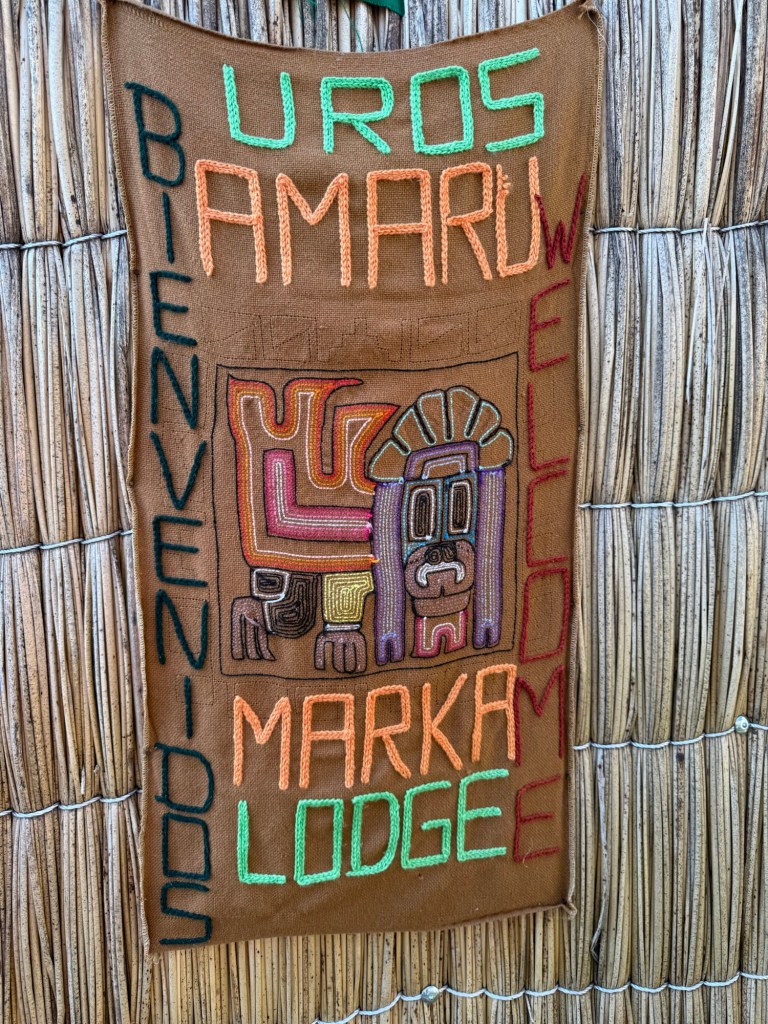
We are staying on the Uros islands – a group of artificial islands created by the Uros people using “totora” reeds. These reeds are woven together to form thick, floating platforms which the Uros people then build on. The Uros are one of the oldest cultures in the region and even pre-date the Incas.

You can see where we are here:


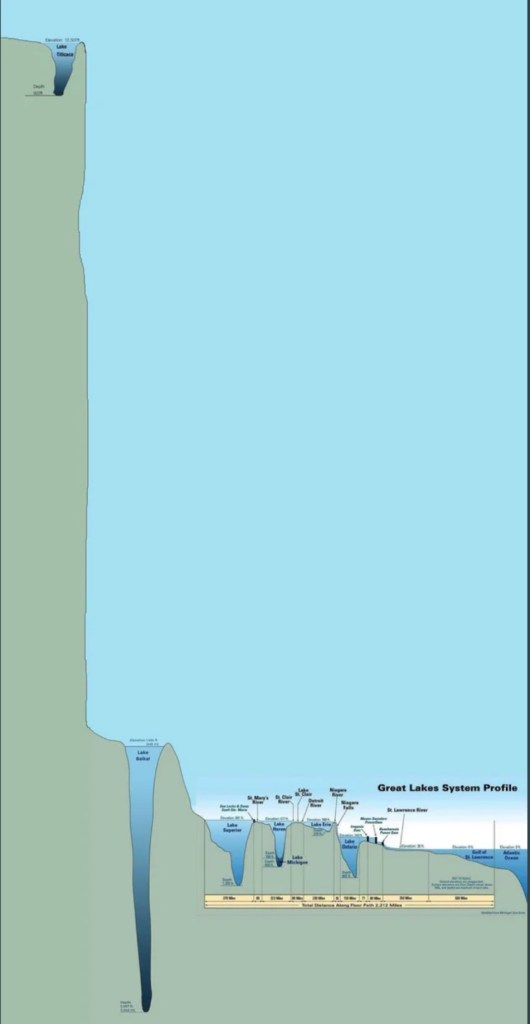
Lake Titicaca is the highest navigable lake in the world, sitting at 3800m above sea level. It straddles the border of Peru and Bolivia and is said to be the birthplace of the Incas. We are looking forward to learning lots about this area in the next couple of days, hopefully acclimatising well at the same time.


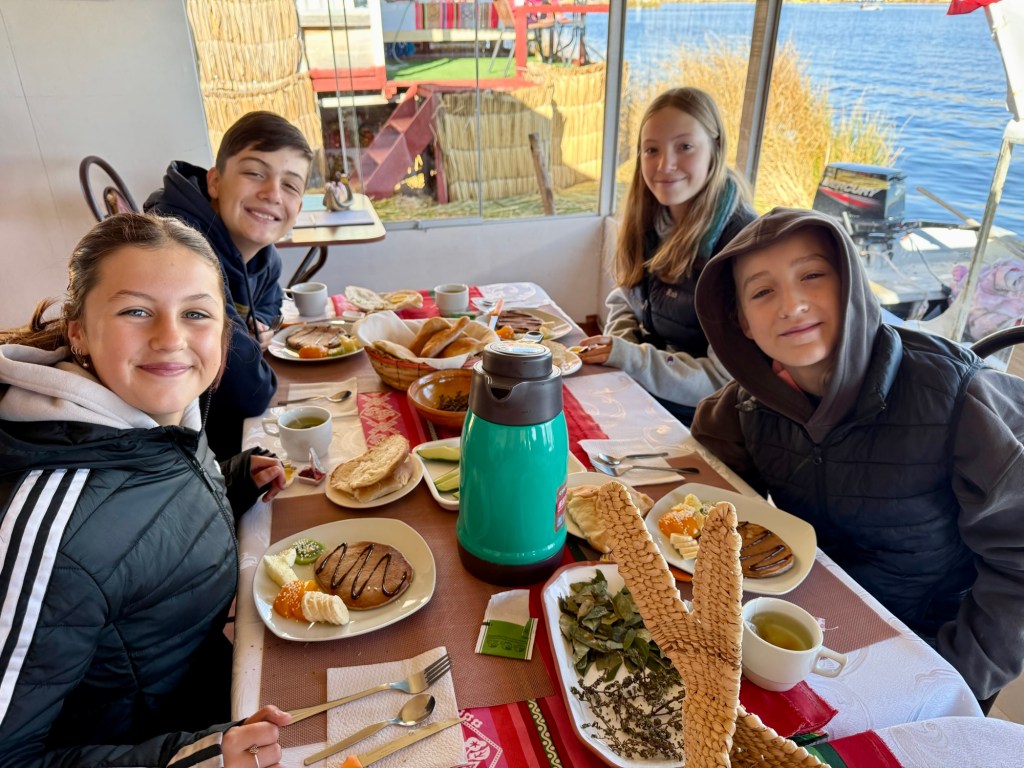
On our first morning here, we awoke to beautiful sunshine and delicious breakfast prepared by the family. Altitude sickness aside, we are feeling incredibly lucky to be here.


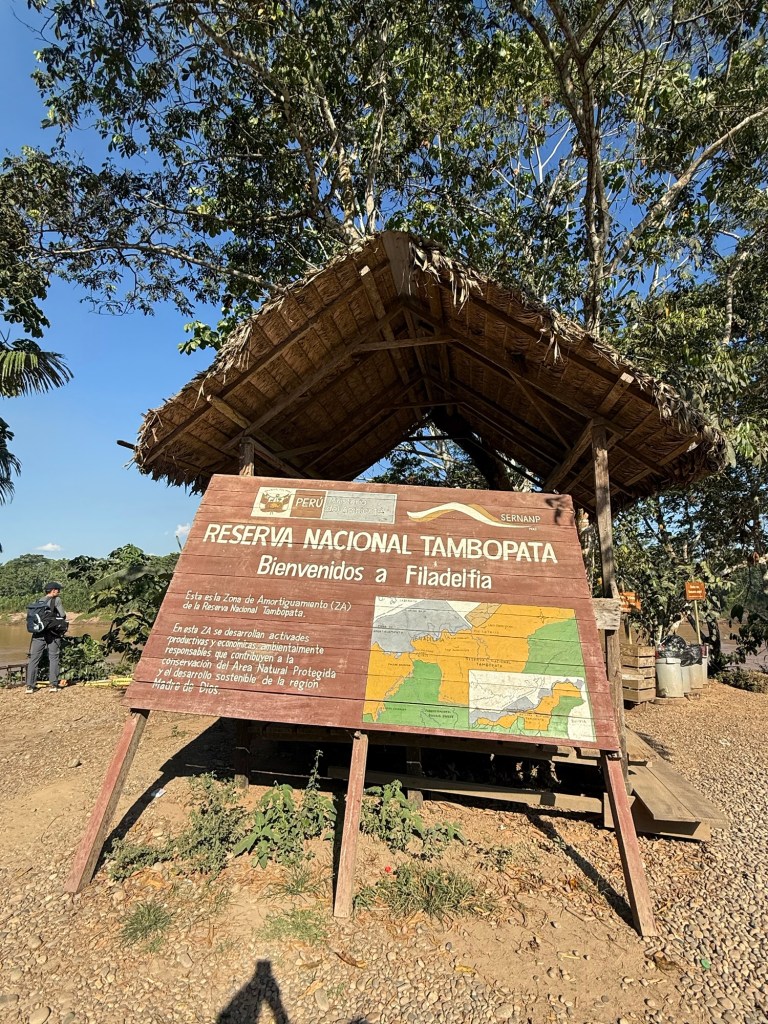
Tambopata, Amazonas, Peru

DAY 1:

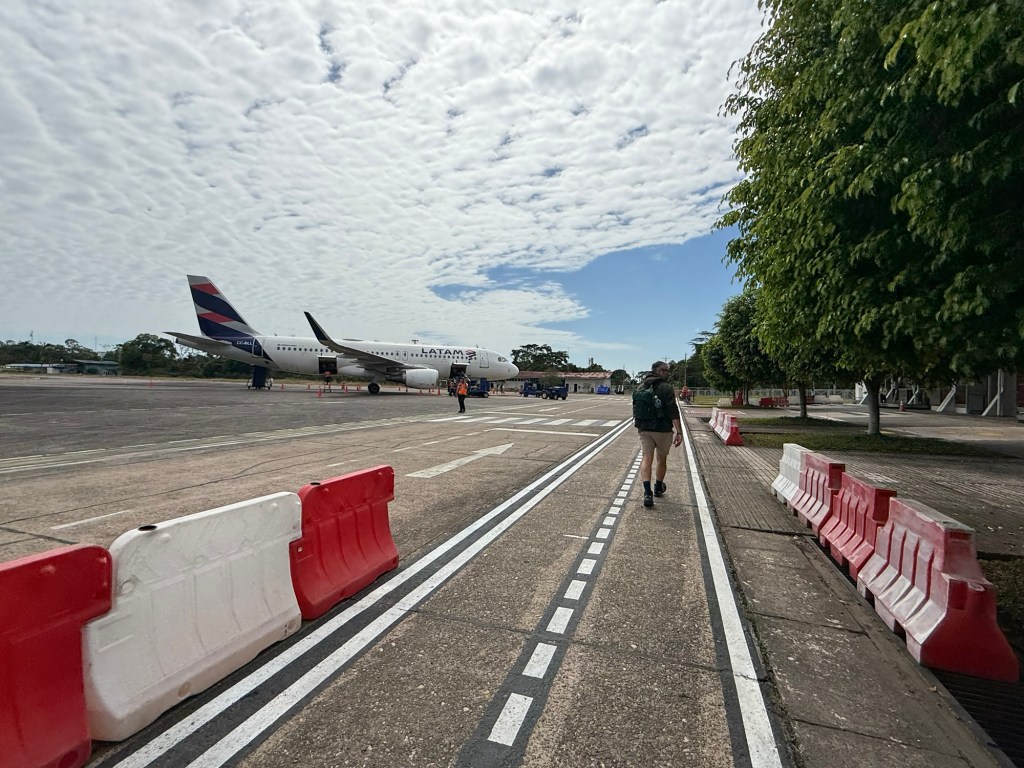
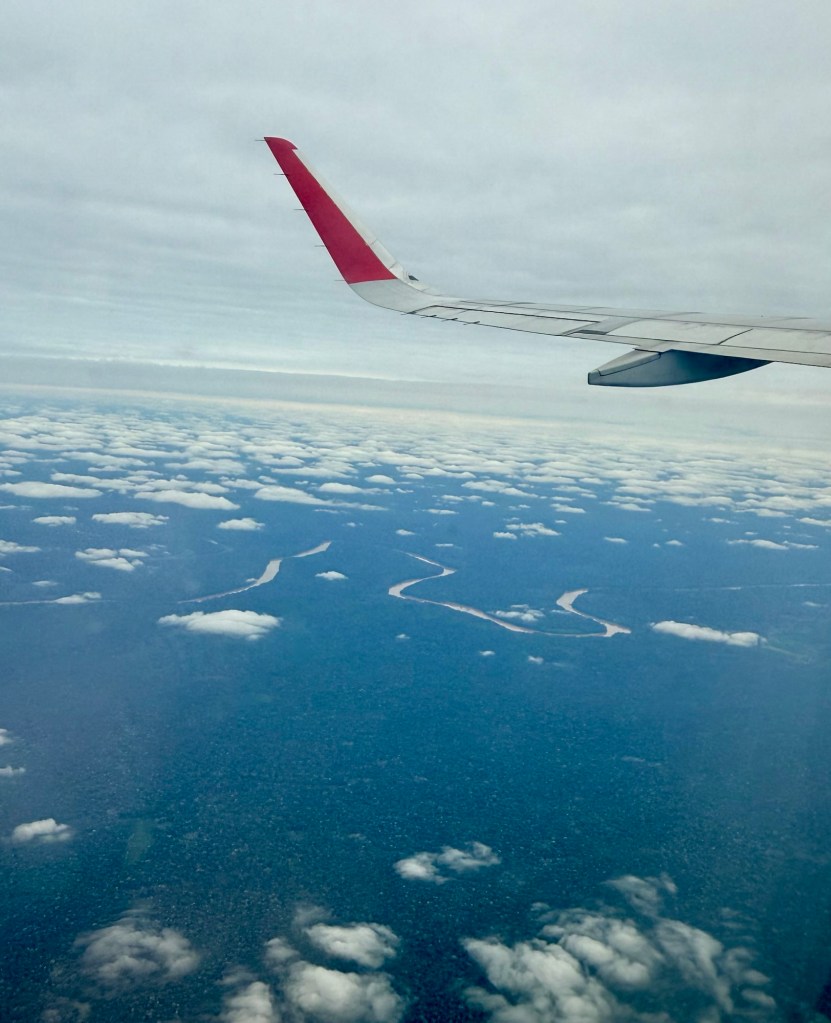
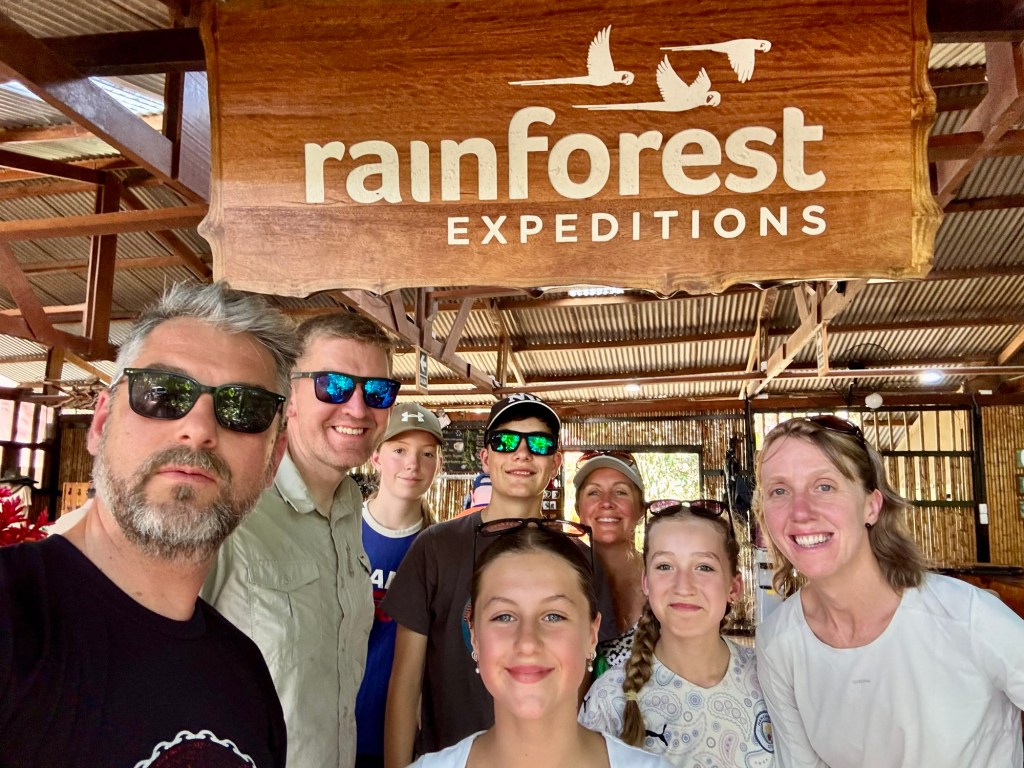
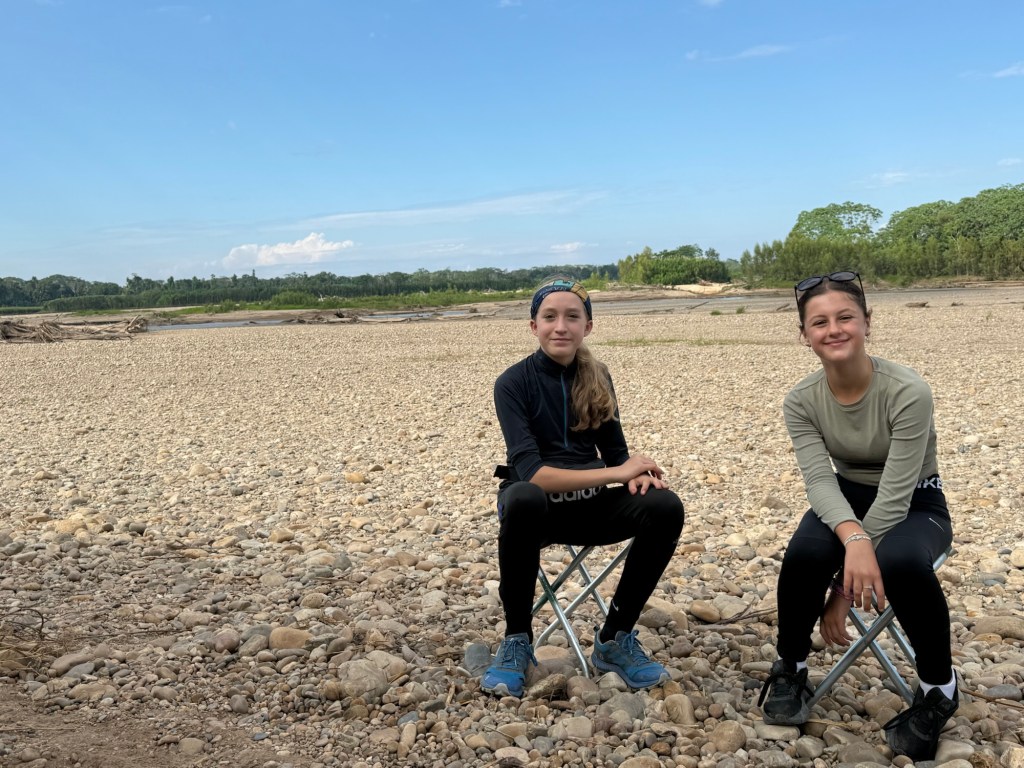
On Sunday 27th July, we were up and out bright and early again – this time to head to the airport for our flight to the Amazonian city of Puerto Maldonado, southeastern Peru. We’ve booked a 3 night stay with an ecotourism company called Rainforest Expeditions, a more luxurious option than we normally take, so a huge treat. No complications with LATAM this time and soon we were up in the air heading East.


We arrived around noon, straight off the plane and into the humidity and heat of the Amazon! Martin’s watch informed us it was 33 degrees, but would feel like 40 due to the humidity. Time to rid ourselves of layers!

We were soon greeted by Luis, our guide for the next 4 days. He got us loaded onto a bus (with aircon!) and off we went to the Rainforest Expedition offices where we could sort our bags and freshen up.


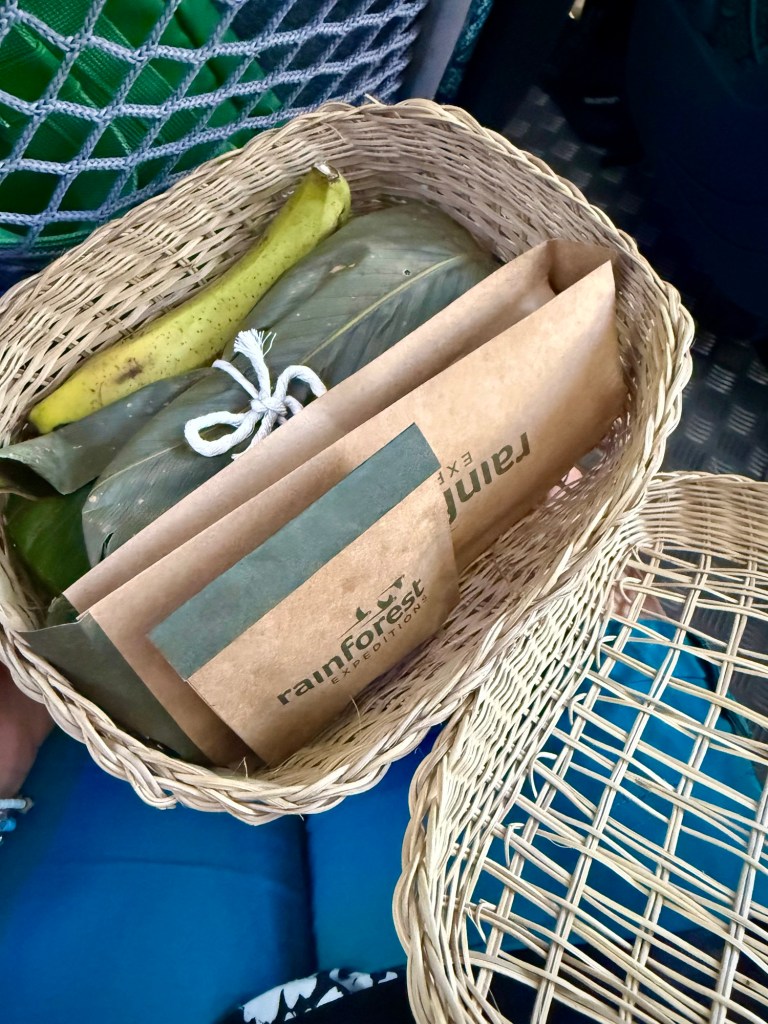
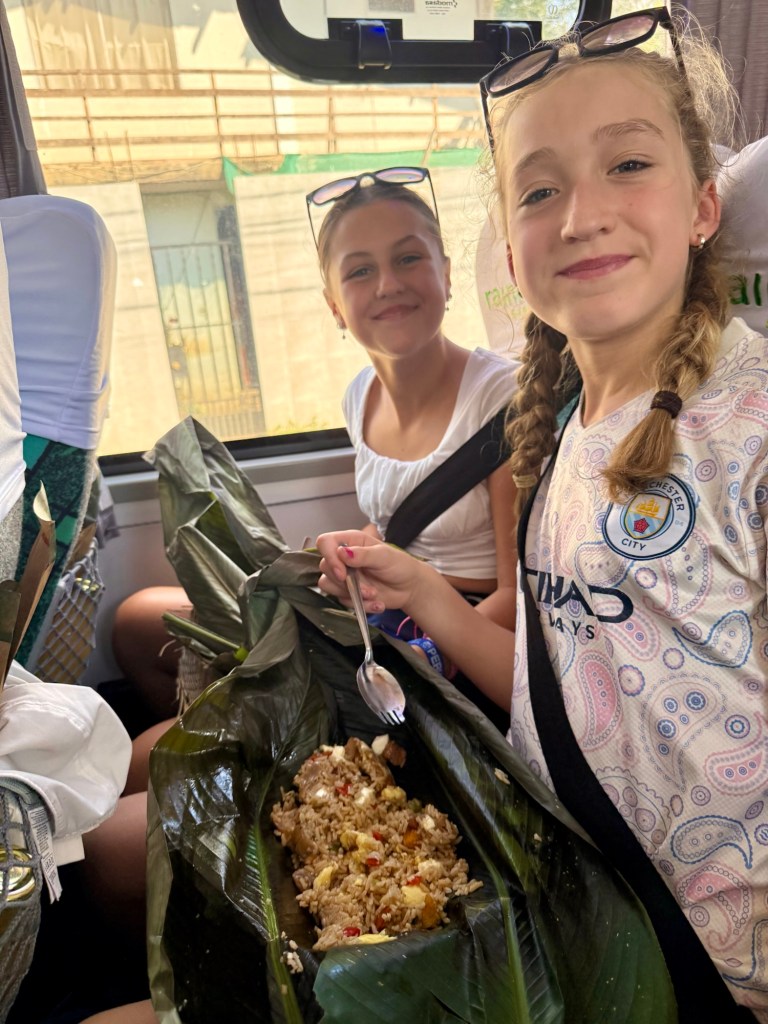
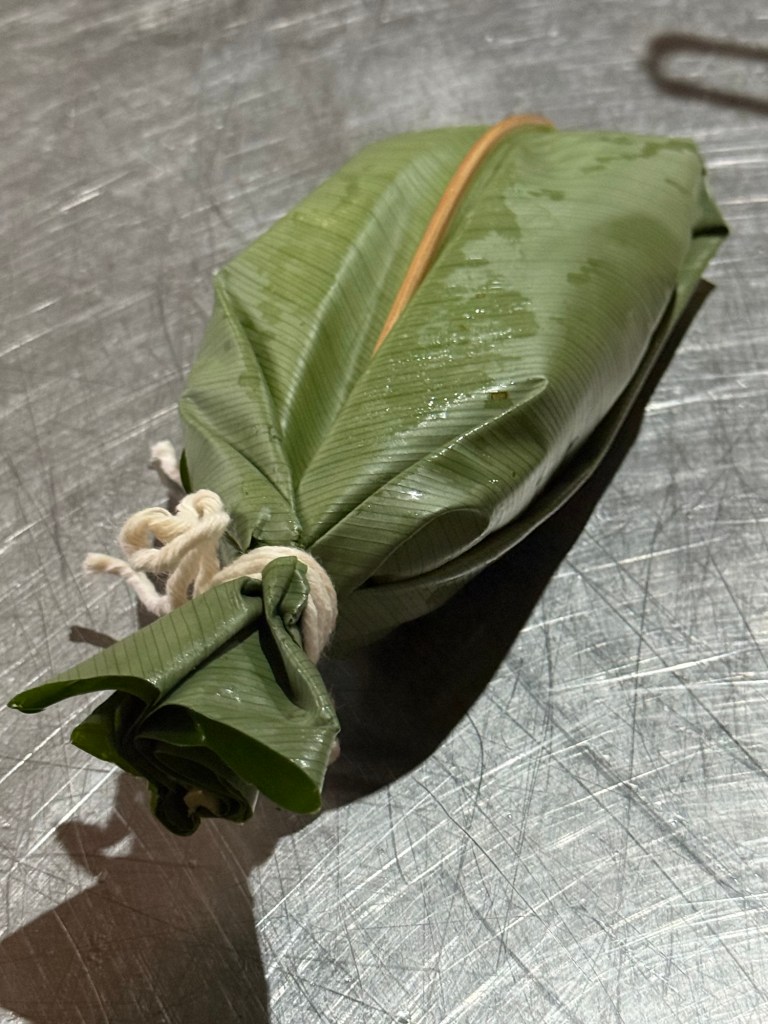
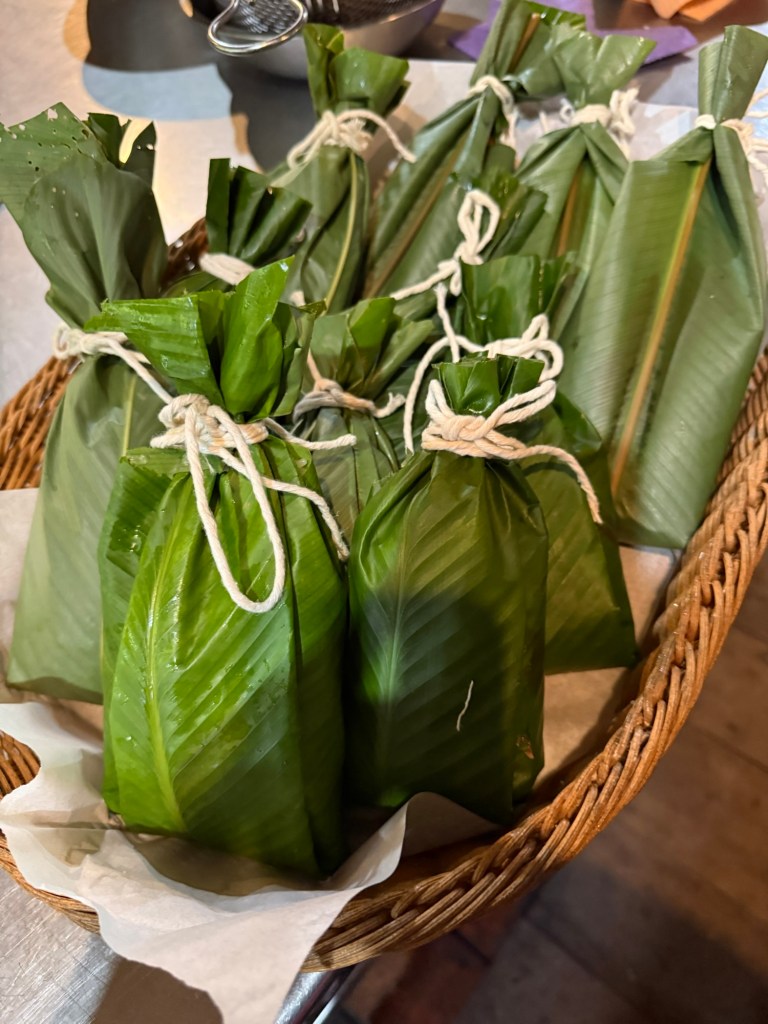
Next up was an hour and a half bus ride to the river, during which we were given our lunch. This was incredibly scrummy, but also packaged beautifully – in leaves and a wicker basket. Gorgeous.


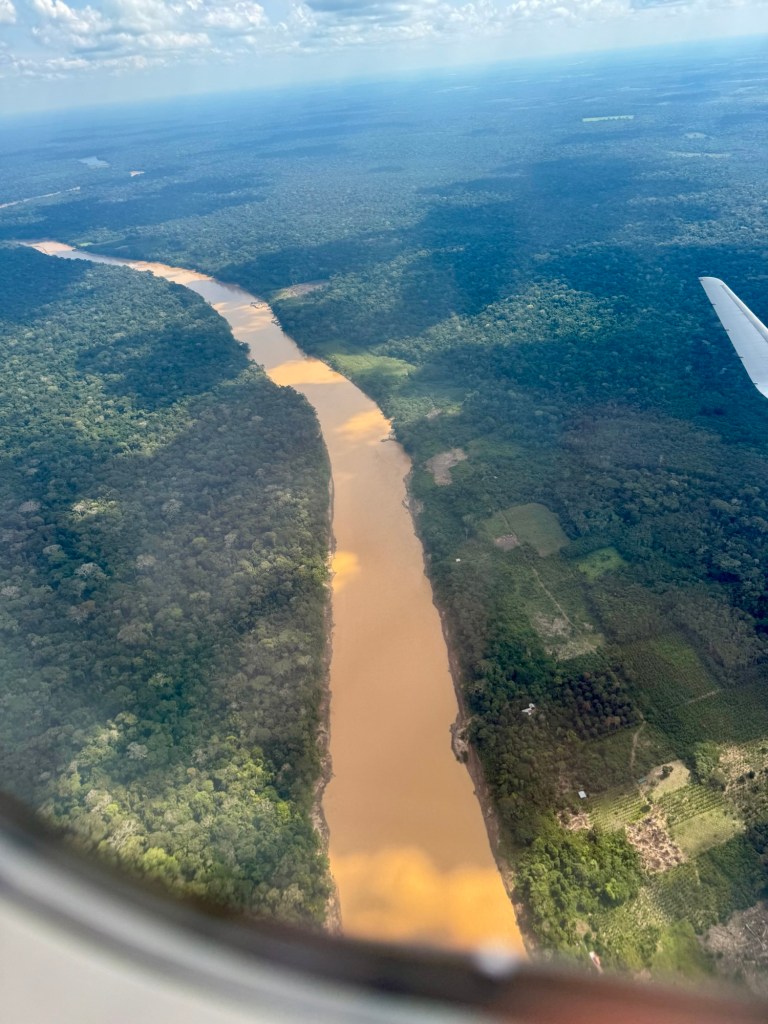
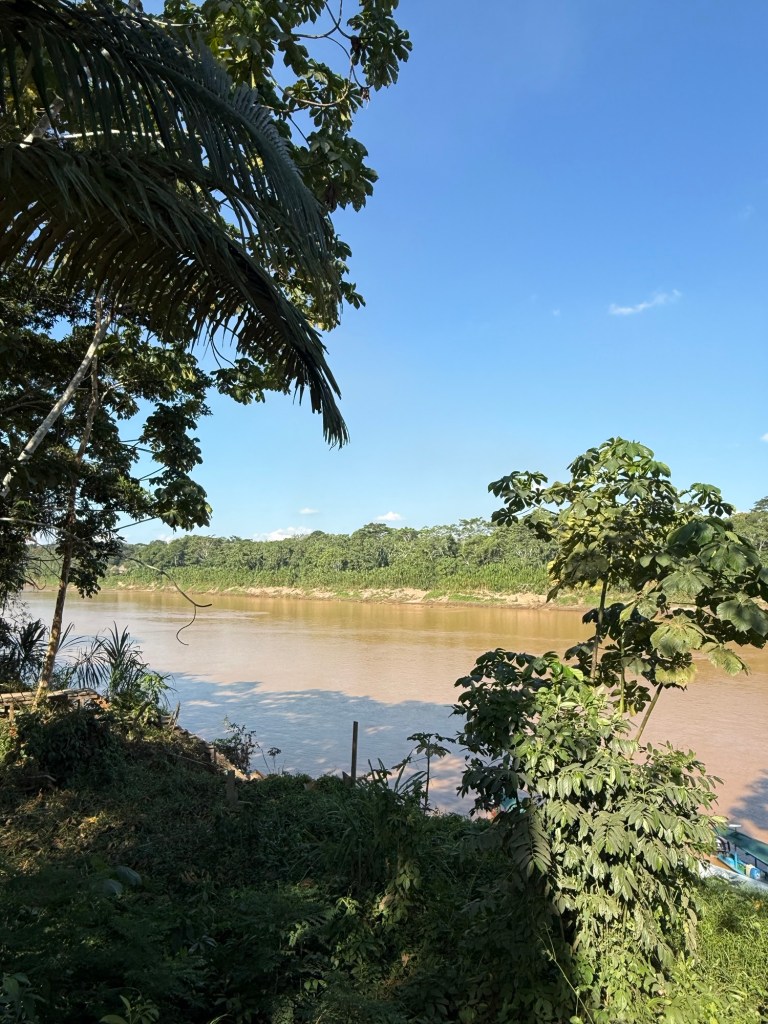
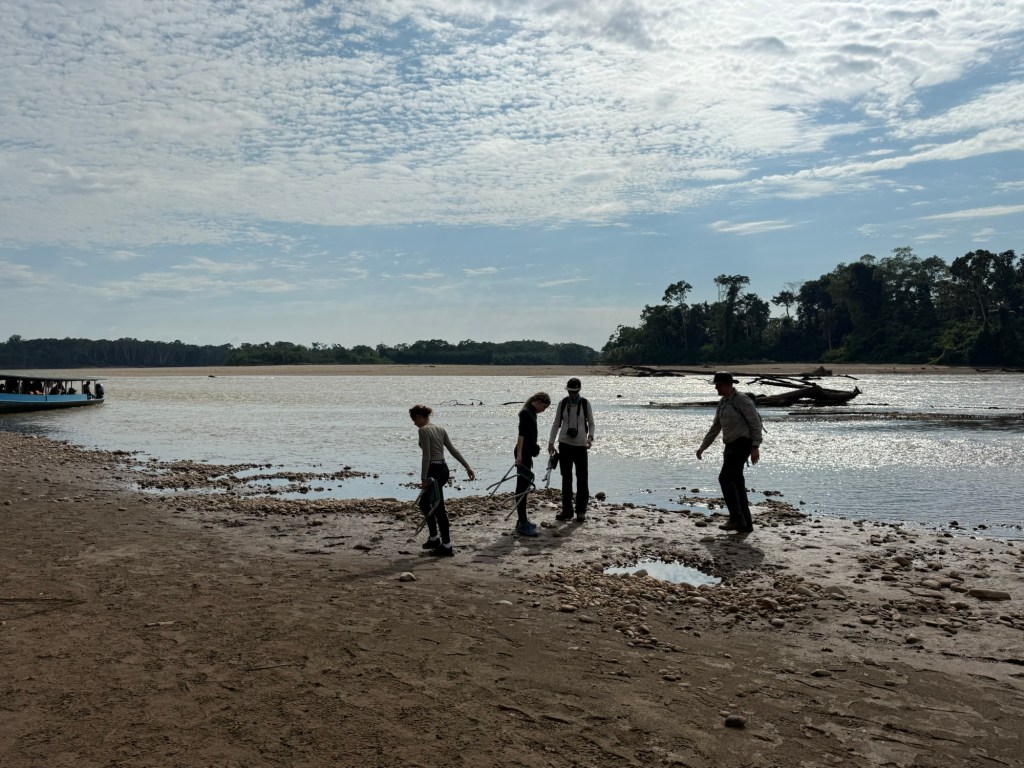
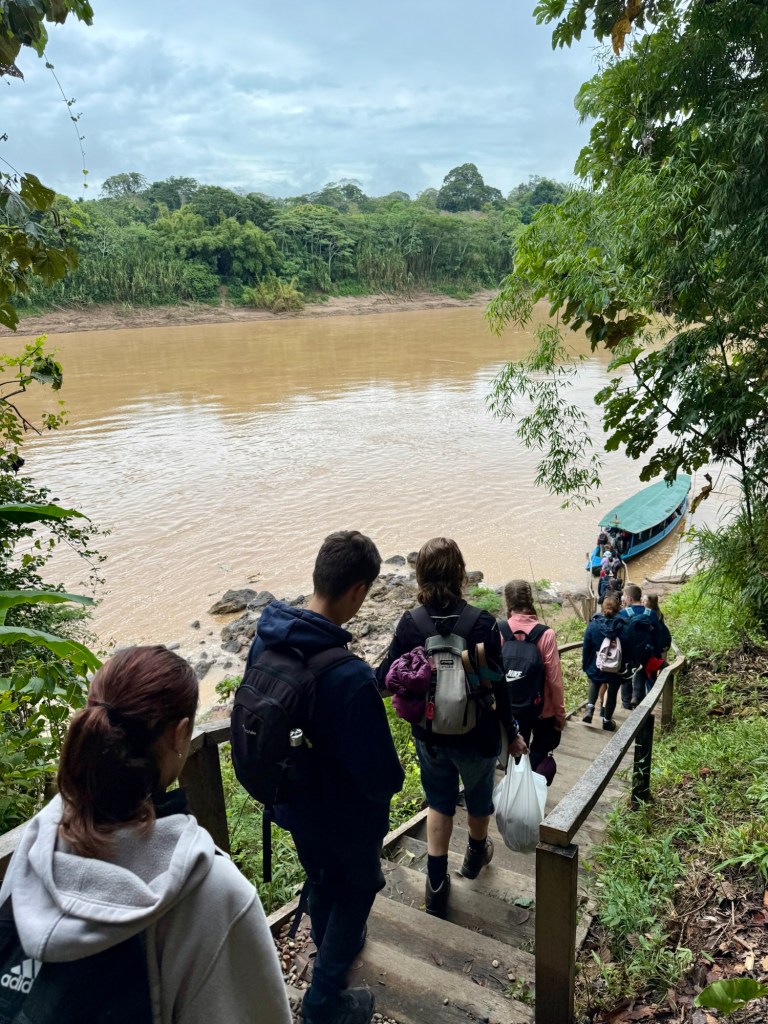
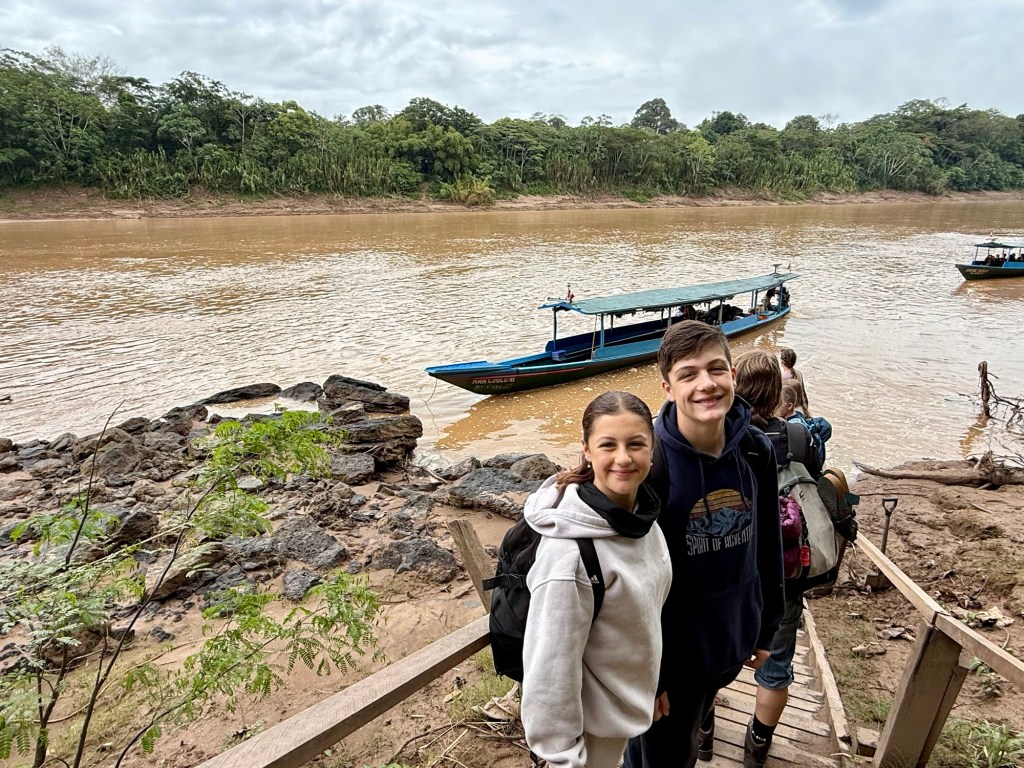
With the bus ride over, we’d reached the Tambopata River in the Amazon rainforest!


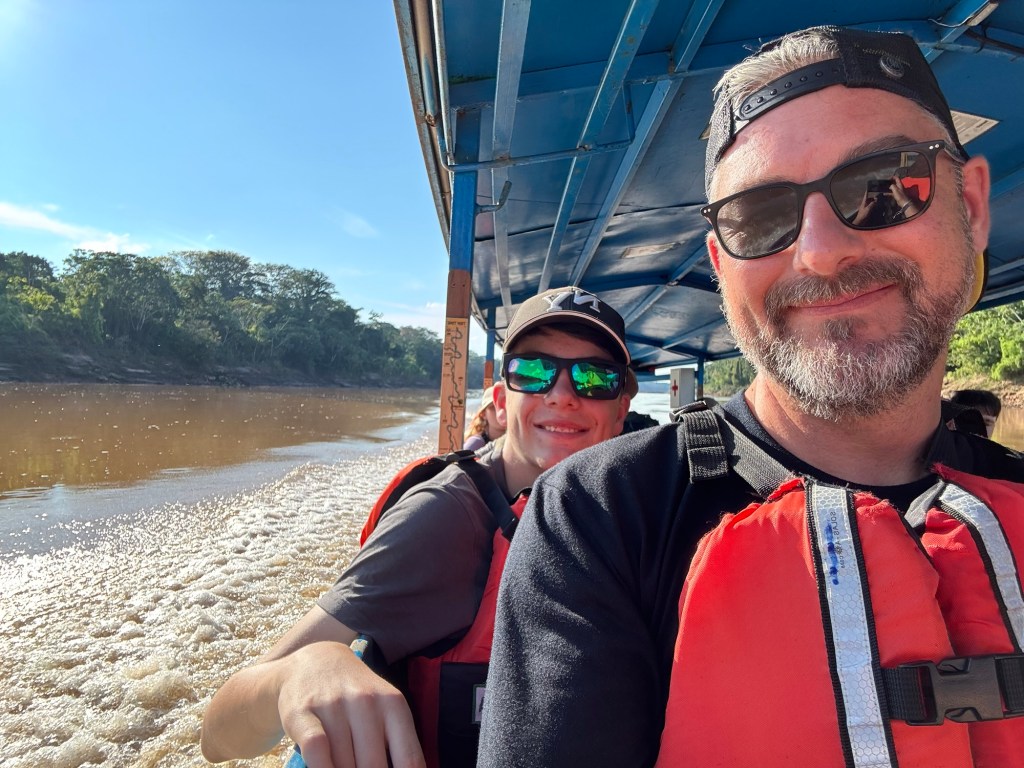
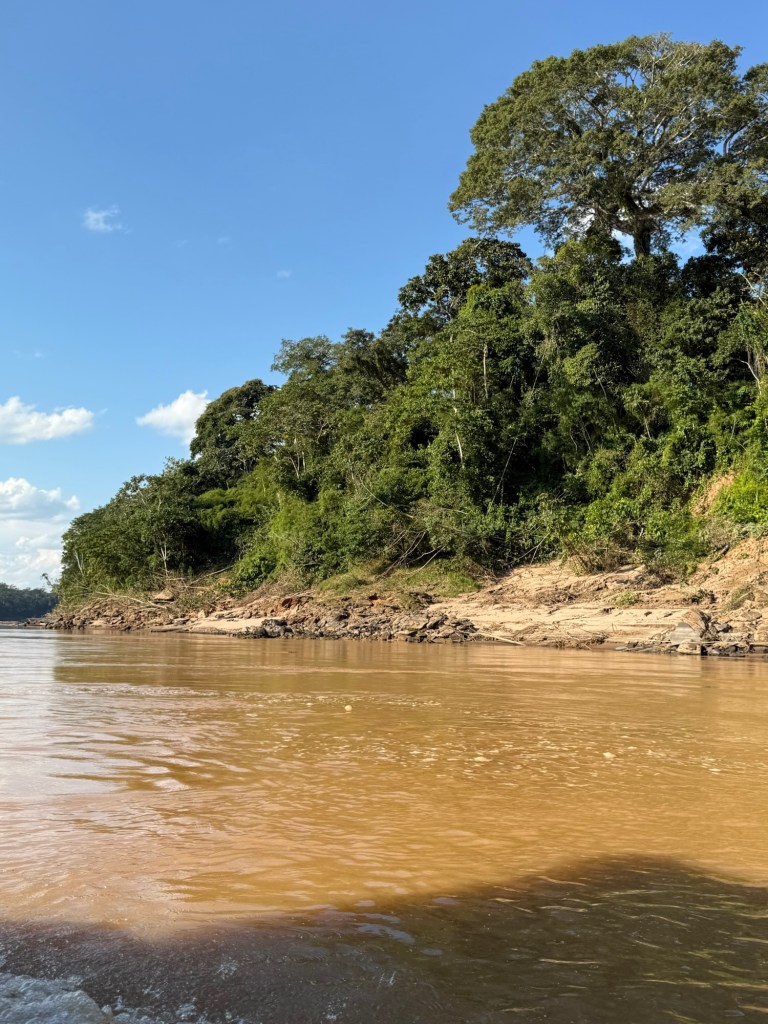
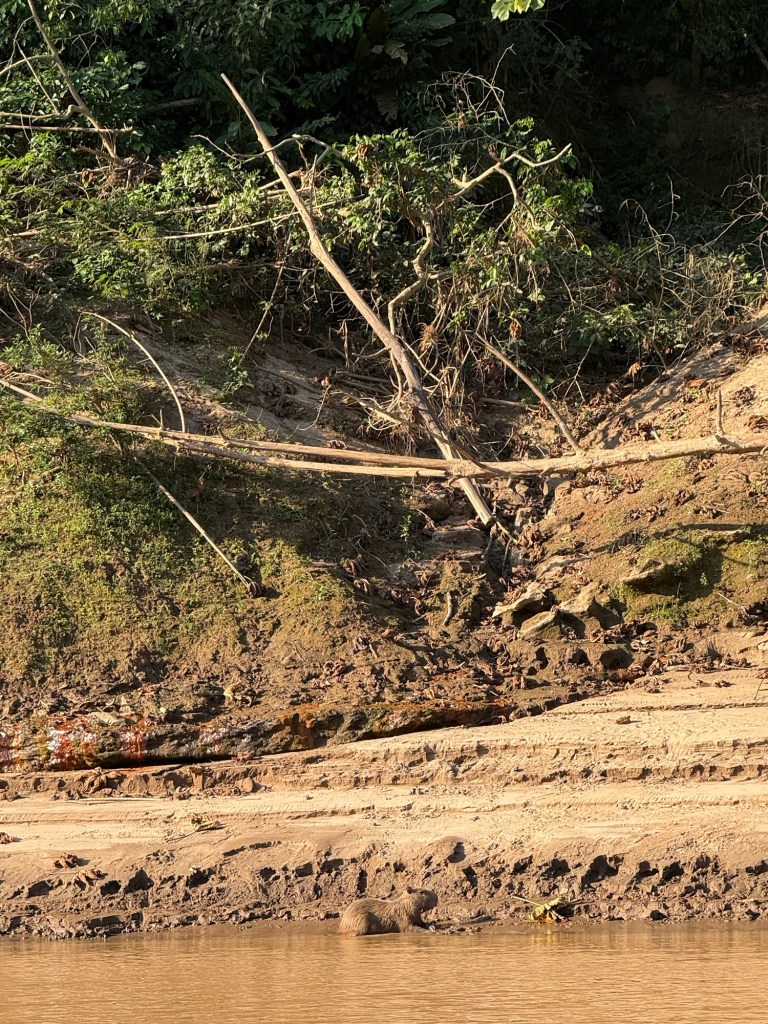
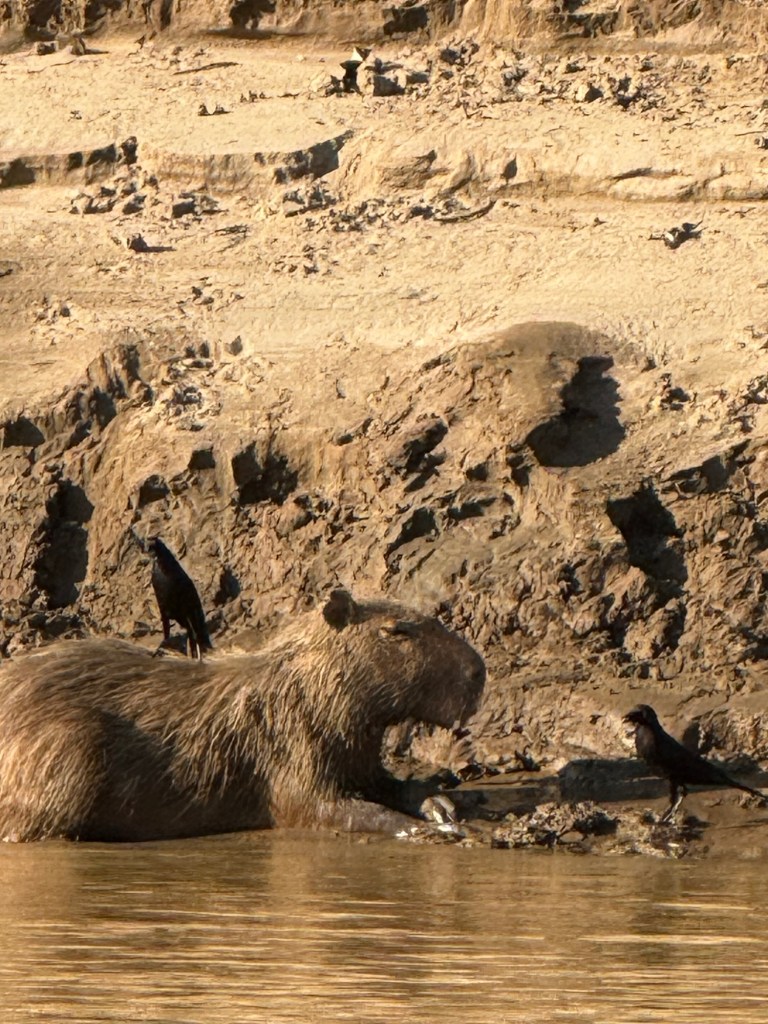
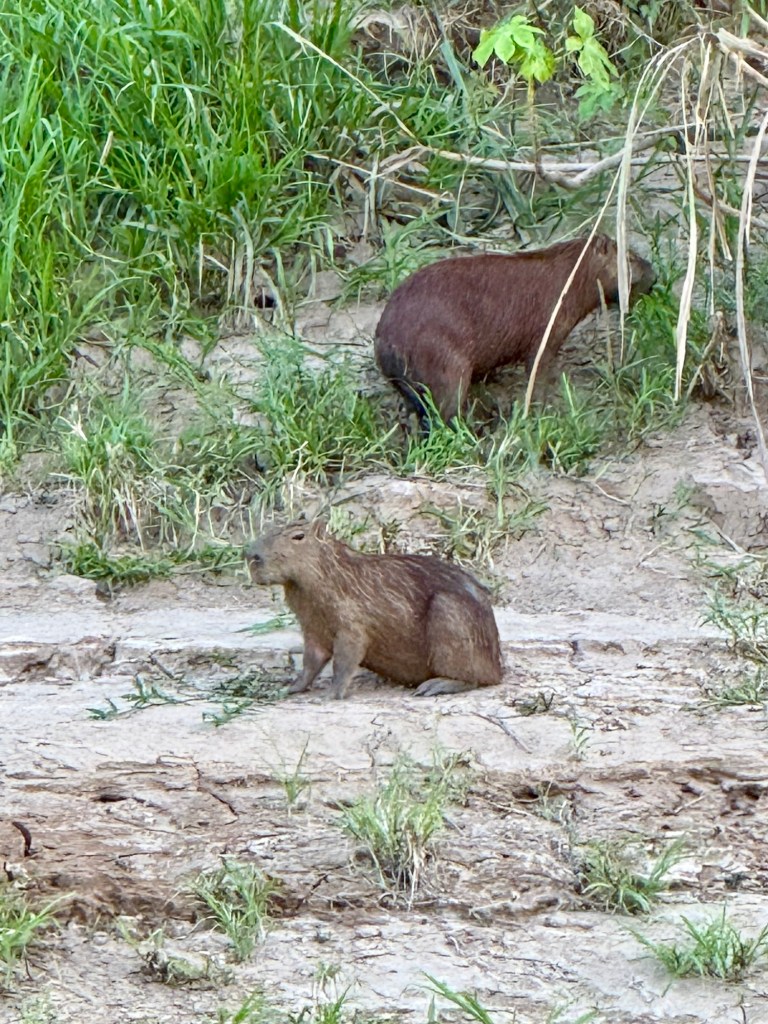
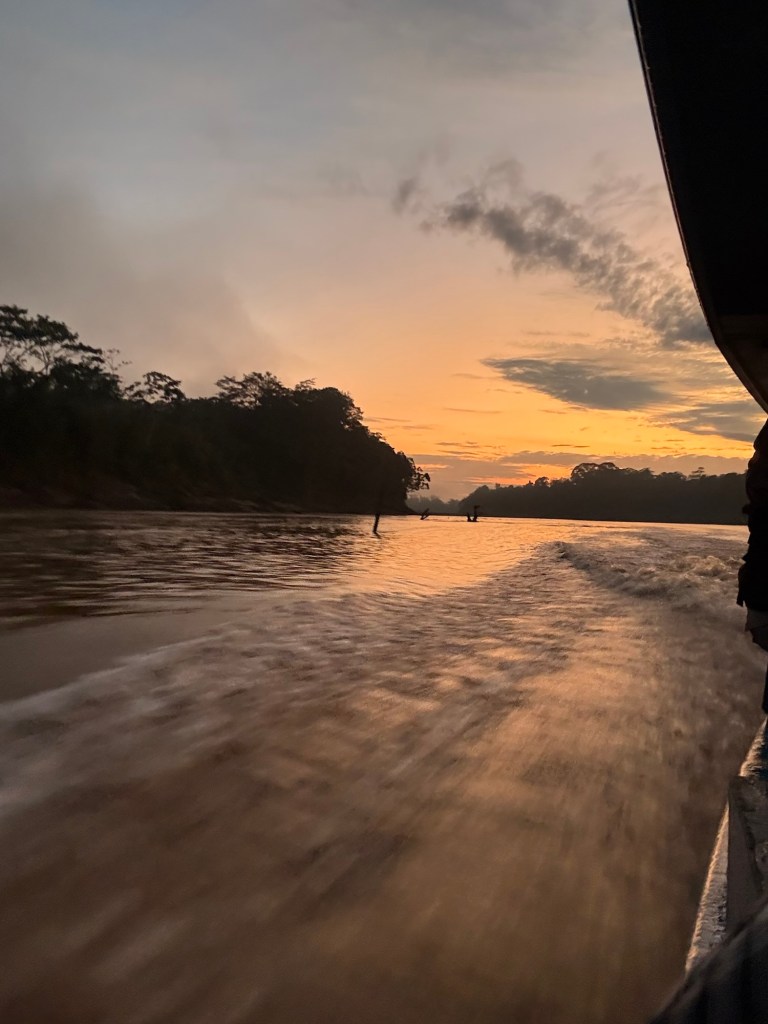
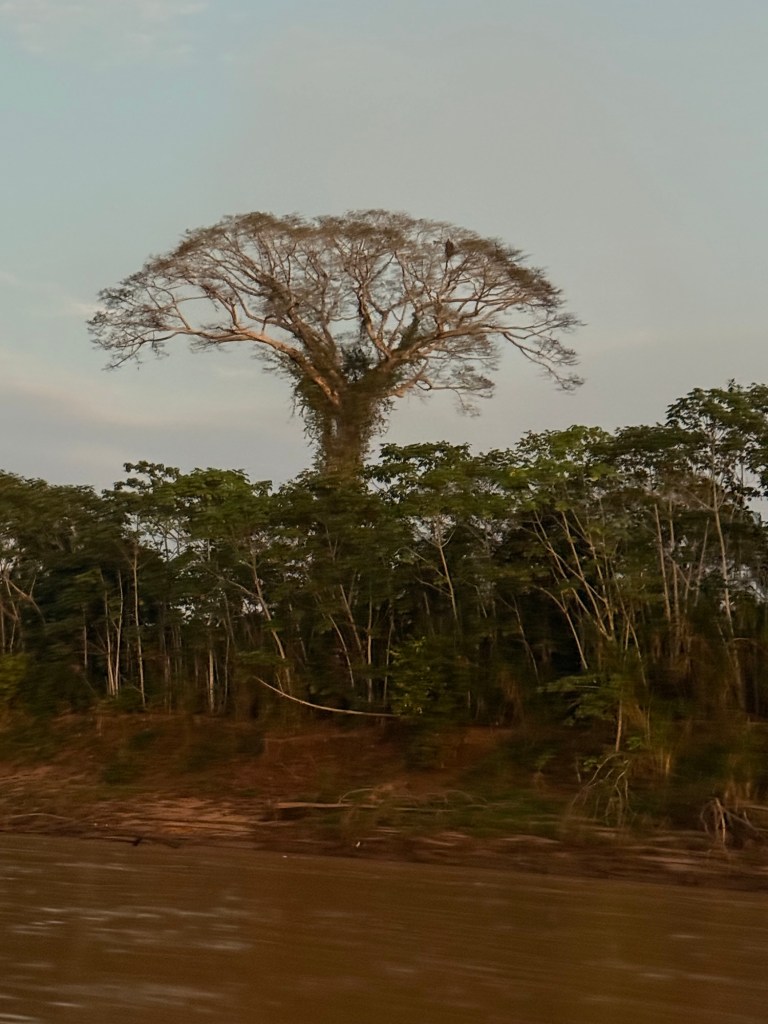
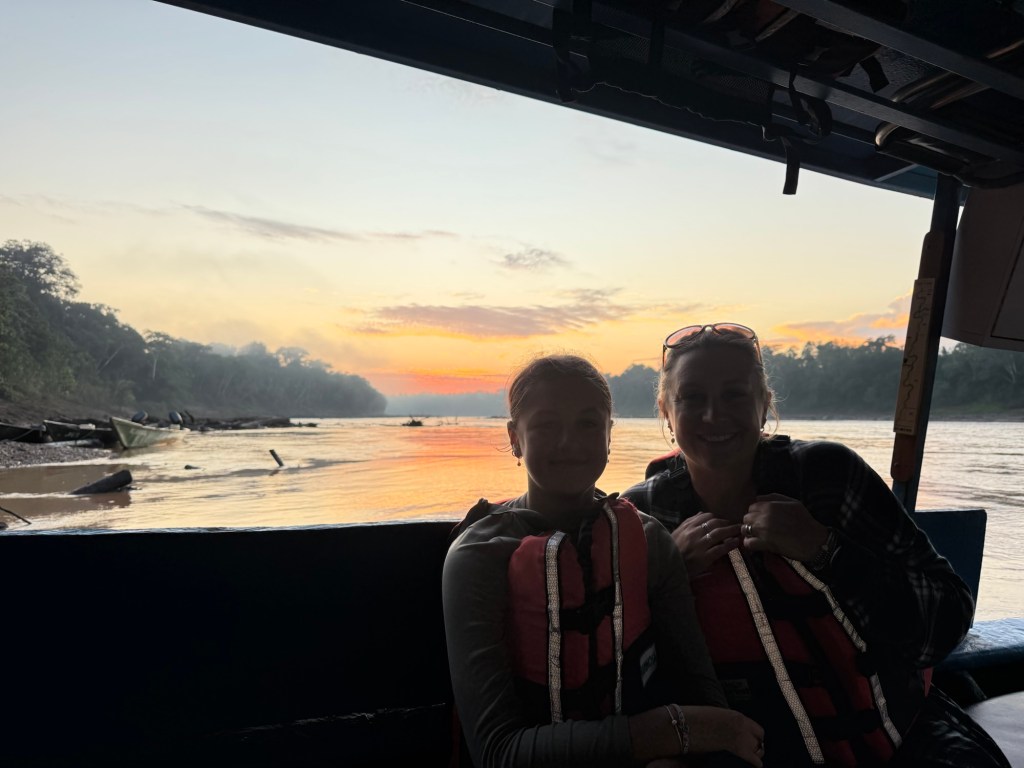
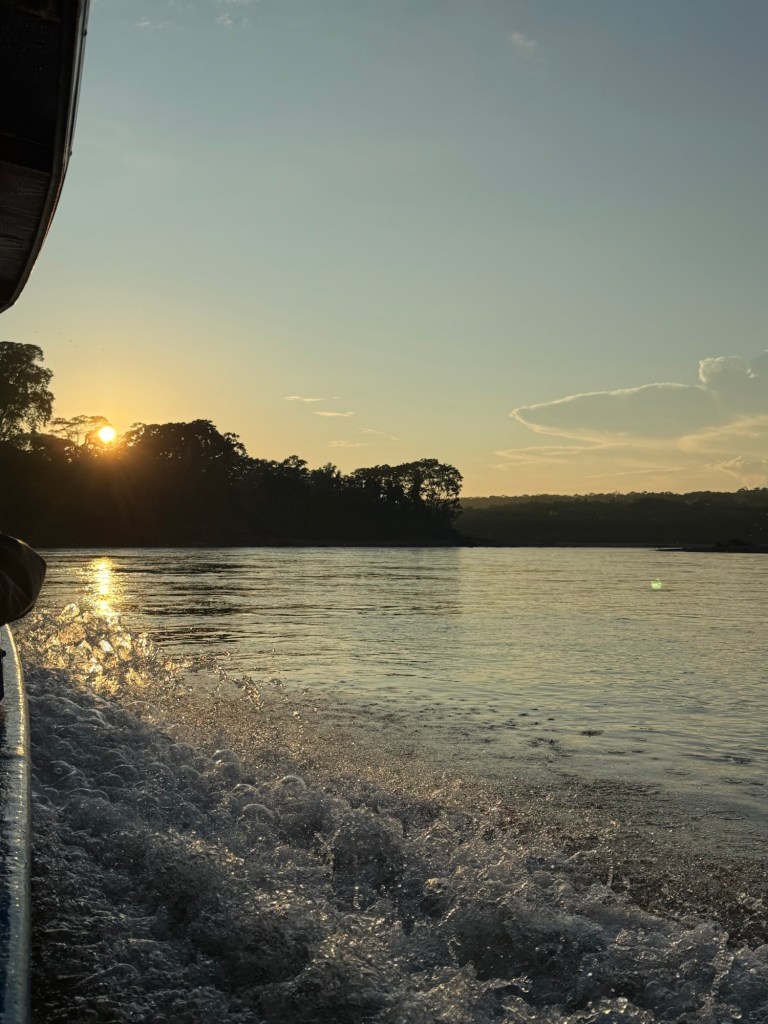
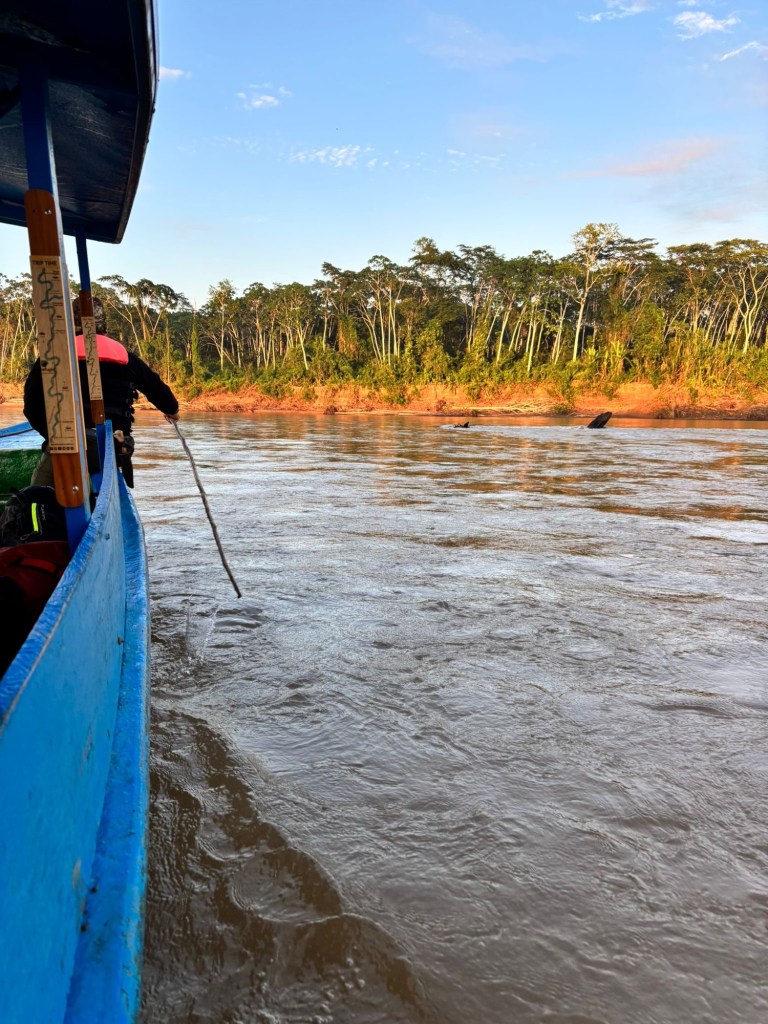
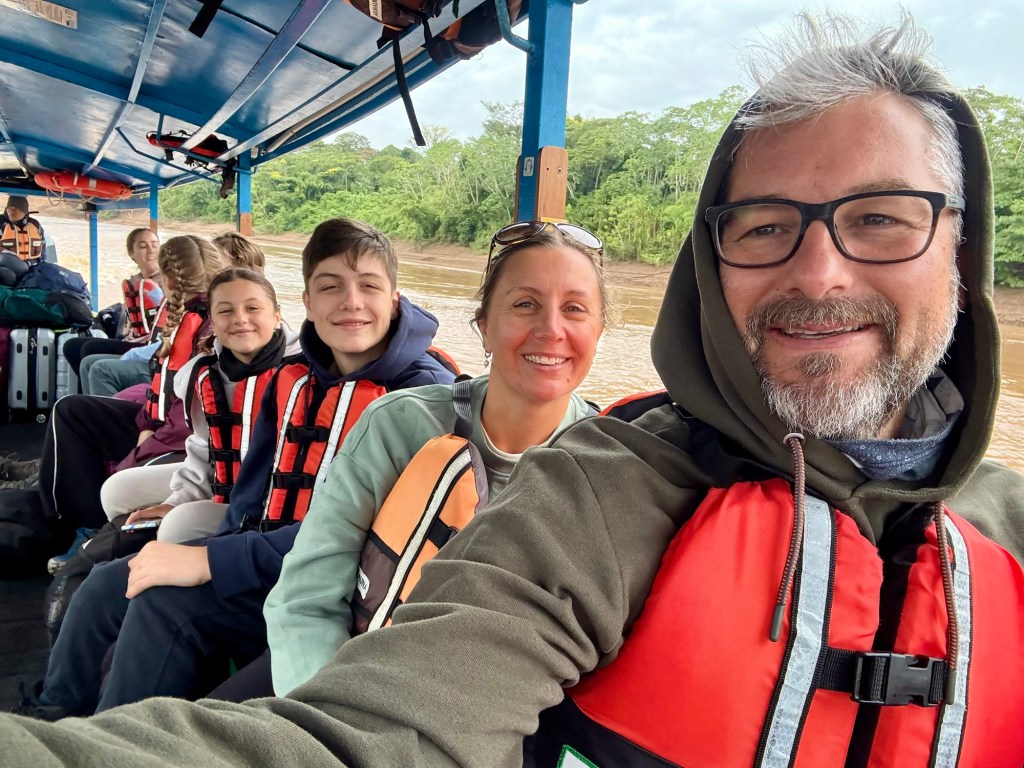
Once we were all loaded into the boat, it was off down the river for our hour long journey to Refugio Amazonas. Along the way we saw a few Capybara, our first lot of wildlife!


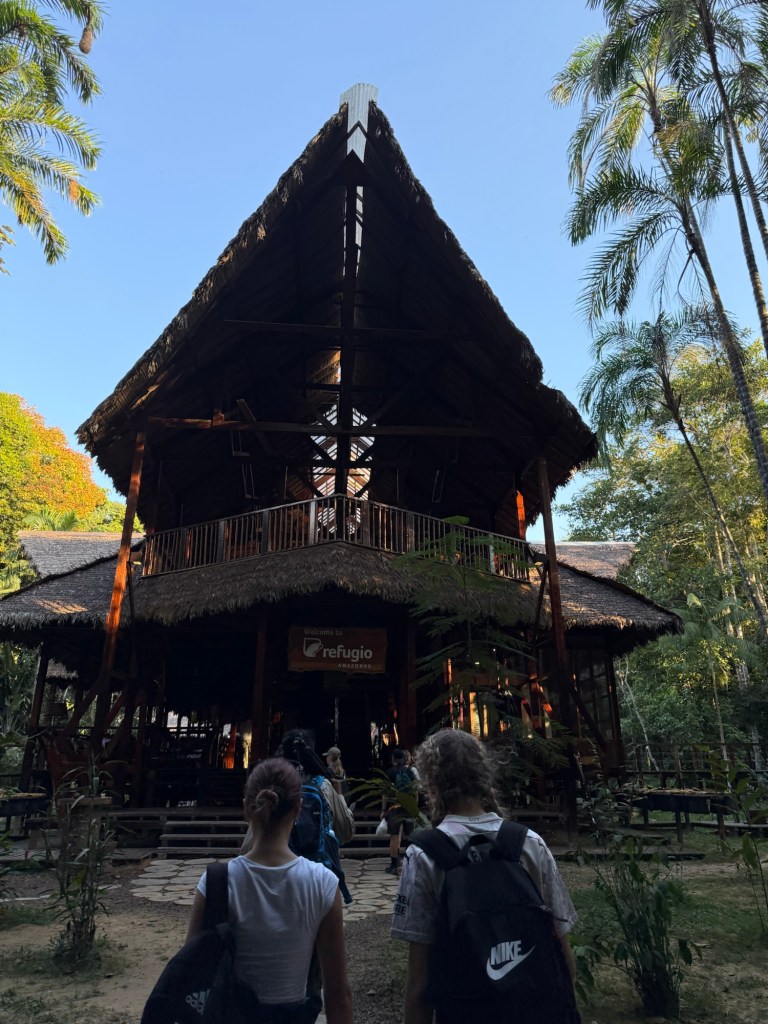
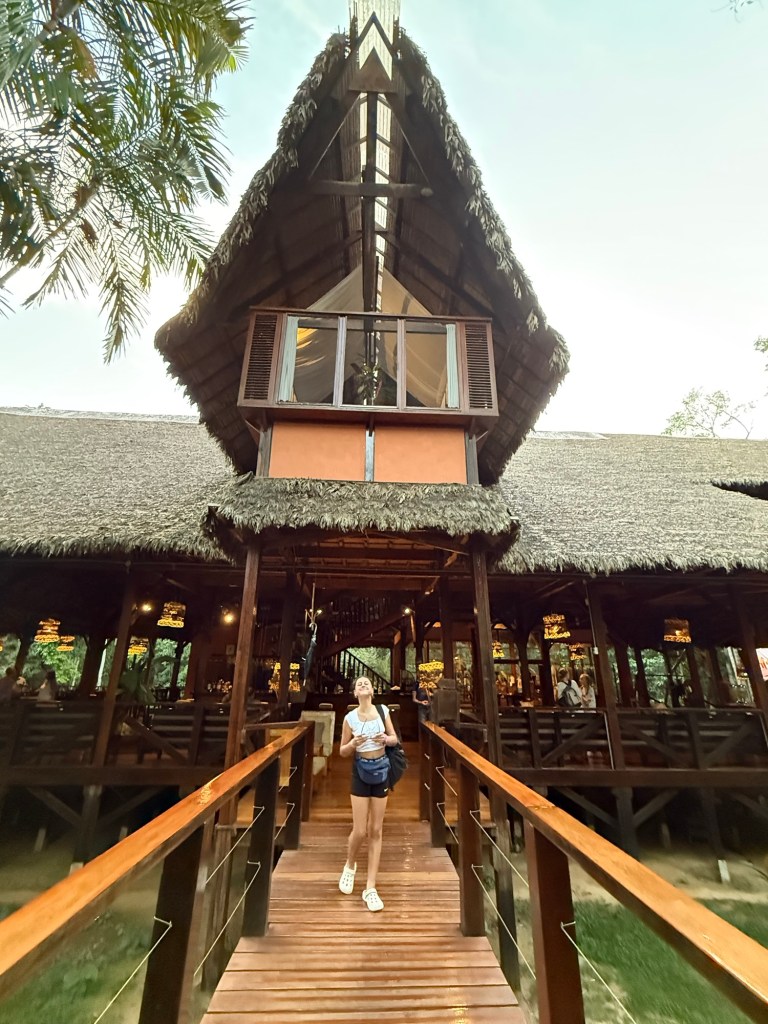
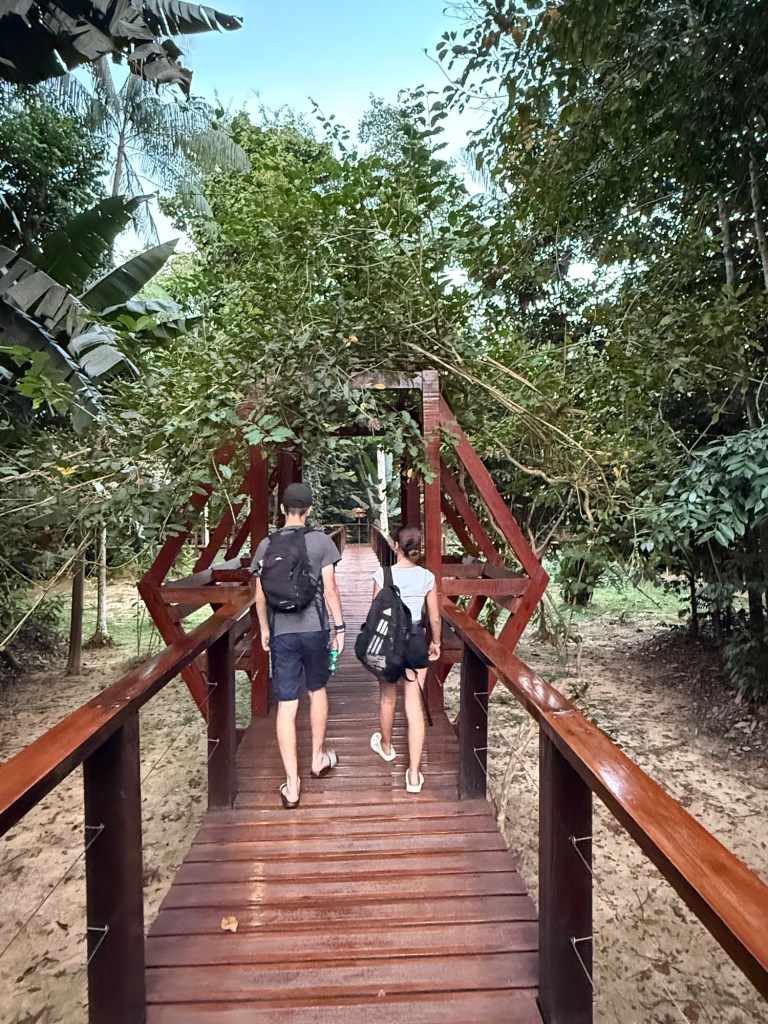
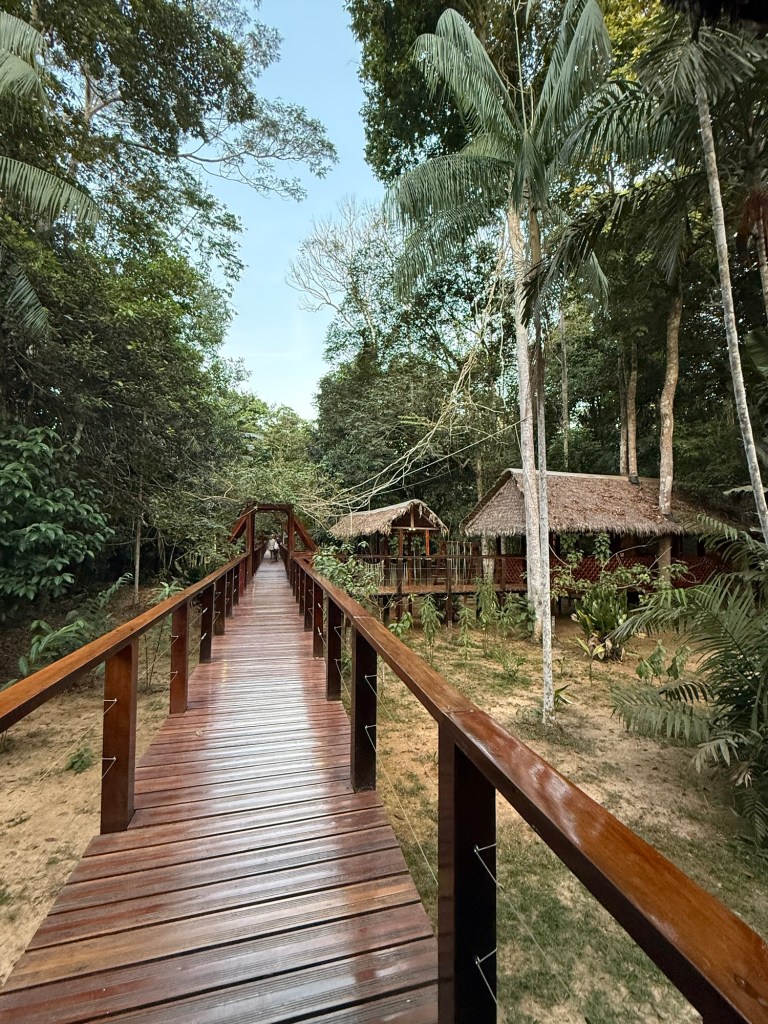
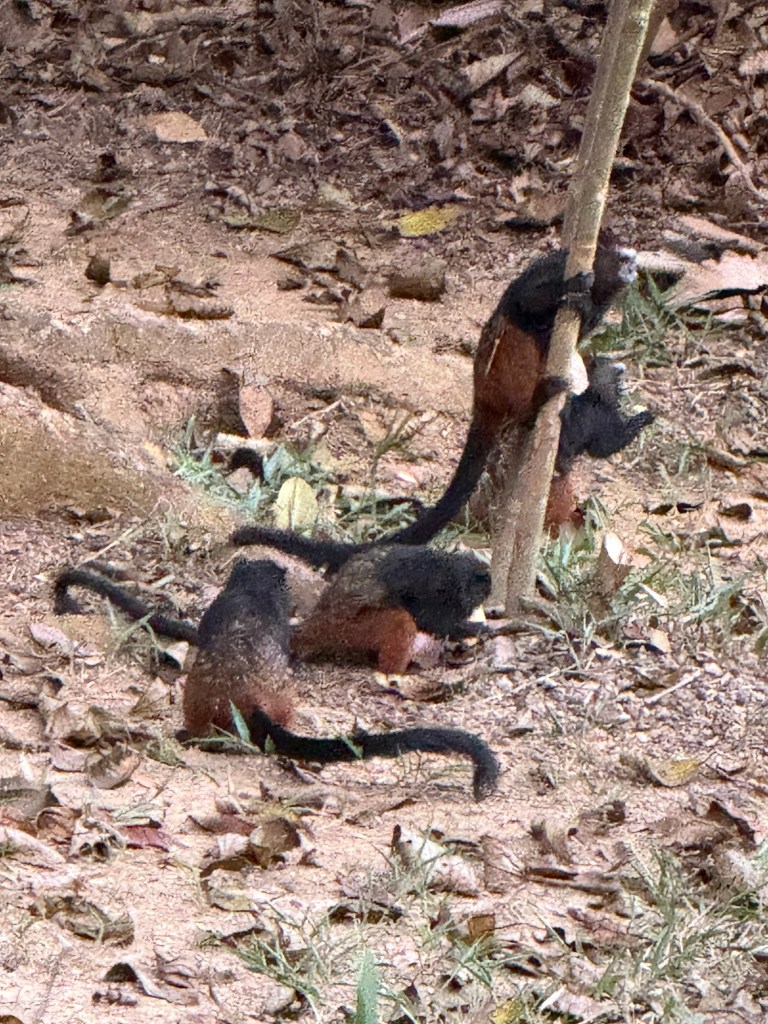
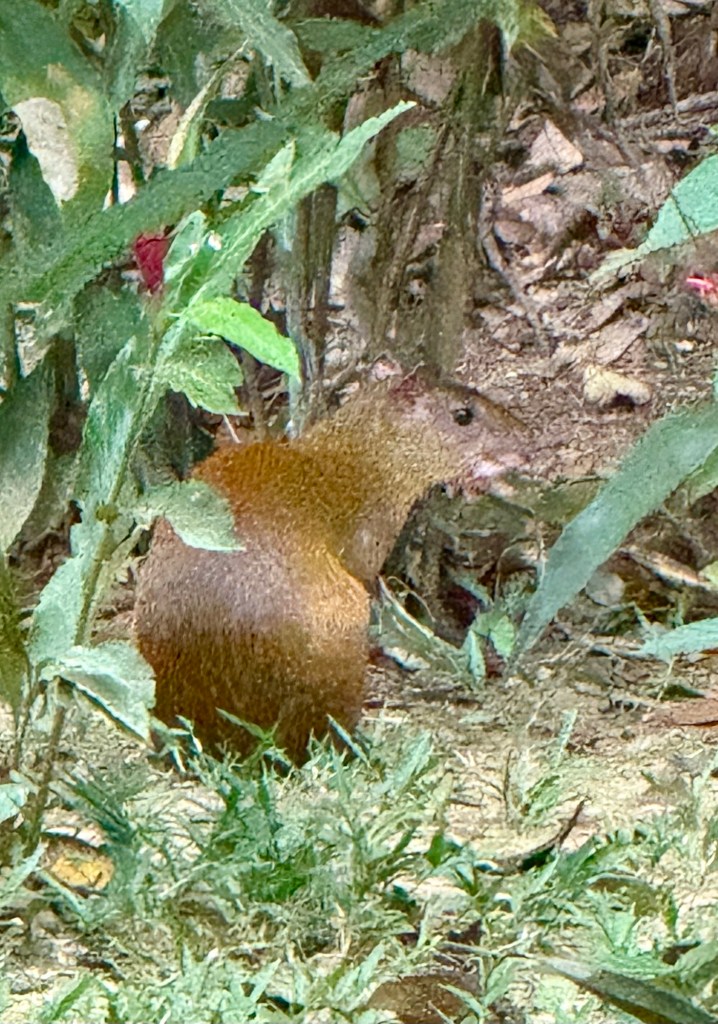
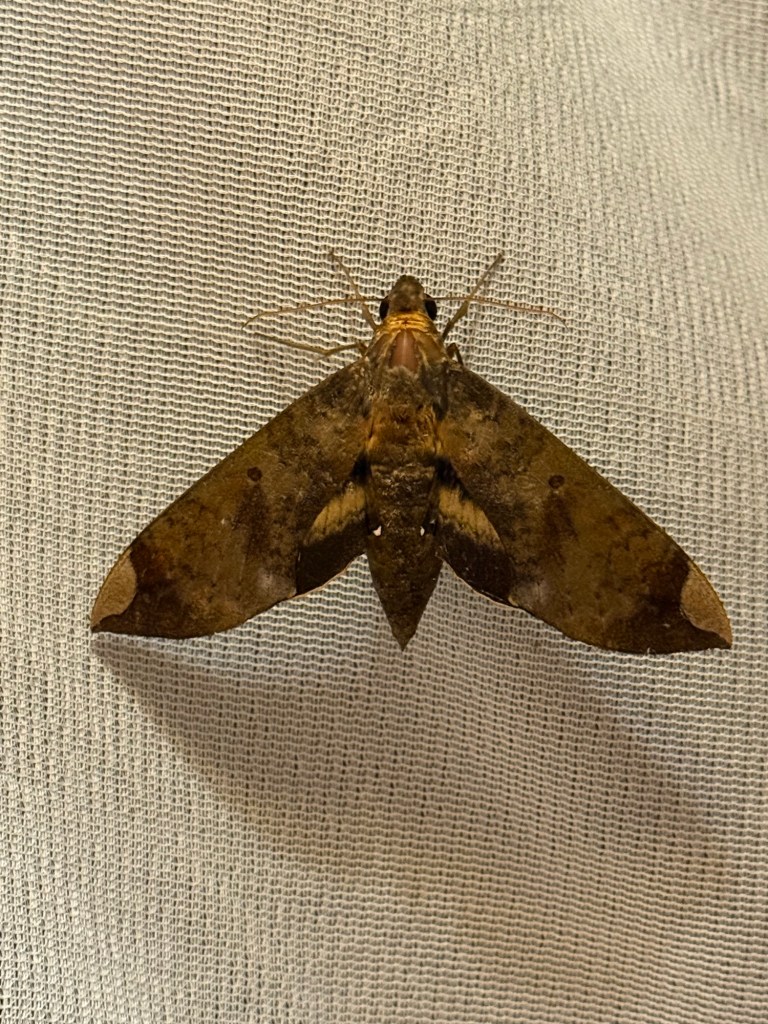
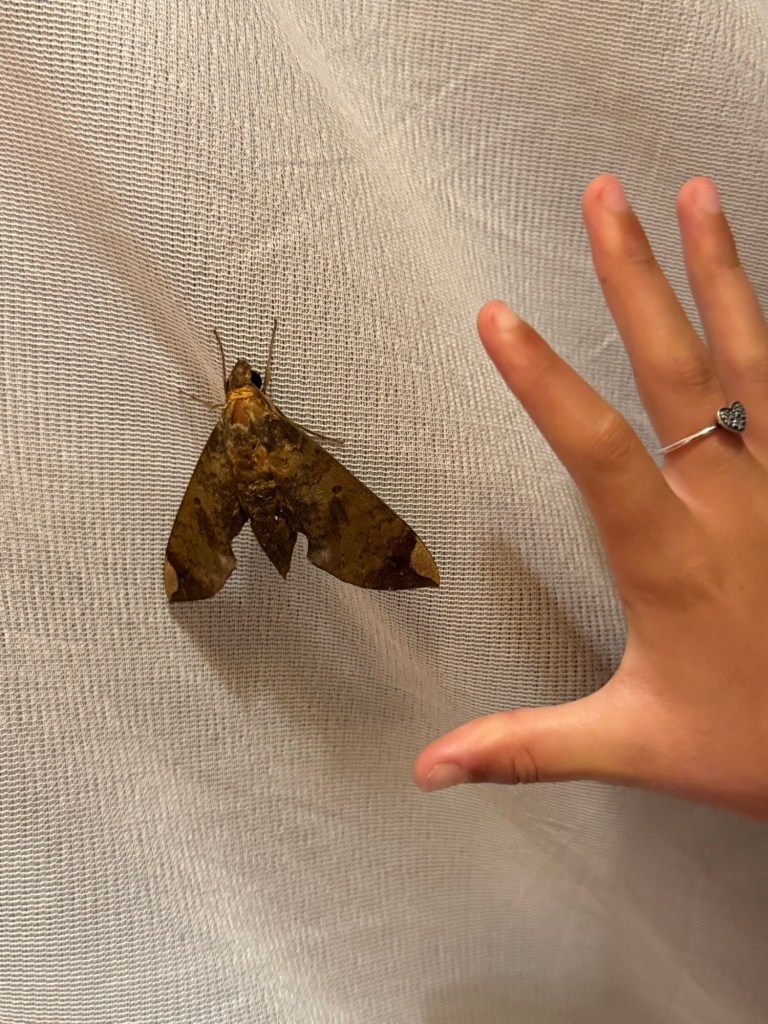
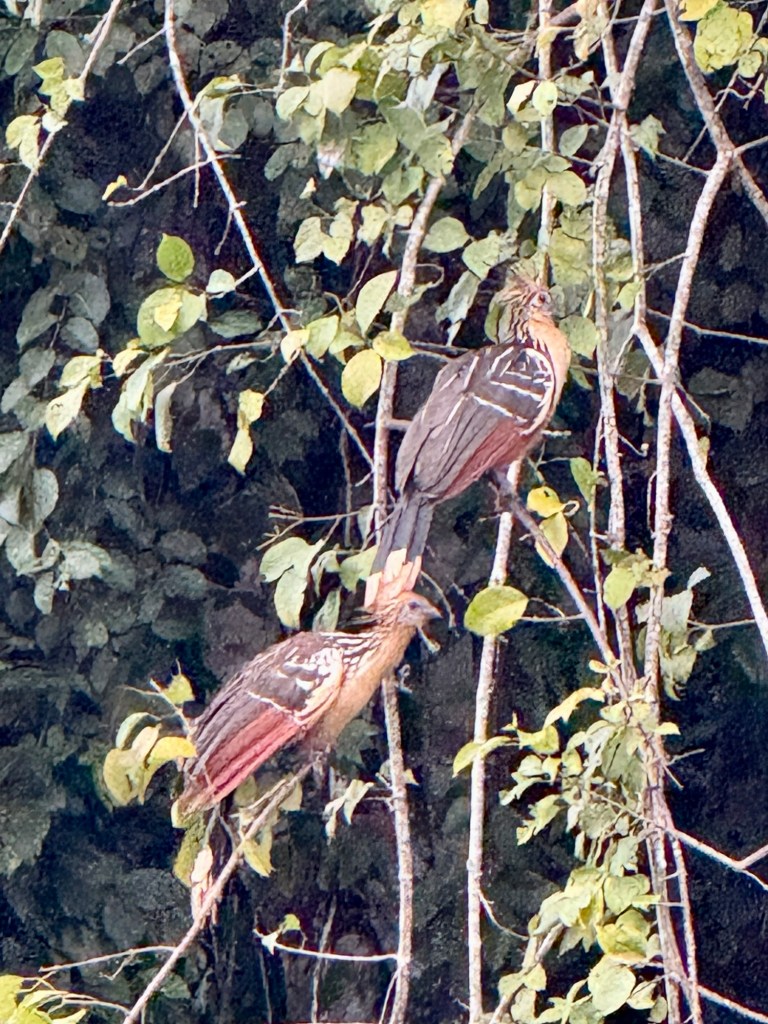
Here are a few pics from our arrival at the lodges, plus some more wildlife that welcomed us in…


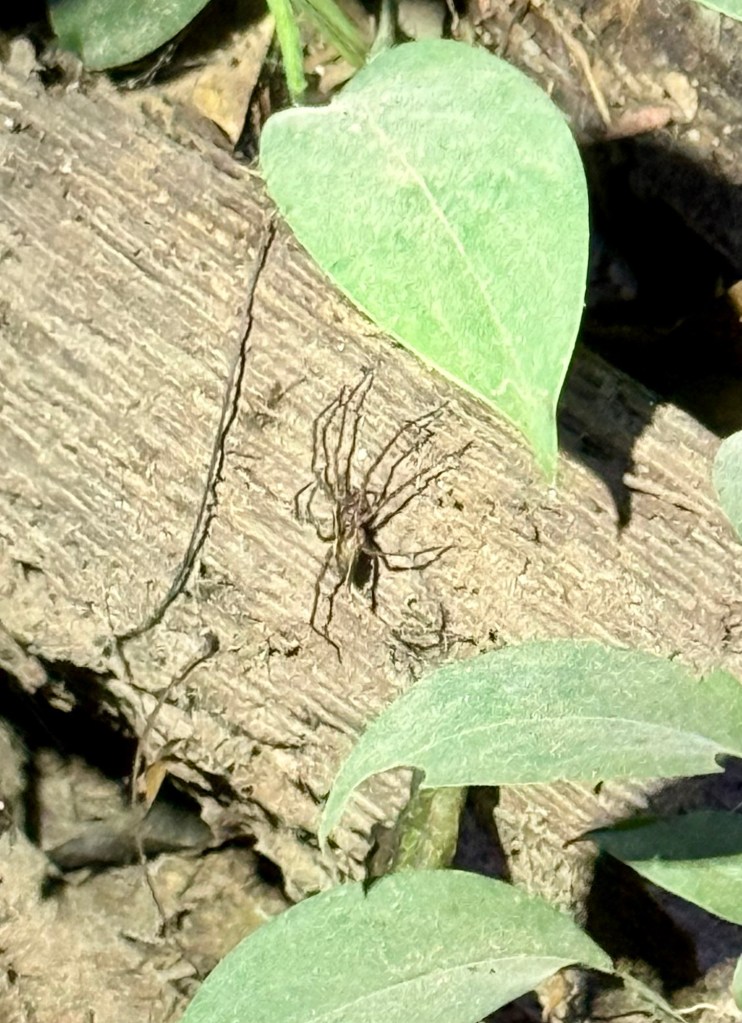
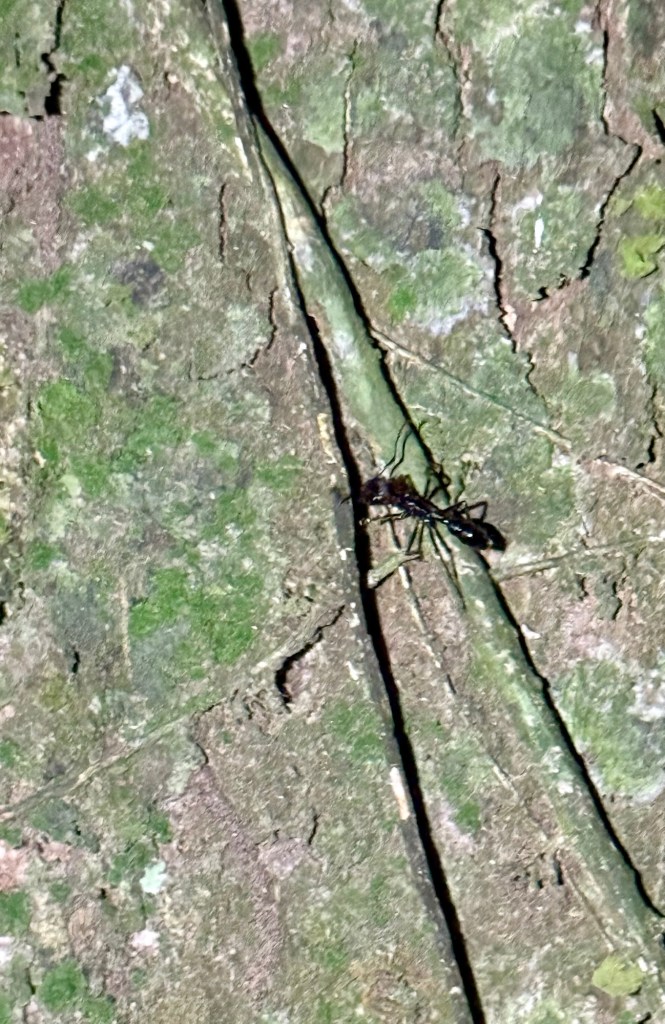
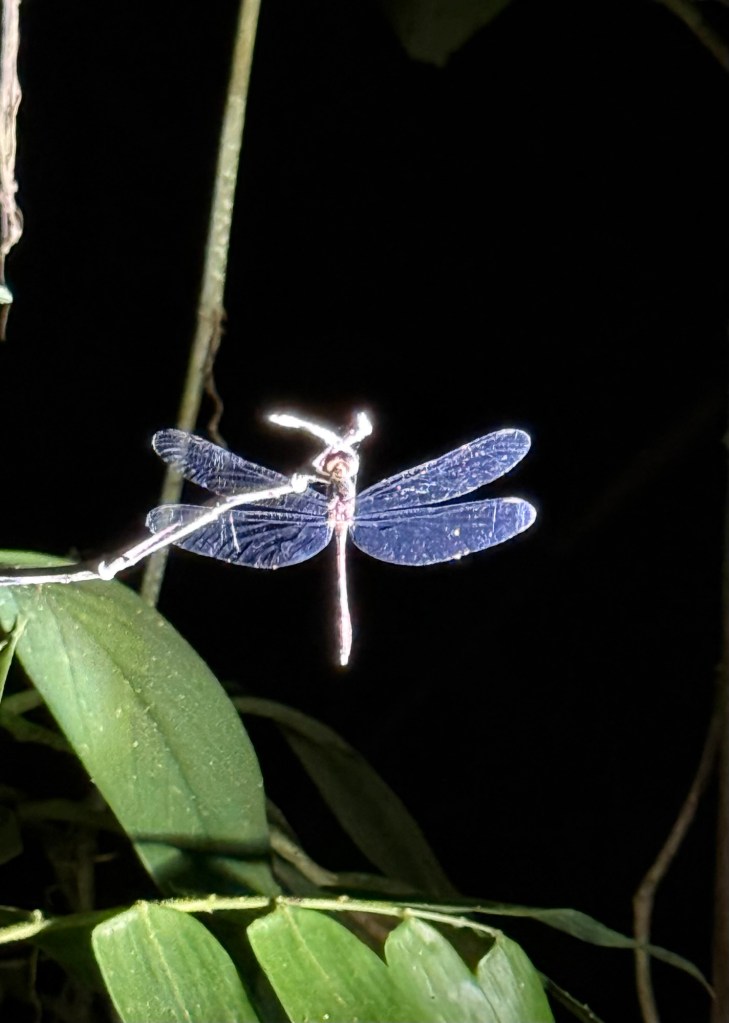
We were greeted with cold towels and fresh drinks and snacks, and then got the keys to our rooms. A quick unpack and chill and then we were off out on a jungle night walk… lots of creatures and insects to see, but sadly no sloths this time.


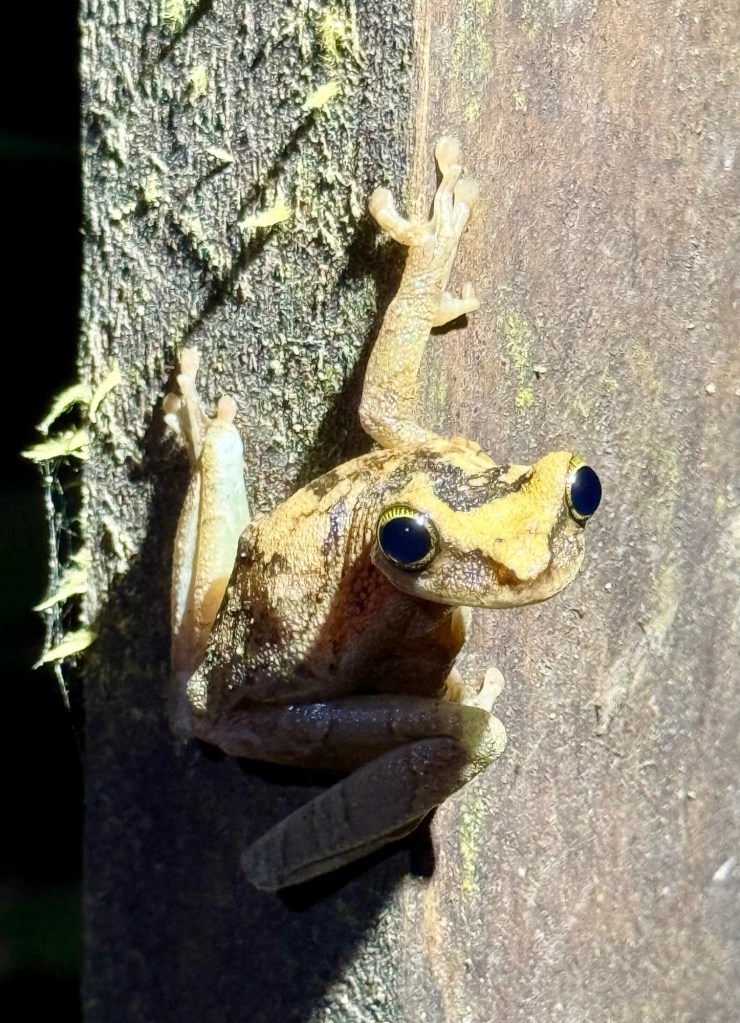
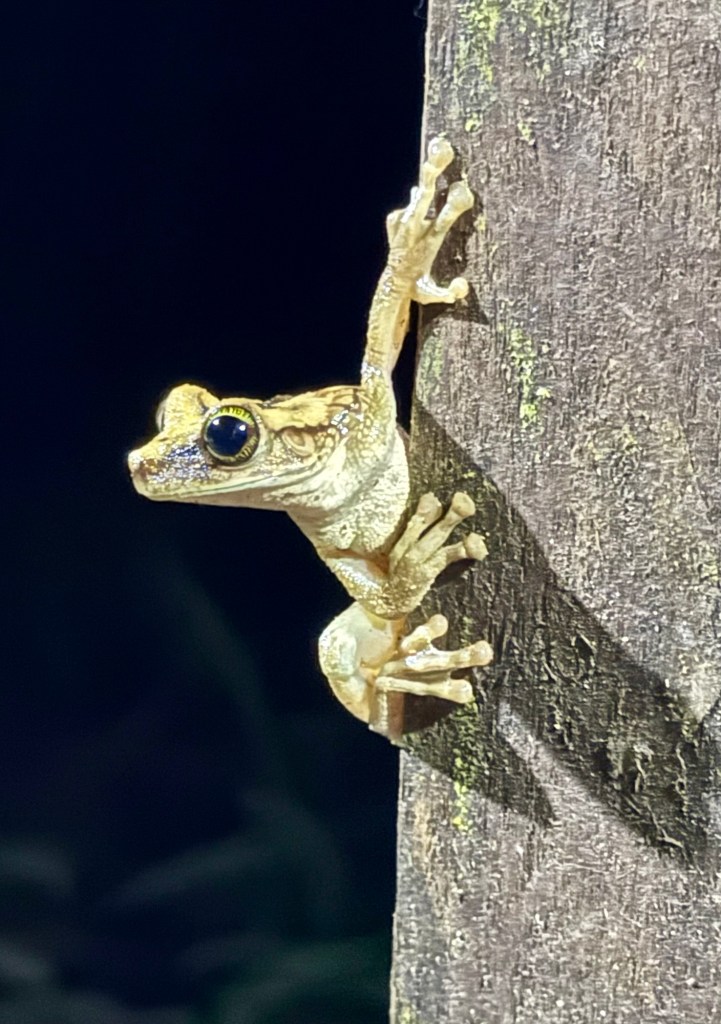
We also had showers with a friendly frog and found this guy right by Sylvie’s head (outside the net!) – look at the size of him!


DAY 2:

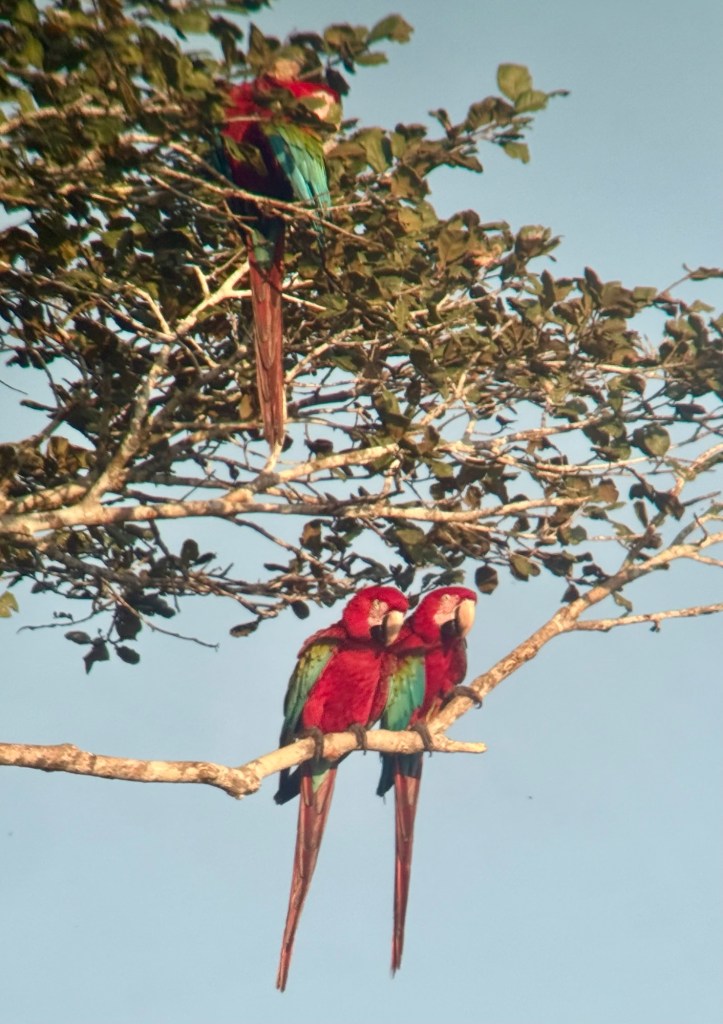
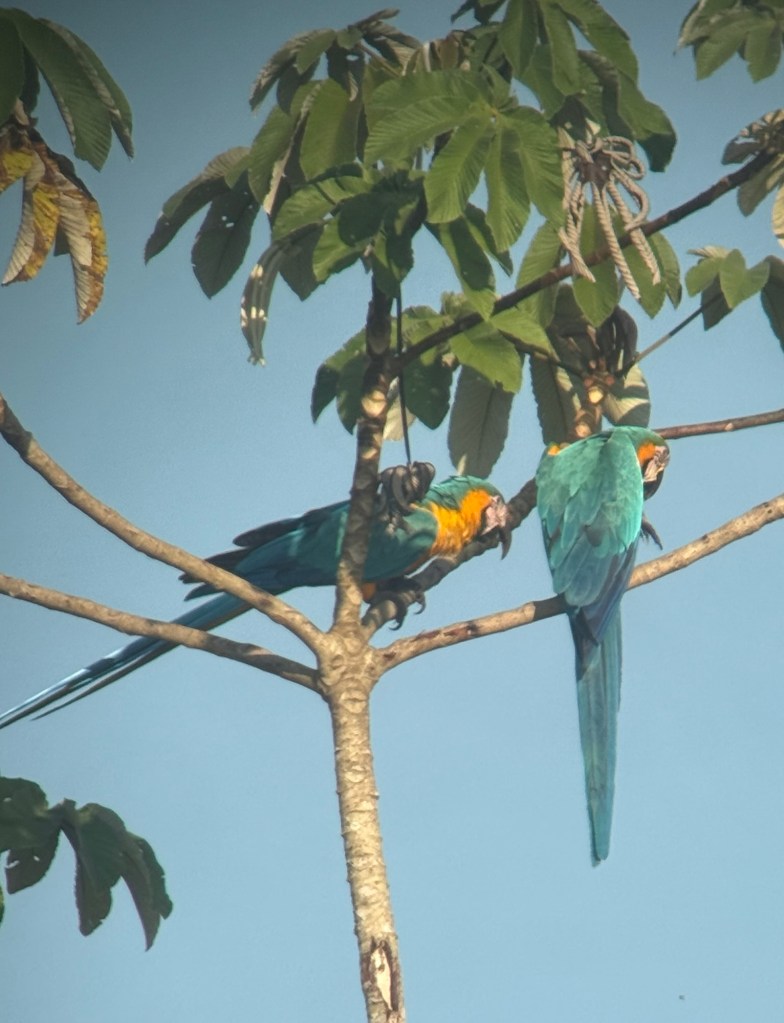
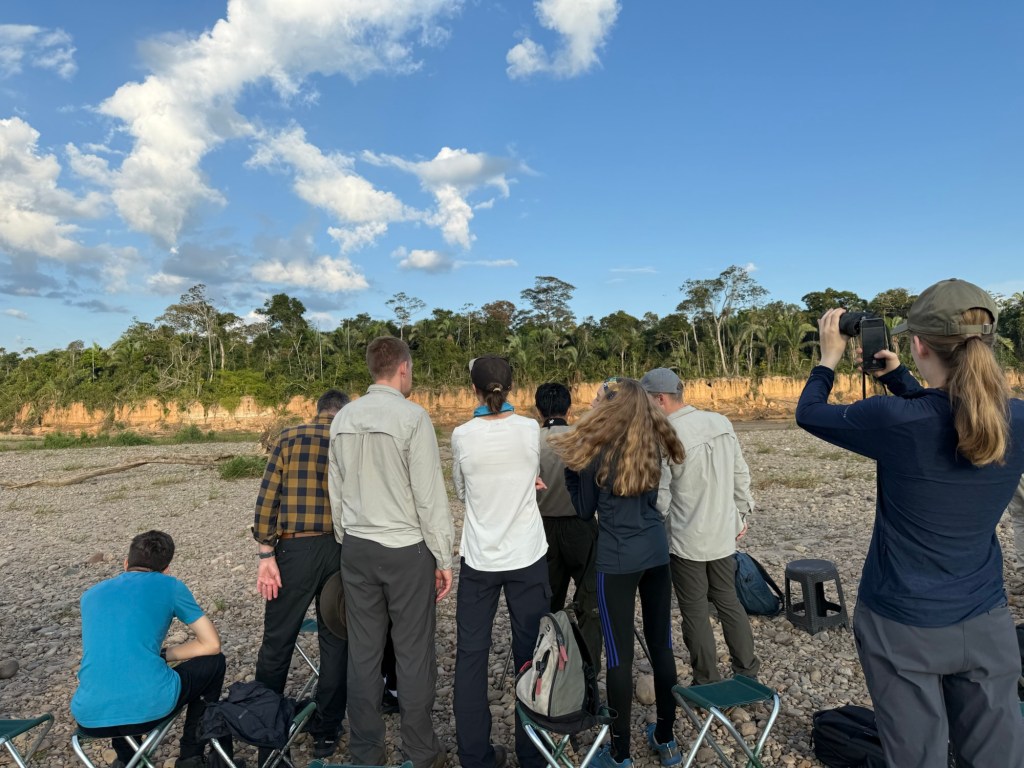
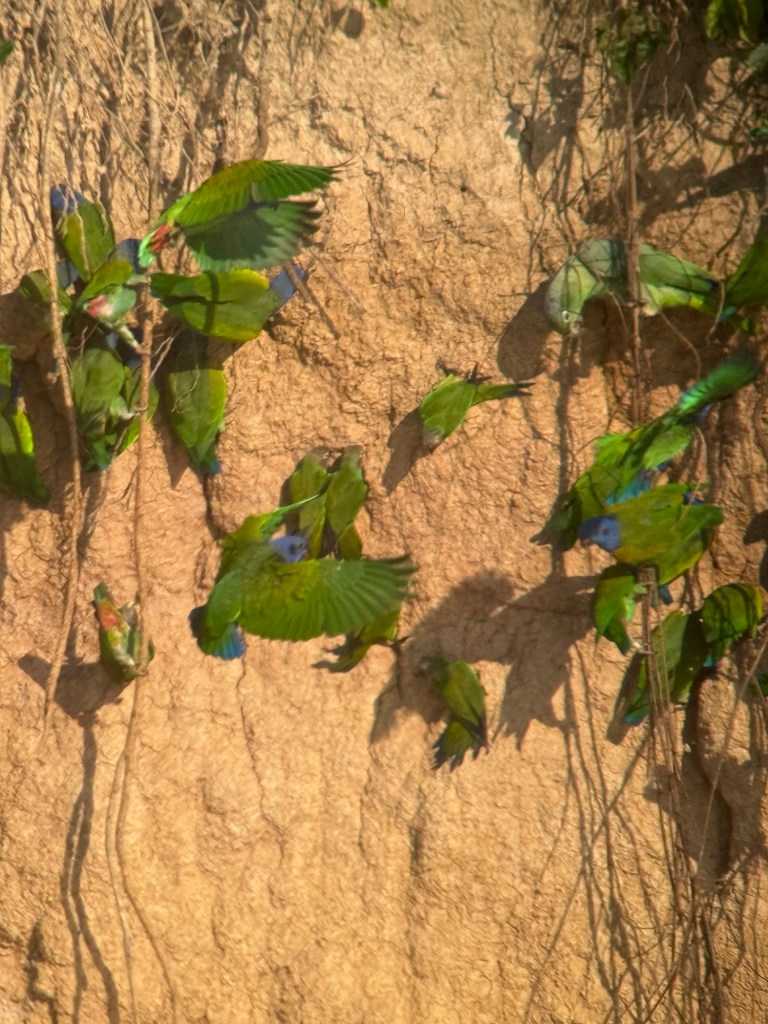
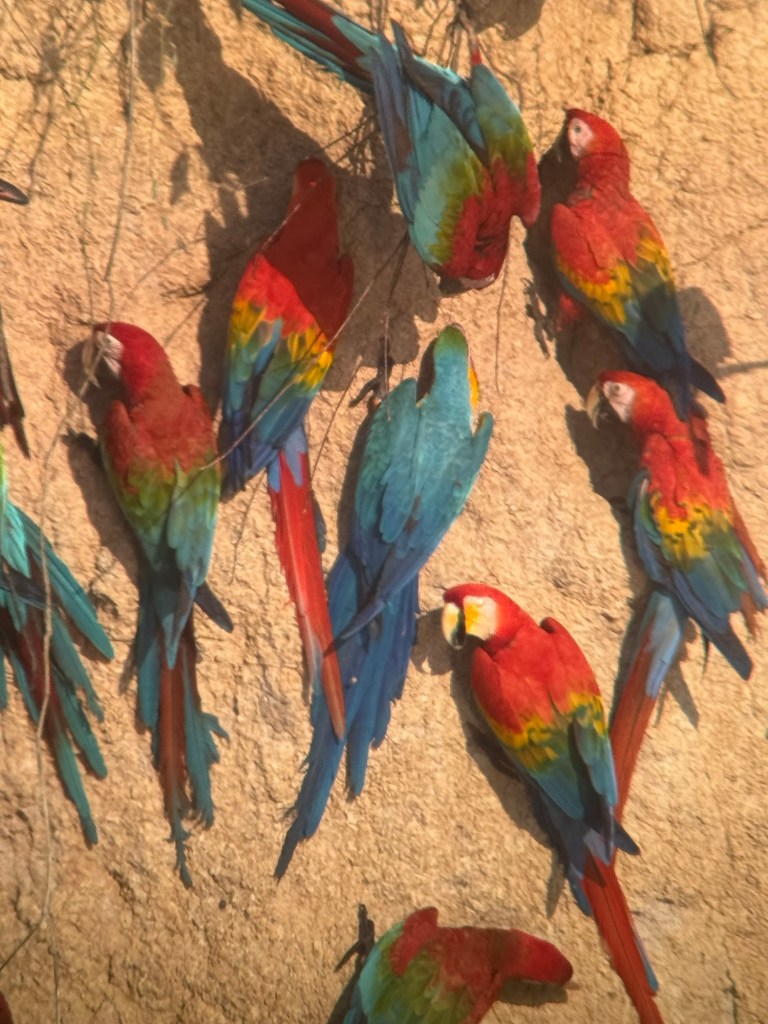
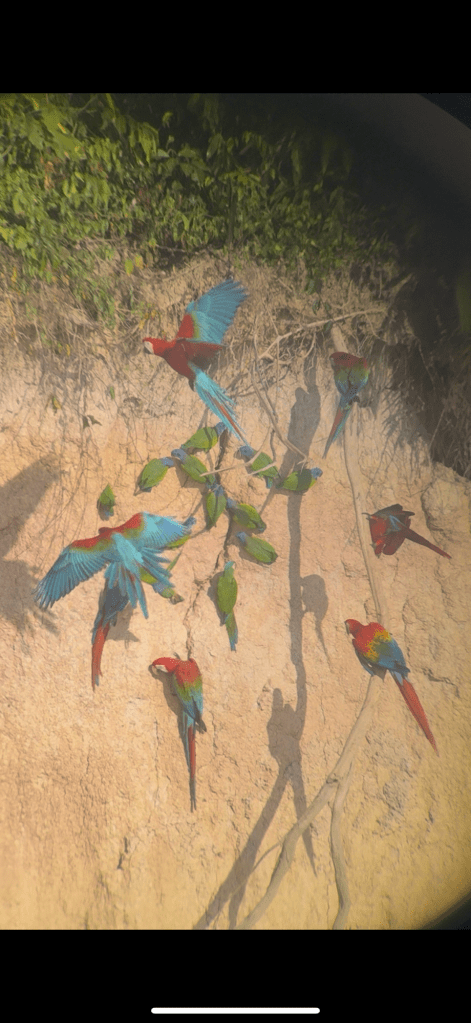
Another day, another 3:45am start! We met with our guide at 4:30am, ready for a walk to the boat and a nearly 2 hour ride up the river to the Macaw Clay Licks. These clay licks are exposed riverbanks where clay deposits are rich in minerals; the birds consume this to neutralise toxins in their diets. This one in the Tambopata National Reserve here in Peru is one of the most famous in the world.


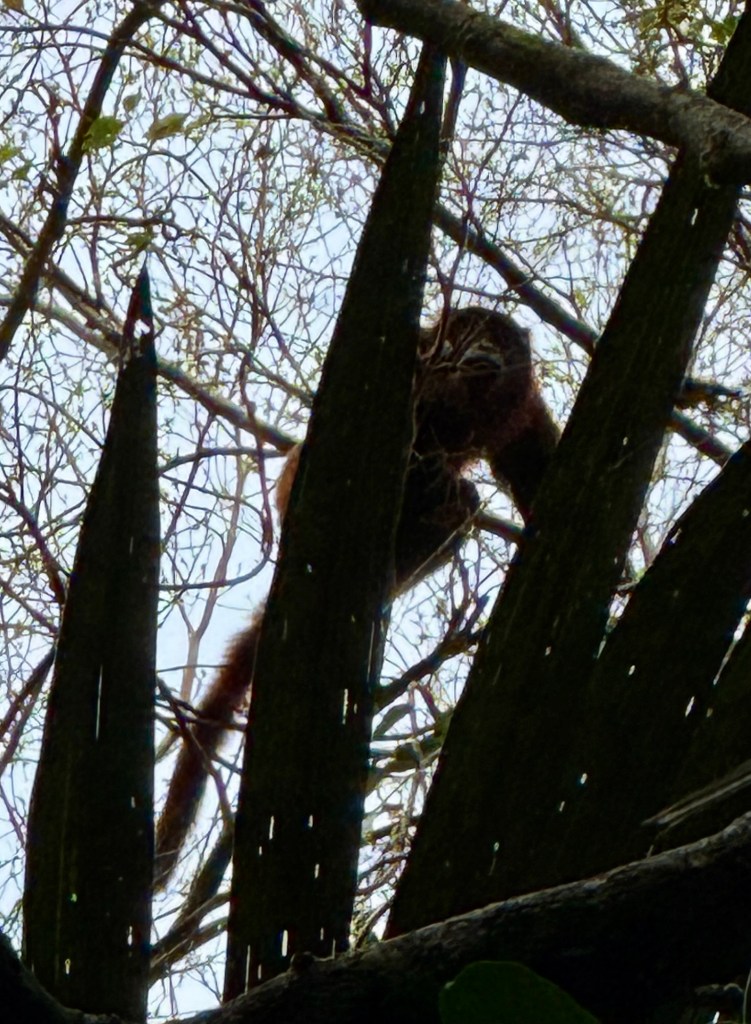
It was truly amazing – the sounds were incredible (sometimes enhanced with Howler Monkeys from the Forest!) and their colours were so vibrant.


Once we’d had our fill of the birds (although the only reason we were keen to move was because even at 7:30am the heat from the sun was intense), we were given a fresh breakfast in the shade of some trees. Granola, yoghurt, fruit, boiled eggs, ham, rolls, omelettes, milk … delicious.

Then it was time to hope back aboard the boat and make our way back to the lodge.


Back at the lodge, we had some free time to chill, shower and have lunch. We then tried to nap (adults) and explore (kids)… the girls made bracelets out of seeds and enjoyed the area.

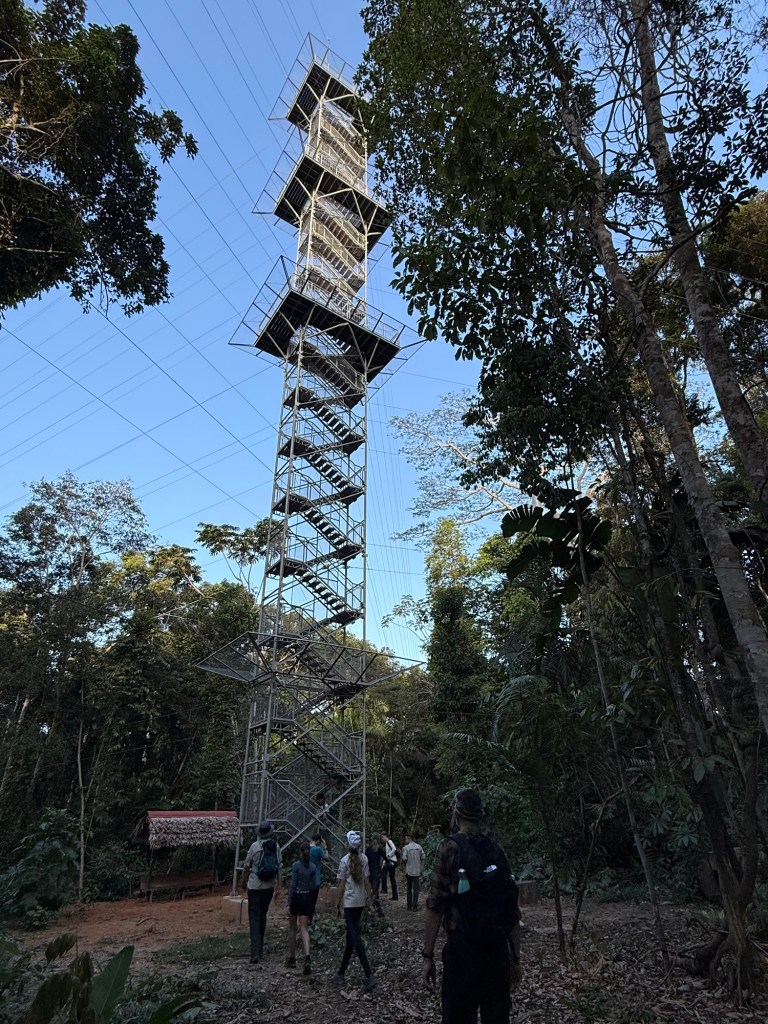
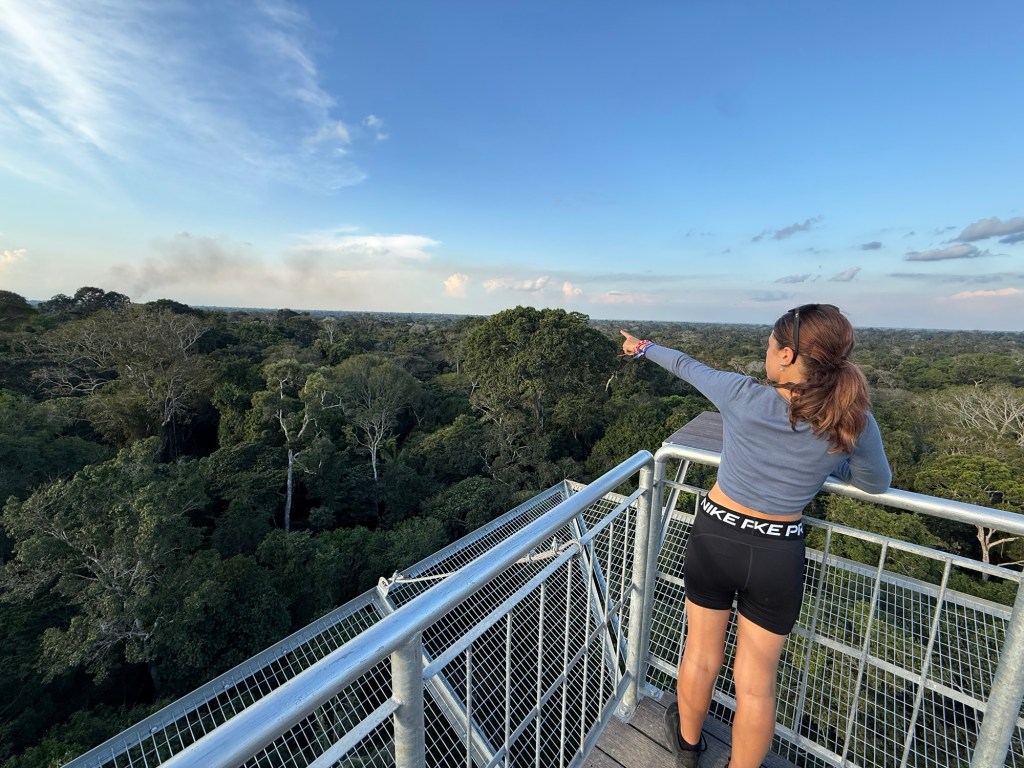
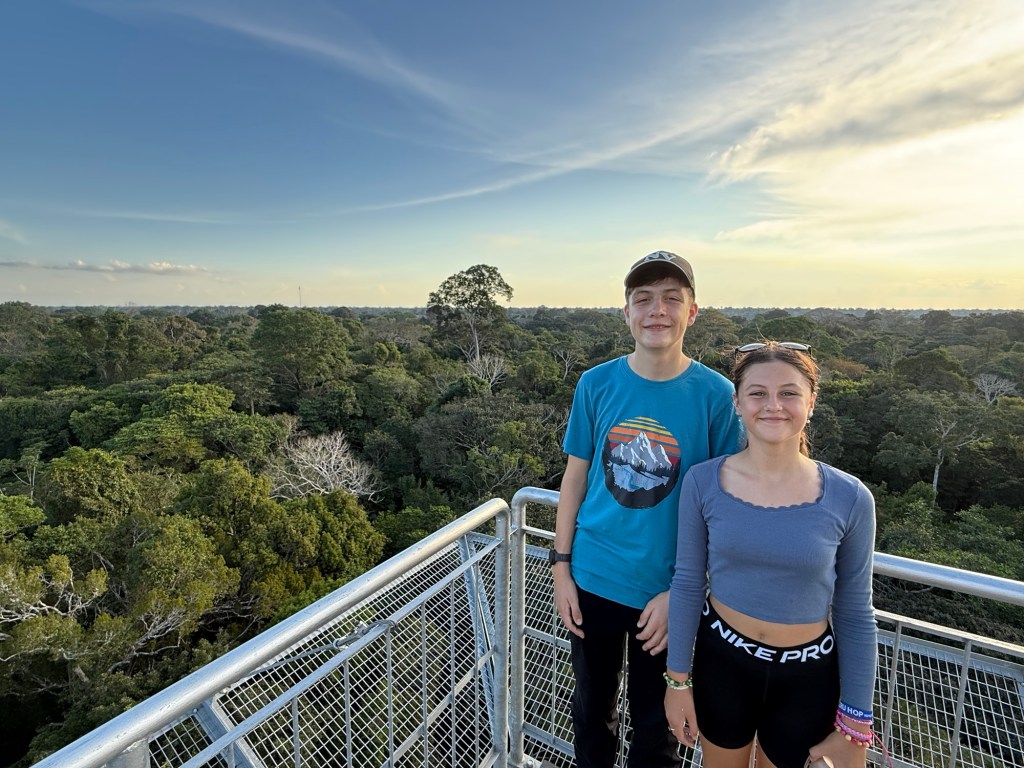
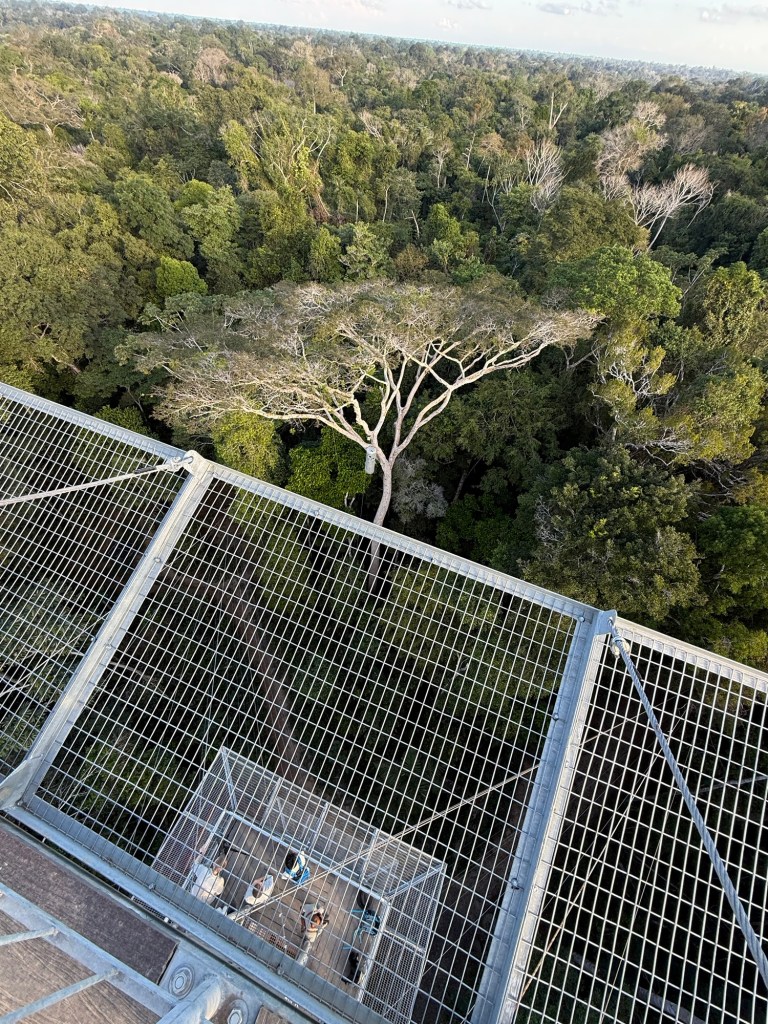
4pm saw us getting back into our “jungle gear” and heading off with Luis to the canopy tower. Here we were aiming to get a very different view of the jungle!


What a day!

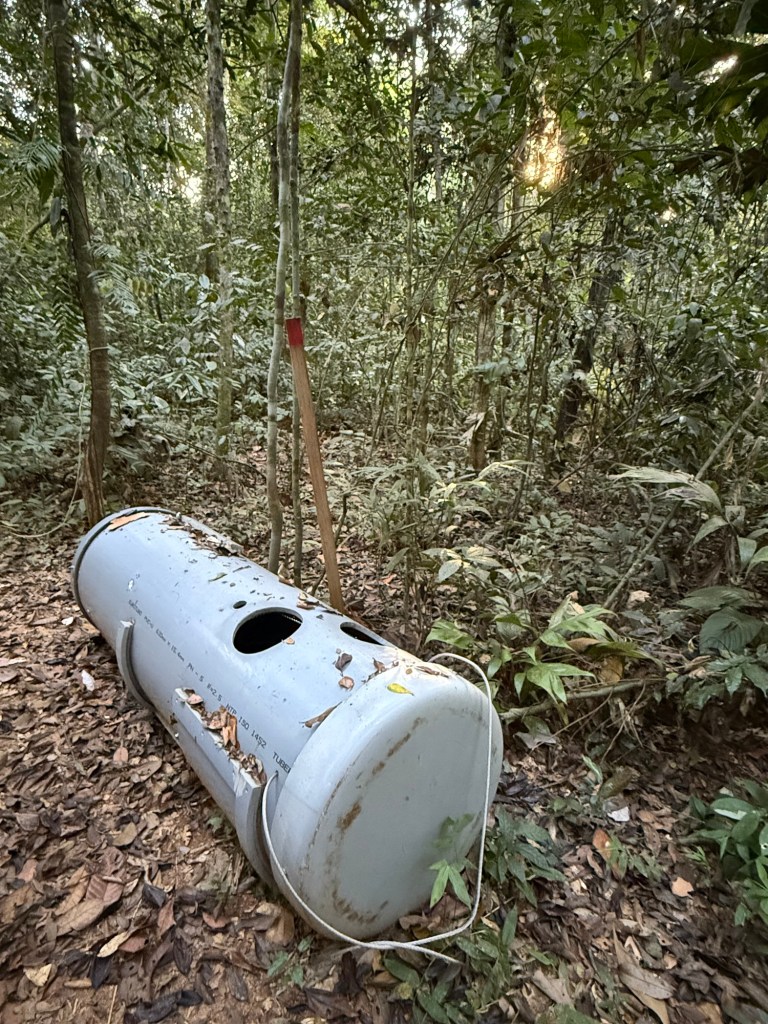
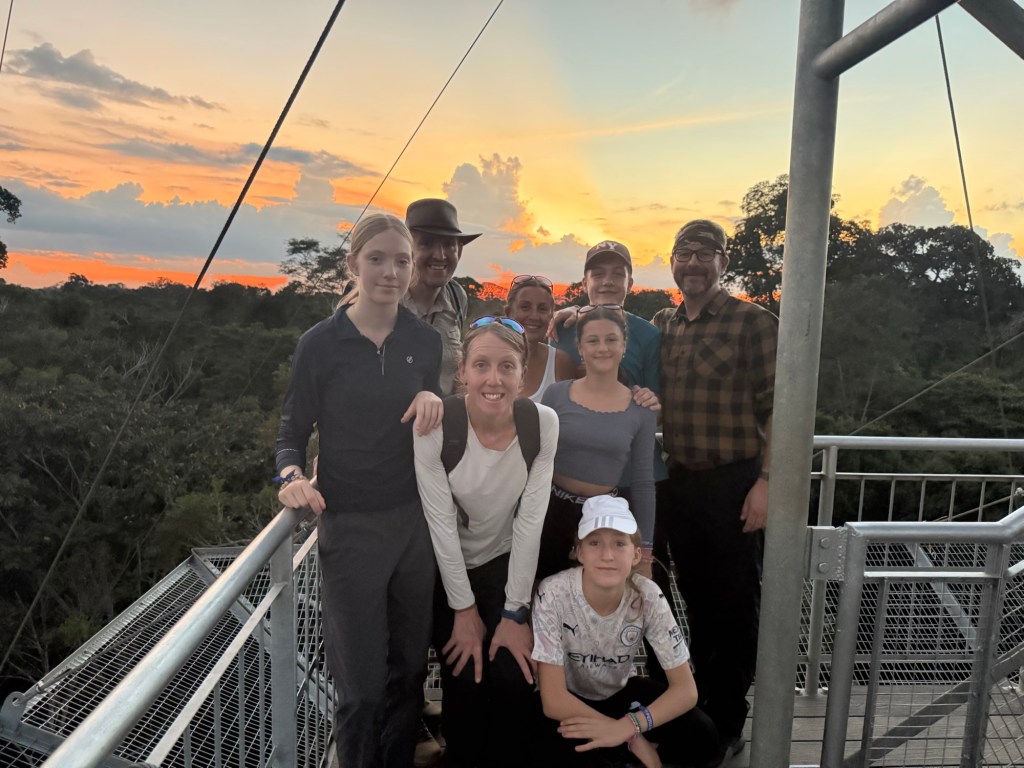
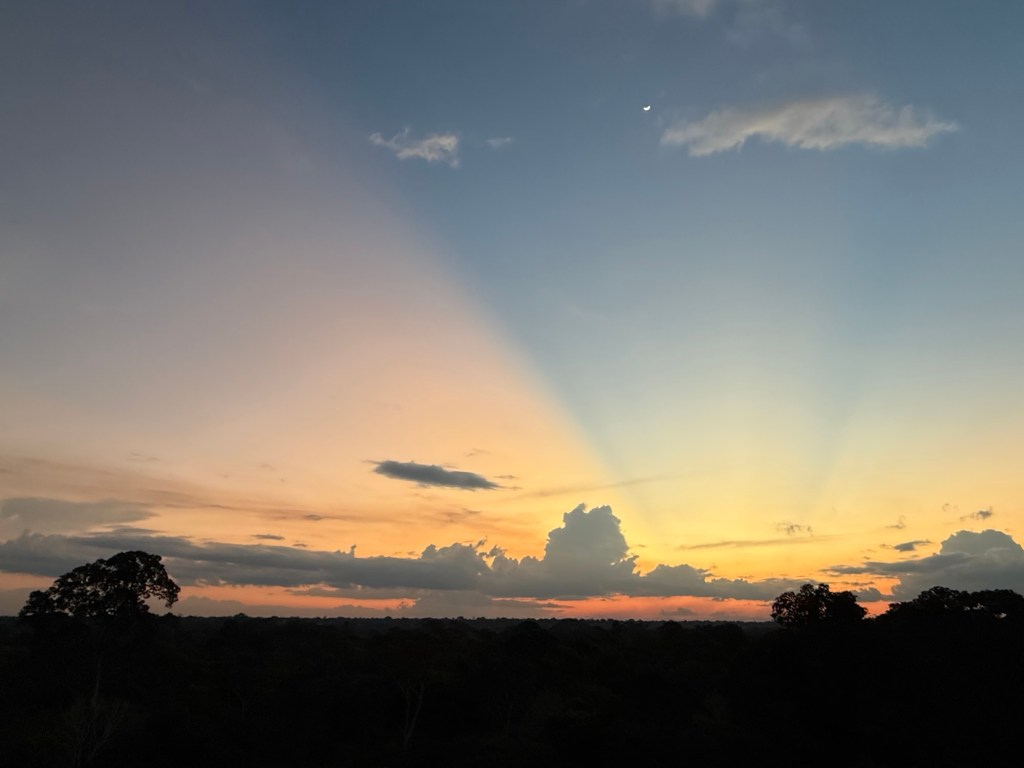
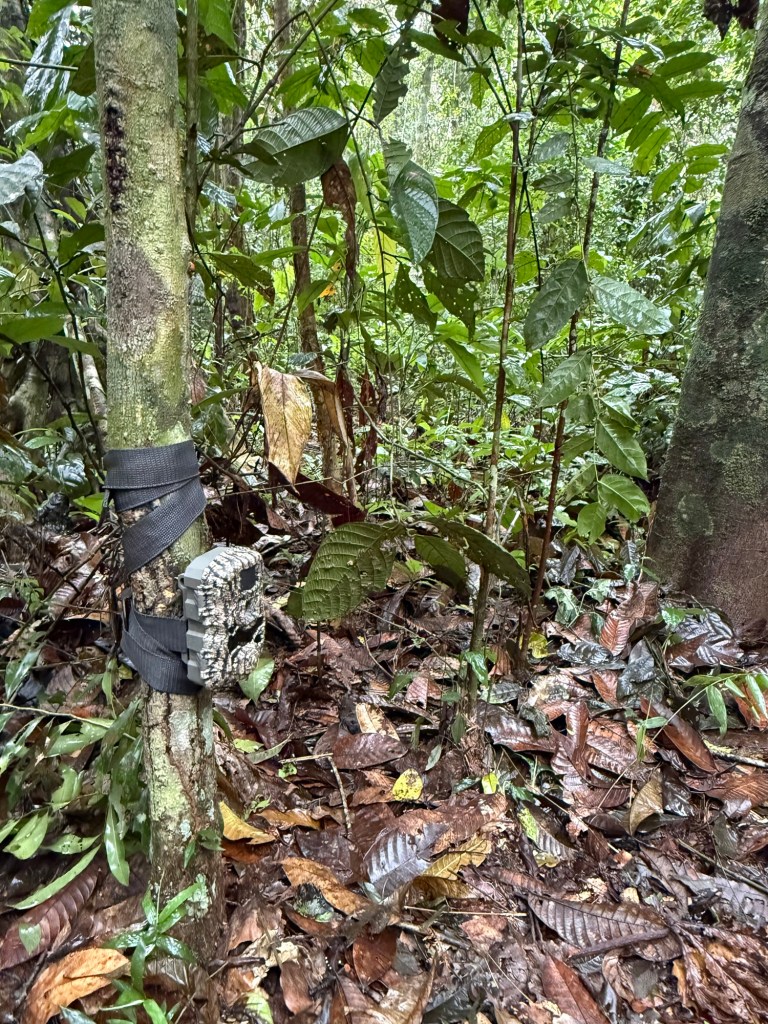
Ending with an amazing sunset from the canopy tower, a talk about how camera recorders are being used here (and how citizen science can help!), a delicious dinner and a rather uninspiring game of Uno… 8:30pm and it was time for yet another shower and for us all to get some much needed sleep.


DAY 3:

A more respectable 6:30am start this morning, and we awoke to the sounds of rainforest rain, which had continued through the night.

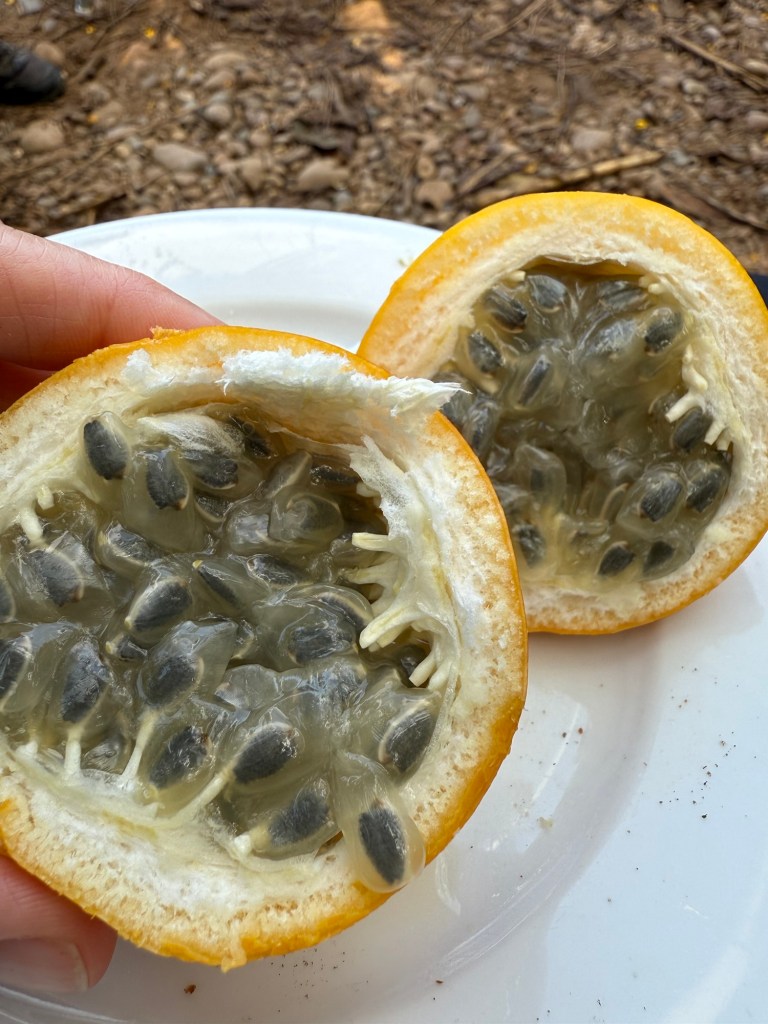
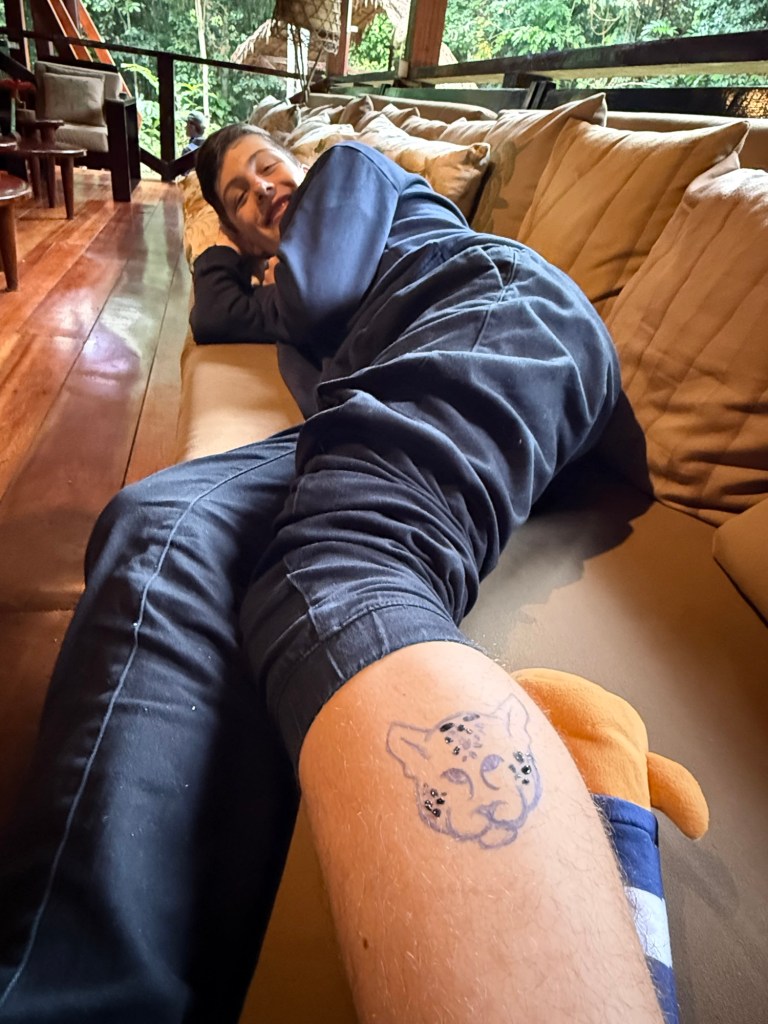
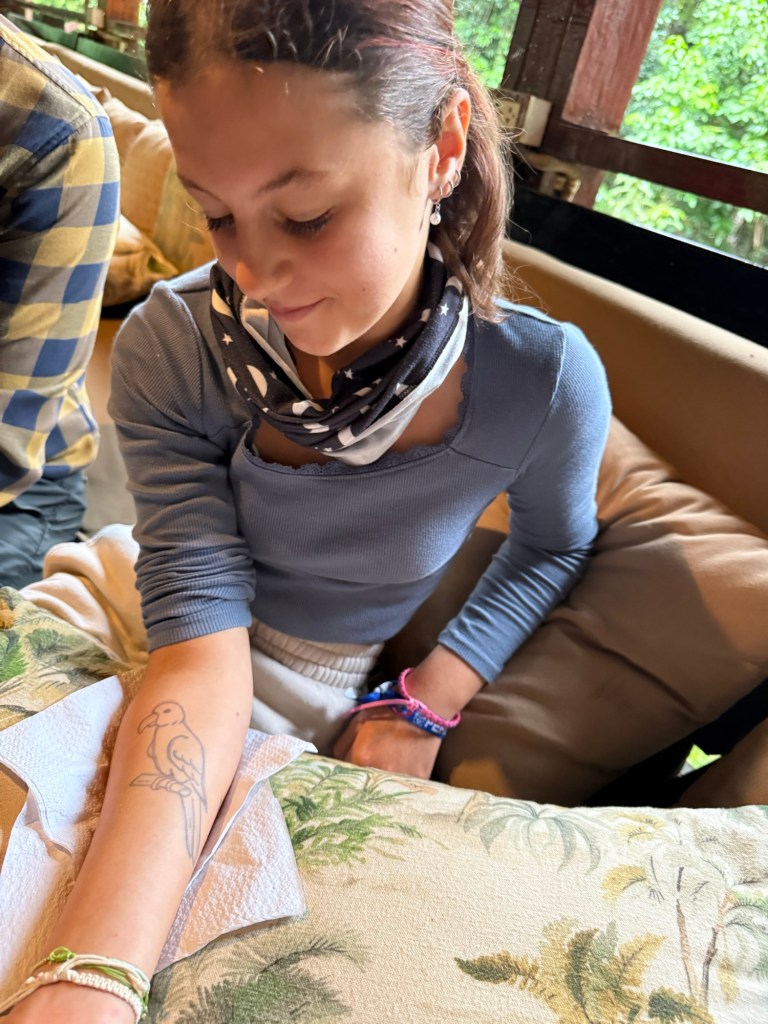
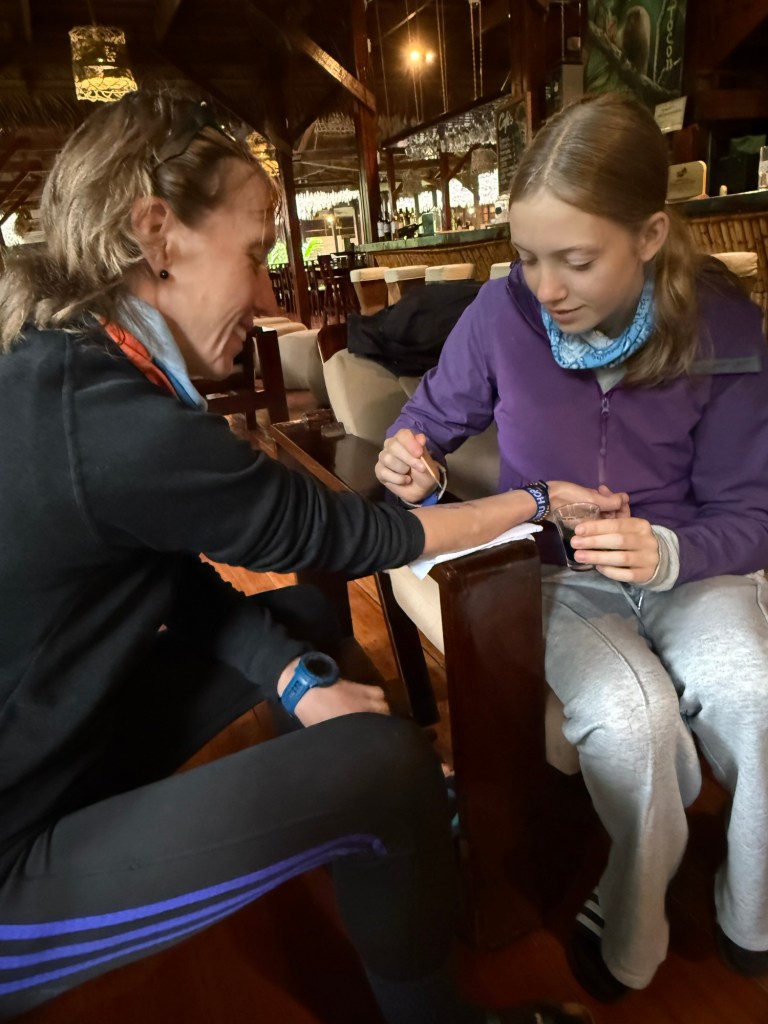
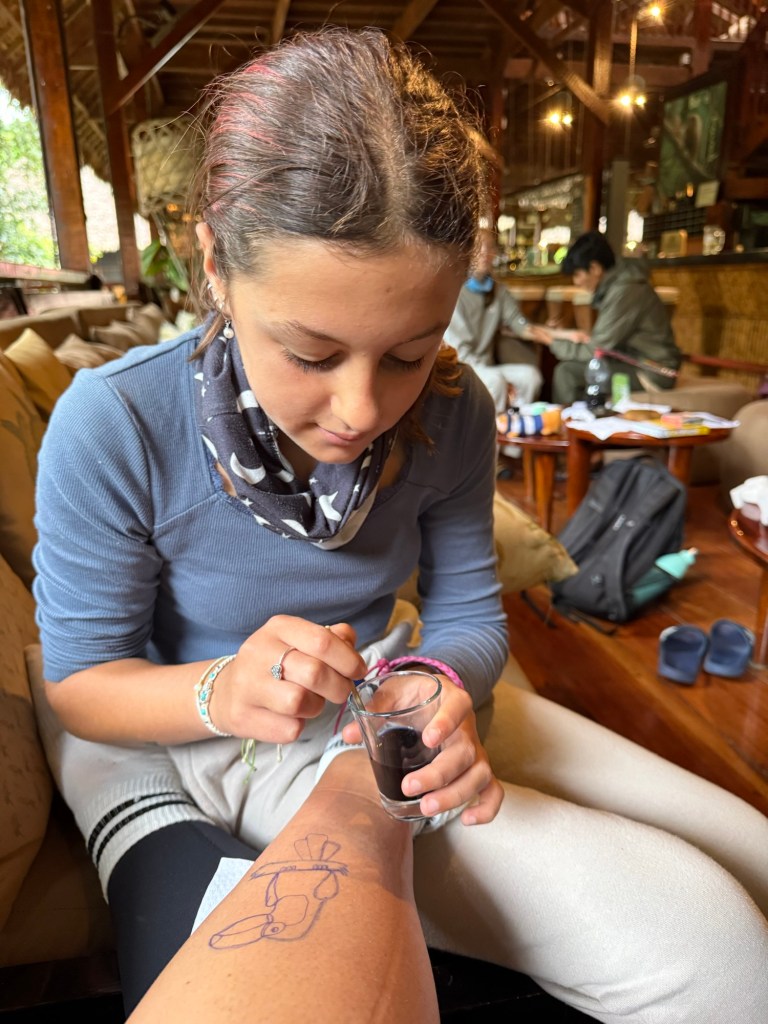
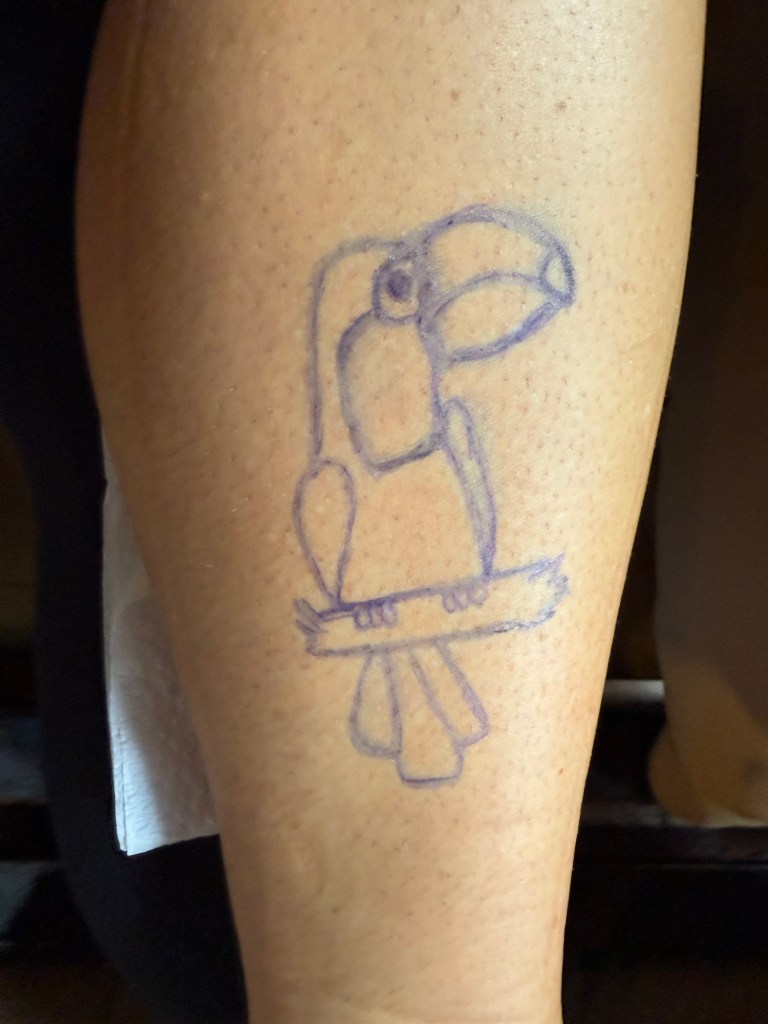
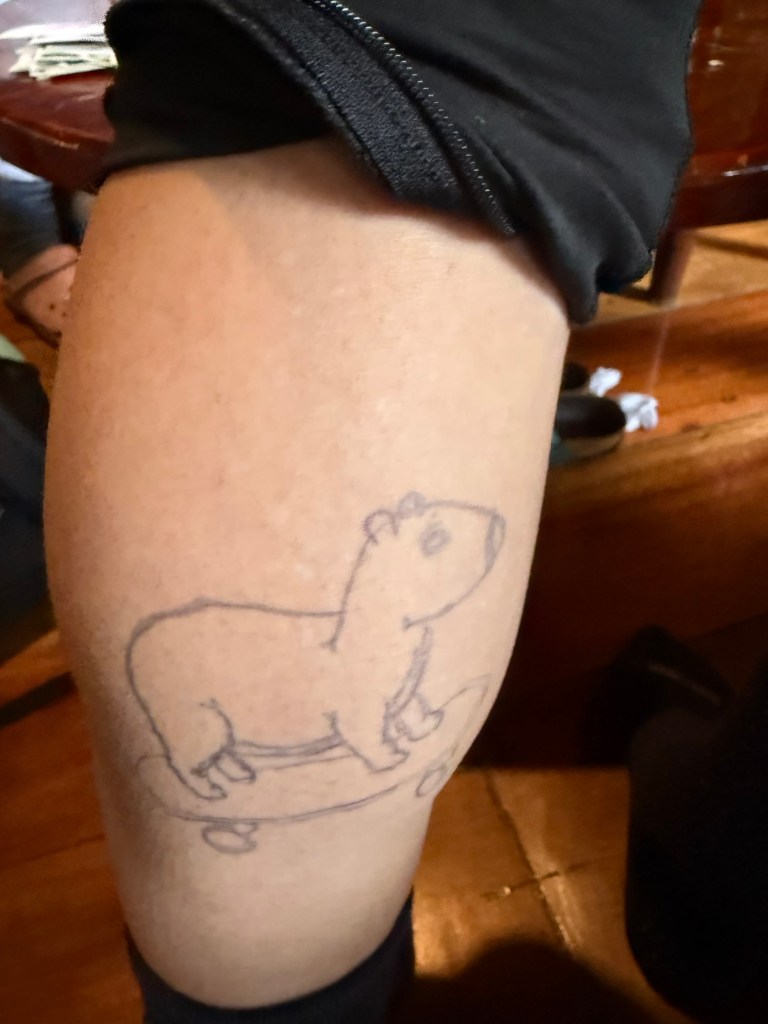
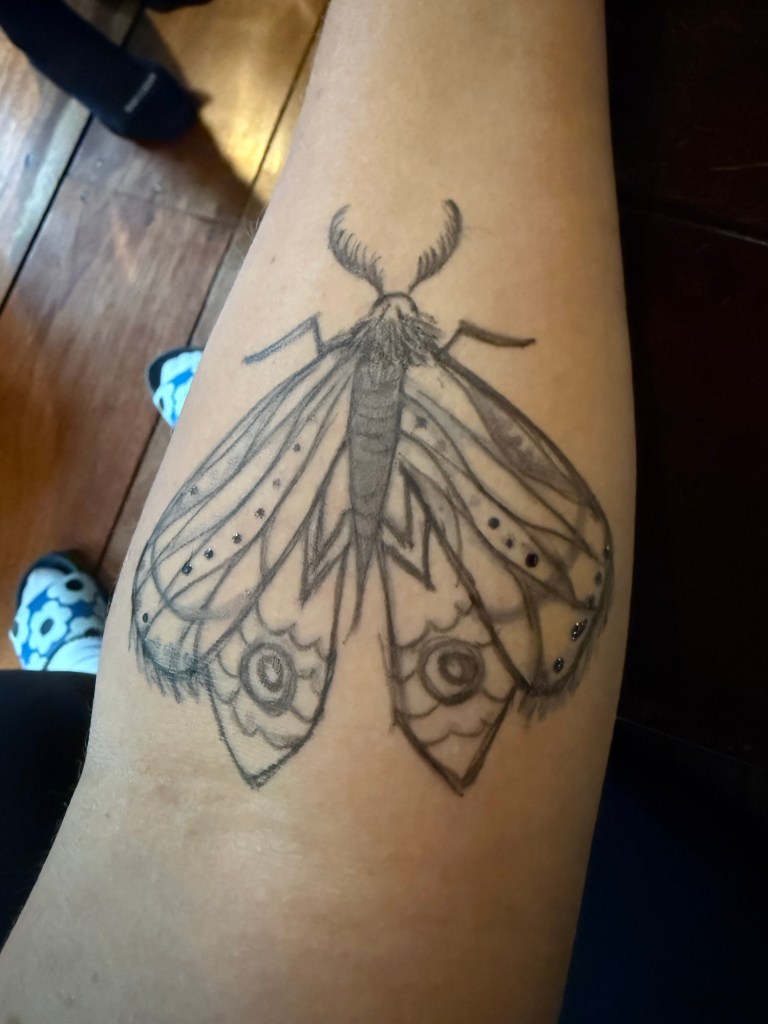
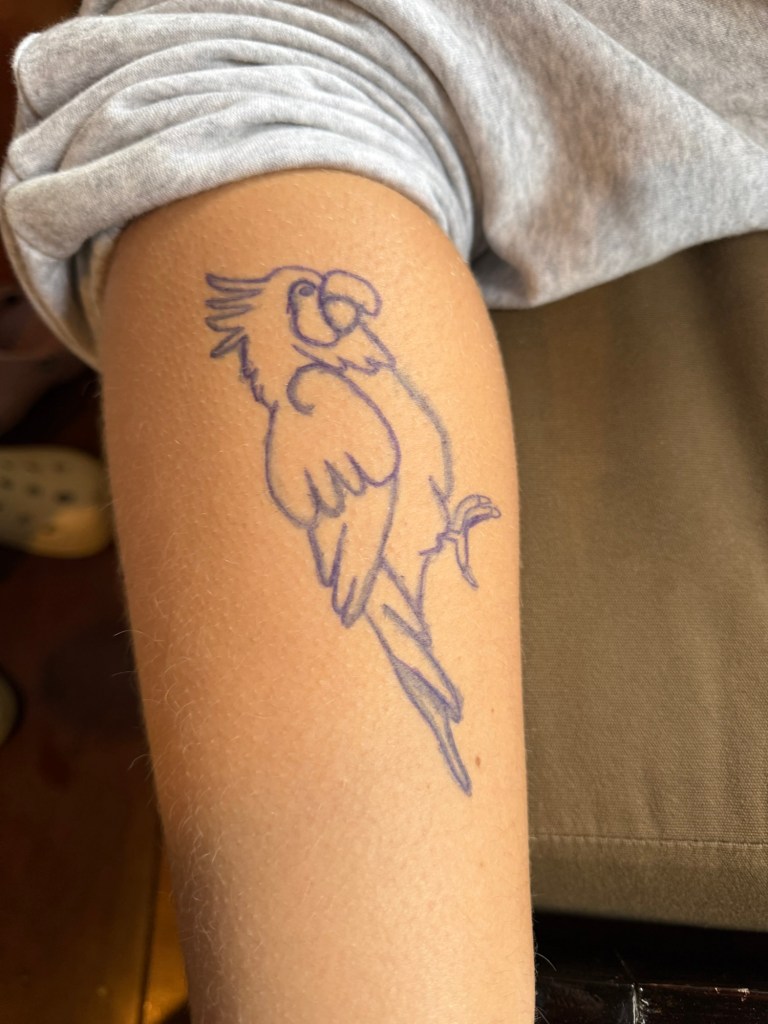
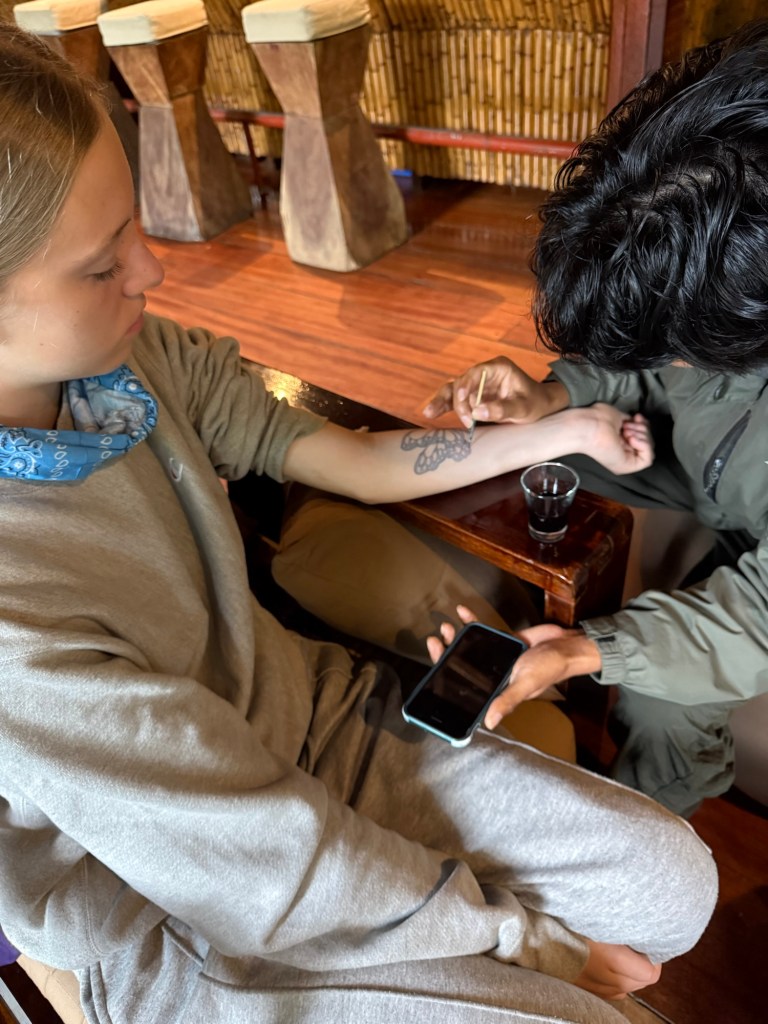
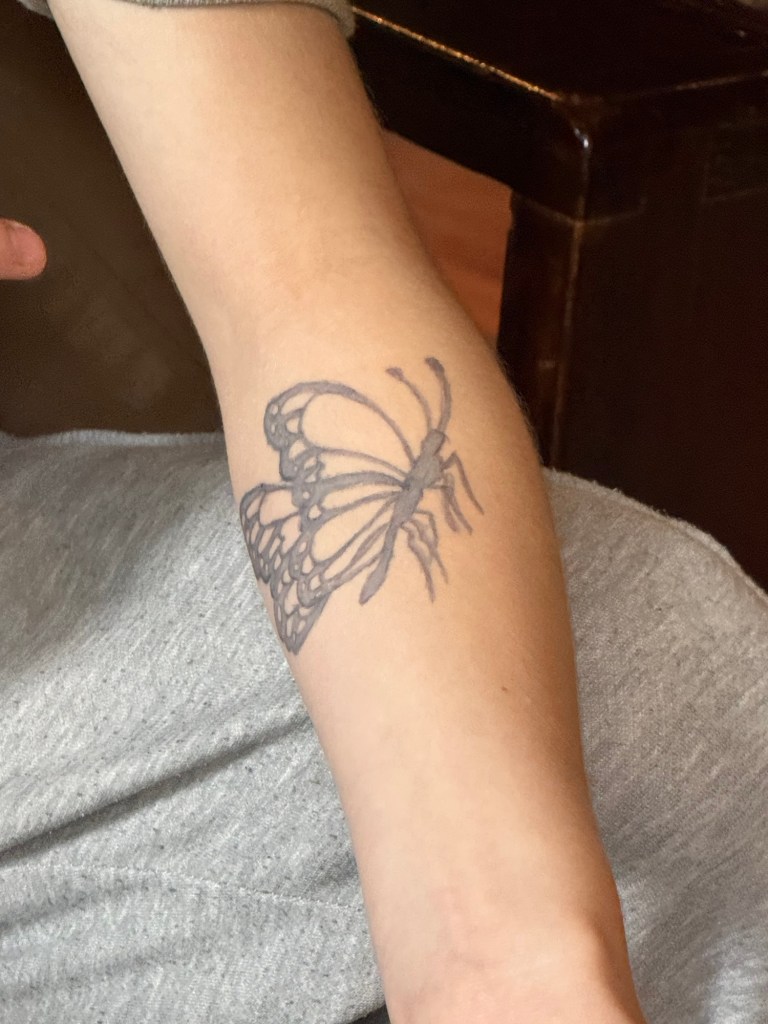
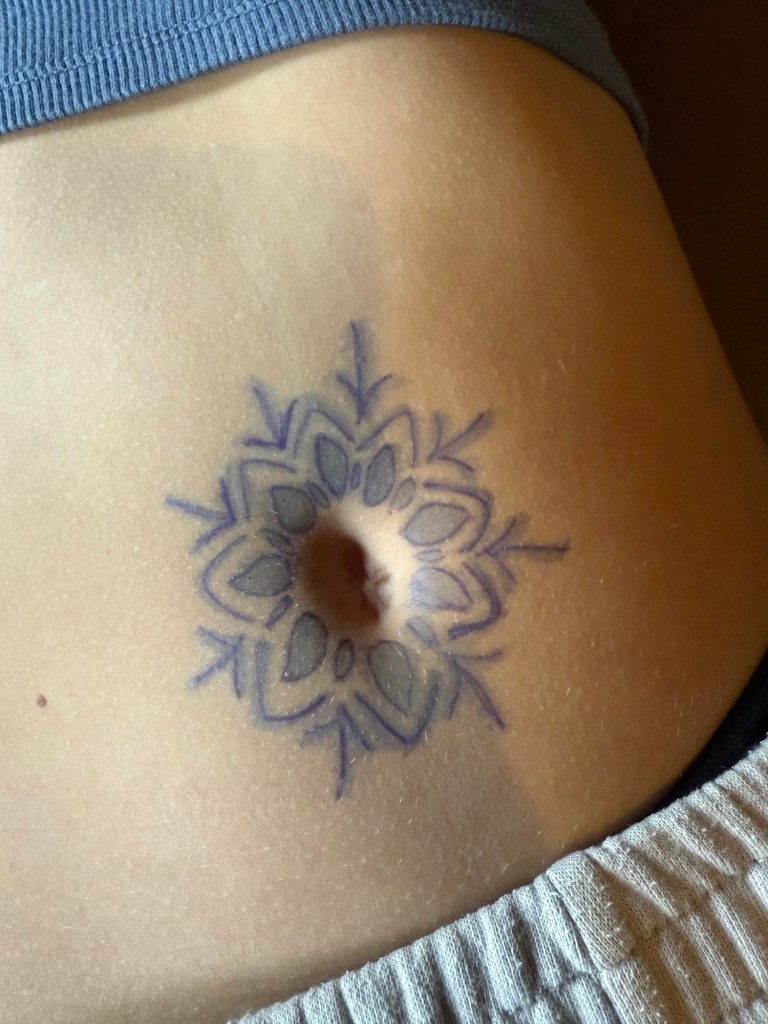
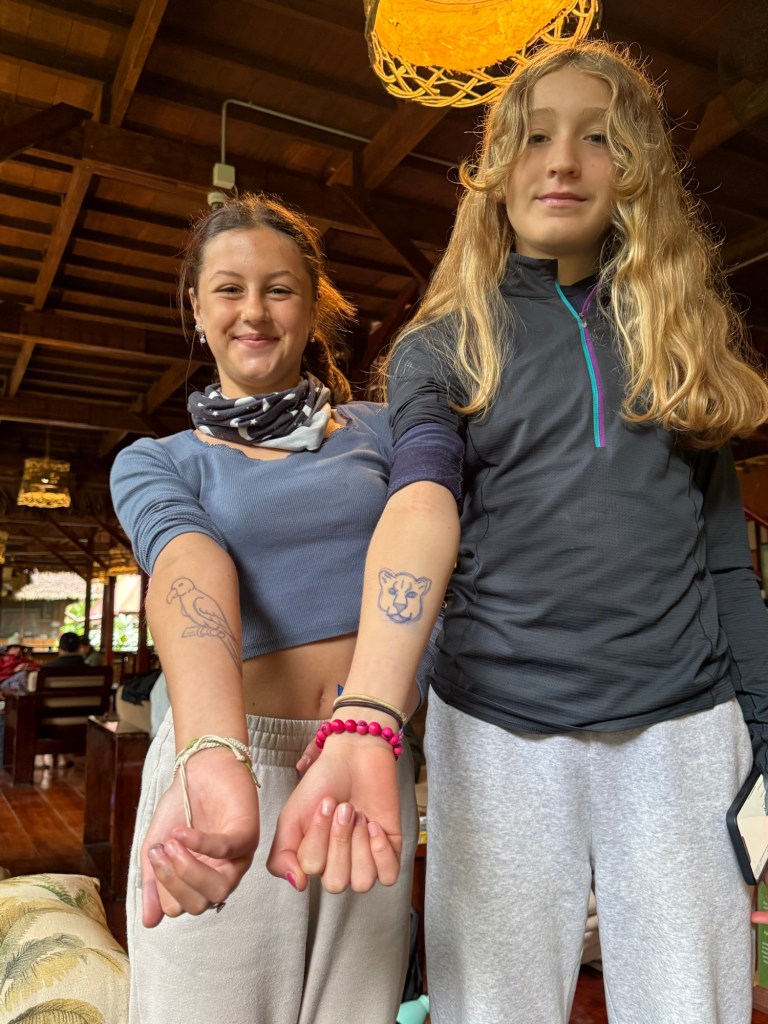
Our guide met us at our breakfast at 7am and explained that due to the rain, we’d need to shift around our activities for the day… this led to a slightly more chilled start – we did some natural tattooing! Using fruit dye, we had loads of fun drawing Amazonian creatures on each other…


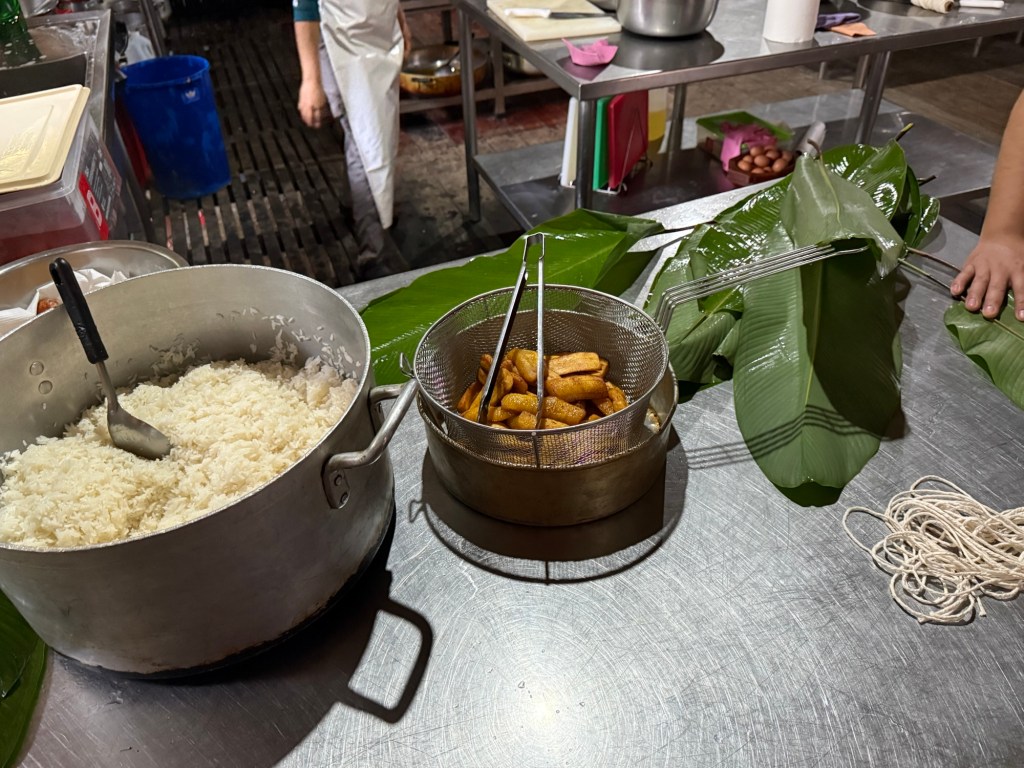
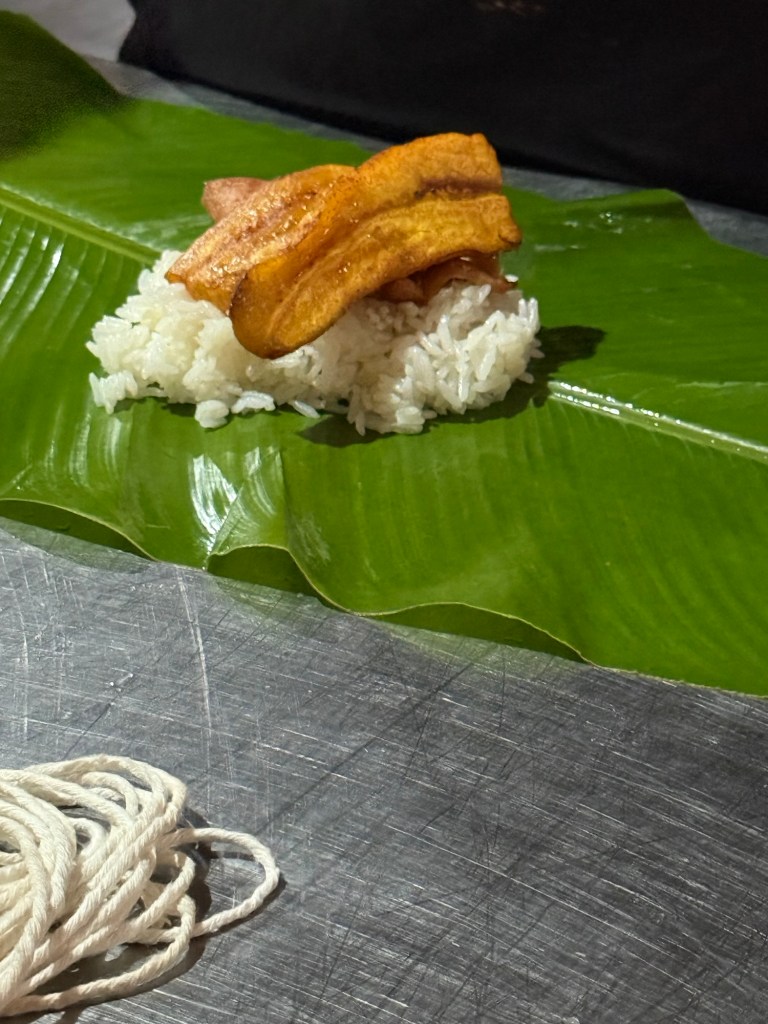
After the tattooing we were invited to help with some food preparation, using the big leaves that we had two days ago on the bus. Several of us had a go – the trickiest bit was folding the leaves so they didn’t break.


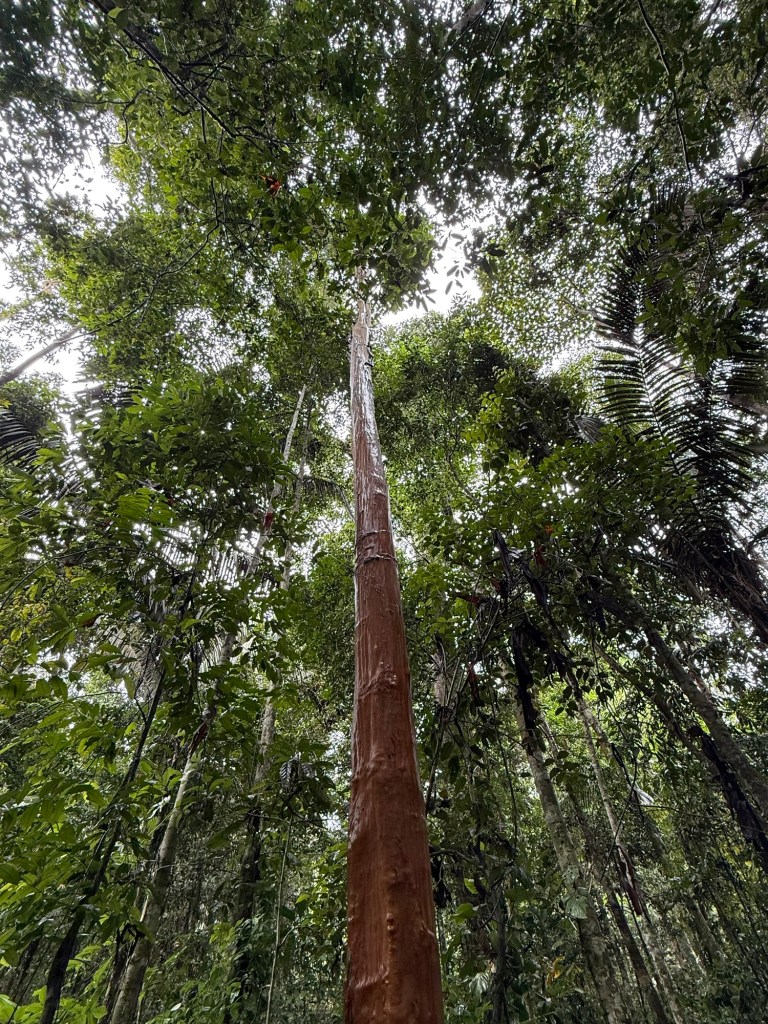
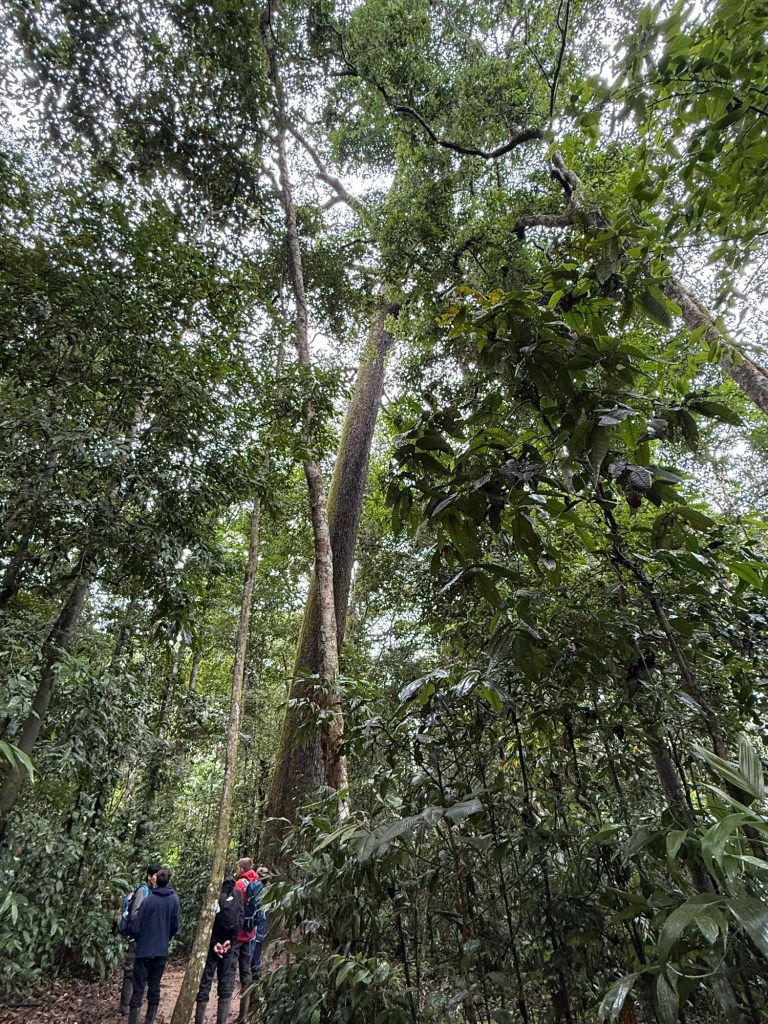
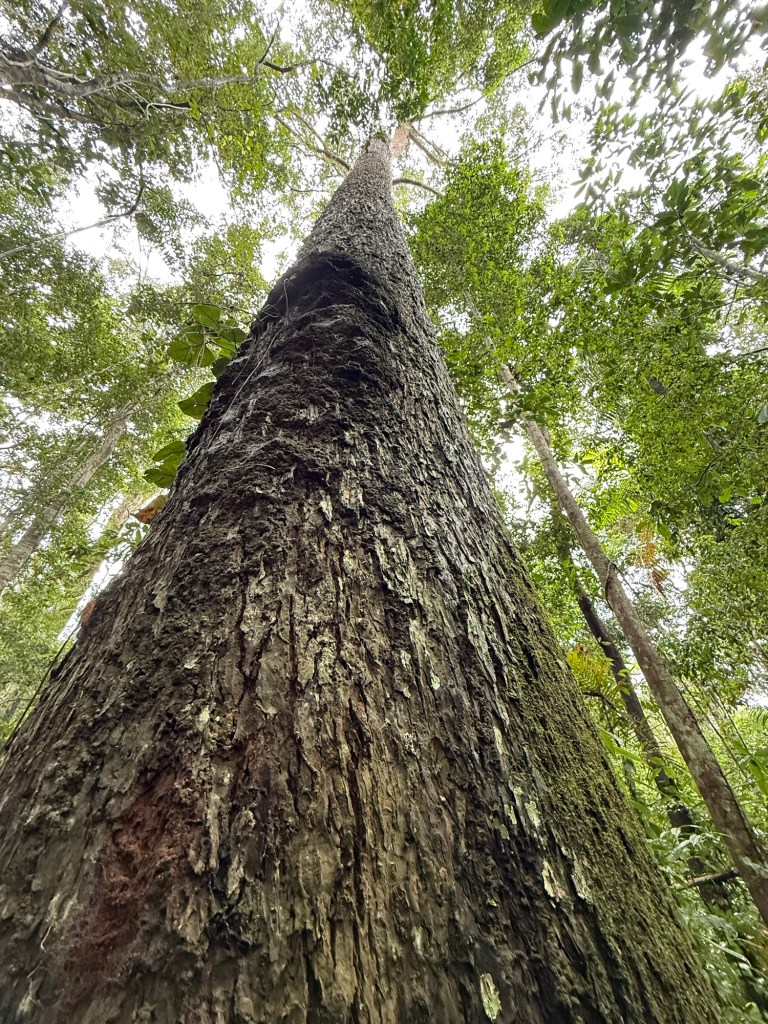
Just before lunch, the adults (plus Elijah) went off on a Brazil nut tree trail with Luis, making the most of the fact that it had stopped raining. We learnt lots about the trees and nuts themselves, as well as several other medicinal trees here in the forest.


Lunch was its usual deliciousness, and afterwards we got prepped for our last excursion – a jungle hike to the Oxbow Lake and back in the dark.

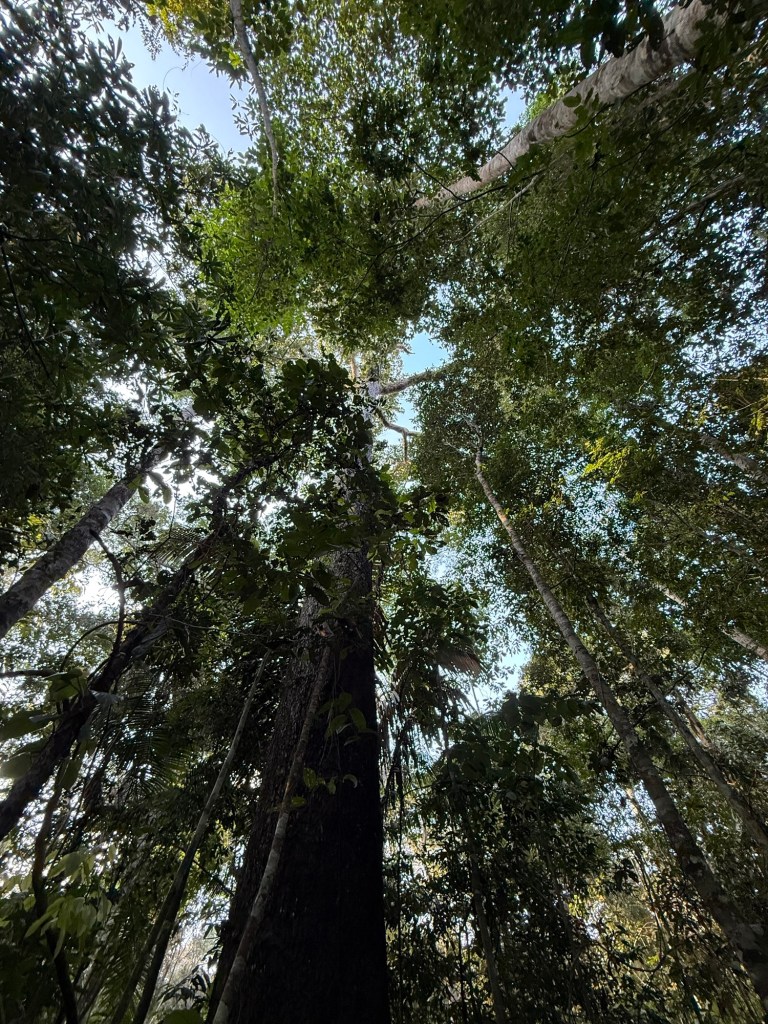
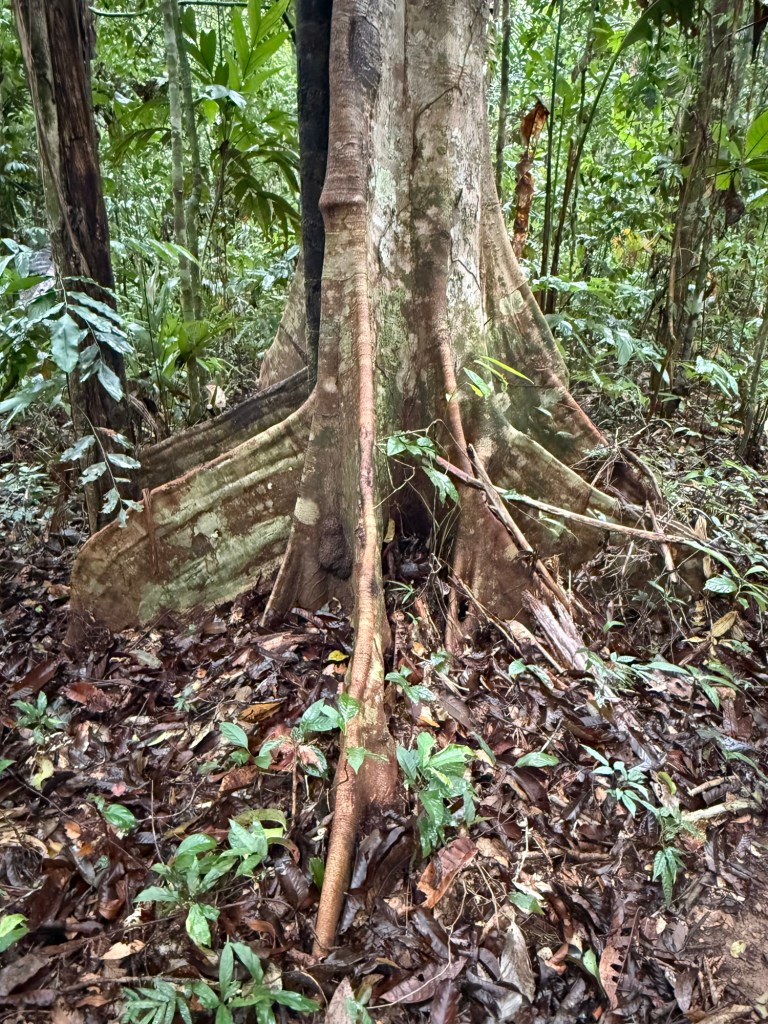
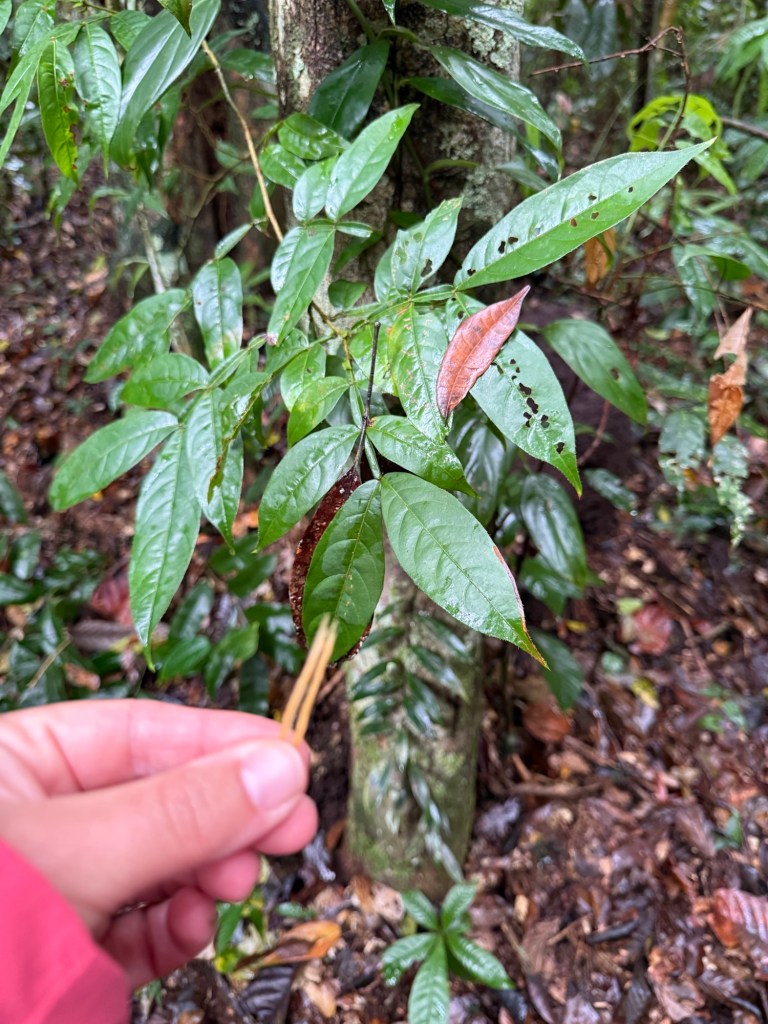
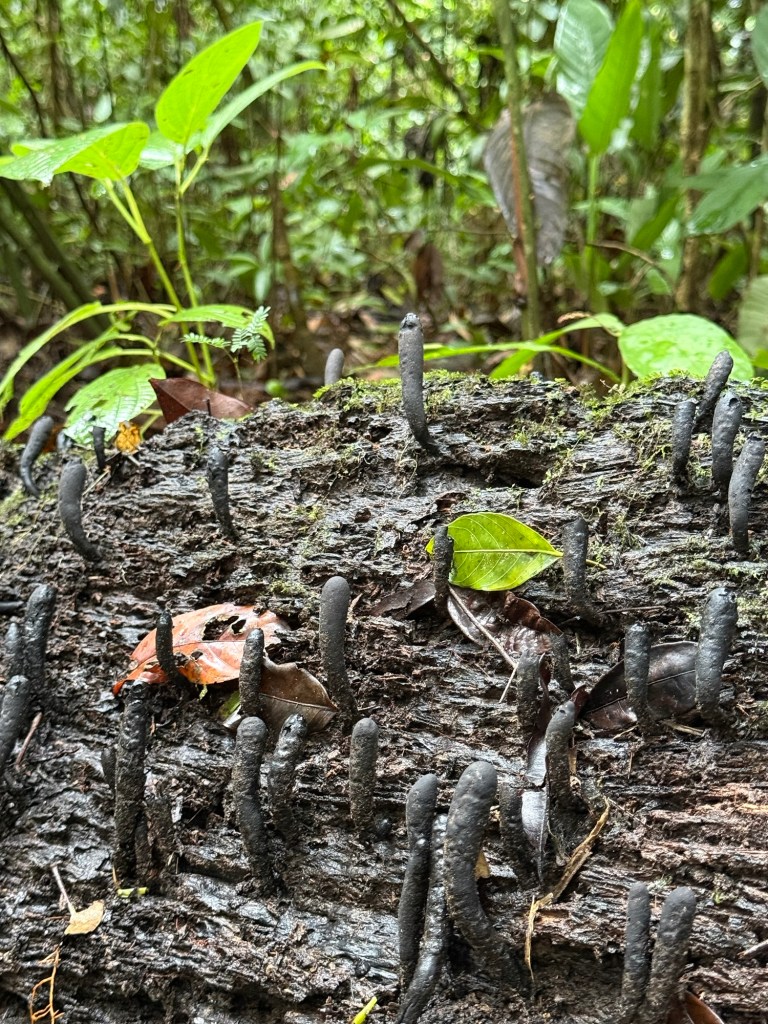
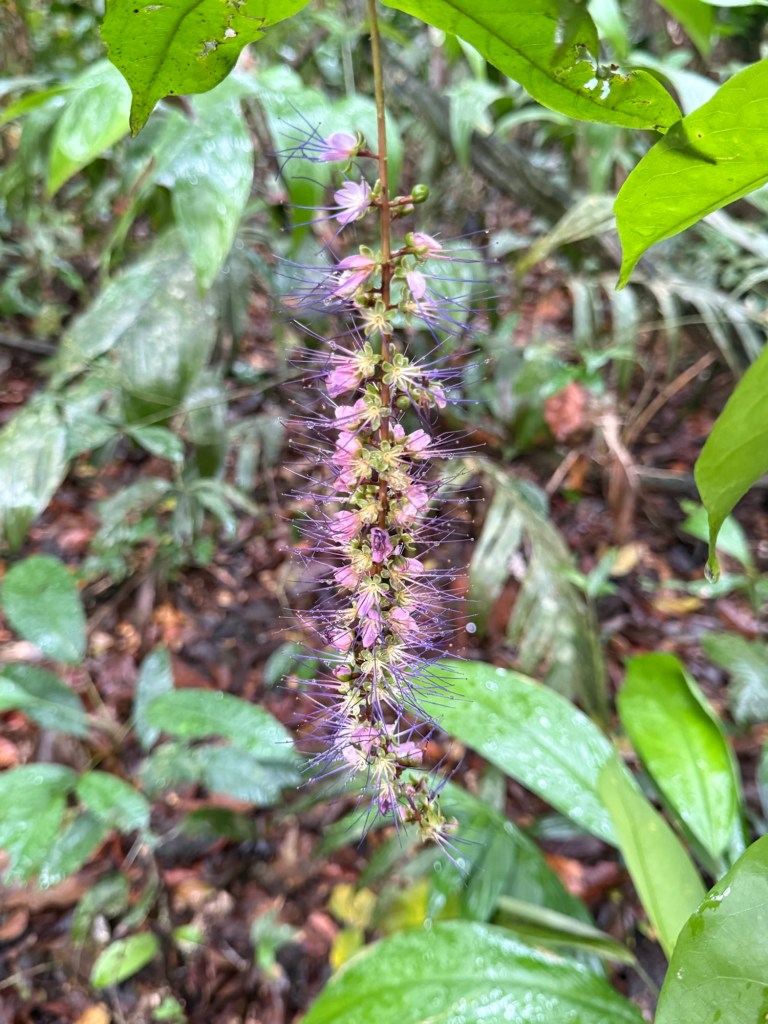
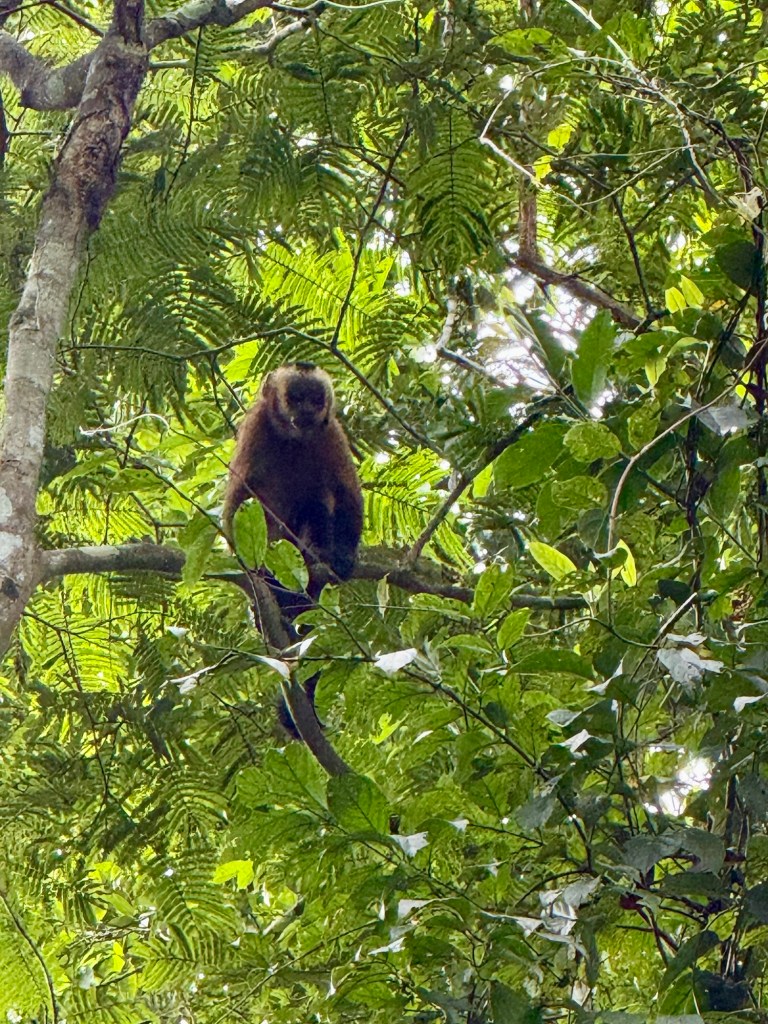
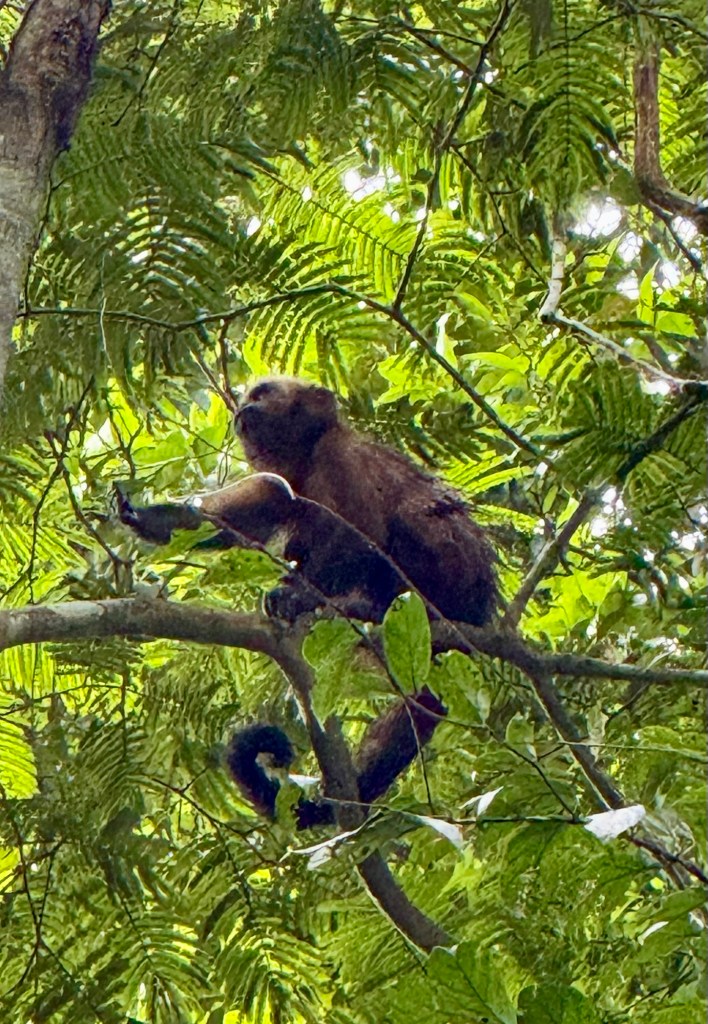
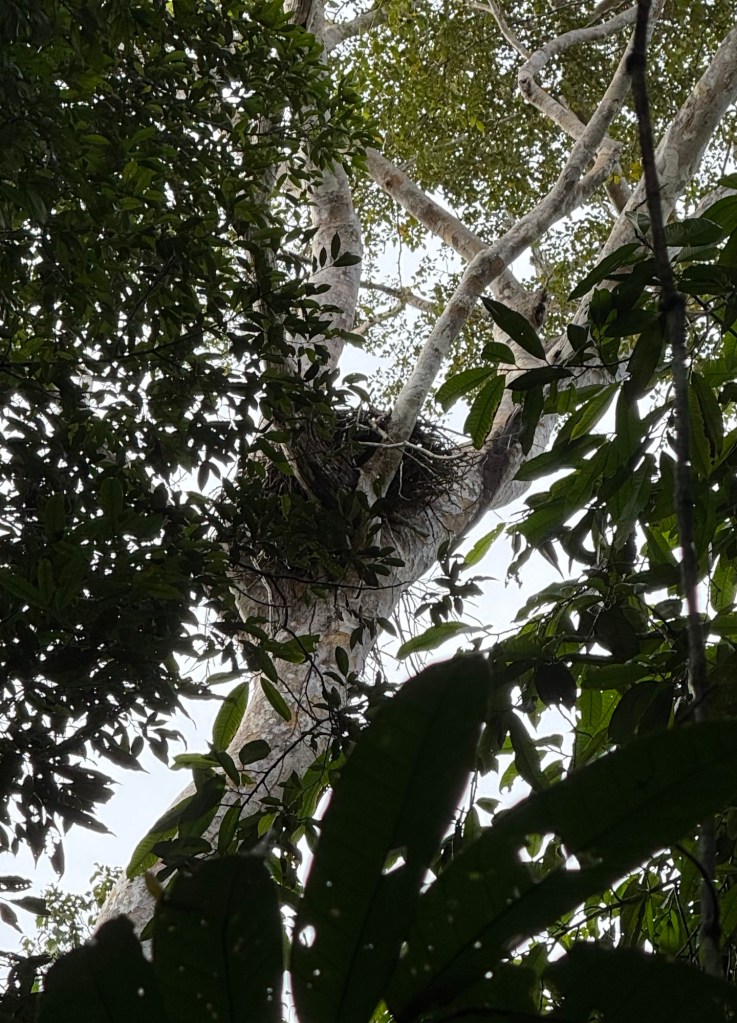
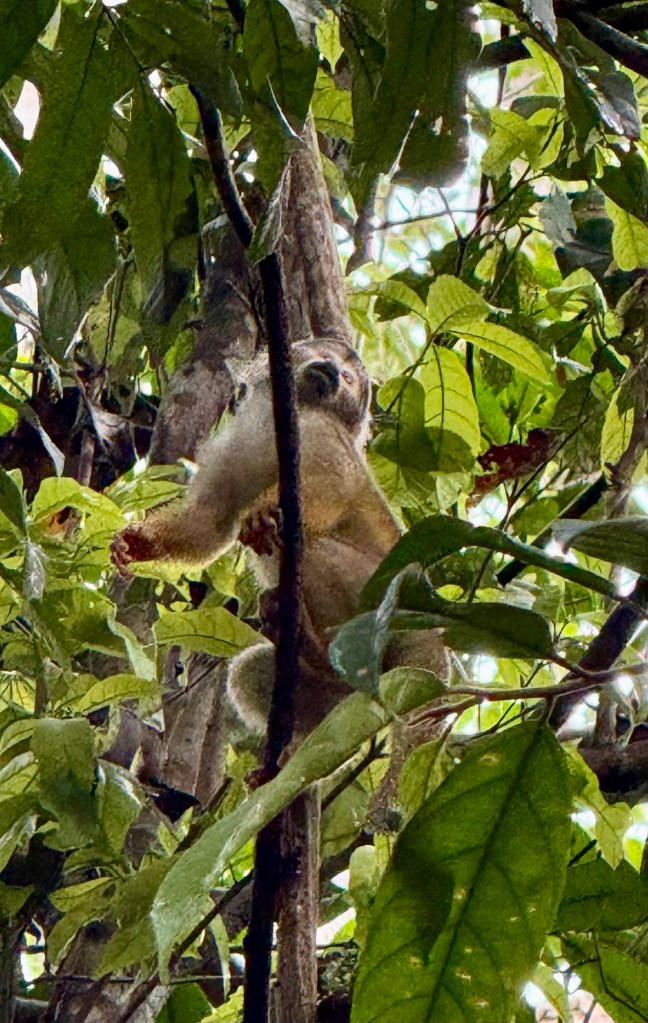
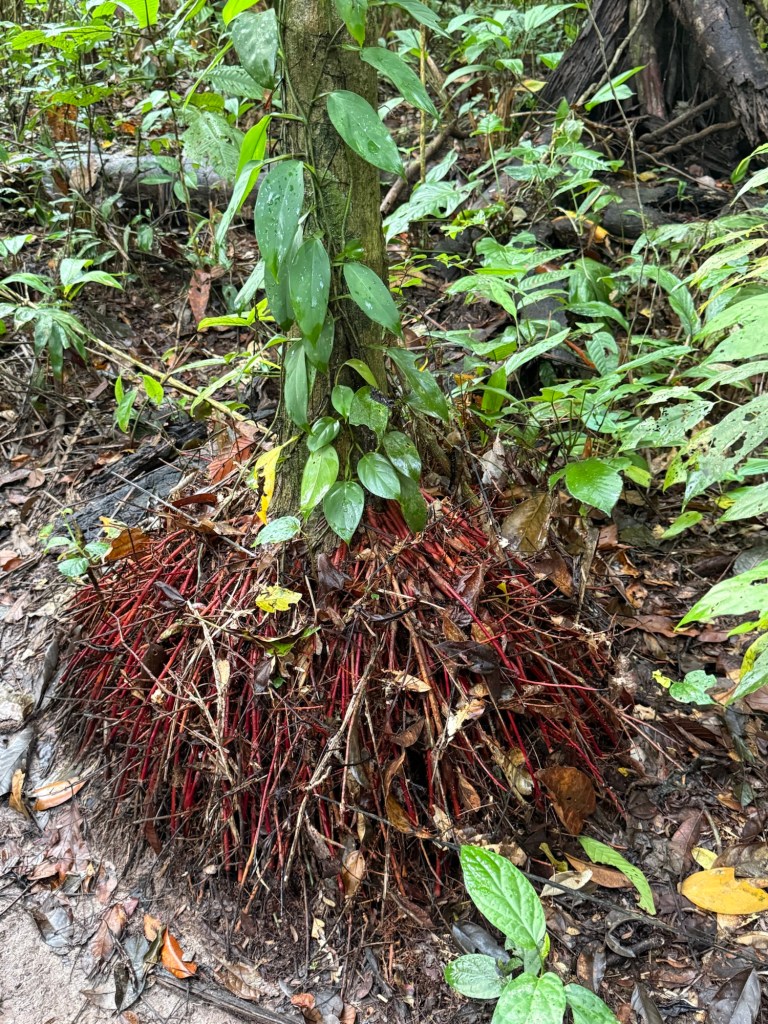
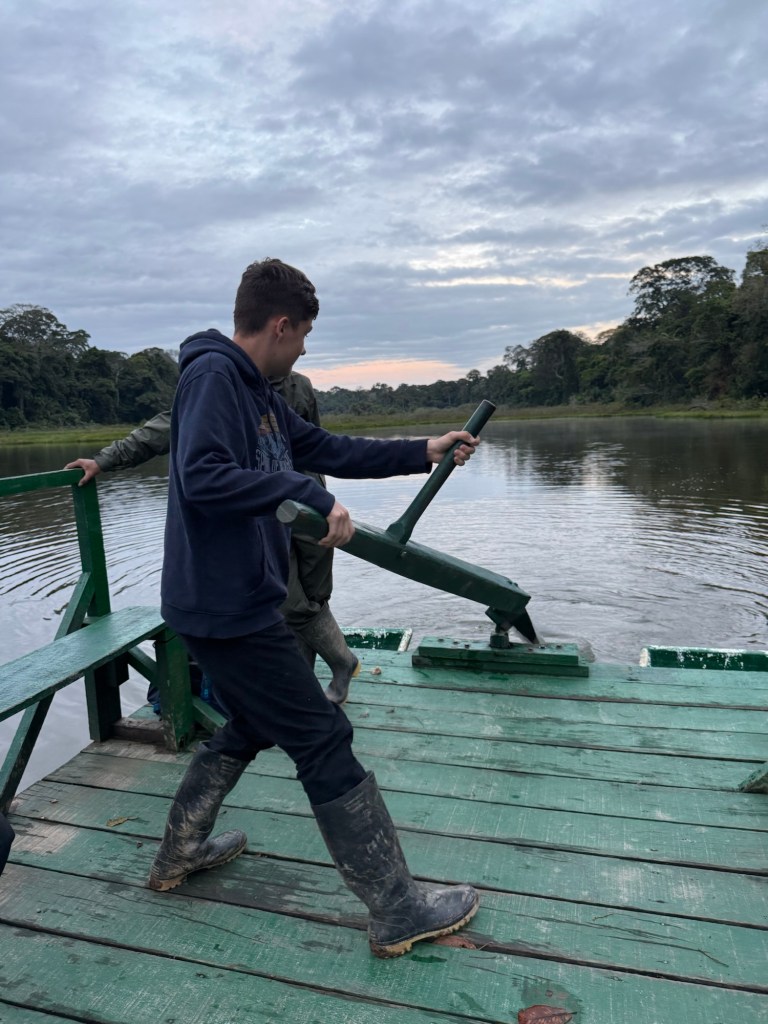
We set off in our borrowed wellies (suggested by Luis because of the recent rain but also better for avoiding army ants and vipers) and hoped for adventure… within minutes we heard monkeys overhead so we were off to a good start! We also saw various fungi, a crested eagle nest, leaf-cutter ants and learned about the açai berry tree.


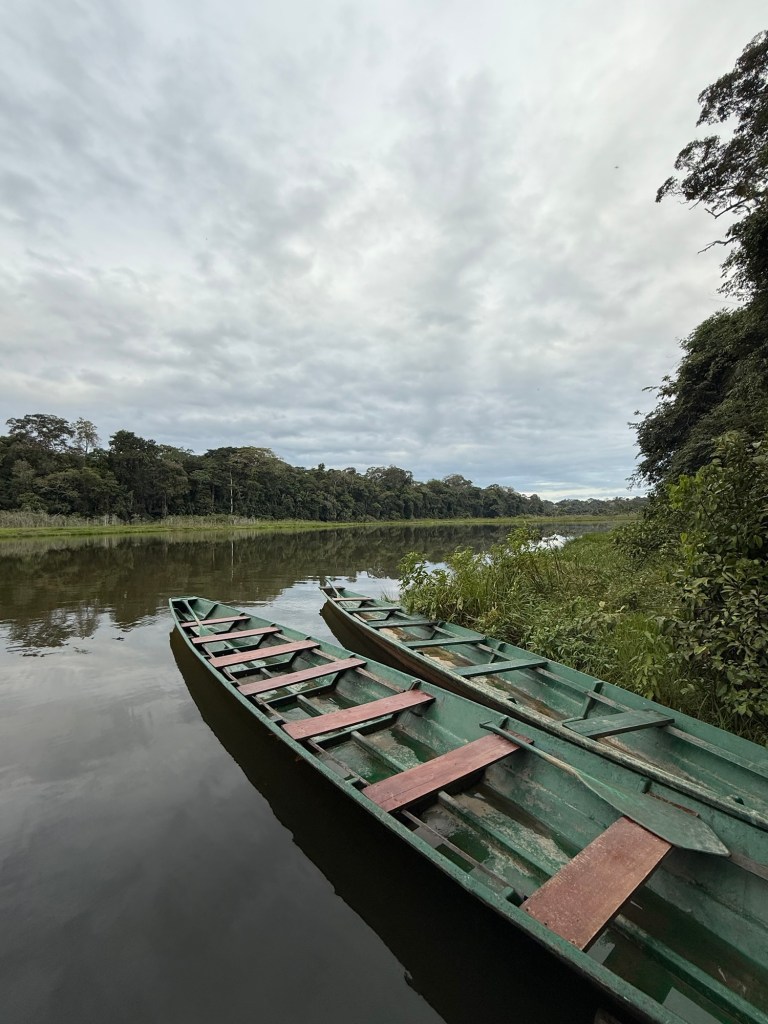
When we arrived at the Oxbow Lake (these are u-shaped lakes that are formed when a part of a river is cut off, creating a free standing body of water), we were greeted with a beautiful tranquil scene, enhanced with various bird calls.

Apparently the lake is home to many different fish (including piranha), electric eels, caiman, anacondas and many more! We did see an electric eel, which was exciting, but sadly no other water-based creatures.


After our catamaran-canoe around the lake, we headed back in the dark, torches in hand. Night hikes are definitely a bit more wild in the rainforest, you never know what you’re going to see…


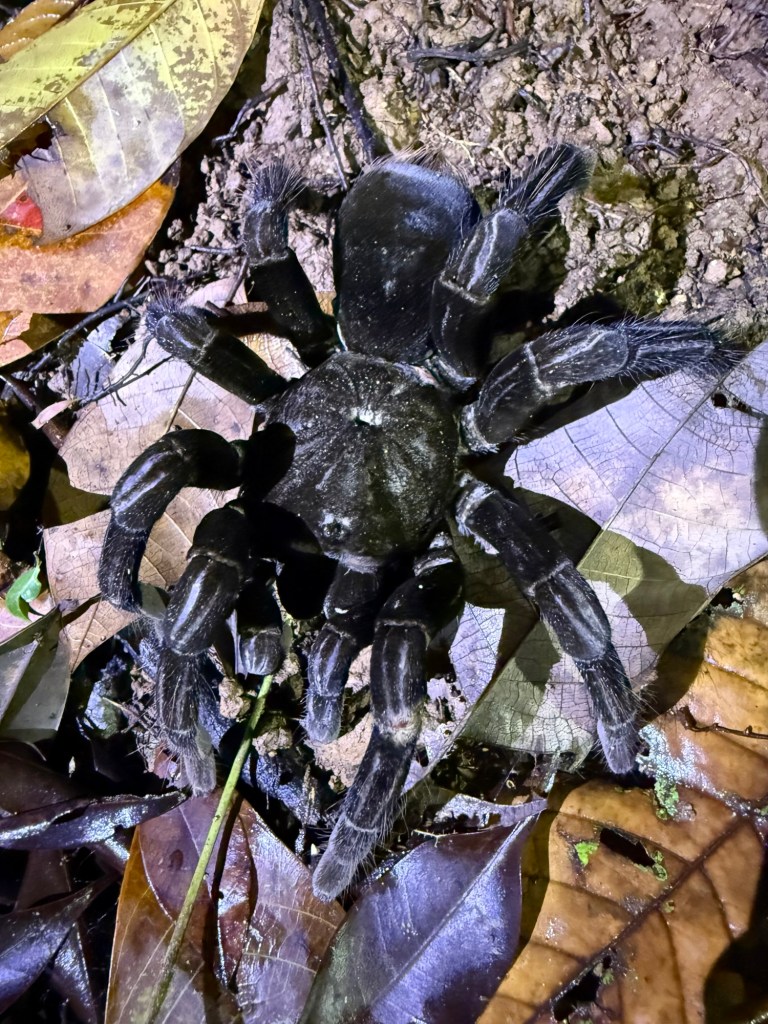
The bird-eating tarantula was a highlight – the first video shows the two babies that came out first, and then the size difference to the mum (who wasn’t fully grown yet!) who came out last. The second video was one Luis took using Kate’s phone of the mum tarantula.

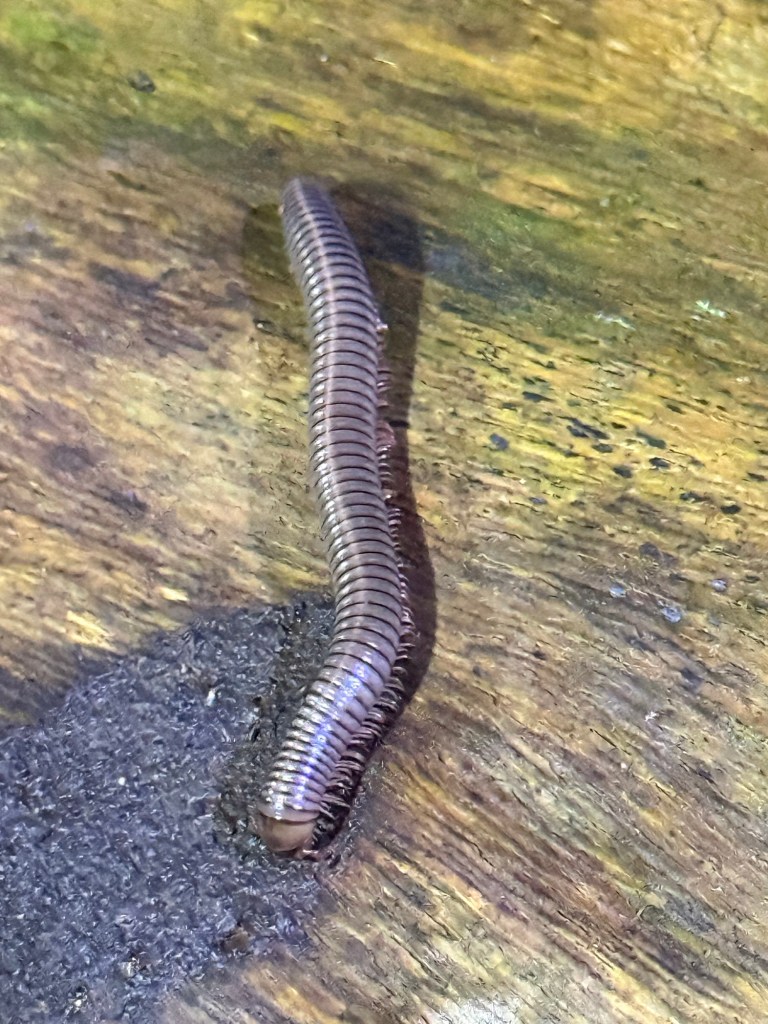
We also saw fireflies and an orb weaver spider on the way back – all in all a very successful trip.

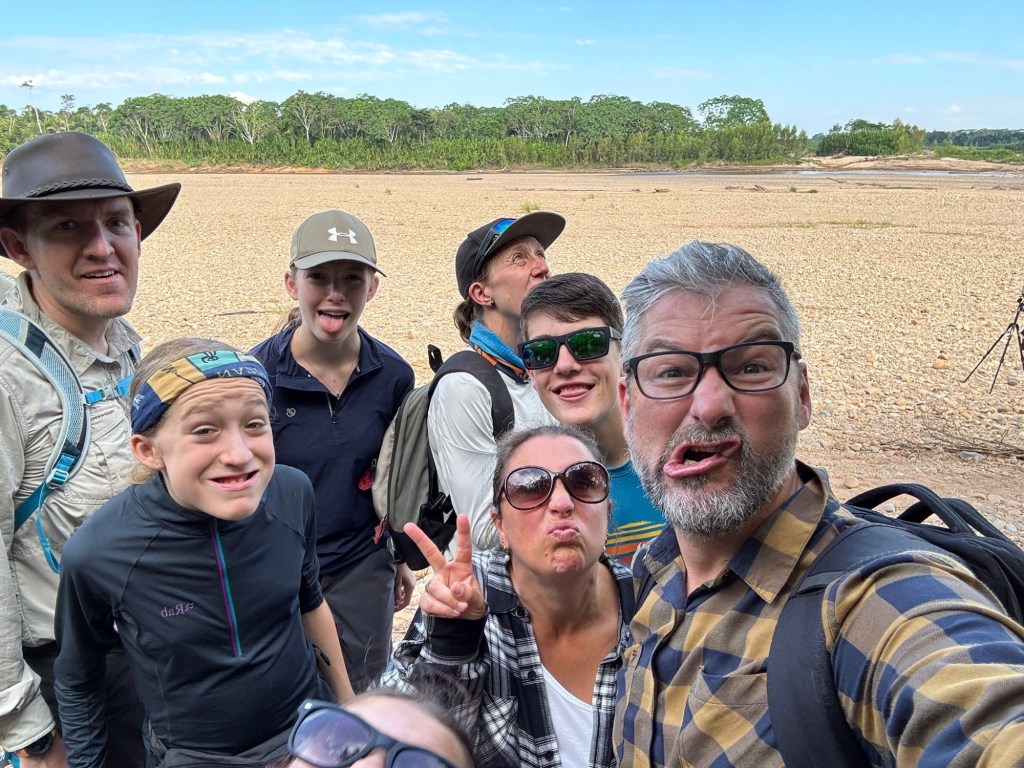
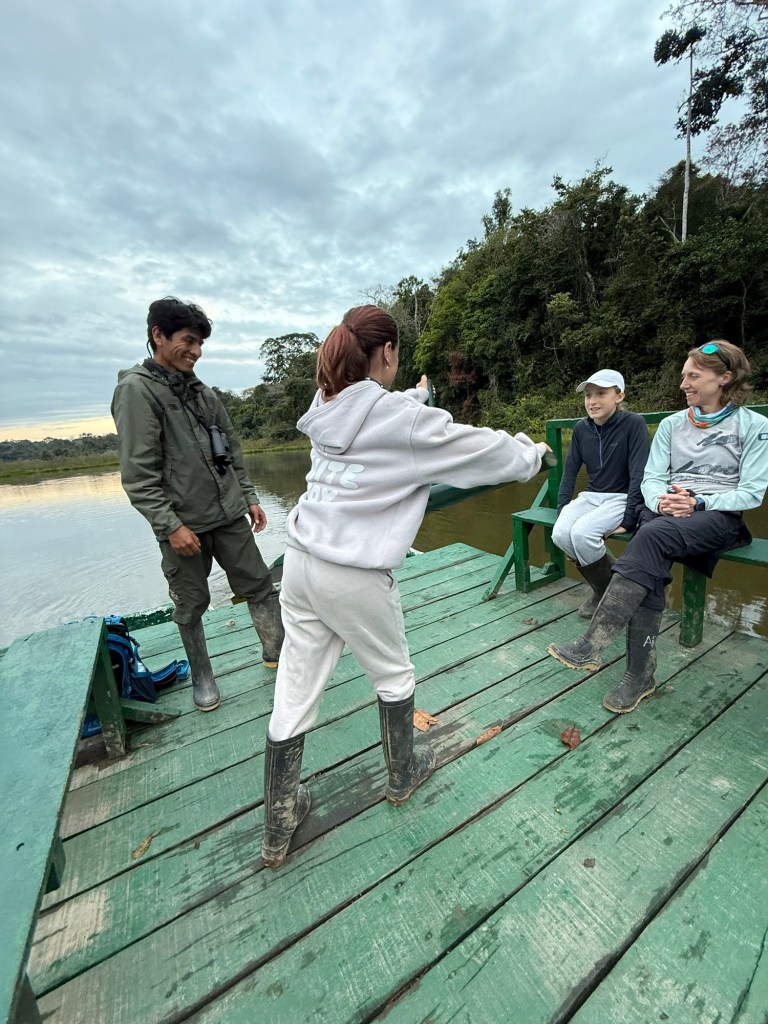
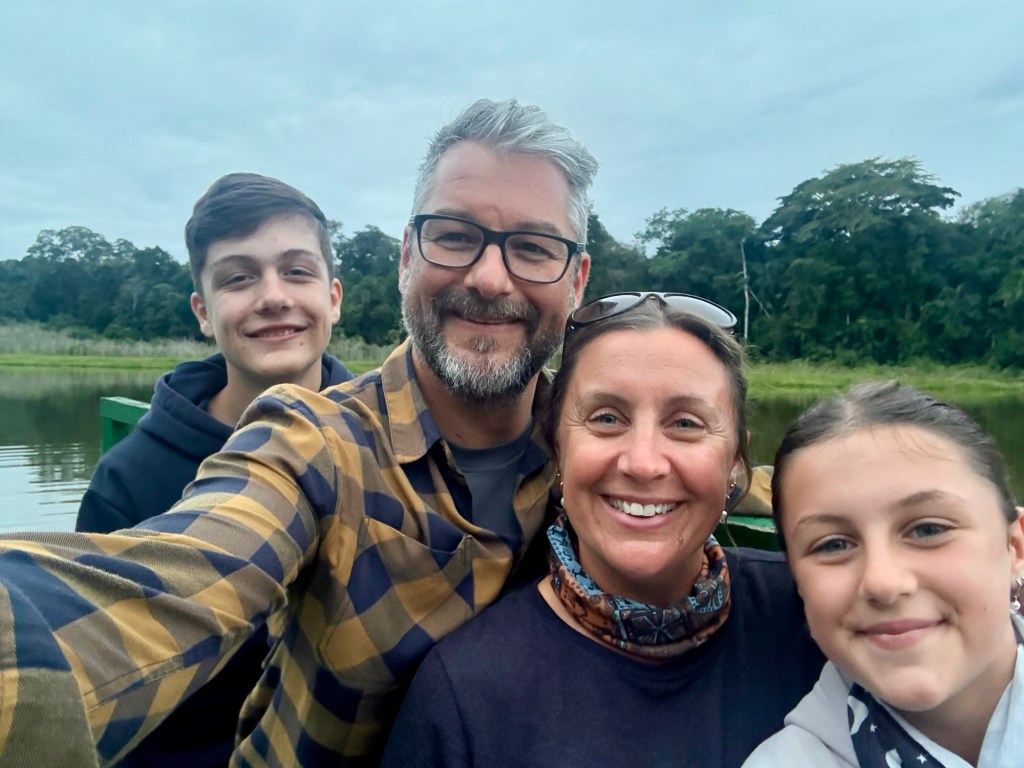
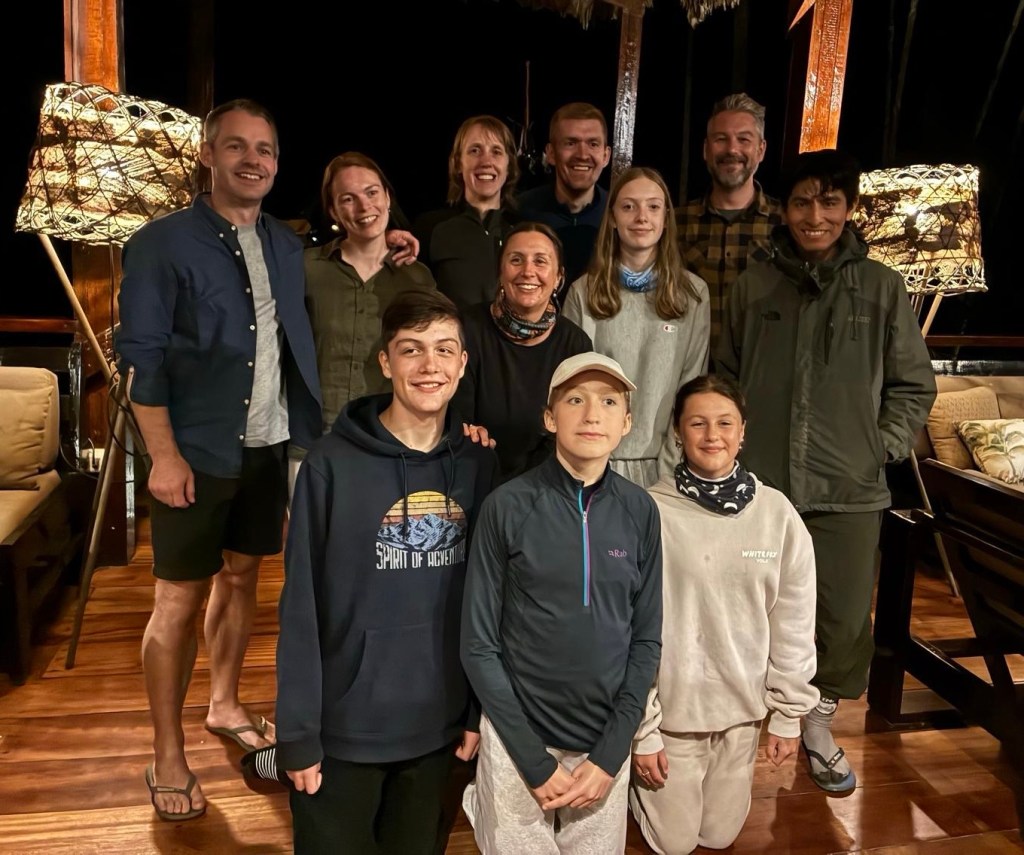
All too soon we were enjoying our final supper here in the rainforest, and saying goodbye to our wonderful guide Luis. Here is a pic of us all, with our newly-wed pals Kate and Matthew – who must’ve drawn the short straw in group selection and ended up with us lot!!


DAY 4:

Our departure day began at 5:45am, with a howler monkey alarm! Time to scramble to finish packing and get to our early breakfast. It was delicious as always. We then met some others travelling back today and all hopped aboard the boat that would take us down the river for an hour.


A quick transfer from boat to bus saw us leaving the river behind. In an hour and a half we’d be at the airport, ready to leave the Amazon behind. We’re definitely not ready to leave yet but have had the most incredible time here, something we’ll never forget.


Paracas and Huacachina, Peru

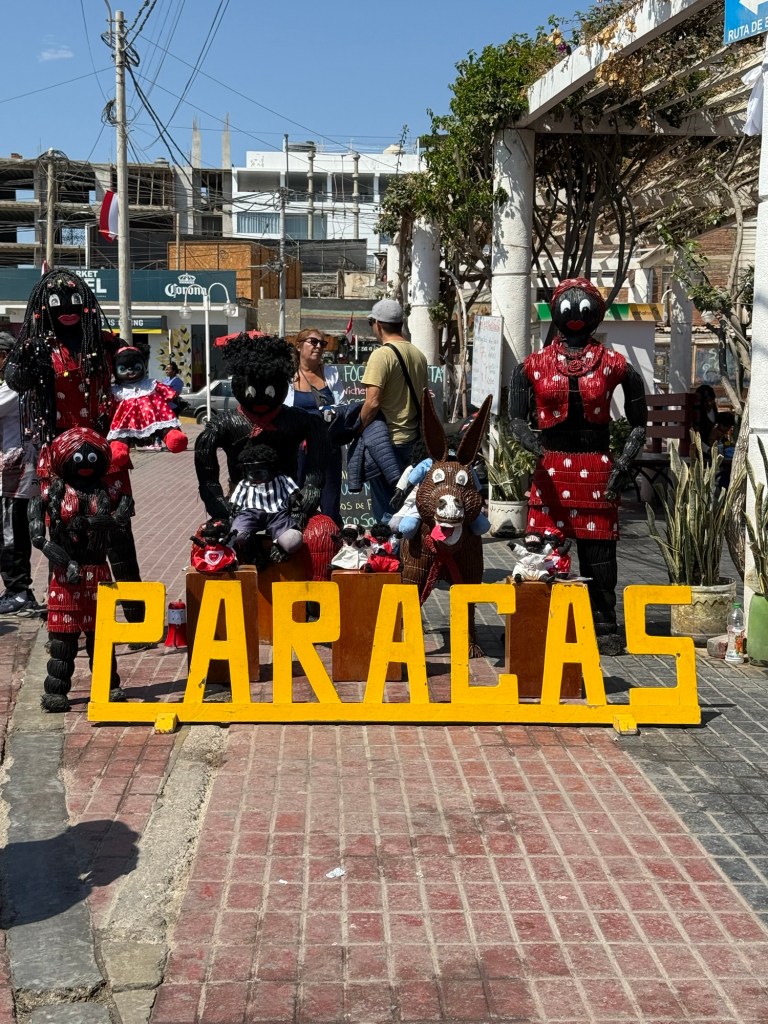
A day trip we’ll never forget – ocean, wildlife, boat trips, desert oasis, dune buggies, sand-boarding, sunsets – that’s what awaited us in Paracas and Huacachina.

We started our day at 3:45am with alarms ringing and bodies frantically attempting to put the right foot into the right trouser leg. Day bags at the ready, we blearily made our way outside to catch our coach at 4:20am. It’s a 4 hour drive down to Paracas, on the western coast of Peru, but we also had to take into account that this weekend is a public holiday here, so traffic was heavy.

Our tour guide, Amyth, was lovely and gave us lots of local information, which we tried to take in – tricky to do on very little sleep, lack of caffeine, and the fact that she spoke both Spanish and English very speedily and woven together. However, we gathered enough to know where we were going and soon were off on our ocean adventure.


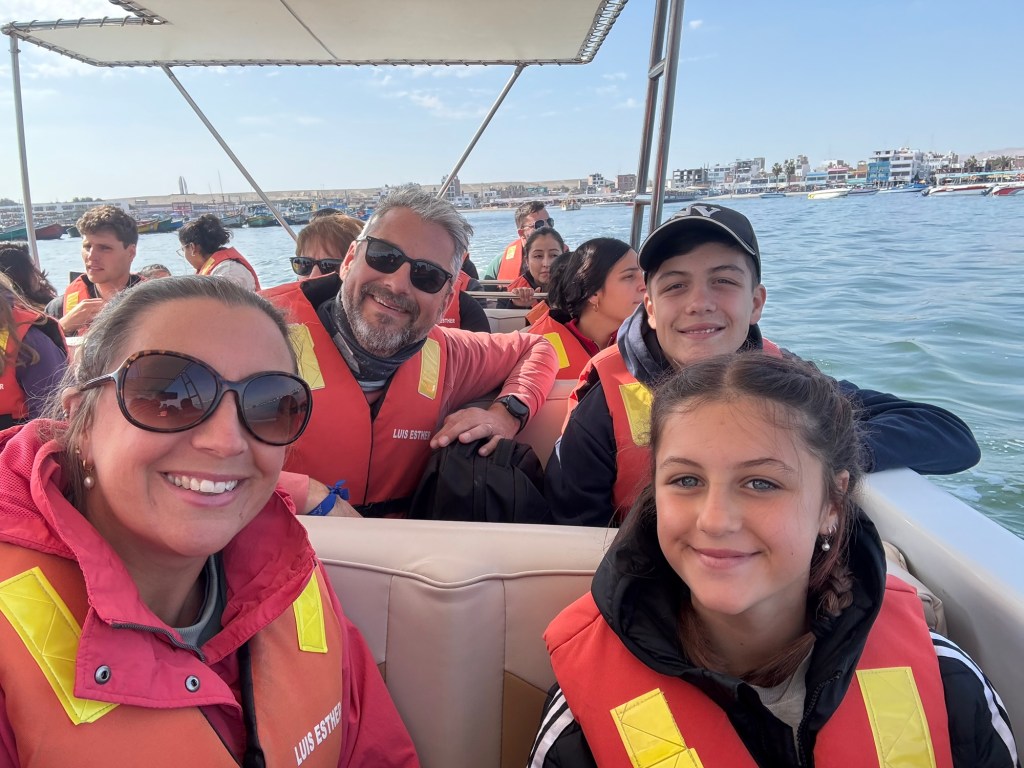
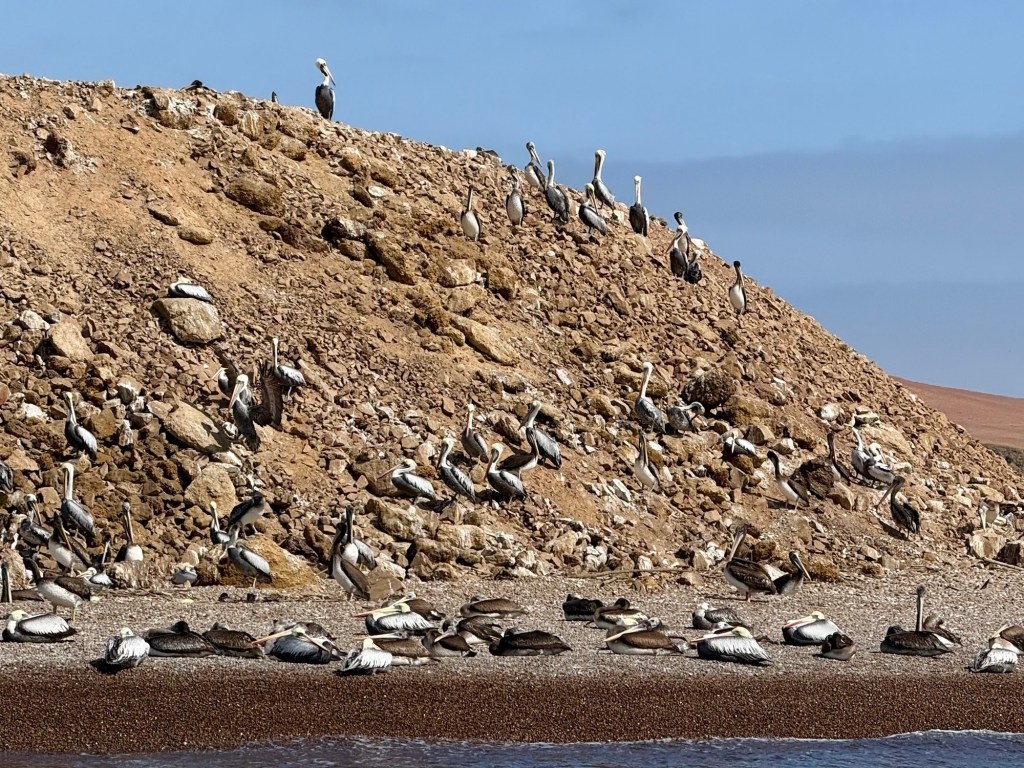
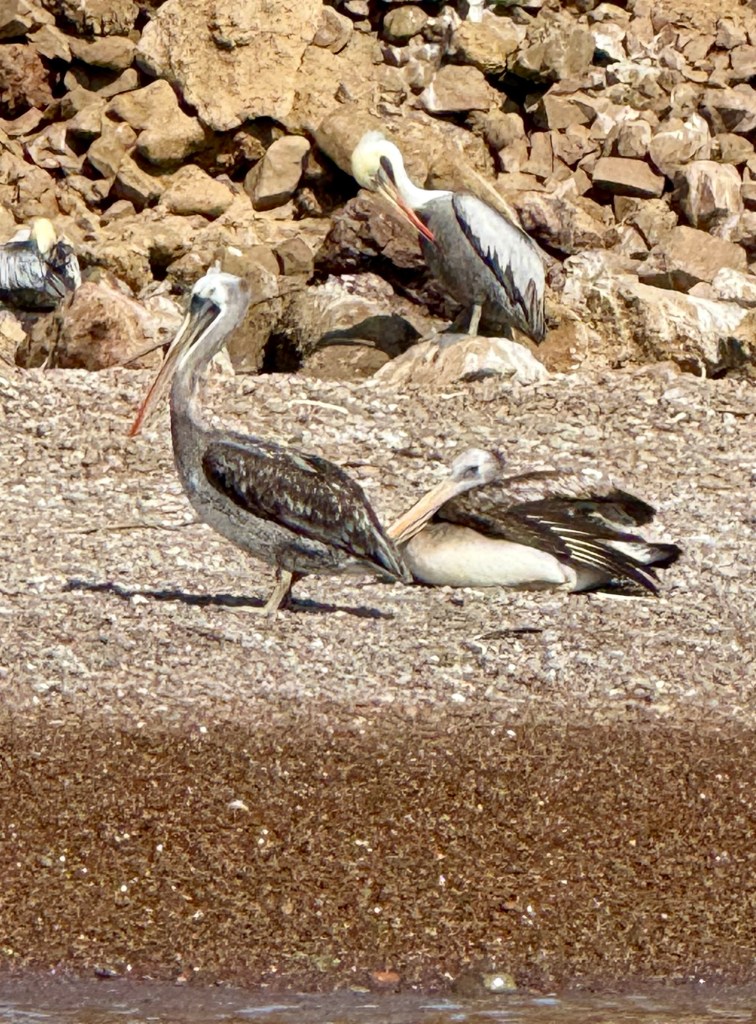
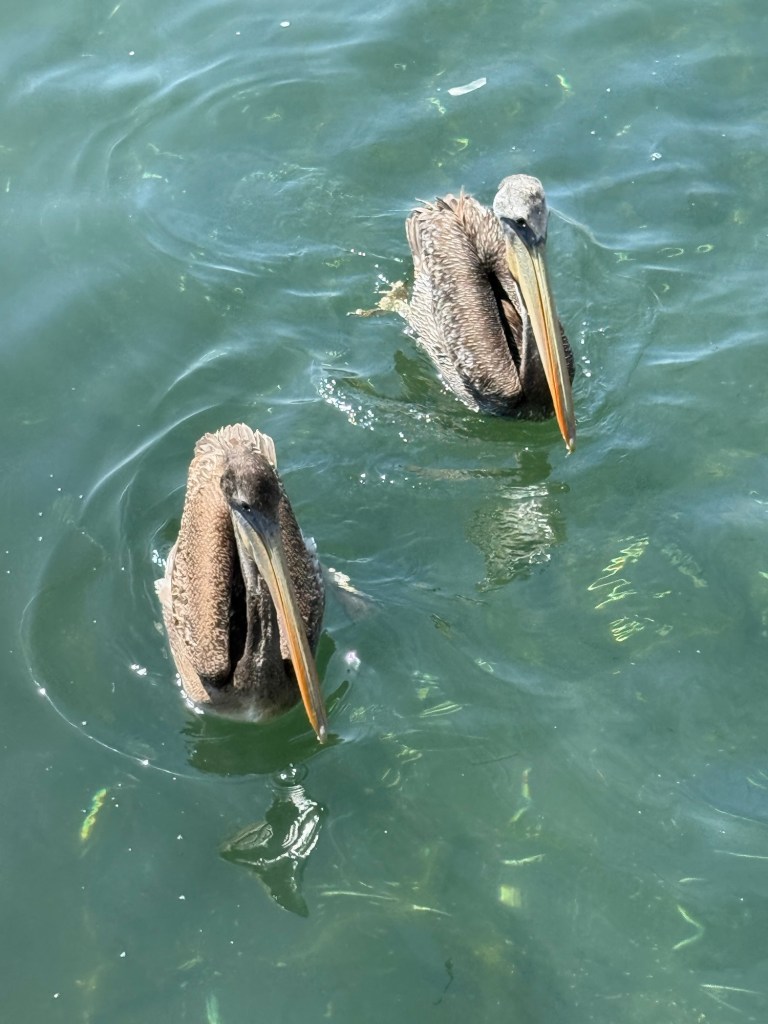
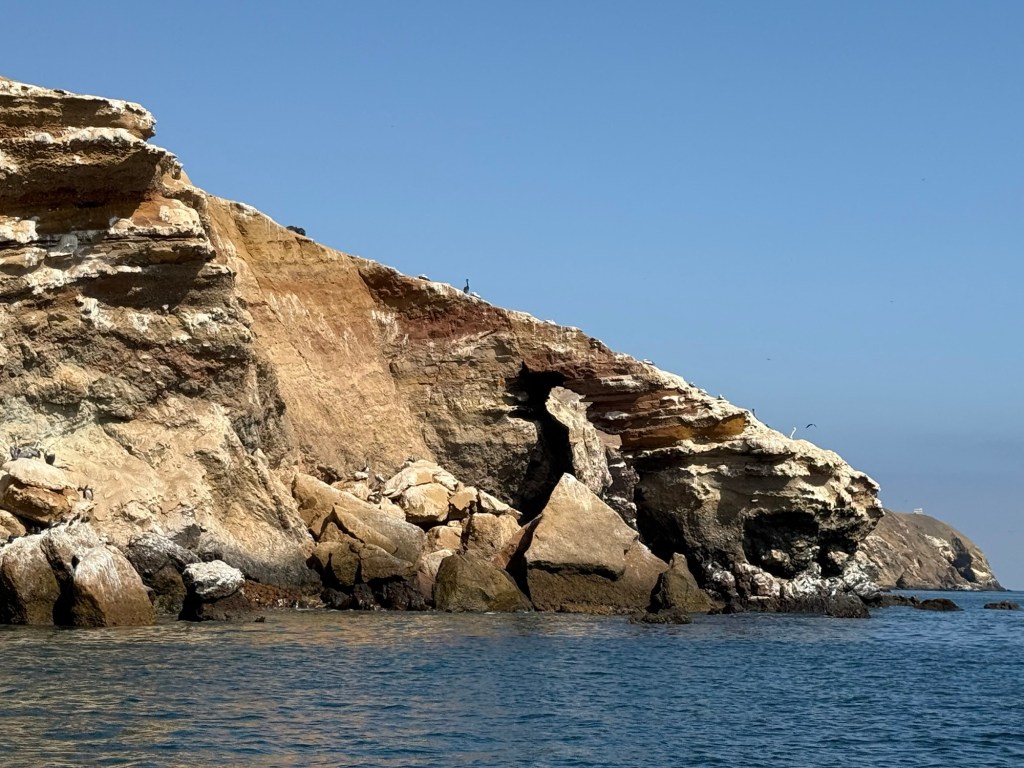
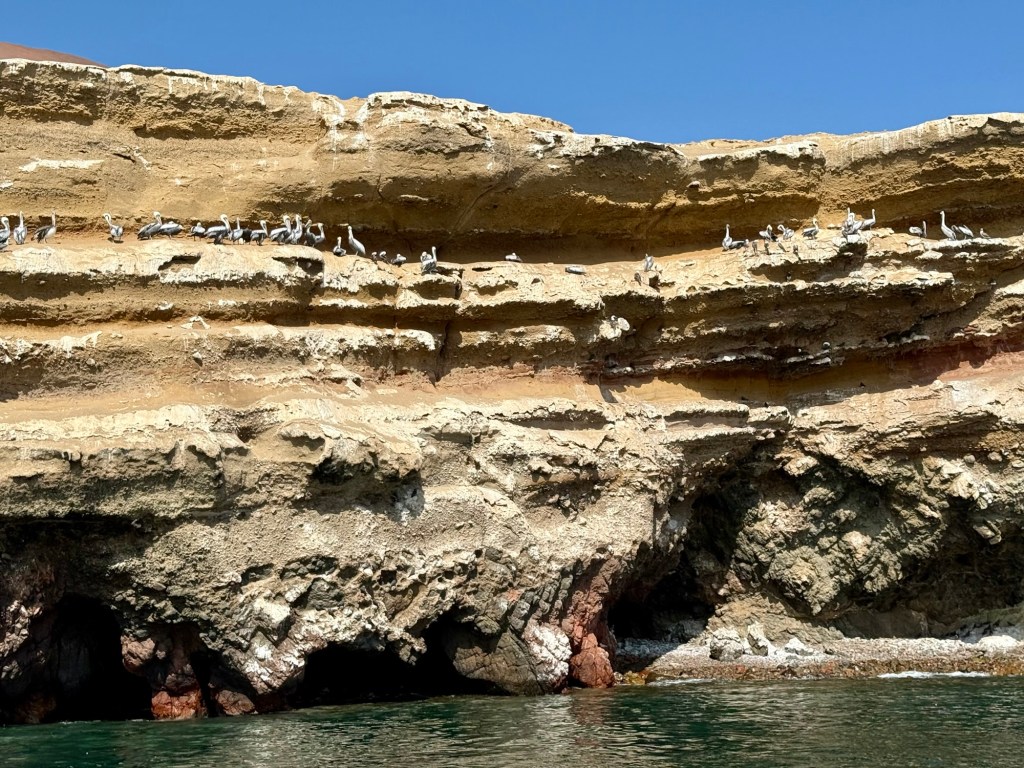
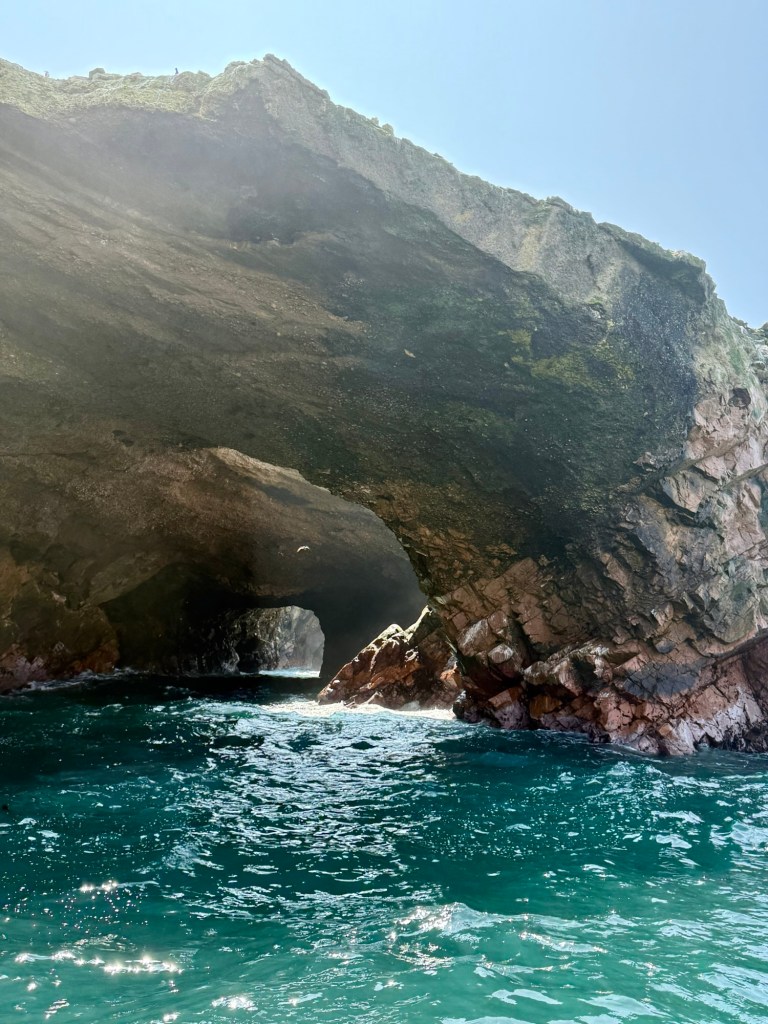
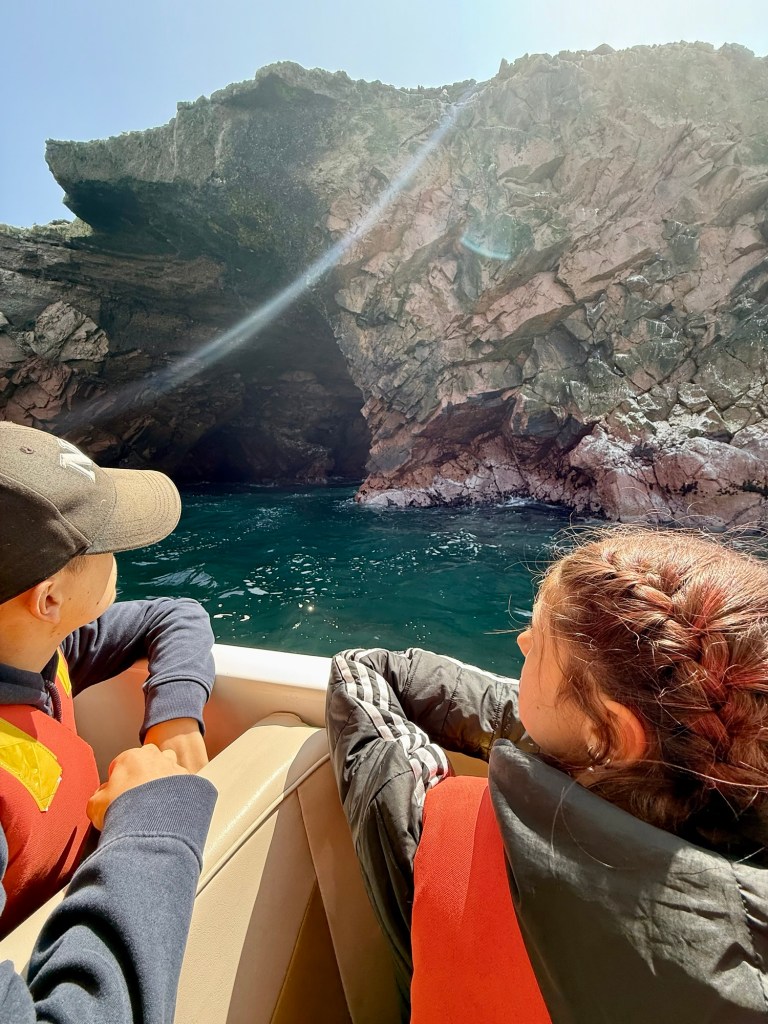
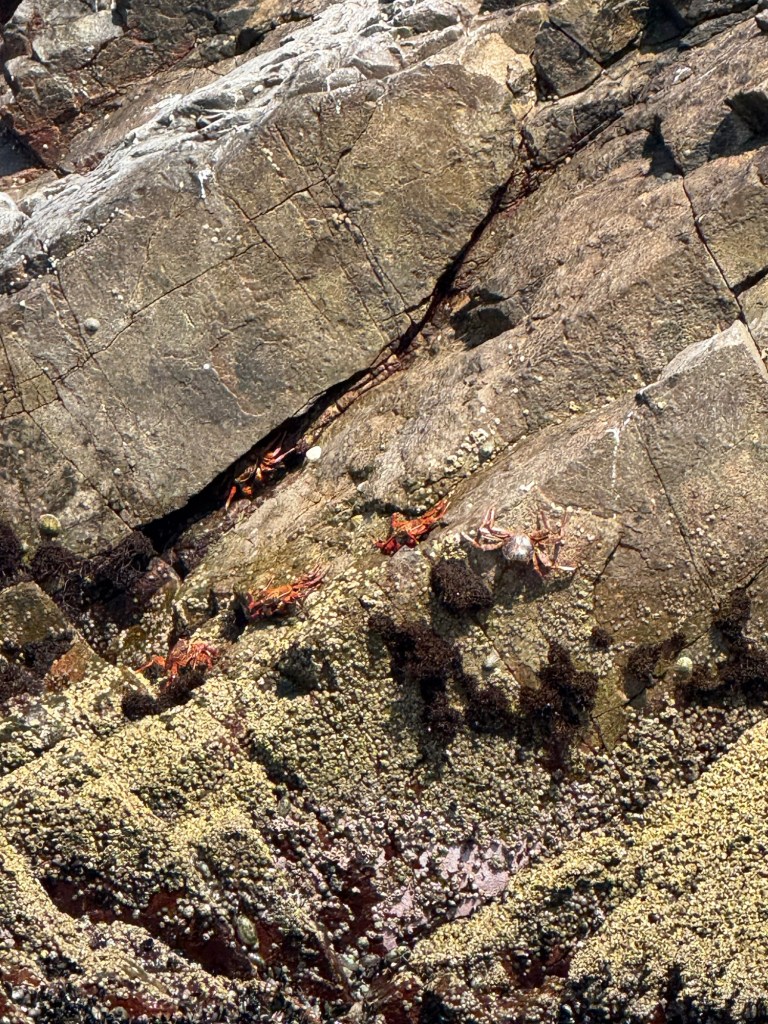
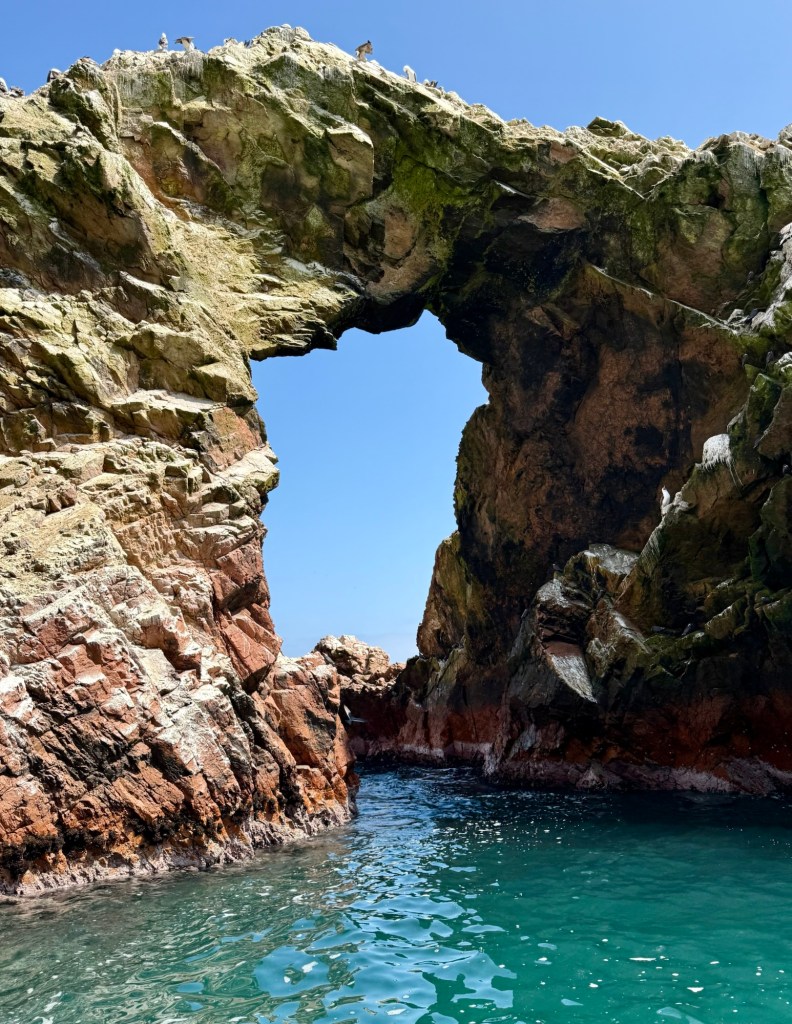
The islands around here are stunning, and date back to the Jurassic period. We visited Islas Ballestas – a collection of small islands known for their colonies of cormorants, tern, boobys, pelicans, penguins and sea lions.


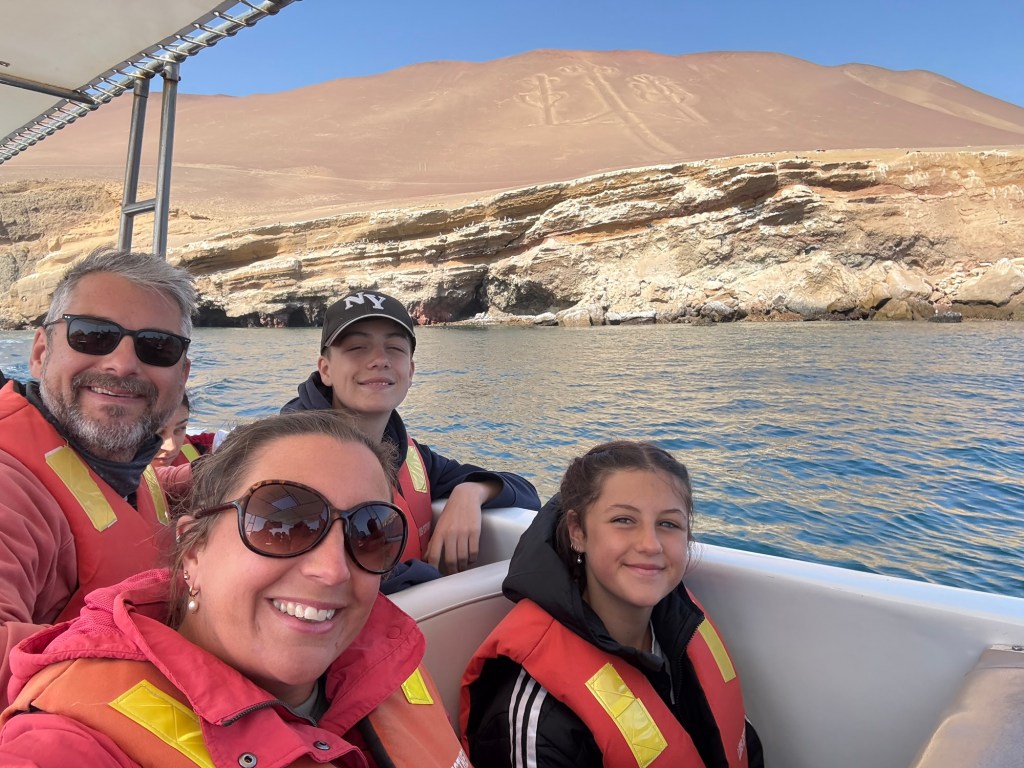
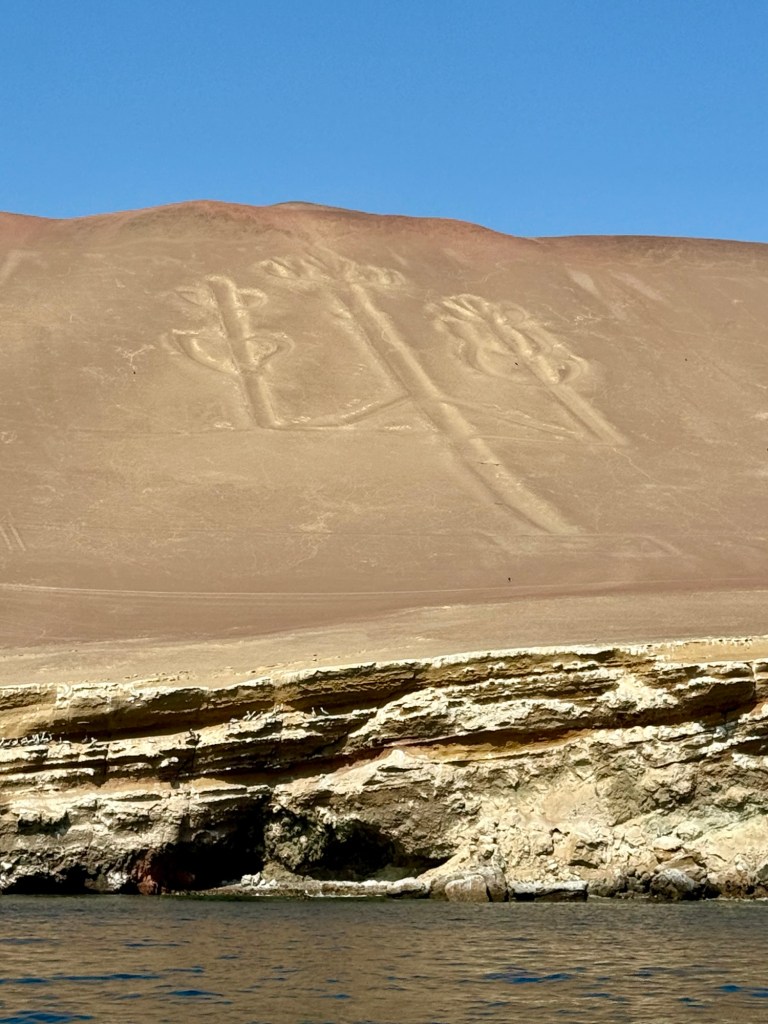
We were very excited that we would get to see one of the Nazca lines on our trip. The Nazca Lines are a series of ancient geoglyphs etched into the desert, best viewed from the air, but we still got a pretty good view from a boat…


The purpose and creation of the Nazca lines is still unknown, we love an unsolved mystery!

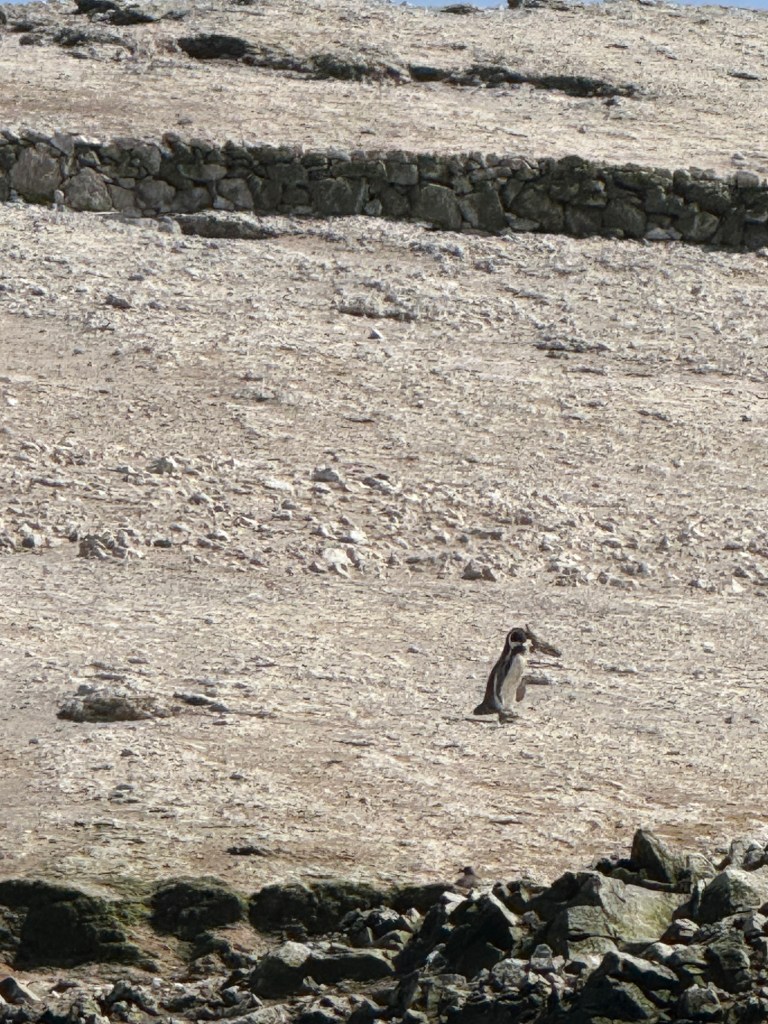
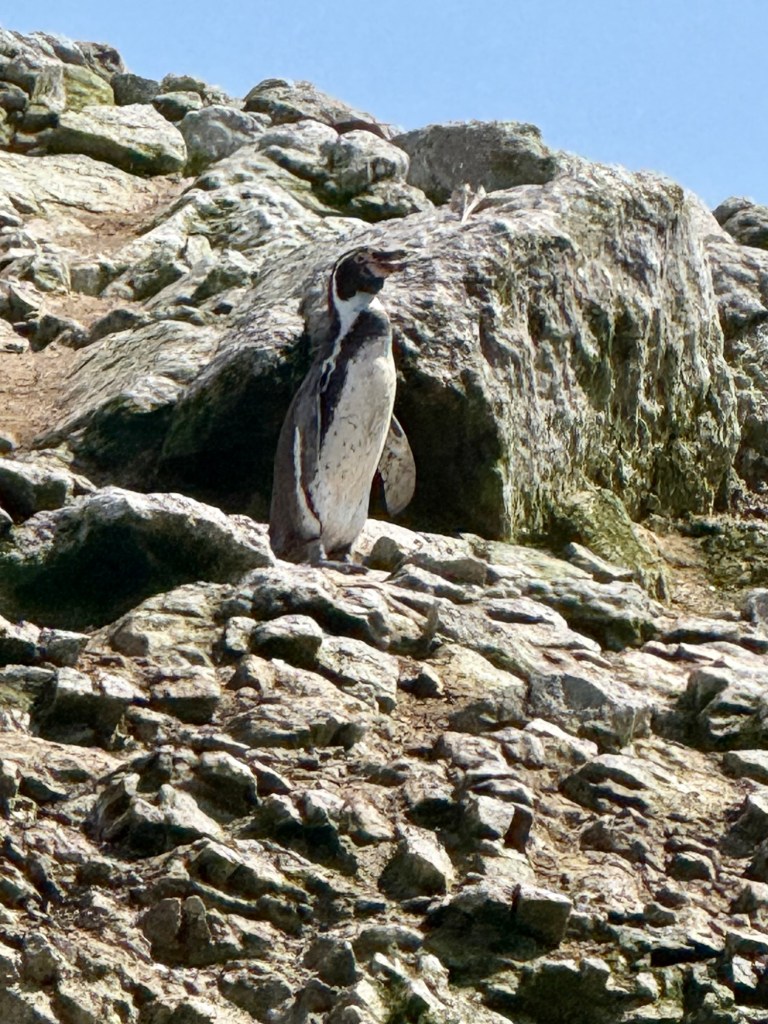
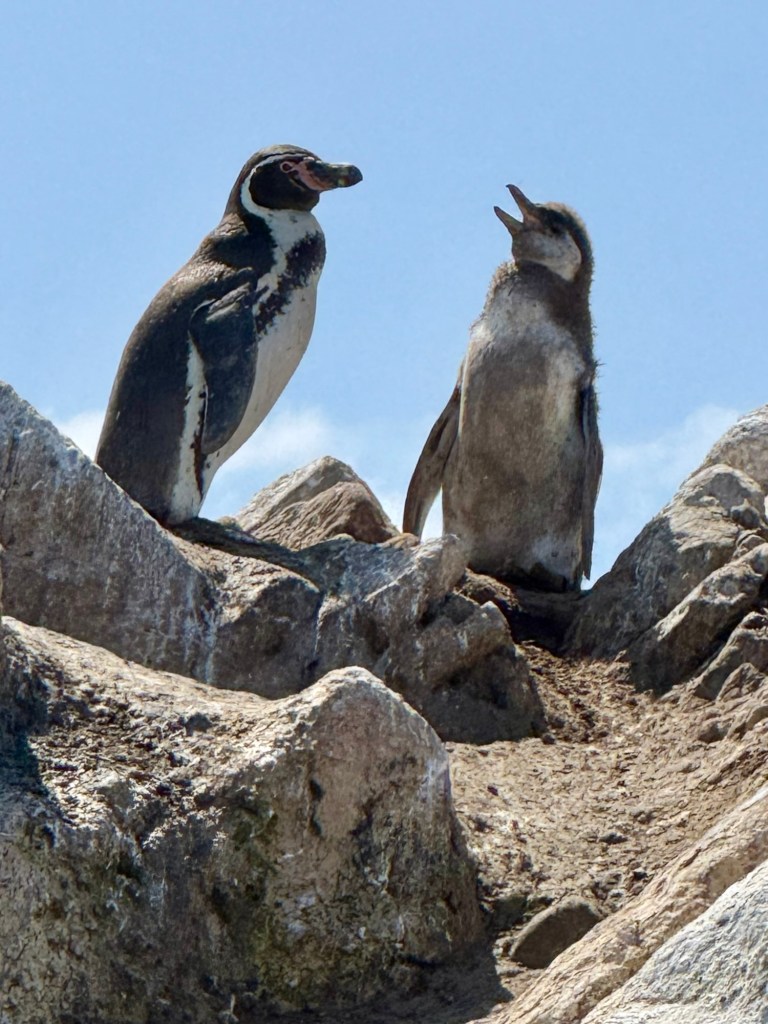
Despite it being the wrong season, we were lucky enough to see a few Humboldt penguins, including this parent and chick…


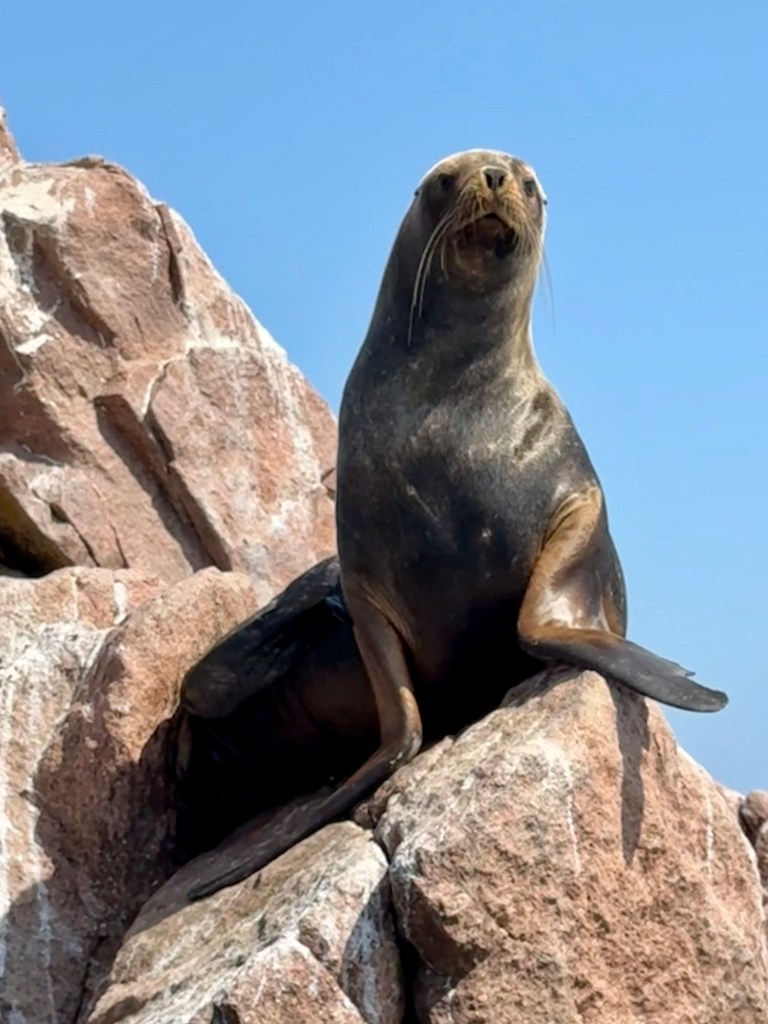
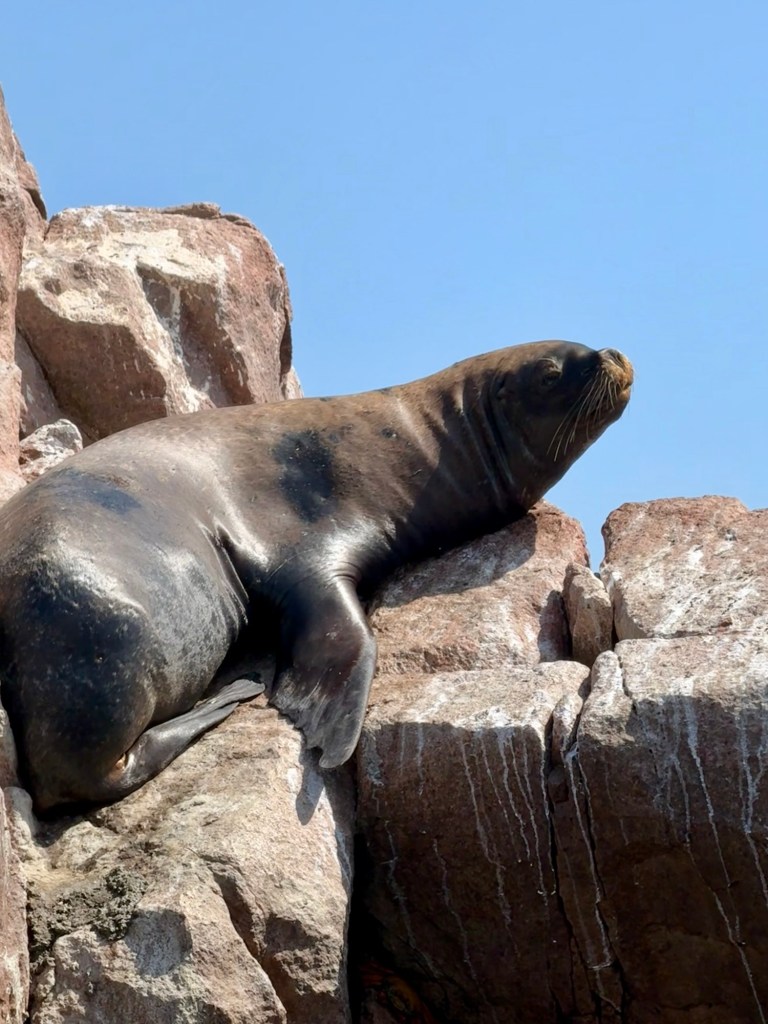
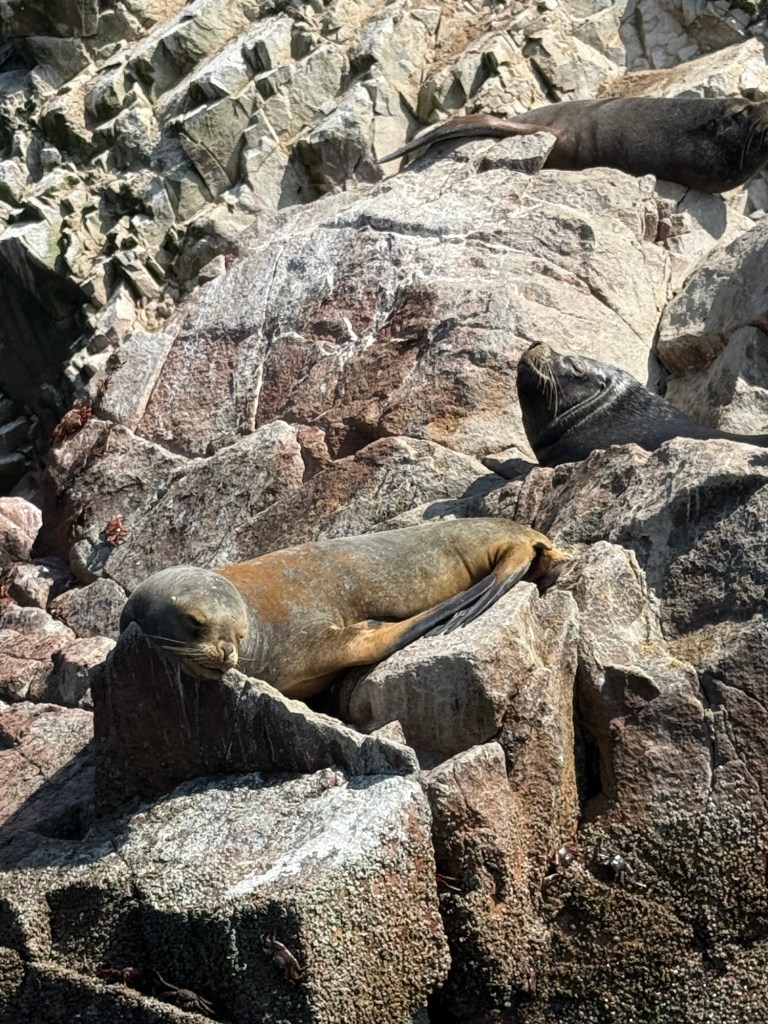
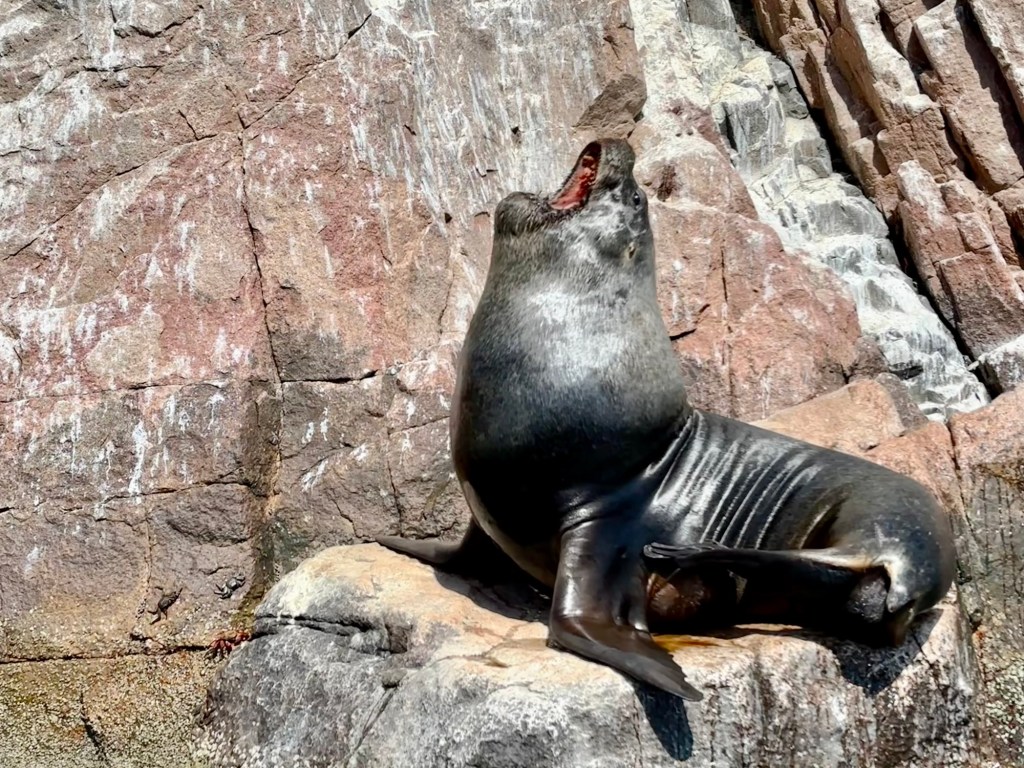
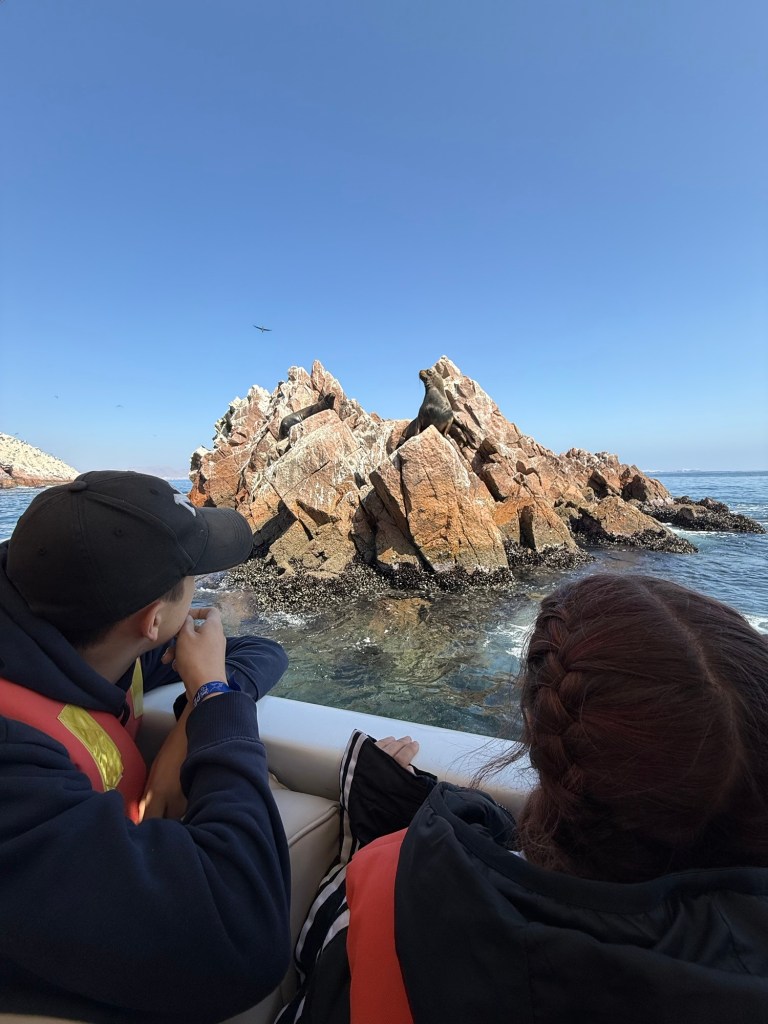
Then we rounded the corner of an island and were treated to loads of sea lions…


The whole trip was incredible, we saw loads of wildlife and even spotted a whale in the distance!

Once back on land, we had some (nothing to write home about) buffet lunch and then it was time to get back on the coach ready for the drive to Huacachina.


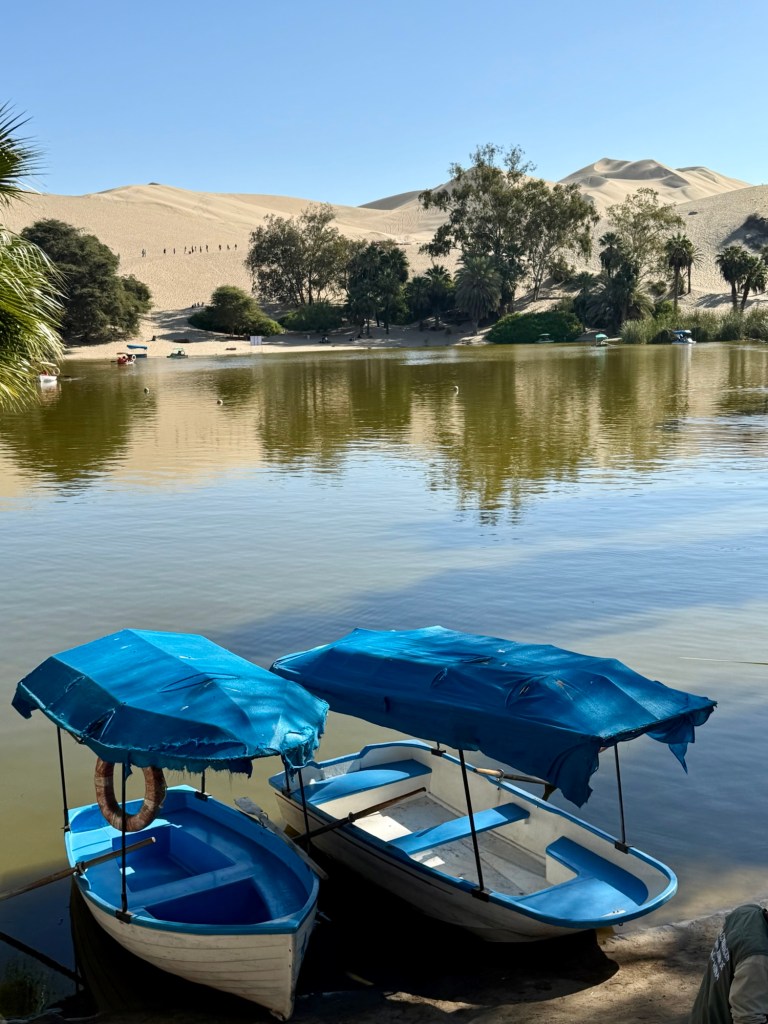
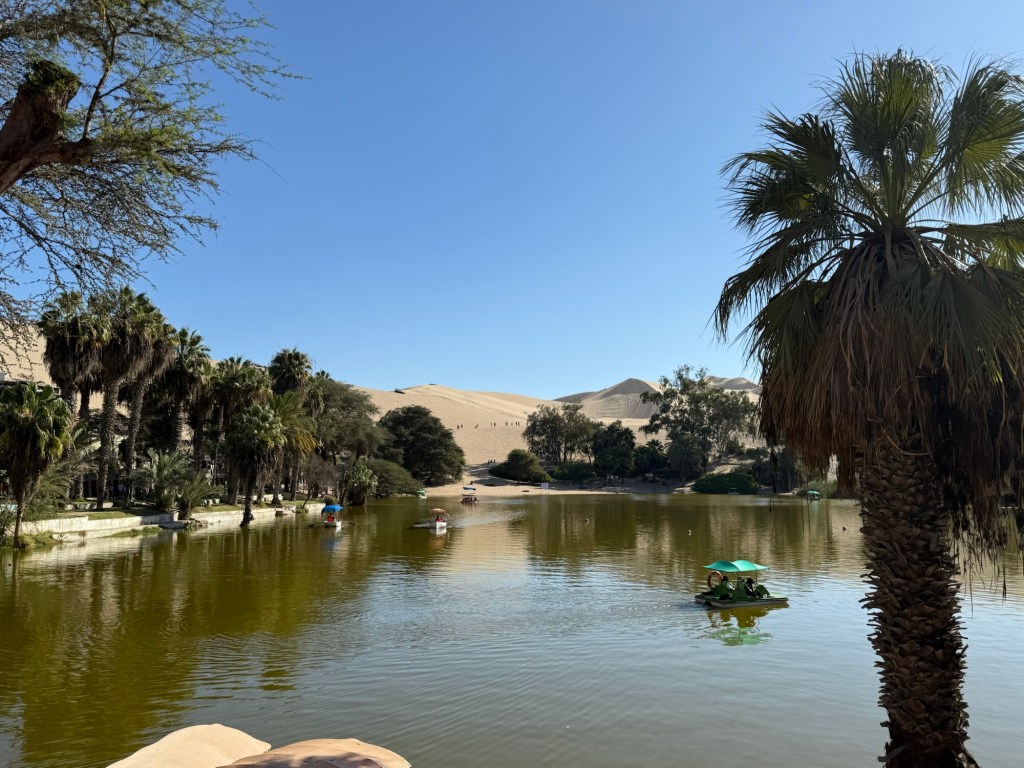
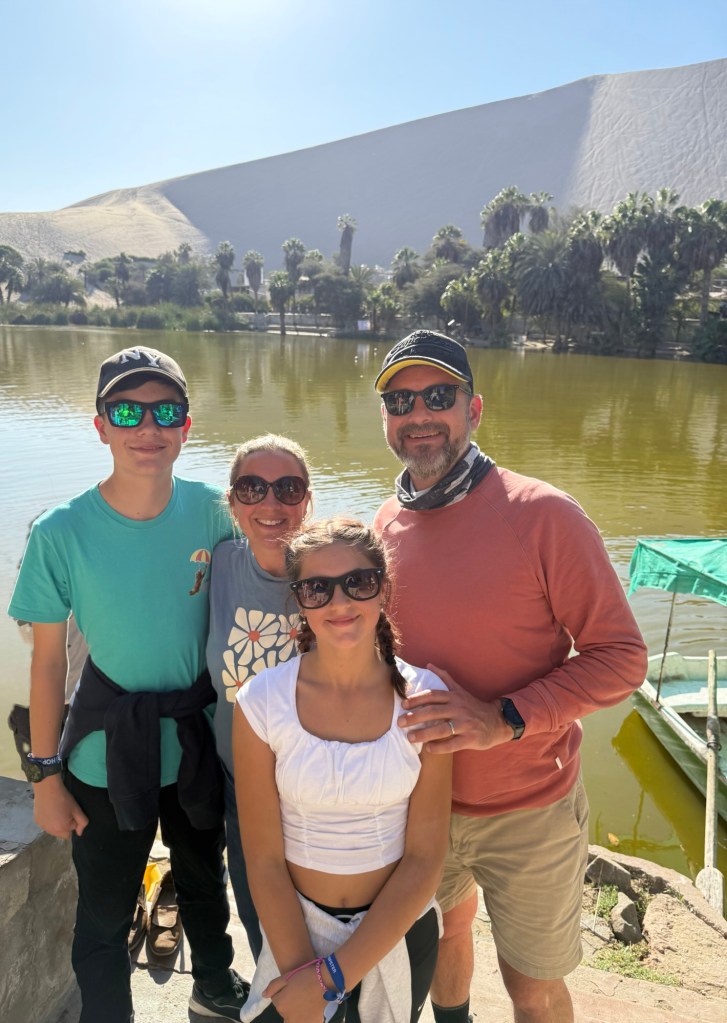
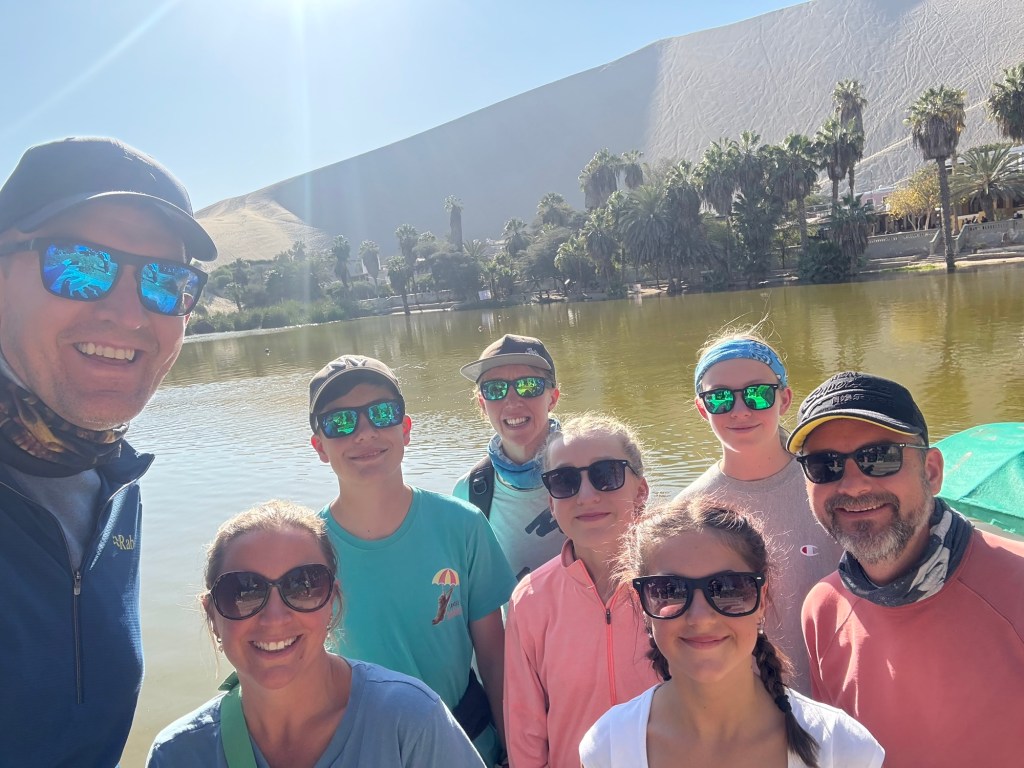
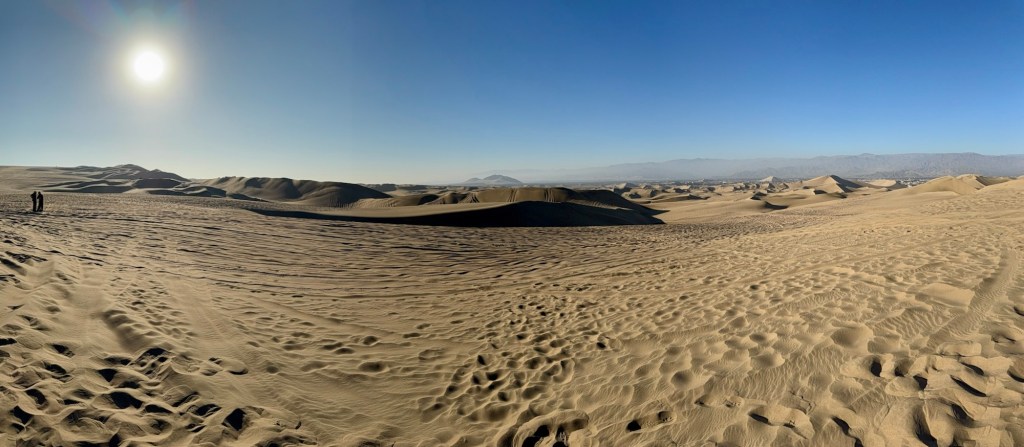
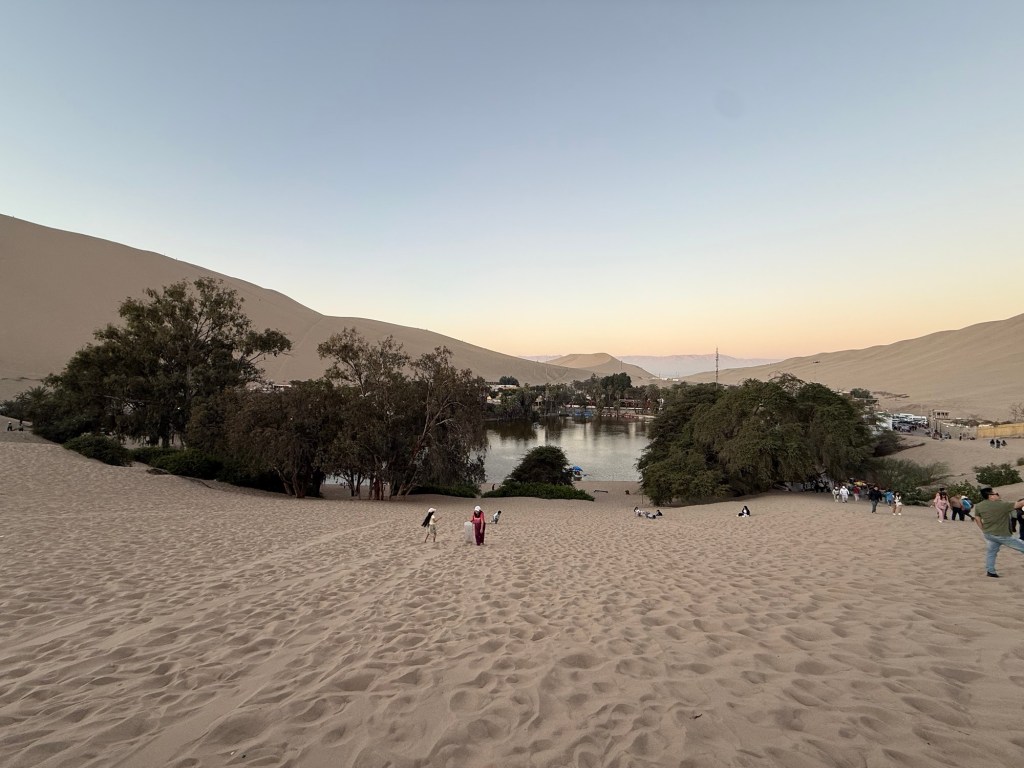
Huacachina is a town built up around a desert oasis, just west of the city of Ica.

The first thing we noticed when we arrived was the heat – far hotter than we’d been in Paracas or Lima.


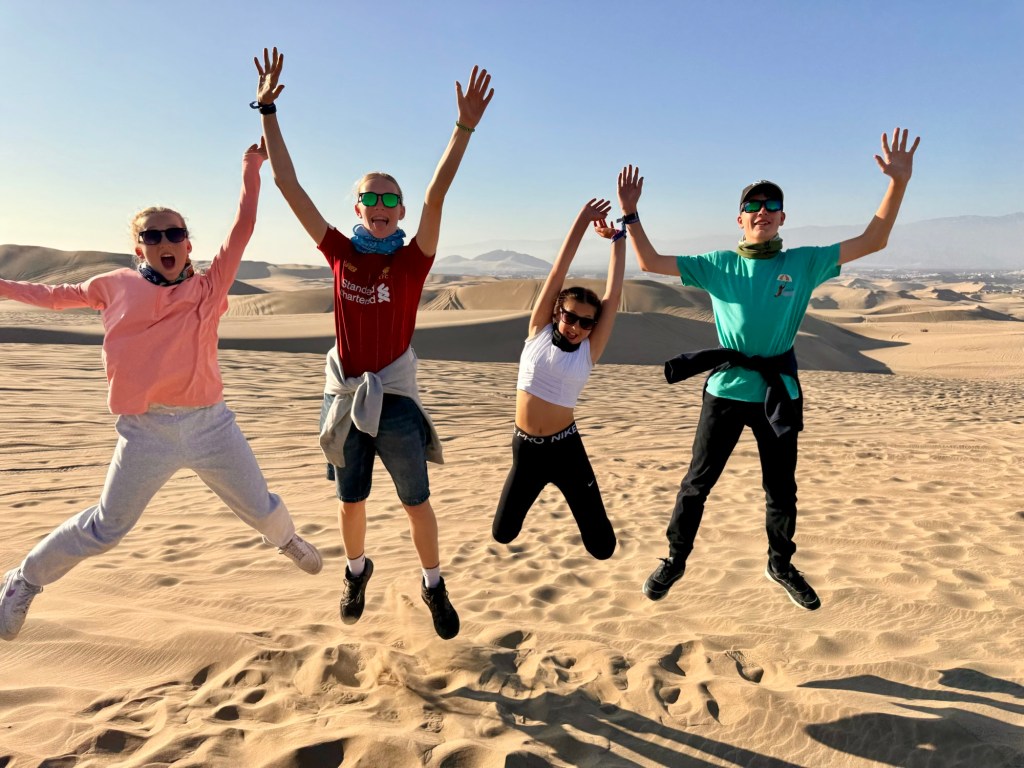
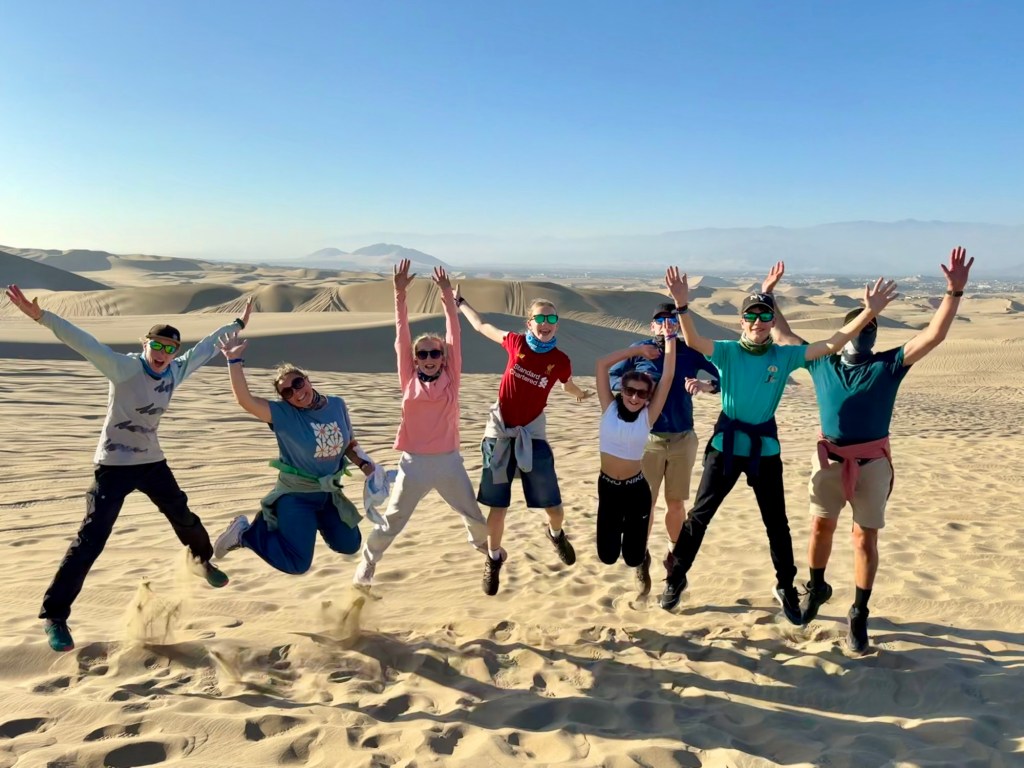
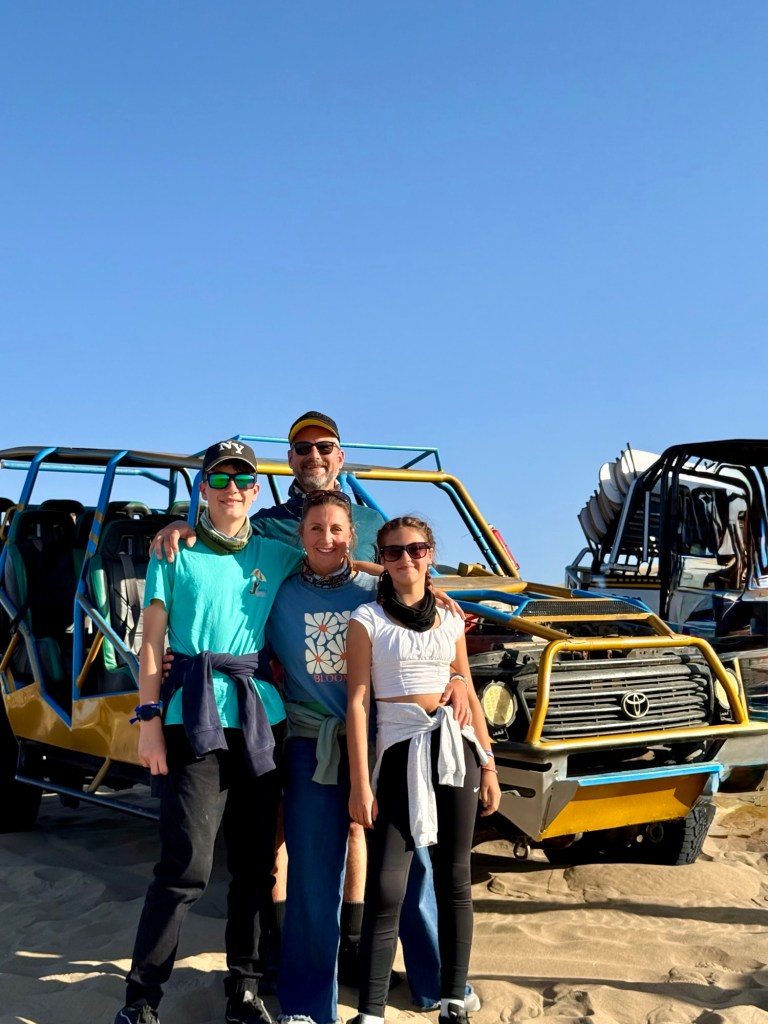
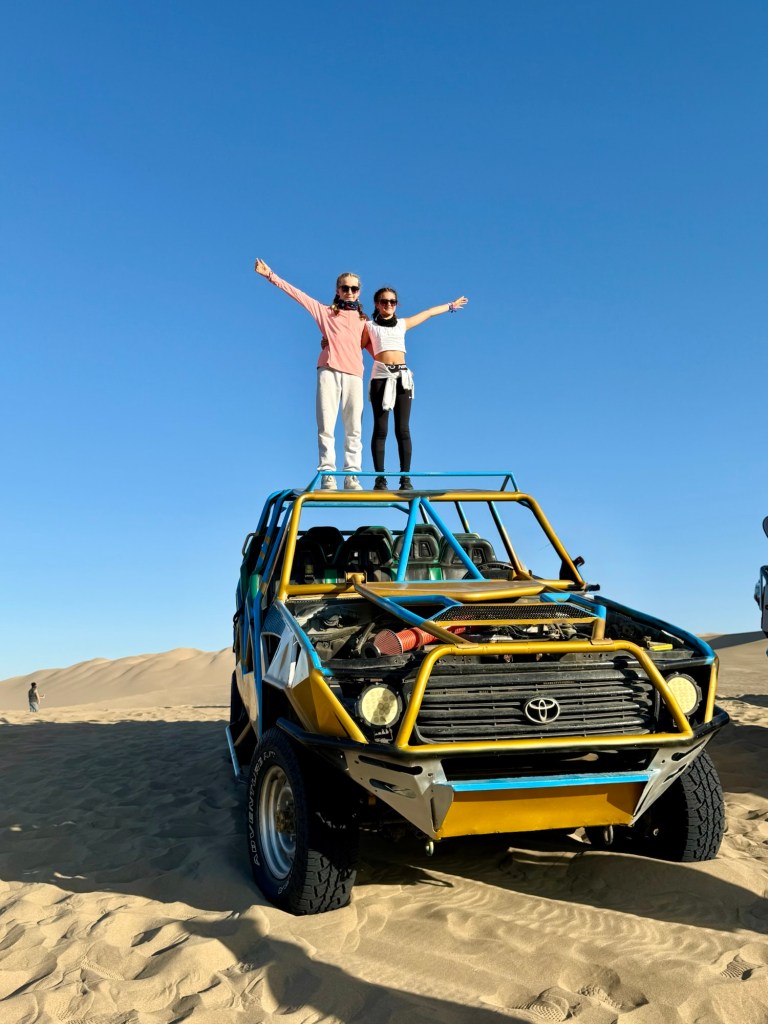
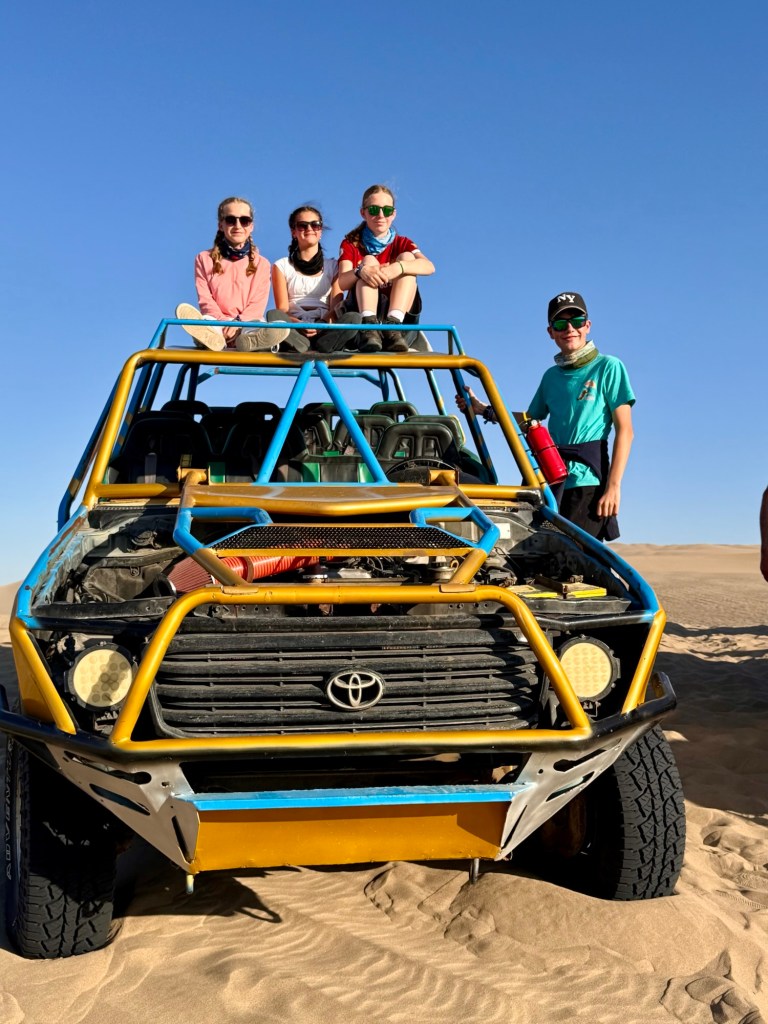
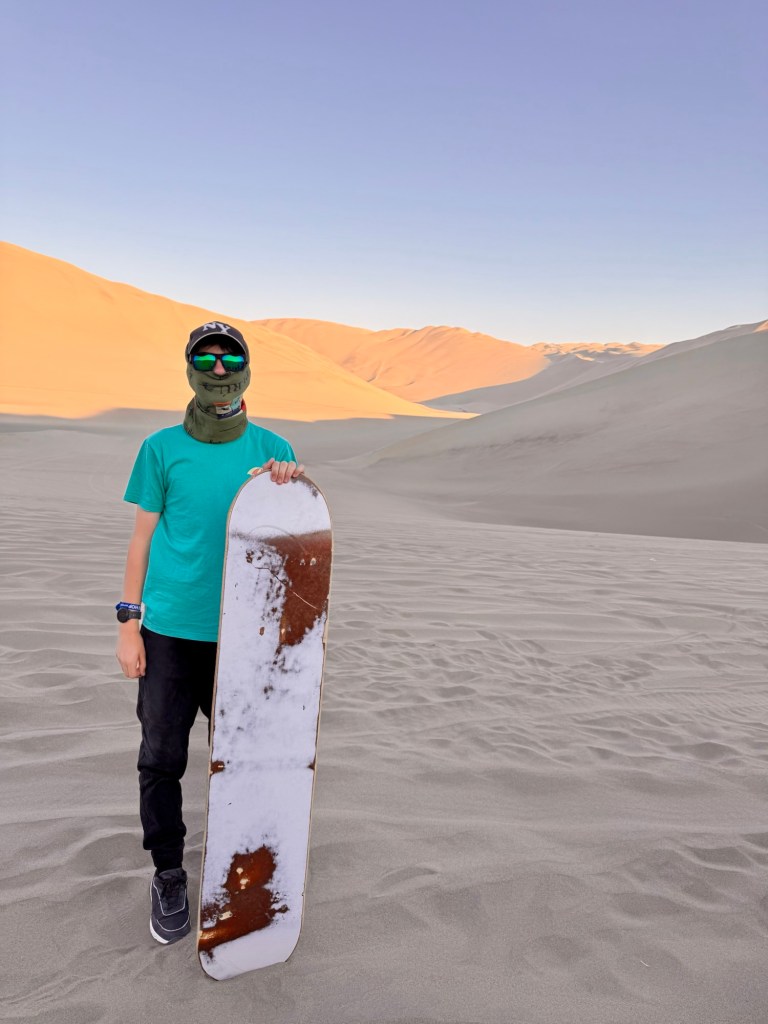
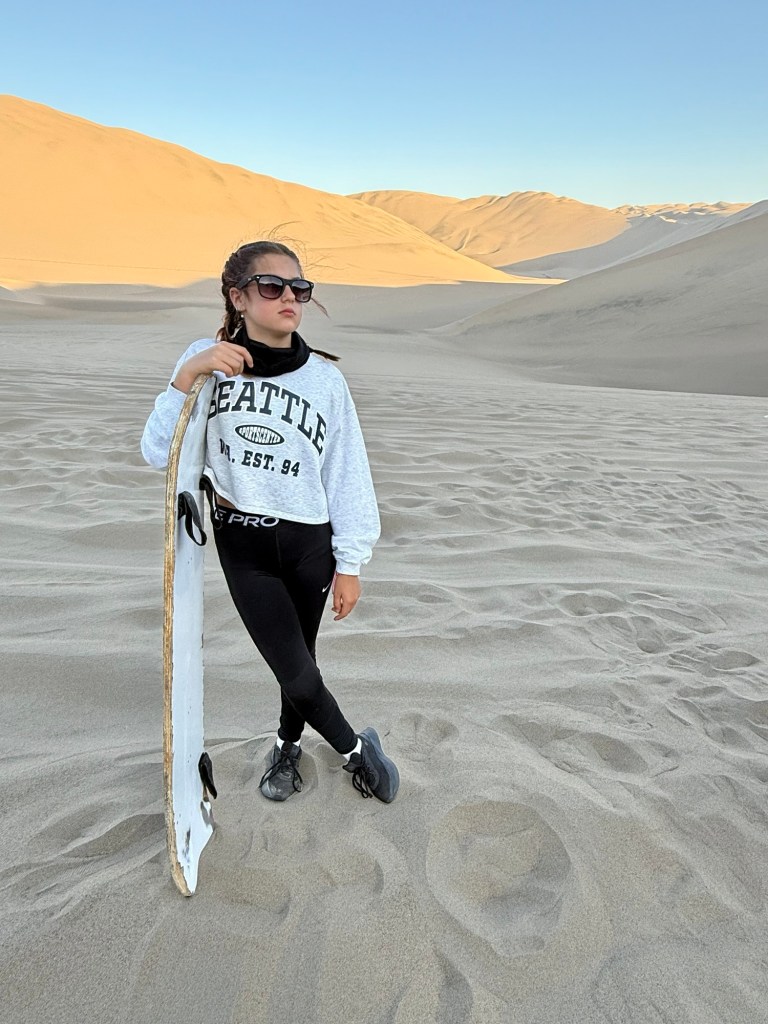
But we weren’t just here for the pretty desert views and the oasis. We were here for the adrenaline high… dune-buggy riding and sand boarding here we come!


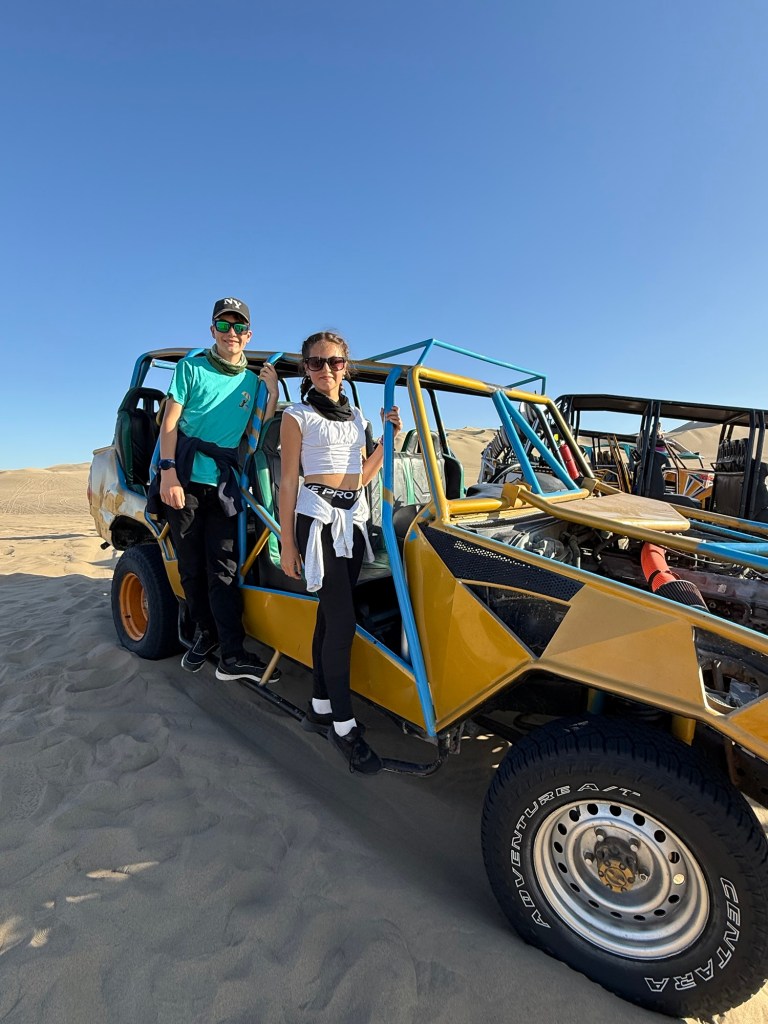
Ready to go!


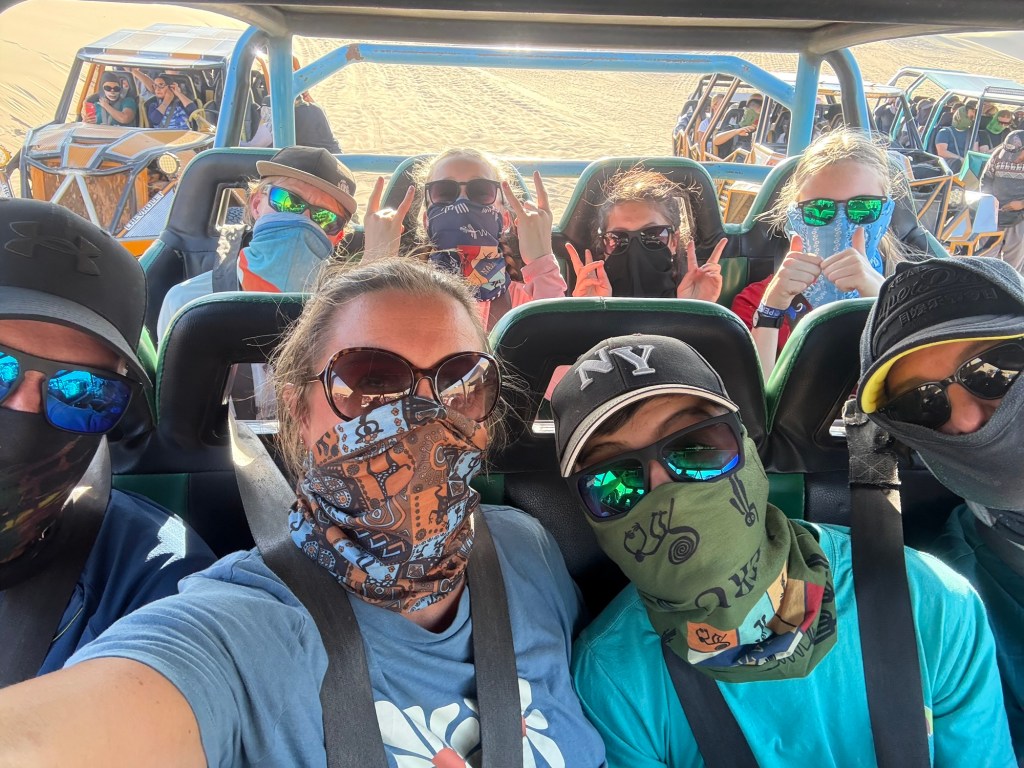
The dune buggy was incredible!! Our driver drove like a man on a mission… skipping past other slower buggies and really giving us a thrill. It was amazing… too hard to capture and mostly we just enjoyed the ride(s), but Martin managed to take this video to try and show what it was like.


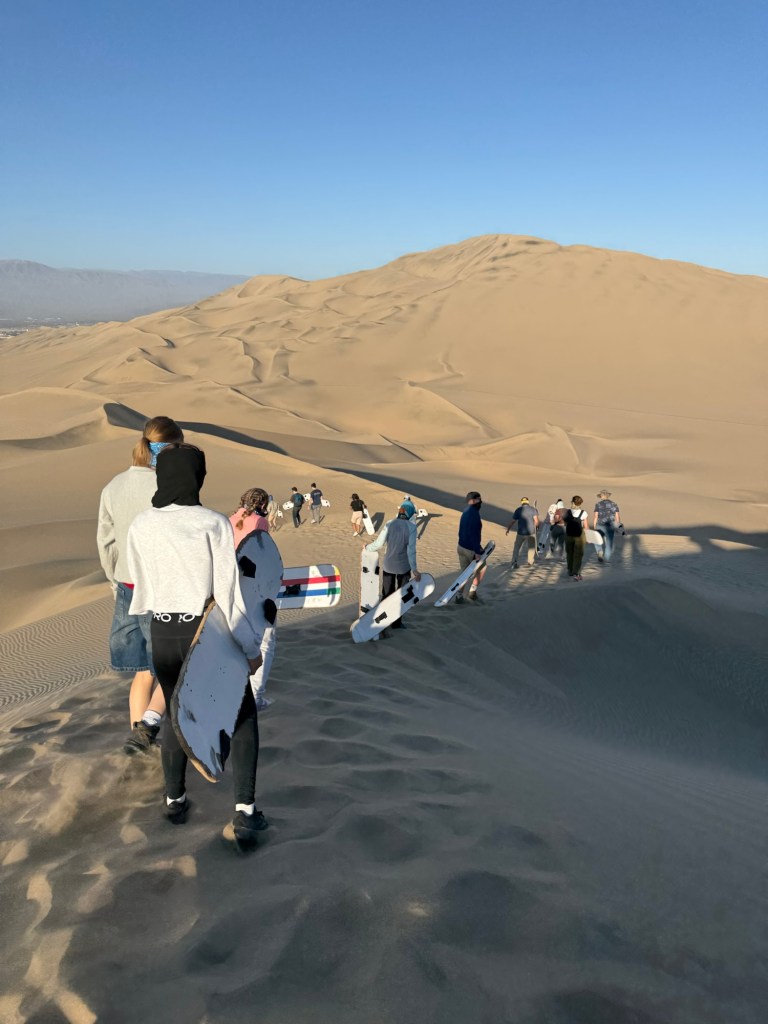
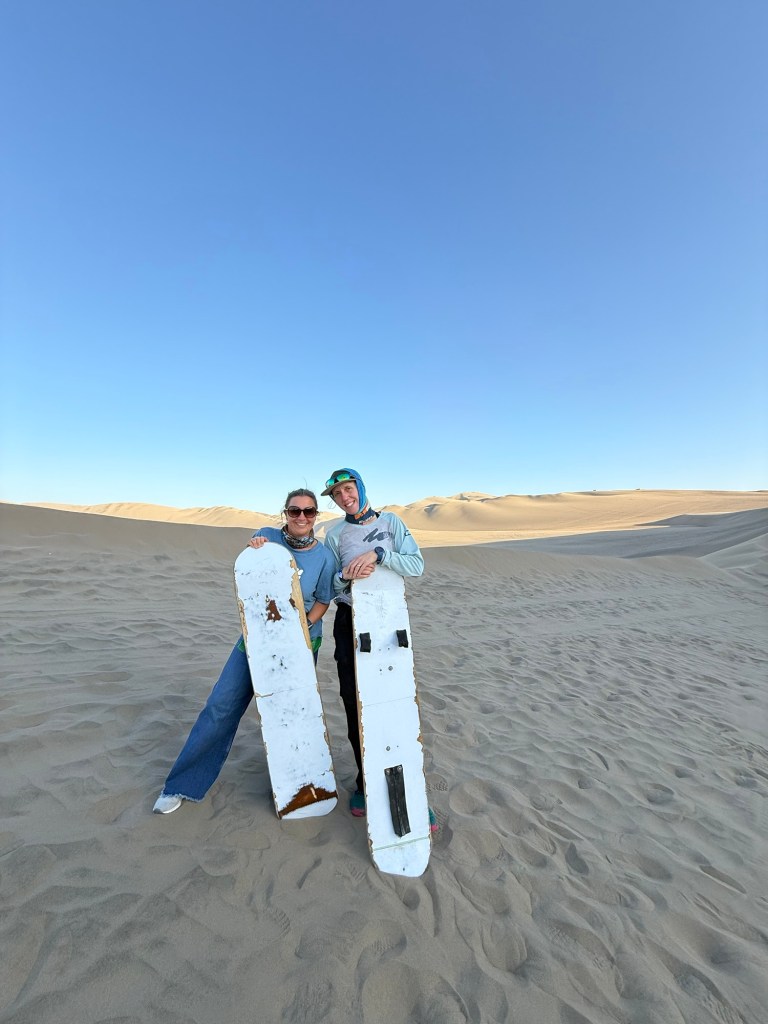
In the middle of the dune-buggy-ing, we stopped to do some sand boarding. Several of us were nervous and thought we couldn’t do it… but we all did! And it was wild!


Here are the videos of Sylvie going down the first dune, and Elijah going down the second one…


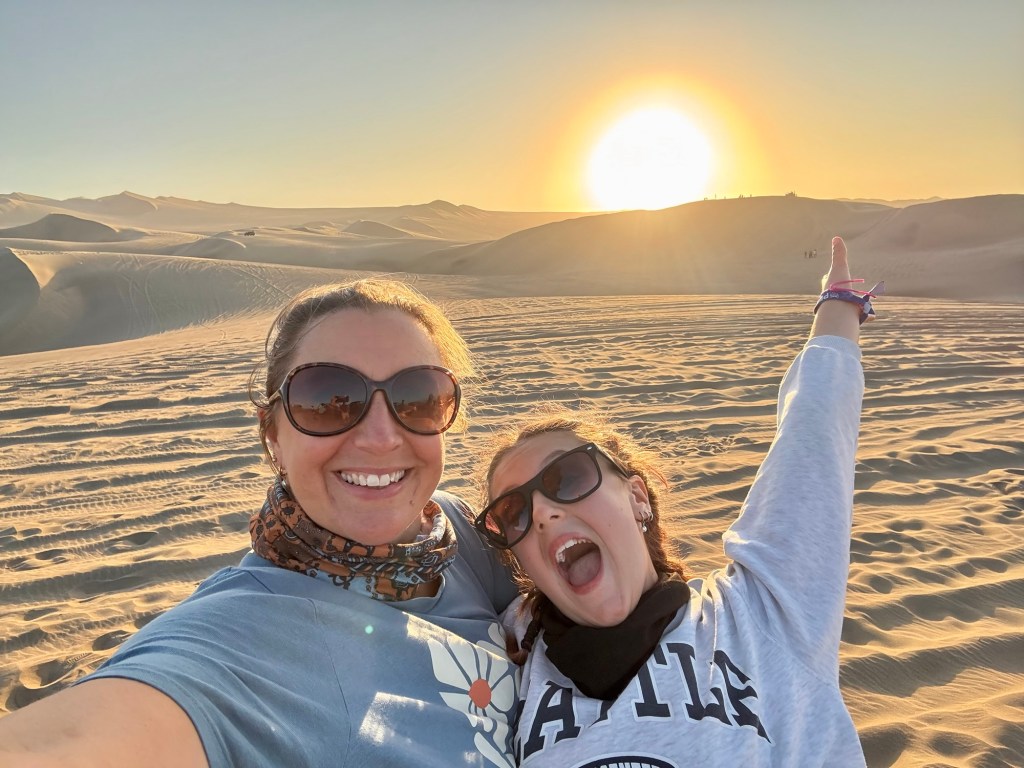
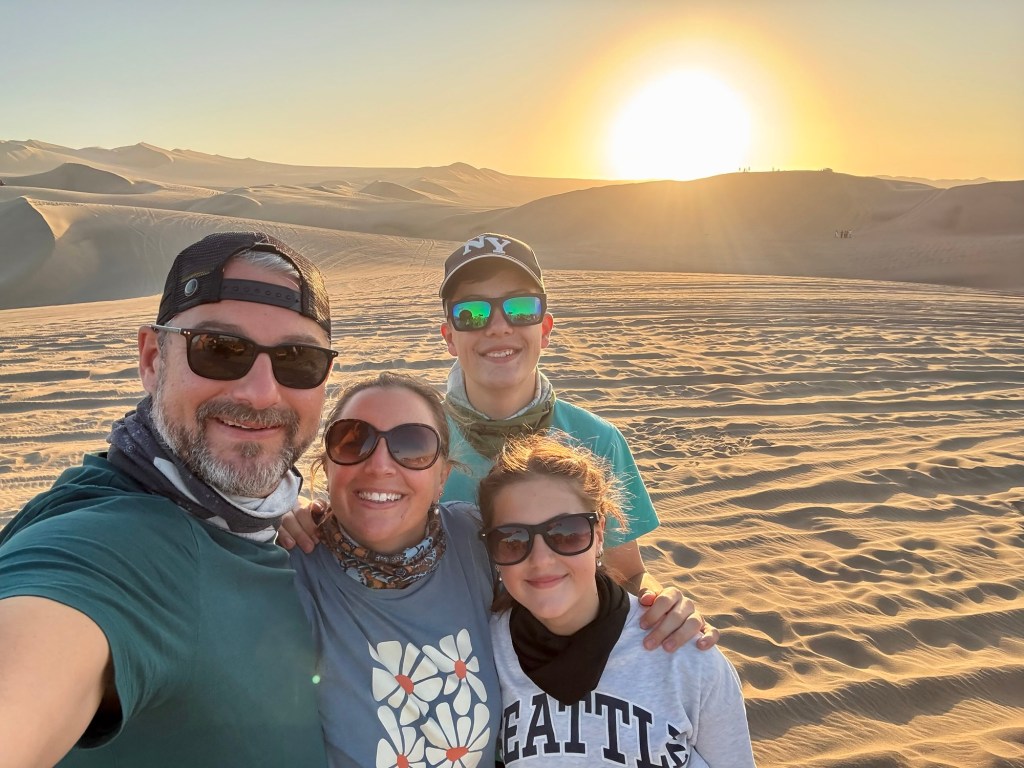
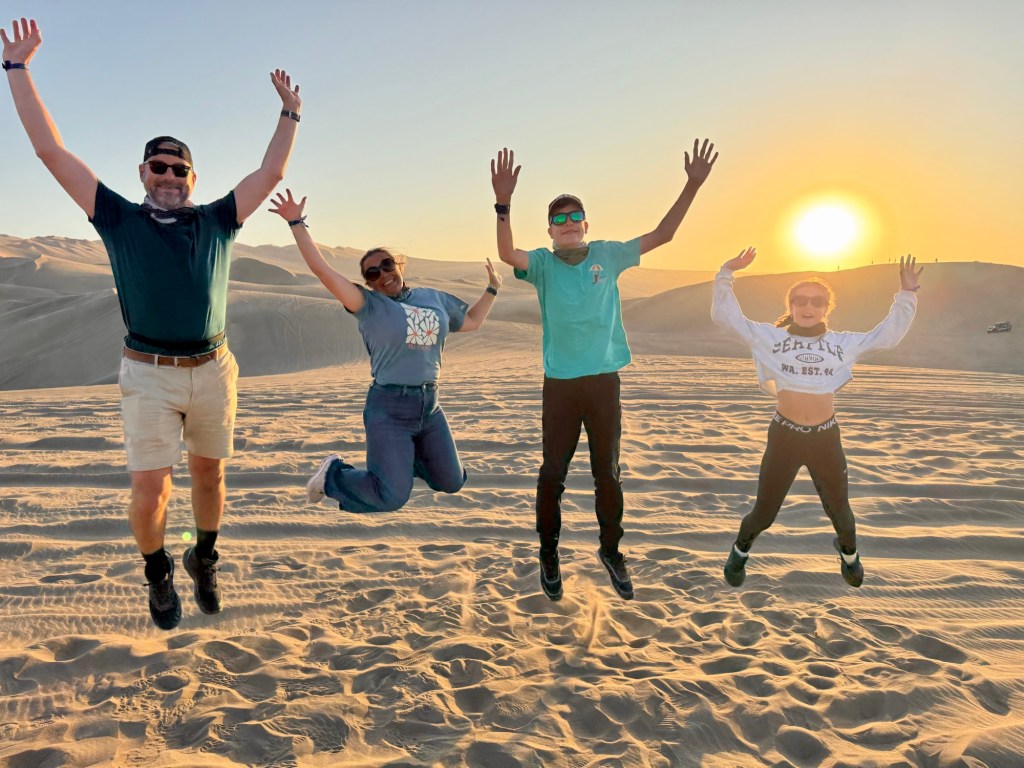
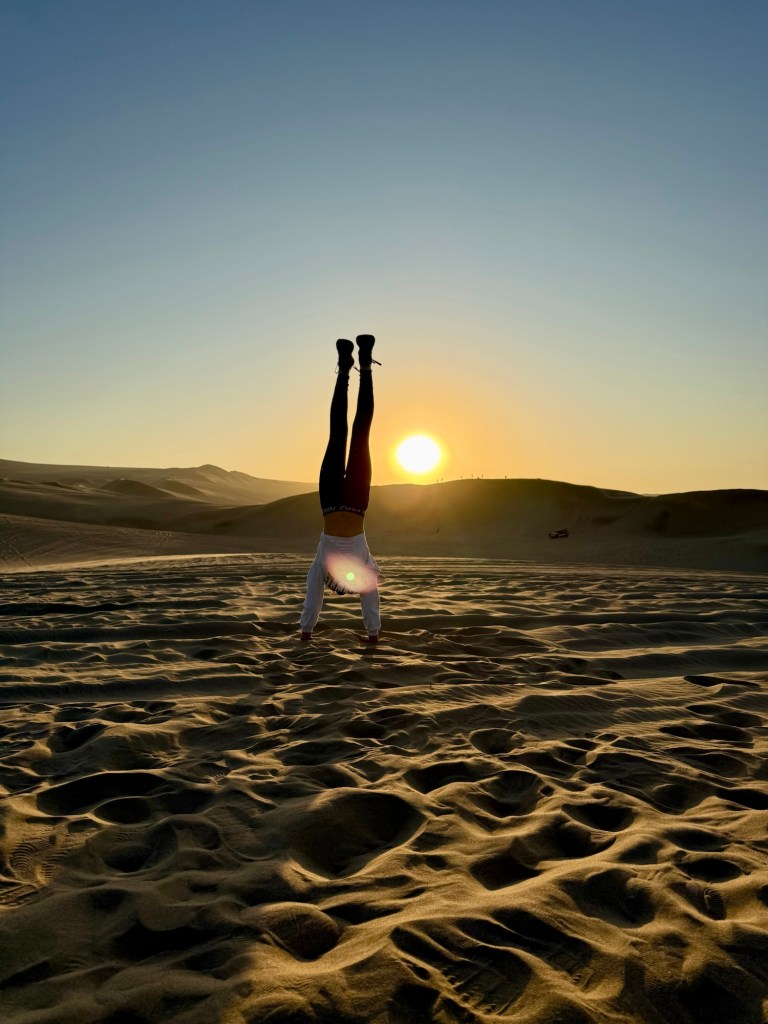
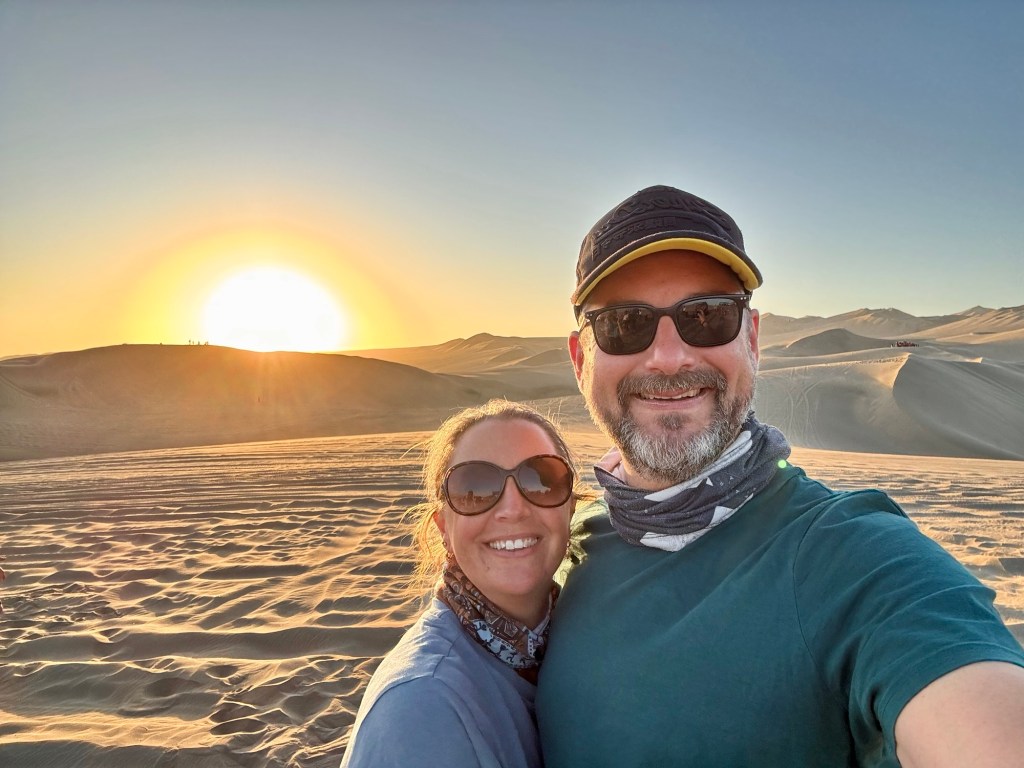
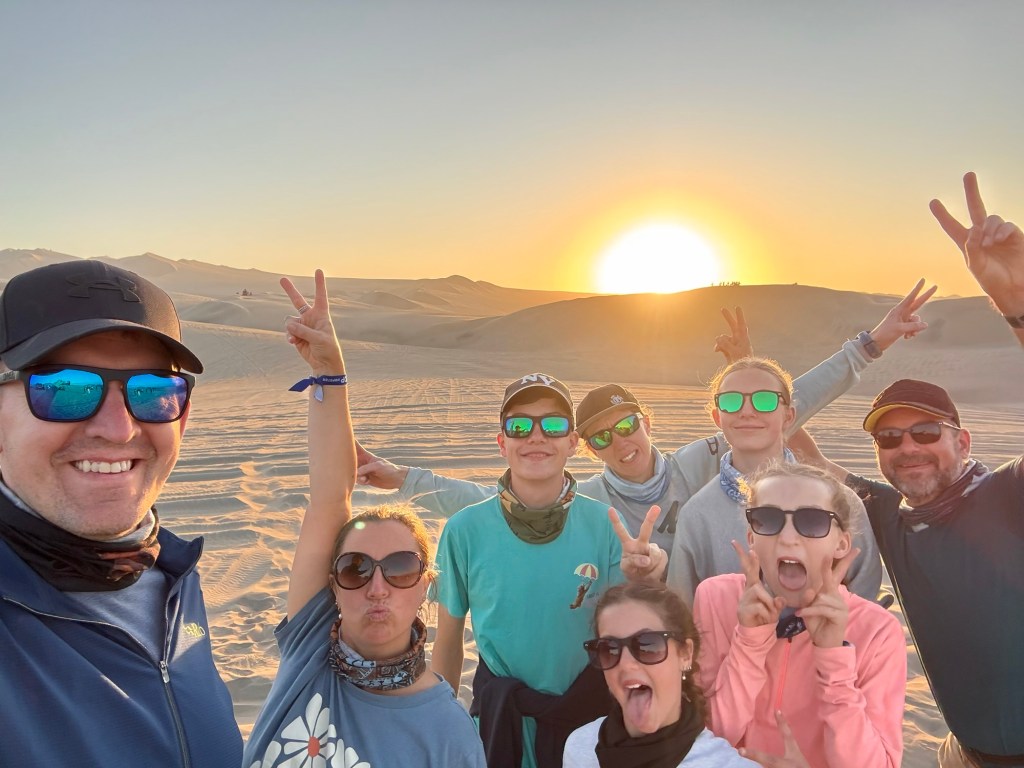
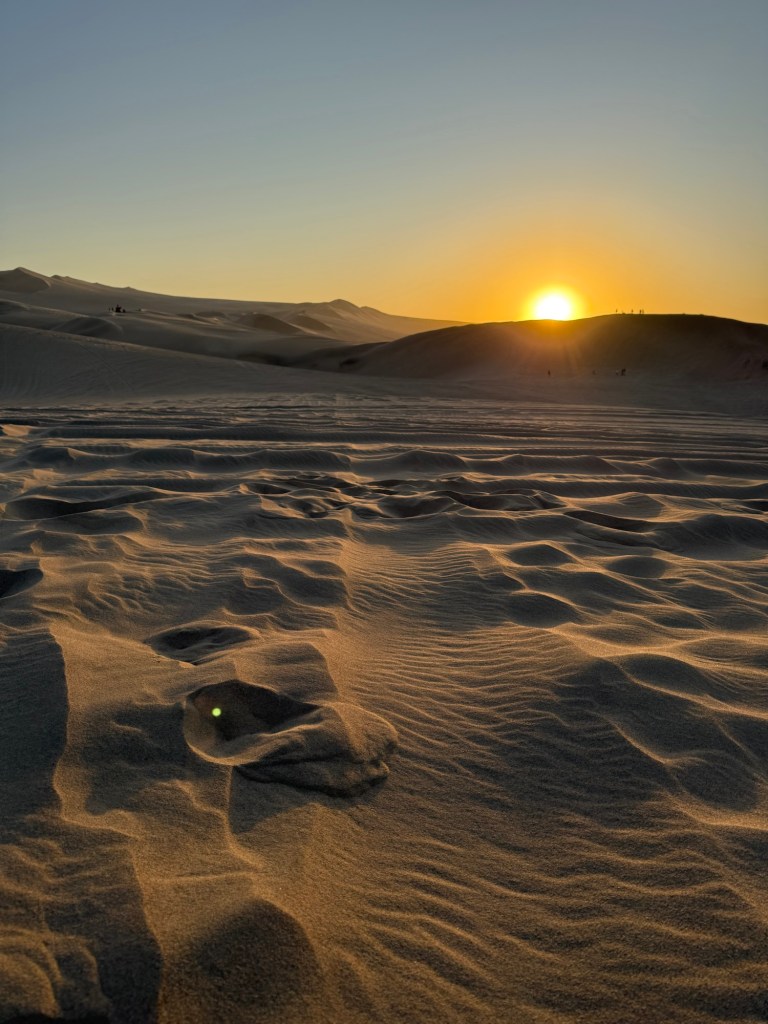
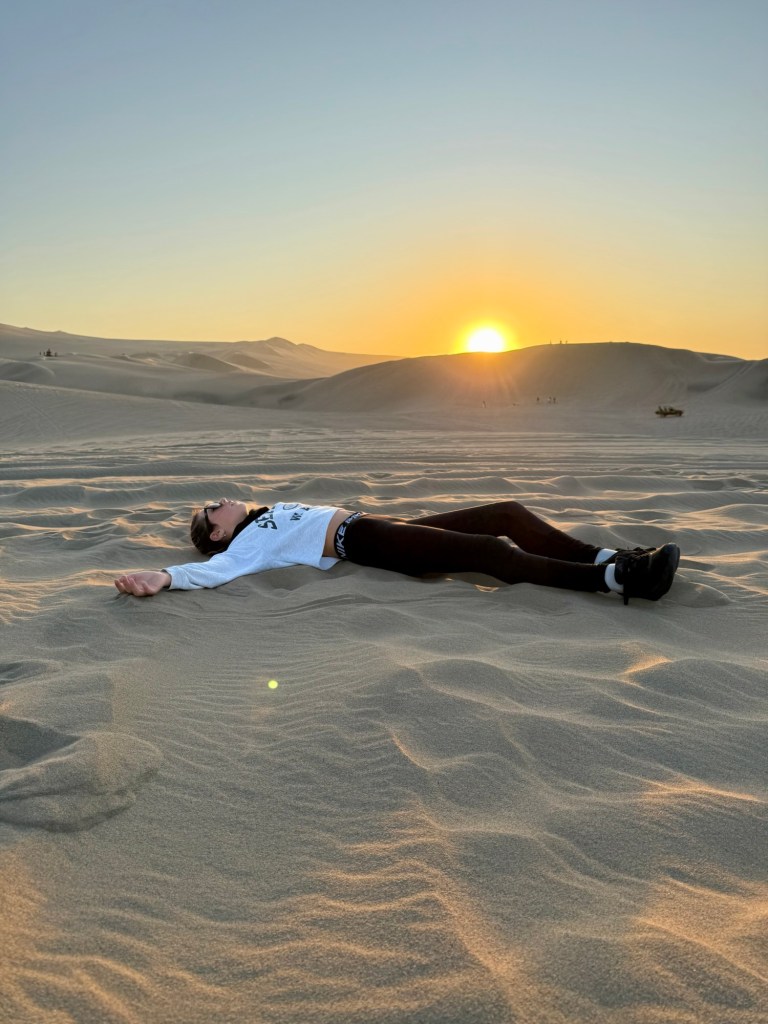
After the sand-boarding, we were back in the buggies for another speedy rollercoaster ride to a spot to watch the sunset. Just beautiful.


All too soon our driver called us over for our last ride back to the oasis… but he did make it the best one – ending in a ride down the biggest dune of all and a doughnut-wheelie to park! Legend.

All that was left then was to grab some food and snacks, find Amyth and the rest of our coach pals and get back. Festival festivities were in full swing meaning traffic was crazy and it took us 5 hours to get back to Lima! We eventually crawled in to our apartment at 12:30am – still needing to shower off all the sand and pack our bags for our flight on Sunday morning! Bed by 1:30am and alarms set for 6:15am, let’s go.